What Can I Put Down A Garbage Disposal?
To learn what can I put down a garbage disposal without jamming the unit, feed it soft food scraps, citrus rinds, and cold water. The motor grinds these quickly when you feed small amounts at a time. Tough fibrous stalks or hot grease stop the unit immediately.
Quick guide for your garbage disposal
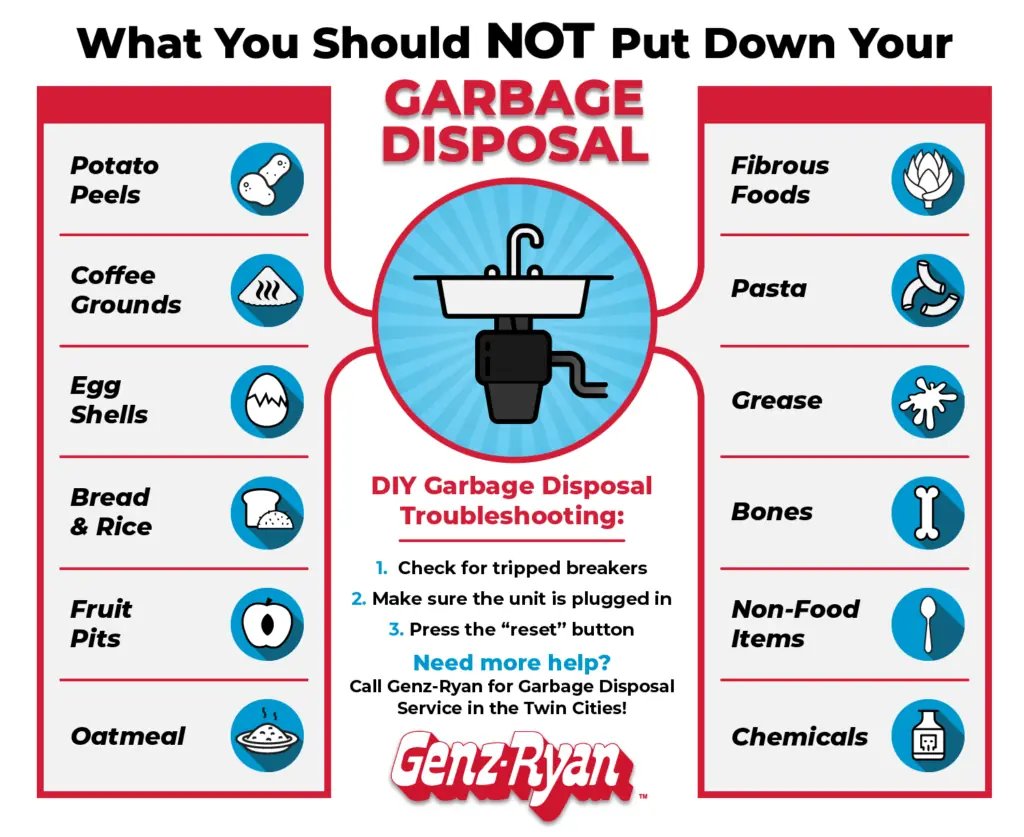
- Feed soft leftovers like cooked vegetables, fruit peels, and citrus rinds chopped smaller than two inches.
- Run a steady flow of cold tap water for the entire grinding process.
- Toss in a cup of ice cubes monthly to knock greasy residue off the internal shredder ring.
- Keep all fibrous plant skins like corn husks, celery ribs, and artichoke leaves out of the drain.
- Put liquid cooking oil, melted butter, and pan grease into the trash instead of the sink.
- Leave the cold water running for 15 seconds after the grinding sound stops to clear the trap.
Why drain pipes clog from food scraps
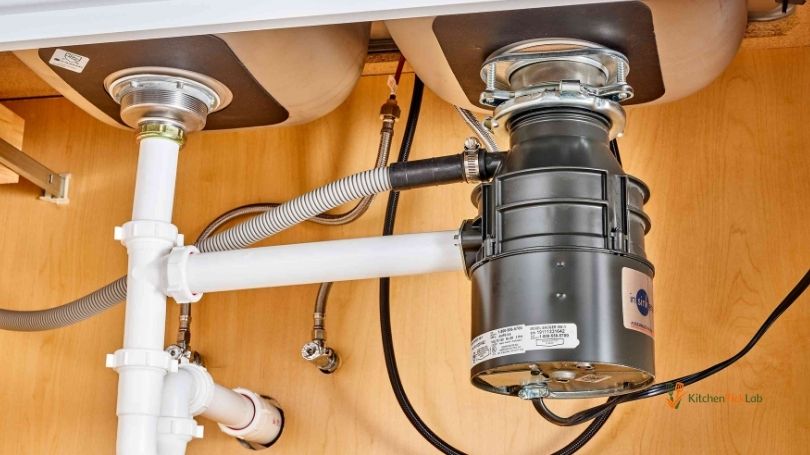
Pipes clog because household disposals don’t have sharp knives. They use flat spinning lugs mounted on a plate to fling solid particles against a textured stationary grind ring. Soft produce and bread break into tiny crumbs easily under this blunt force. Starchy items like uncooked white rice, dry pasta, and thick potato skins act differently once pulverized. They absorb standing water inside the curved P-trap beneath your sink, swelling into a thick paste that stops all water flow. Stringy fibers like celery stalks or onion skins wrap around the spinning plate beneath the lugs. This friction halts the electric motor until the red overload switch trips on the bottom of the unit. Fat and grease cause the longest-term plumbing damage. Hot liquids pour down smoothly, but cold drain pipes drop the temperature of the liquid instantly. The melted fat coats the walls, hardens into a waxy barrier, and captures passing solids. The EPA guidelines on grease handling confirm that fats and grease solidify inside city sewer pipes, which causes heavy waste backups.
When the answer is different
Different kitchen setups and machine models change which scraps you can safely process.
| Situation | What changes | What to do instead |
|---|---|---|
| Septic tank system | Solids overload natural bacteria | Scrape plates into the trash |
| 1/3-horsepower basic motor | Weak motor stalls on bones | Feed soft bread or fruit only |
| 1-horsepower heavy motor | Higher torque handles heavy loads | Feed food scraps slowly |
| Old cast-iron drain lines | Rough surfaces catch eggshell sand | Throw eggshells into compost |
| Water-saving faucet nozzles | Low flow fails to push solids | Run faucet at maximum blast |
How to do it properly
- Clear dishes of non-food items, keeping metal utensils, twist ties, and produce stickers far from the drain opening.
- Turn on the cold water tap to a full stream, checking that water drains smoothly before starting the motor.
- Switch the disposal unit on before pushing food waste into the sink opening.
- Drop food waste into the drain in loose batches of roughly one cup, rather than stuffing the hopper full.
- Listen for the sound to change from harsh rattling to an empty mechanical hum, which takes about 10 seconds.
- Turn off the wall switch the moment the grinding noise finishes while leaving the faucet open.
- Let the cold water run for 15 continuous seconds to push ground waste entirely past the pipe trap.
The mistakes that ruin it
- Running hot water during grinding melts fats just enough to coat the main house lateral line, causing distant deep clogs.
- Stuffing five cups of potato peelings down at once creates a cement-like plug that costs hundreds in plumber fees.
- Pouring harsh chemical lye drain cleaners into a jammed unit corrodes internal rubber seals and risks chemical burns.
- Pushing silverware or fingers into the dark hopper to dislodge a jam risks severe cuts if the switch is tripped.
Frequently asked questions
Can you put eggshells down the garbage disposal?
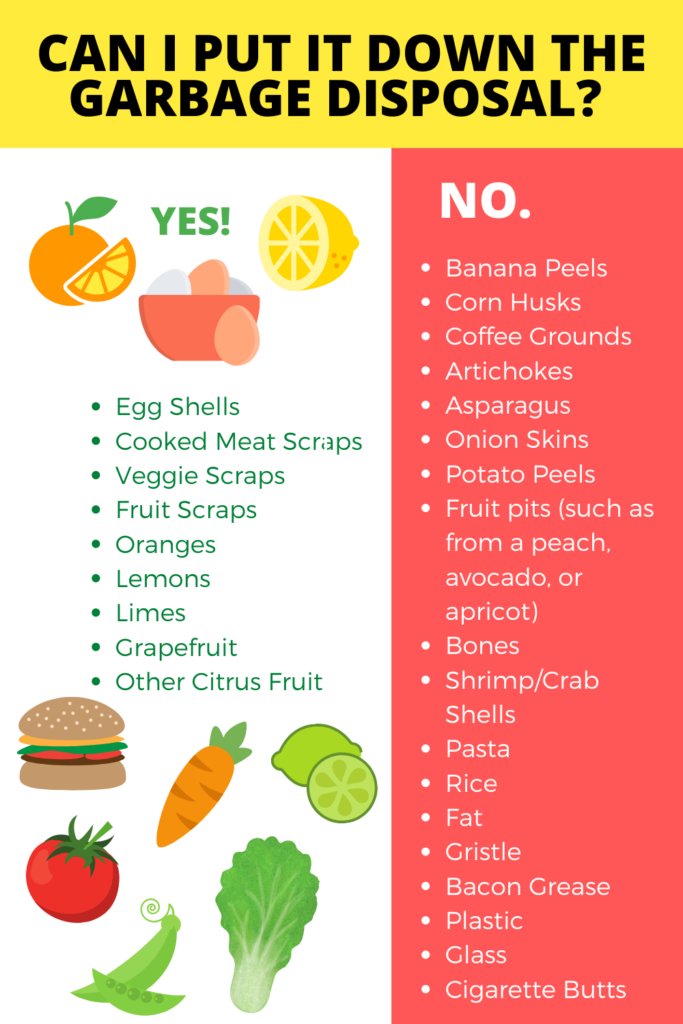
No. Eggshell membranes wrap around the rotating shredder ring, and the pulverized shell creates a heavy grit similar to sand. This gritty sand doesn’t dissolve in water. It settles in the bottom bends of your plumbing trap and gathers greasy sludge until the pipe stops draining entirely.
Is it safe to put coffee grounds down a disposal?
No. Finely ground coffee beans don’t dissolve, and they easily pack together when wet. While grounds pass through the disposal chamber without damaging the metal parts, they gather inside the sink trap beneath the floor. They form a thick, clay-like sediment that clogs standard household drain pipes.
What happens if you run hot water instead of cold?
Hot water melts soft cooking fats, allowing them to slip past the grinding chamber in liquid form. As that warm liquid travels farther down your household plumbing, the cold metal or PVC pipes cool it down. The grease then turns solid against pipe walls, building up until it blocks water.
Can chicken bones go in the disposal?
Only small, cooked bird bones can pass through high-power models rated at three-quarter horsepower or above. This varies by model — check the label on your unit under the sink. If you own a small one-third horsepower disposal, never insert bones, as the low-torque motor will jam immediately.
Does ice sharpen garbage disposal blades?
No. Household garbage disposers don’t contain sharp blades; they use blunt impellers that crush food against a shredder wall. Ice cubes can’t sharpen these dull parts. A trade-off is that ice does knock accumulated grease and food slime off the metal parts, which helps eliminate bad kitchen odors.
Why does my disposal hum but not spin?
A foreign object or stubborn food piece is stuck between the spinning plate and the outer wall. Turn the unit switch off immediately to prevent motor burnout. Insert a quarter-inch hex wrench into the clean-out hole on the unit’s bottom, and turn it back and forth to clear it.
Final Thoughts
Keep a small strainer in your sink to catch items that don’t belong in the drain. It’s a simple habit that’ll save you from messy plumbing repairs later on. If you aren’t sure whether something is safe, it’s always best to toss it in the trash bin instead.