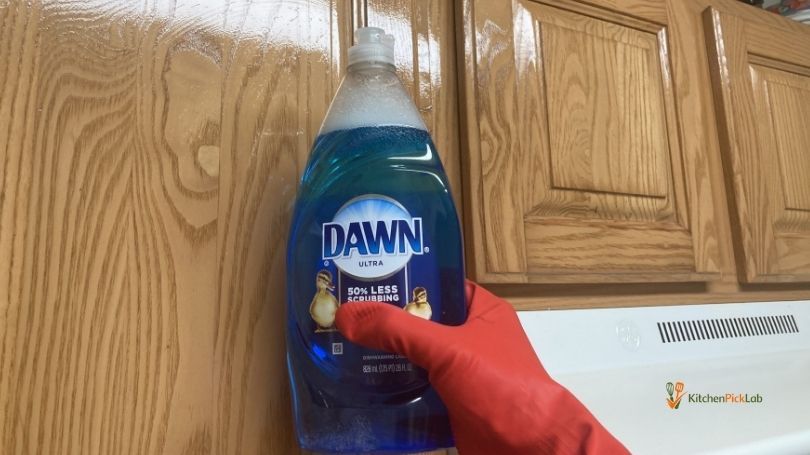
Can You Mop With Dawn Dish Soap?
Yes, on water-safe floors. Whether you can mop with Dawn dish soap comes down to avoiding unsealed wood and natural stone, which soap can damage or dull. Pour just a few drops into a bucket of warm water right now if you have ceramic tile, vinyl, or linoleum. That small dose cuts kitchen grease without leaving a sticky film behind.
When to use Dawn dish soap
Floor materials react differently to dish detergents, so match your floor type to the correct choice below.
| Your situation | Answer | Why |
|---|---|---|
| Glazed ceramic or porcelain tile | Yes | Cuts grease without harming baked glaze |
| Luxury vinyl plank or sheet vinyl | Yes | Lifts dirt safely from plastic wear layer |
| Traditional linoleum | No | Dish soap can damage the linseed oil binder |
| Sealed concrete floors | No | Dish soap can leave a film that degrades the sealer |
| Finished hardwood floors | Usually not | Standing water can warp wood boards |
| Natural marble, slate, or limestone | No | Soap leaves film that dulls natural polish |
| Unsealed wood or bare cork | No | Moisture absorbs quickly and causes swelling |
Surface porosity and residue
The main factor that settles this is surface porosity, along with the soap film left behind. Glazed tile and vinyl have non-porous surfaces. Water and soap can’t sink into them, so they clean up easily. Natural stone like marble has tiny pores that trap soap scum, and raw wood absorbs moisture deep into its grain.
Dish soap is made to bind to oils, but it doesn’t evaporate. If you use too much, it leaves a thin, rubbery coating that collects dust and makes the floor slippery. The trade-off for its strong degreasing power is that you must keep the soap amount tiny, or you’ll have to rinse the floor with clean water afterward. Manufacturer care guides, such as the Armstrong Flooring maintenance guidelines, warn that excessive soap residues create dull films and tracking issues on resilient floors. This varies by model — check the label on your specific flooring box or manufacturer sheet for warranty limits. If the floor has a smooth, synthetic wear layer, use dish soap; if it has open pores or raw wood fibers, choose a dry mop or an approved stone cleaner instead.
Proper floor washing steps
- Sweep the entire area thoroughly to pull away loose grit that could scratch the finish. A clean dustpan with no leftover debris shows you’re ready to mop.
- Fill a standard bucket with 1 gallon of warm tap water. The water is ready when it feels pleasantly warm to your hand without steaming heavily.
- Add 1 teaspoon of soap to the water and stir it gently with your hand to mix without creating tall foam. The water should look slightly cloudy with minimal bubbles on top.
- Wring out the mop head until it’s damp rather than soaking wet. No water should drip when you lift the mop above the bucket.
- Mop in an S-pattern across the room, working backward toward the doorway.
- Rinse with plain water using a second bucket if you notice any suds clinging to the floor. A bare, squeaky feel under your shoe means all soap residue is gone.
This wet-mopping process is NOT for unsealed hardwood or raw terra cotta, because the water will seep straight into the floor and cause permanent swelling.
The foam mistake
Using a large squirt of soap instead of measuring by the drop is the most common mistake. People often pour a heavy stream into the bucket, creating thick suds that dry into a sticky, dust-grabbing film across the entire room. This mistake costs you extra hours of manual labor because you must scrub and rinse the whole room two or three times with hot water to peel off that film. To avoid this sticky mess, count your drops: use only 3 to 5 drops per gallon of water.
When to stop and get help
- Your hardwood boards show dark seams, curling edges, or cupping after drying, which points to water damage inside the wood core.
- The mop leaves chalky rings or white haze on natural marble that plain water can’t lift, meaning the stone requires professional polishing.
- The floor feels slick and oily even after three clear-water rinses, which means old chemical residues are trapped in the floor texture and need a commercial floor stripper.
Hire a licensed flooring contractor or stone restoration specialist for these problems, as DIY chemicals can permanently strip the seal coat.
Frequently asked questions
Can you mop laminate floors with Dawn?
Usually not. Laminate floors use pressed fiberboard cores that swell if liquid sits in the seams. A damp mop with a tiny drop of soap works only if you wring the pad almost dry, but spray-on laminate cleaners are much safer.
Why does my floor feel sticky after mopping?
Your water had too much soap in it. Dish soap doesn’t evaporate like alcohol-based cleaners, so it leaves a thin residue on the surface. Mop the floor again using plain hot water to dissolve and lift that soap film.
Is it safe to mop with Dawn around pets?
Yes, once the floor dries completely. Keep dogs and cats off the damp floor until the surface is dry to the touch. Wet soap residue can irritate pet paws or cause stomach upset if they lick their damp paws.
How long does a floor take to dry after mopping?
Open a window or turn on a ceiling fan to speed up drying.
What happens if you use too much dish soap?
The floor turns hazy, dull, and slick. Extra soap creates a stubborn residue that attracts everyday shoe dirt, making the room look dirty again within a single day. You’ll need to rinse the floor with clean water.
Does it matter if the water is hot or cold?
Yes, warm water is best. Warm tap water dissolves dish soap easily and softens greasy spots on the floor. Boiling water can soften glue seams on luxury vinyl, while cold water makes it harder to cut grease.
What to do next

Sweep your floor first to clear away all loose dirt and hair. You should expect an even, clean shine that dries quickly without sticky footsteps. Stop and call a flooring professional if you notice warped edges on your planks or dull white clouds in natural stone.
Final Thoughts
Keep your floors looking their best by sticking to this gentle routine whenever you spot a greasy spill. You’ll find that your home feels much fresher without the need for harsh chemicals. Give it a try next time you clean, and you’ll see how easily that grime disappears for good.