7 Types of Cookware Every Beginner Should Understand
Last Updated on September 9, 2026
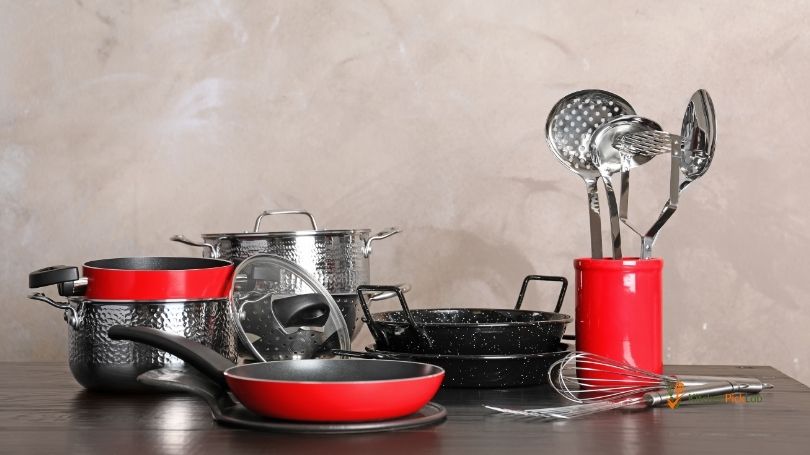
Choosing cookware can feel confusing when you are just starting. There are nonstick pans, stainless steel pans, cast iron skillets, ceramic cookware, Dutch ovens, saucepans, stockpots, and many other options. Each one looks useful, but not every piece is right for every cooking style.
The good news is that beginners do not need a huge cookware collection. You only need to understand the main types, what they are best for, and when to use them. This guide explains 7 types of cookware every beginner should understand so you can make smarter choices for your kitchen.
Quick Overview: Common Cookware Types for Beginners
| Cookware Type | Best For | Beginner-Friendly? |
|---|---|---|
| Nonstick Pan | Eggs, pancakes, delicate foods | Very beginner-friendly |
| Stainless Steel Pan | Searing, browning, everyday cooking | Moderate learning curve |
| Cast Iron Skillet | High-heat cooking, steaks, cornbread | Needs maintenance |
| Saucepan | Sauces, oatmeal, boiling small portions | Very useful |
| Stockpot | Pasta, soup, broth, large batches | Easy to use |
| Dutch Oven | Braising, stews, soups, bread | Very versatile |
| Ceramic Cookware | Low-oil cooking, easy cleanup | Beginner-friendly with care |
Read More – Top 5 Cookware Materials and What They Are Best For
Why Understanding Cookware Types Matters
Cookware affects how food cooks. The material, shape, weight, heat retention, and surface all make a difference.
For example, a nonstick pan is great for eggs, but it is not the best choice for high-heat searing. A stainless steel pan can create excellent browning, but food may stick if you do not preheat it properly. Cast iron is durable and powerful, but it needs more care than a basic nonstick pan.
Understanding cookware helps you:
- Cook food more evenly
- Avoid damaging your pans
- Choose the right pan for each recipe
- Spend money on cookware you will actually use
- Reduce frustration in the kitchen
- Build a practical beginner cookware set
1. Nonstick Pan
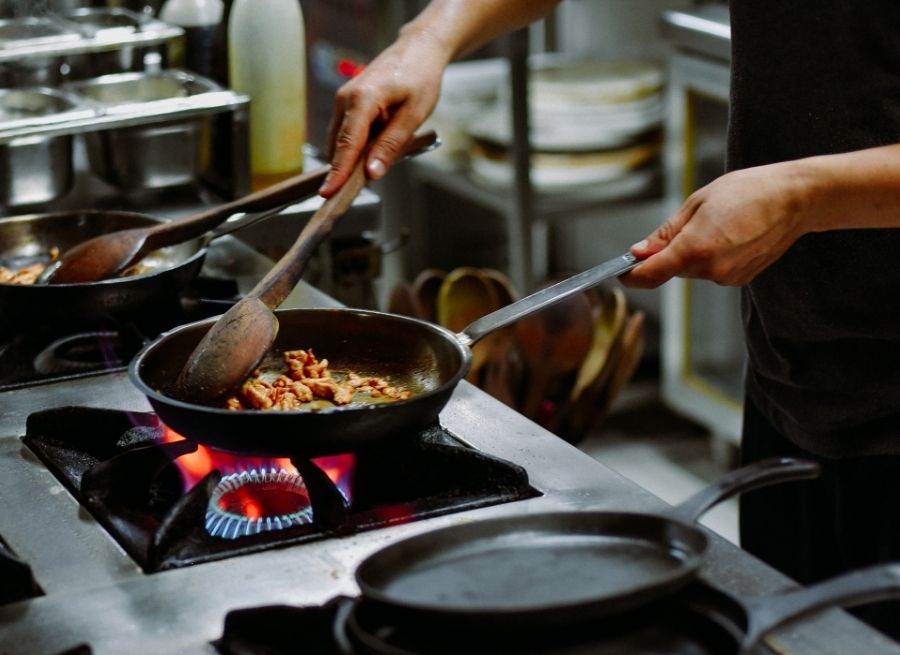
A nonstick pan is usually one of the first pans beginners buy. It has a coated cooking surface designed to prevent food from sticking.
What It Is Best For
Nonstick pans are best for foods that are delicate or likely to stick.
Common uses include:
- Eggs
- Omelets
- Pancakes
- French toast
- Fish fillets
- Grilled cheese
- Reheating leftovers
- Low-oil cooking
If you are new to cooking, a nonstick pan can make everyday meals easier because it is forgiving and simple to clean.
What Beginners Should Know
Nonstick pans are convenient, but they require gentle use. The coating can wear down if exposed to high heat, metal utensils, harsh scrubbing, or dishwasher cleaning.
To protect a nonstick pan:
- Use low to medium heat
- Avoid metal utensils
- Wash by hand when possible
- Do not use abrasive scrubbers
- Avoid overheating an empty pan
- Replace the pan if the coating starts peeling
Best Beginner Size
For most home cooks, a 10-inch or 12-inch nonstick pan is a good starting point.
A 10-inch pan works well for eggs and small meals. A 12-inch pan gives more room for family cooking.
2. Stainless Steel Pan
Read More – 5 Everyday Cookware Pieces for a Practical Home Kitchen
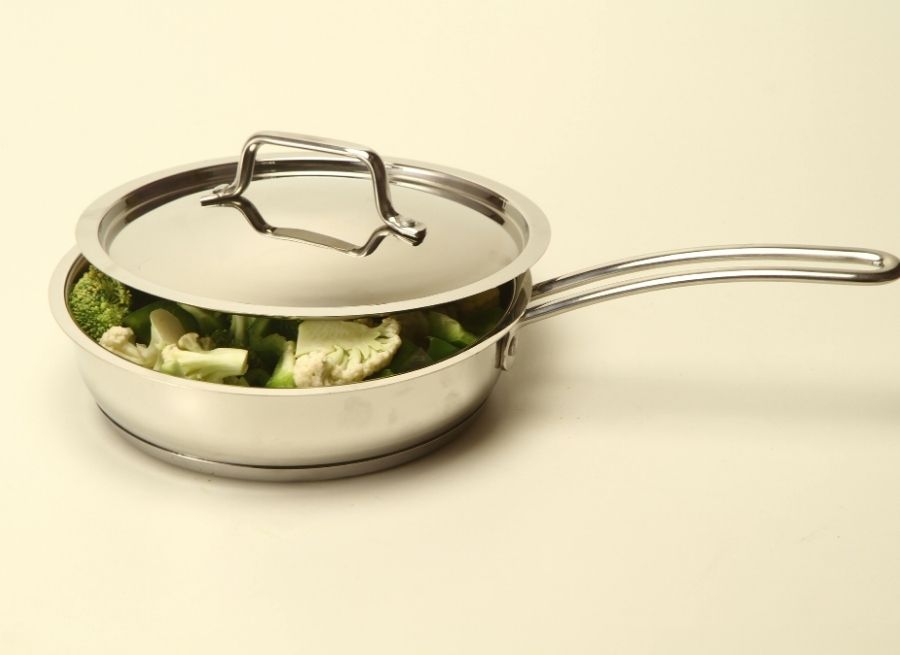
A stainless steel pan is a durable, uncoated pan often used for searing, browning, sautéing, and everyday cooking.
What It Is Best For
Stainless steel pans are great for recipes where browning matters.
Use stainless steel for:
- Chicken breasts
- Steaks
- Pork chops
- Sautéed vegetables
- Pan sauces
- Browning onions
- Searing fish with skin
- Deglazing with broth or wine
Unlike nonstick pans, stainless steel can usually handle higher heat and more intense cooking.
Why Food Sticks to Stainless Steel
Many beginners struggle with stainless steel because food can stick. This usually happens when the pan is not properly preheated or when food is moved too early.
A simple beginner rule:
Heat the pan first, add oil, then add food when the oil shimmers.
Food often releases naturally once it forms a browned crust. If you force it too early, it may tear or stick.
What to Look For
When buying stainless steel cookware, look for:
- A heavy base
- Fully clad construction if possible
- Comfortable handle
- Oven-safe design
- Good heat distribution
Stainless steel has a learning curve, but it can last for many years with proper care.
3. Cast Iron Skillet

A cast iron skillet is a heavy, durable pan known for excellent heat retention. It can go from stovetop to oven and is useful for many types of cooking.
What It Is Best For
Cast iron is best for high-heat and heat-retaining cooking.
Good uses include:
- Steaks
- Burgers
- Cornbread
- Roasted vegetables
- Fried potatoes
- Skillet chicken
- Pan pizza
- Baking rustic desserts
Cast iron is especially useful when you want deep browning or a strong sear.
What Beginners Should Know
Cast iron is extremely durable, but it needs different care than other cookware. It usually requires seasoning, which is a thin layer of oil baked onto the surface to help prevent rust and improve food release.
Basic cast iron care:
- Dry it completely after washing
- Apply a thin layer of oil after cleaning
- Avoid soaking it in water
- Do not leave acidic foods in it for long periods
- Store it in a dry place
Is Cast Iron Beginner-Friendly?
Cast iron is beginner-friendly if you are willing to learn maintenance. It is not as effortless as nonstick, but it is very reliable once you understand how to care for it.
A 10-inch or 12-inch cast iron skillet is a useful size for most kitchens.
4. Saucepan
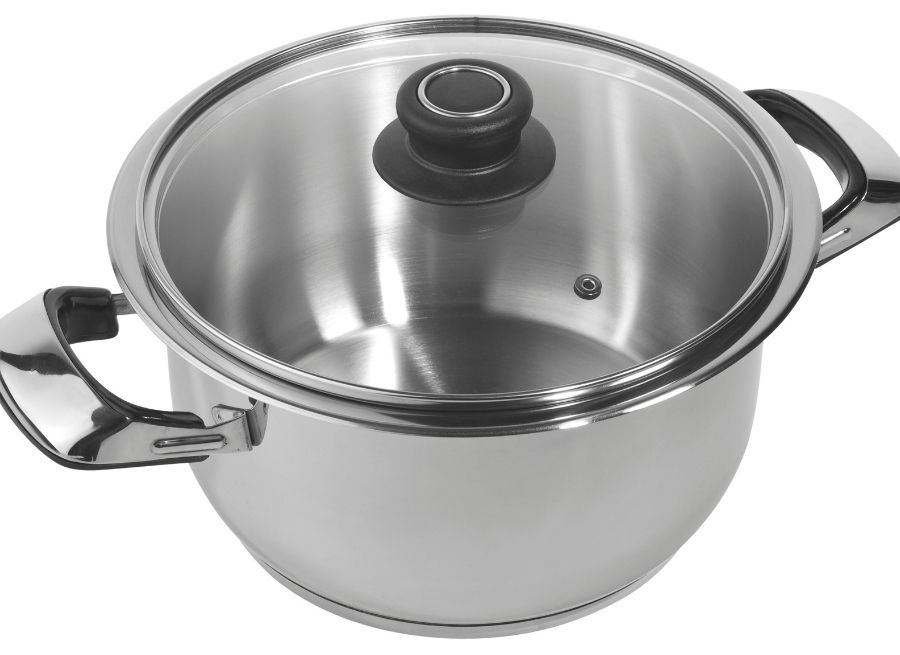
A saucepan is a deep pan with high sides and a long handle. It usually comes with a lid and is used for cooking liquids, sauces, grains, and small portions.
What It Is Best For
A saucepan is one of the most practical cookware pieces for beginners.
Use it for:
- Sauces
- Oatmeal
- Rice
- Quinoa
- Boiled eggs
- Instant noodles
- Small soups
- Hot chocolate
- Heating milk
- Steaming small portions
Because of its shape, a saucepan is better than a frying pan for liquids and foods that need simmering.
Best Beginner Size
A 2-quart or 3-quart saucepan is a good beginner choice.
- 2-quart saucepan: Good for small households, sauces, oatmeal, and boiling eggs
- 3-quart saucepan: Better for larger portions, grains, soups, and family use
If you cook often, having both sizes can be helpful. But if you are starting with one, choose a 3-quart saucepan for more flexibility.
What to Look For
A good saucepan should have:
- A sturdy lid
- Comfortable handle
- Even-heating base
- Pouring-friendly rim if possible
- Size that matches your household
A saucepan is not exciting, but it is one of the most used cookware items in many kitchens.
5. Stockpot
Read More – 6 Common Cookware Mistakes That Can Ruin Your Pans
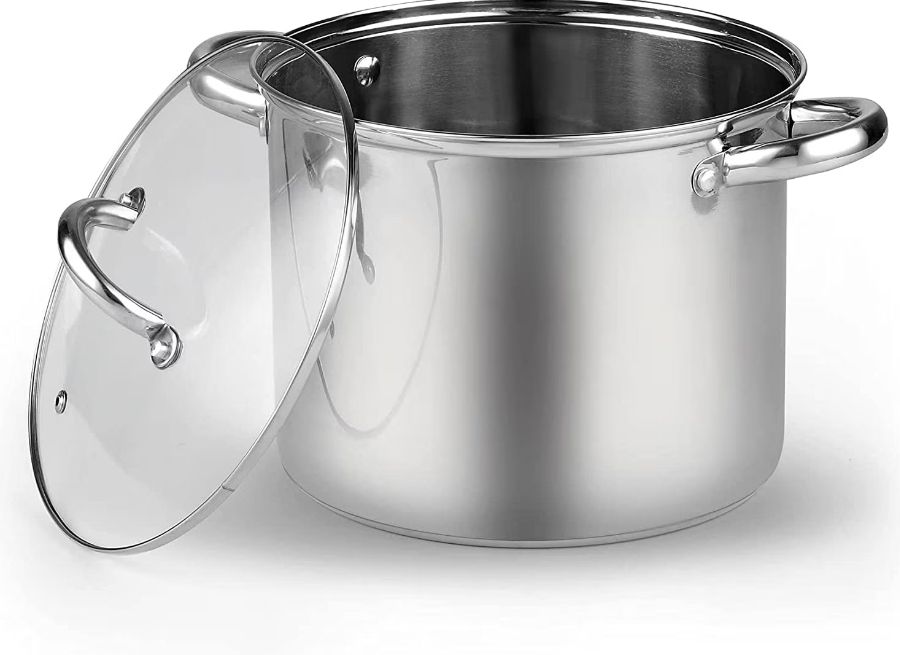
A stockpot is a large, deep pot designed for cooking big batches of food. It usually has two side handles and a lid.
What It Is Best For
Stockpots are useful when you need more volume.
Common uses include:
- Pasta
- Soup
- Chili
- Broth
- Stew
- Corn on the cob
- Boiled potatoes
- Seafood boils
- Large-batch cooking
If you cook for a family or like meal prep, a stockpot is very helpful.
Stockpot vs Saucepan
Beginners sometimes wonder if they need both a saucepan and a stockpot. They serve different purposes.
| Cookware | Best Use |
|---|---|
| Saucepan | Small portions, sauces, grains, oatmeal |
| Stockpot | Large batches, pasta, soup, broth |
A saucepan is used more often for daily cooking. A stockpot is used when you need capacity.
Best Beginner Size
A 6-quart to 8-quart stockpot is a practical size for most homes.
- 6-quart: Good for smaller families and basic pasta
- 8-quart: Better for soups, broth, and larger batches
If space is limited, choose one medium-large stockpot instead of buying multiple large pots.
6. Dutch Oven
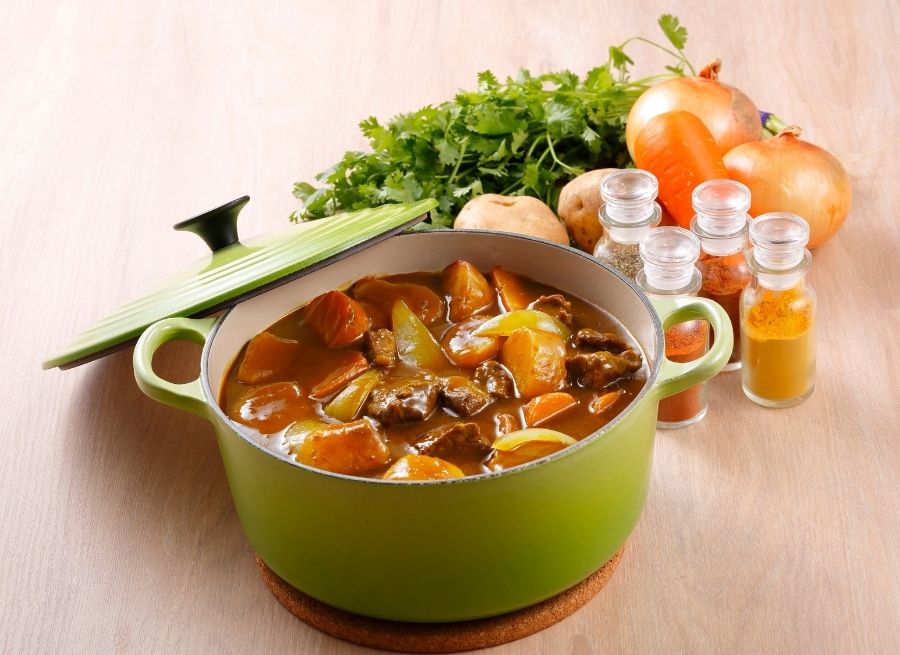
A Dutch oven is a heavy pot with thick walls and a tight-fitting lid. It is usually made from cast iron and may be coated with enamel.
What It Is Best For
A Dutch oven is one of the most versatile cookware pieces.
It works well for:
- Stews
- Soups
- Braised meats
- Chili
- Pot roast
- No-knead bread
- Deep frying
- Pasta sauces
- One-pot meals
Because it holds heat well, a Dutch oven is excellent for slow cooking and recipes that need steady heat.
Enameled vs Bare Cast Iron Dutch Oven
There are two common types.
Enameled Dutch Oven
An enameled Dutch oven has a smooth coating. It does not need seasoning and is easier for beginners.
Best for:
- Soups
- Stews
- Tomato sauces
- Braised dishes
- Everyday one-pot meals
Bare Cast Iron Dutch Oven
A bare cast iron Dutch oven needs seasoning and more maintenance. It is durable and can be used for outdoor cooking, but it requires more care.
Is a Dutch Oven Worth It for Beginners?
Yes, if you cook soups, stews, braised meals, or one-pot recipes. It can replace several other pots in many kitchens.
A 5-quart to 6-quart Dutch oven is a good size for most home cooks.
7. Ceramic Cookware
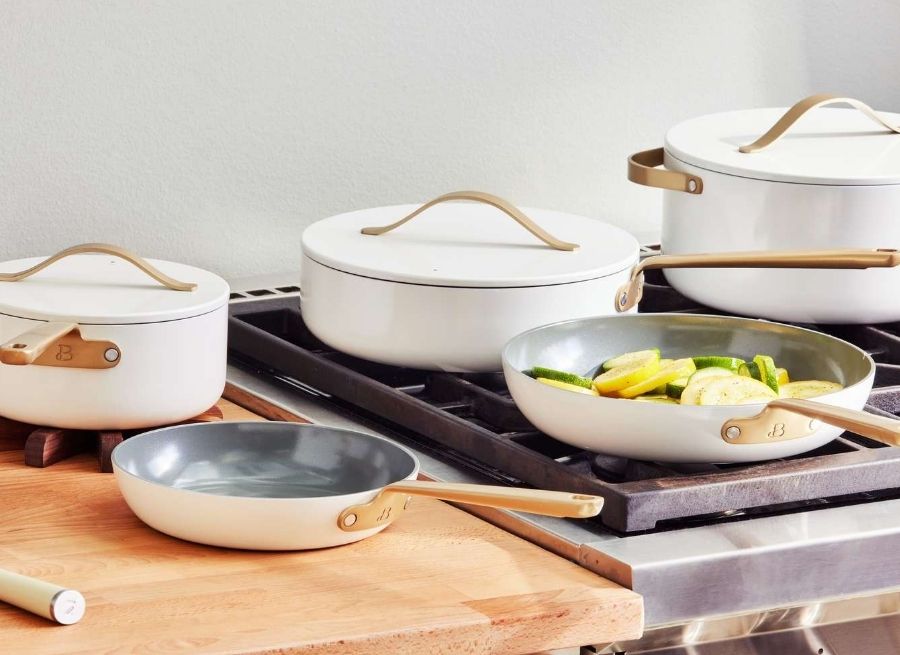
Ceramic cookware usually refers to pans with a ceramic-style nonstick coating. It is often marketed as an alternative to traditional nonstick cookware.
What It Is Best For
Ceramic cookware is useful for light everyday cooking.
Good uses include:
- Eggs
- Pancakes
- Light sautéing
- Vegetables
- Fish
- Reheating food
- Low-oil cooking
Ceramic cookware is popular because it looks clean, often comes in attractive colors, and can be easy to use.
What Beginners Should Know
Ceramic cookware is not the same as traditional ceramic pottery. Most ceramic nonstick pans have a metal body with a ceramic-based coating.
Like regular nonstick cookware, ceramic pans need gentle care.
To make ceramic cookware last longer:
- Use low to medium heat
- Avoid metal utensils
- Let the pan cool before washing
- Wash by hand when possible
- Avoid cooking sprays that can leave residue
- Do not stack without protection
Ceramic vs Traditional Nonstick
| Feature | Ceramic Cookware | Traditional Nonstick |
|---|---|---|
| Food release | Good at first | Usually very good |
| Durability | Can lose slickness over time | Varies by coating quality |
| Heat use | Low to medium heat | Low to medium heat |
| Cleaning | Easy with care | Easy with care |
| Best for | Light cooking | Eggs, pancakes, delicate foods |
Ceramic cookware can be useful, but beginners should understand that the coating may wear over time.
Beginner Cookware Buying Guide
Before buying cookware, think about how you actually cook. A beautiful set is not always the most useful choice.
Start With the Basics
A beginner does not need a 15-piece cookware set. Many pieces in large sets go unused.
A practical beginner cookware setup could include:
- 1 nonstick pan
- 1 stainless steel pan
- 1 saucepan
- 1 stockpot
- 1 Dutch oven or cast iron skillet
This gives you enough flexibility for most everyday meals.
Choose Cookware Based on Cooking Style
Different cooks need different tools.
If You Cook Simple Breakfasts
Start with:
- Nonstick pan
- Saucepan
- Small stockpot
If You Cook Meat Often
Consider:
- Stainless steel pan
- Cast iron skillet
- Dutch oven
If You Make Soups and One-Pot Meals
Choose:
- Dutch oven
- Stockpot
- Saucepan
If You Want Easy Cleanup
Look at:
- Nonstick pan
- Ceramic cookware
- Enameled Dutch oven
Think About Maintenance
Some cookware requires more care than others.
| Cookware Type | Maintenance Level |
|---|---|
| Nonstick Pan | Low |
| Ceramic Cookware | Low to moderate |
| Saucepan | Low |
| Stockpot | Low |
| Stainless Steel Pan | Moderate |
| Cast Iron Skillet | Moderate to high |
| Dutch Oven | Low to moderate, depending on type |
If you want very easy maintenance, start with nonstick, stainless steel, and a saucepan. Add cast iron later when you feel more confident.
Common Cookware Mistakes Beginners Make
Understanding what not to do can help your cookware last longer.
Using High Heat on Every Pan
High heat is not always better. Nonstick and ceramic pans can be damaged by excessive heat. Use medium heat for most cooking.
Using Metal Utensils on Coated Pans
Metal utensils can scratch nonstick and ceramic coatings. Use silicone, wood, or nylon utensils instead.
Putting Every Pan in the Dishwasher
Some cookware is labeled dishwasher-safe, but handwashing often helps pans last longer.
This is especially true for:
- Nonstick pans
- Ceramic pans
- Cast iron
- Enameled cookware
Buying a Large Set Too Early
Large cookware sets may seem like a good deal, but they often include pieces you do not need.
It is better to buy fewer, better pieces that match your cooking habits.
Ignoring Weight and Handle Comfort
A pan may look good online, but it should also feel comfortable to lift and use. Heavy cookware can be useful, but it may not be practical for everyone.
Which Cookware Type Should Beginners Buy First?
If you are starting from zero, choose cookware that covers the most common cooking tasks.
Best First Three Pieces
For most beginners, the best first three cookware pieces are:
- Nonstick pan — for eggs, pancakes, and easy meals
- Saucepan — for sauces, grains, oatmeal, and boiling small portions
- Stockpot or Dutch oven — for pasta, soup, and larger meals
These three pieces can handle many everyday recipes.
Best Upgrade Pieces
Once you cook more often, consider adding:
- Stainless steel pan
- Cast iron skillet
- Dutch oven
- Ceramic pan for light cooking
This gives you more flexibility and better cooking results.
Final Thoughts
Understanding cookware types makes cooking much easier. Each piece has a purpose, and beginners do not need to own everything at once.
The most important cookware types to understand are nonstick pans, stainless steel pans, cast iron skillets, saucepans, stockpots, Dutch ovens, and ceramic cookware. Some are easier to use, while others require more practice or maintenance.
If you are building your first kitchen, start with the basics and choose cookware based on your real cooking habits. A smart cookware collection is not about having the most pieces — it is about having the right pieces for the meals you actually make.