
Why Does My Sink Smell Bad And How Can I Fix It?
Last Updated on September 15, 2026
Have you noticed a bad smell coming from your sink and wondered why it won’t go away? That unpleasant odor can make your kitchen or bathroom feel dirty, even when everything looks clean.
The good news is, you don’t have to live with that smell. Understanding why your sink smells bad is the first step to fixing it for good. You’ll discover the common causes behind the stink and easy ways you can get rid of it fast.
Keep reading—you’ll be amazed at how simple solutions can bring fresh air back to your home.
Common Causes Of Sink Odors
Read More – How Do You Remove Stains from a Stainless Steel Pan?
Bad smells from your sink can make your kitchen or bathroom unpleasant. These odors often come from common issues inside your plumbing or sink area. Understanding these causes helps you fix the problem fast.
Food Debris And Clogs
Small pieces of food can get stuck in the drain. Over time, they build up and cause clogs. These trapped bits rot and create bad smells. Cleaning the drain regularly can stop this problem.
Bacterial Growth
Bacteria thrive in damp places like sinks. They feed on leftover food and soap scum. This bacteria produces foul odors that spread quickly. Keeping your sink clean reduces bacterial growth.
Dry P-trap
The P-trap holds water to block sewer gases. If it dries out, those gases can enter your home. This causes a strong, unpleasant smell. Running water regularly keeps the P-trap full and sealed.
Mold And Mildew
Mold and mildew grow in moist, dark areas under sinks. They create a musty, sour smell. These fungi can affect air quality and health. Wiping surfaces and improving ventilation helps prevent mold.
Garbage Disposal Issues
Food scraps can get stuck in the disposal blades. Over time, these scraps decay and smell bad. A dirty disposal also attracts bacteria. Regular cleaning and running the disposal with water clears odors.
Identifying The Source Of The Smell
Bad smells from your sink can be frustrating and embarrassing. Finding the source is the first step to fixing the problem. Smells often come from hidden places that need careful checking. Knowing where to look saves time and effort. This guide helps you find the cause of the bad odor in your sink.
Inspecting The Drain
Drain buildup often causes bad smells. Food scraps and grease stick inside the pipes. These leftovers rot over time and smell foul. Use a flashlight to look down the drain. Remove any visible debris with a tool or brush. Pouring hot water can help flush away small clogs. Clean the drain regularly to prevent odors.
Checking The Garbage Disposal
The garbage disposal can trap food bits. These bits rot and cause a bad smell. Turn off the disposal before inspecting it. Use tongs or a brush to clear any stuck food. Run the disposal with cold water to flush out debris. Adding lemon peels can freshen the smell. Clean the disposal regularly to keep it fresh.
Examining The P-trap
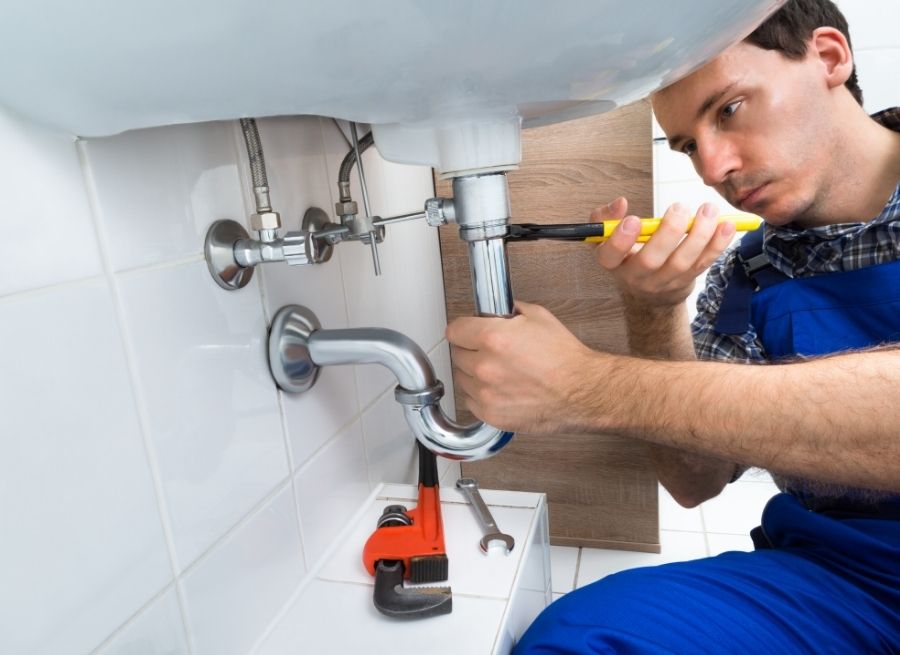
The P-trap holds water to block sewer gases. If dry or clogged, it can cause bad odors. Place a bucket under the P-trap to catch water. Unscrew the trap and check for blockages or leaks. Clear any debris and clean the trap well. Reattach the trap and run water to refill it. Keep the P-trap full to stop smells.
Looking For Hidden Leaks
Leaks under the sink can cause mold and smells. Look for damp spots or water stains under the sink. Check pipes and connections for drips or cracks. Tighten loose fittings and replace damaged parts. Dry any wet areas completely. Fixing leaks stops mold growth and bad odors.
Simple Fixes For Sink Odors
Read More – 7 Small Kitchen Appliances Every Home Cook Should Know About
Bad smells from the sink can be annoying and embarrassing. Simple fixes can clear up these odors fast. Most of the time, the problem is in the drain or pipes. A few easy steps can make your sink smell fresh again. These methods use common household items and need little effort.
Cleaning The Drain With Baking Soda And Vinegar
Pour half a cup of baking soda into the drain. Follow this with half a cup of white vinegar. Let the mixture fizz for 15 minutes. Then, flush the drain with hot water. This process breaks down grime and kills odor-causing bacteria. It is safe for all types of pipes and eco-friendly.
Flushing The Pipes With Hot Water
Boil a kettle of water. Slowly pour the hot water down the drain. This helps melt and wash away grease and soap buildup. Repeat this weekly to keep pipes clear. Hot water also stops bad smells from forming in the first place.
Maintaining The Garbage Disposal
Run the garbage disposal regularly. Add small ice cubes and lemon peels while running it. The ice cleans the blades. Lemon peels freshen the smell. Avoid putting fibrous or starchy foods in the disposal. Clean the disposal monthly with baking soda and vinegar for best results.
Keeping The P-trap Filled With Water
The P-trap holds water to block sewer gases. If it dries out, bad smells can come up. Run water in sinks that are rarely used. Pour a cup of water into the drain if the sink has not been used for days. This simple step keeps odors from escaping through the pipes.
Preventing Future Sink Smells
Stopping sink smells before they start saves time and stress. A clean sink feels fresh and inviting. Simple habits keep bad odors away and maintain a healthy kitchen or bathroom.
Regular Cleaning Habits
Clean your sink daily with mild soap and warm water. Wipe the drain area to remove food bits and grime. Use a brush to scrub the drain opening once a week. This stops buildup that causes smells.
Avoiding Food Waste Down The Drain
Never pour grease or coffee grounds into the sink. These clog pipes and create odors. Dispose of food scraps in the trash or compost bin. This keeps your drain clear and fresh.
Using Sink Strainers
Place a strainer over the drain to catch debris. Empty the strainer often to prevent rot. Strainers are cheap and easy to use. They stop food waste from entering pipes.
Scheduling Professional Plumbing Inspections
Call a plumber once a year for a checkup. They find hidden problems causing bad smells. Early fixes save costly repairs later. A professional inspection keeps your sink smelling good.
When To Call A Plumber
Sometimes, a bad smell from your sink needs more than just cleaning. A plumber’s help may be necessary to fix the problem properly. Knowing when to call a plumber saves time and stops the smell from coming back.
Persistent Odors Despite Cleaning
You clean the sink often, but the bad smell stays. This means the problem is deeper than just surface dirt. Bacteria or mold might grow inside the pipes. A plumber can check and clean these parts safely.
Signs Of Pipe Damage
Cracks or leaks in your pipes can cause bad smells. Water may leak out and create mold or mildew. You might see water stains or feel damp spots under the sink. A plumber can find and fix damaged pipes fast.
Drainage Issues
Slow or blocked drains cause water to sit in pipes. Stagnant water leads to unpleasant odors. You might hear gurgling sounds or see water backing up. A plumber can clear blockages and restore smooth drainage.
Garbage Disposal Malfunctions
Your garbage disposal can trap food particles and rot. This causes a strong, bad smell. If the disposal stops working or smells bad even after cleaning, a plumber should check it. They can repair or replace the unit if needed.
Read More – Top 6 Kitchen Appliances That Save Time in Daily Cooking
Frequently Asked Questions
Why Does My Sink Smell Bad After Washing Dishes?
Bad smells often come from food residue trapped in the drain or garbage disposal. Regular cleaning removes buildup and stops odors.
Can A Clogged Drain Cause A Foul Sink Smell?
Yes, clogged drains trap waste and moisture, creating a breeding ground for bacteria that cause bad odors.
How Often Should I Clean My Sink To Avoid Smells?
Clean your sink and drain weekly using a mixture of baking soda and vinegar to prevent odor buildup.
Does The P-trap Affect Sink Odor?
Yes, a dry or damaged P-trap allows sewer gases to escape, causing unpleasant sink smells.
Conclusion
A bad smell from your sink signals a problem that needs fixing. Clean the drain regularly to stop odors. Use baking soda and vinegar for a safe, fresh smell. Check for clogs and clear them quickly. Keep food scraps out of the drain to avoid buildup.
Simple steps can keep your sink smelling fresh and clean. Taking care of your sink prevents future bad smells. A fresh sink makes your kitchen more pleasant every day.