Can You Wax Over Ceramic Coating? The Truth About Sealants
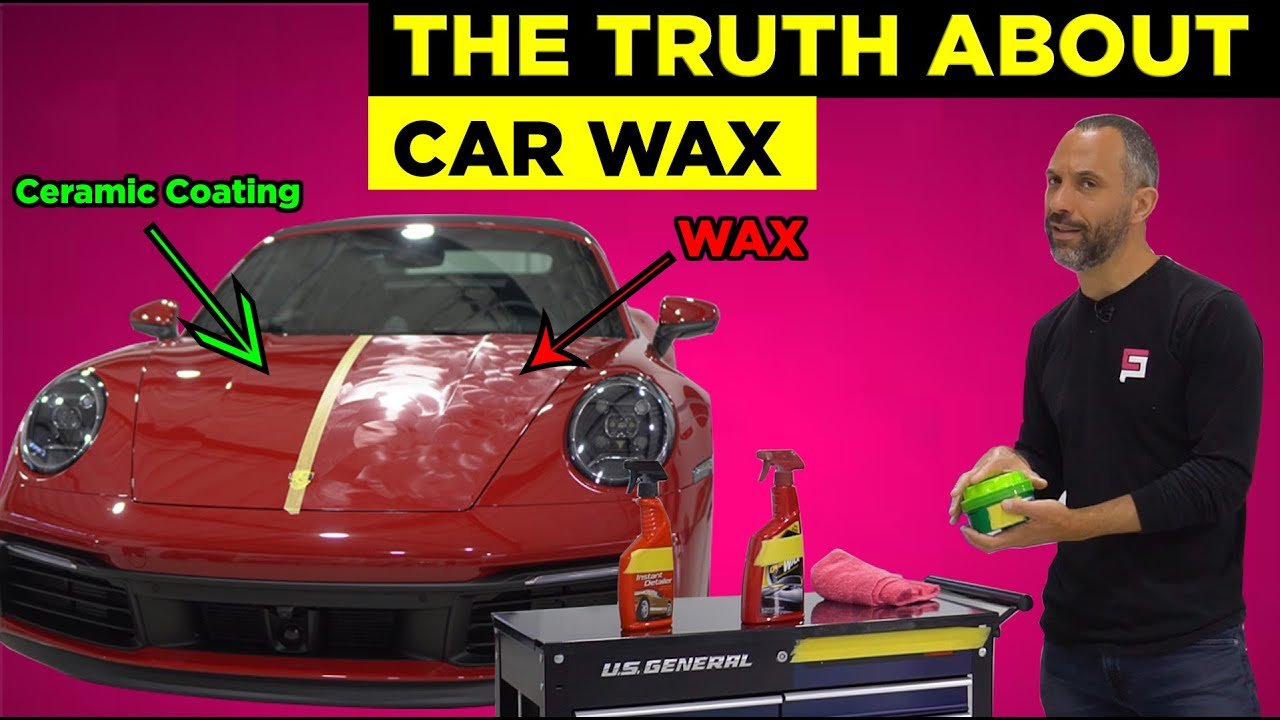
Usually not, because natural wax ruins the water-shedding performance of the glass layer beneath it. Waxing over ceramic coating creates a sticky film that attracts dirt. The one condition that flips this answer is using a dedicated silica-based spray sealant instead of an organic paste.
When waxing your ceramic coating is okay
Your paint’s top layer dictates whether applying an extra product helps or harms the surface.
| Your situation | Answer | Why |
|---|---|---|
| Fresh ceramic cured under 30 days | No | Solvents disrupt the chemical bonding process |
| Fully cured ceramic needing shine | No | Carnauba masks the slick hydrophobic layer |
| Ceramic showing light water spots | No | Wax traps minerals against the clearcoat |
| Ceramic losing water beading | Yes | Dedicated ceramic booster restores surface tension |
| Dull car without any coating | Yes | Bare clearcoat bonds well with wax |
| Coating past its stated lifespan | Yes | Worn coating no longer rejects paste |
Surface chemistry and bonding
Surface energy decides whether a topper stays on your paint or slides off during the next rinse. Ceramic coatings use silicon dioxide ($SiO_2$) or silicon carbide ($SiC$) that cures into a rigid, non-porous glass shield. This tight molecular structure creates an ultra-slick, low-energy surface that forces liquids to roll off rather than stick. Natural carnauba paste needs a porous surface like bare paint resin to latch onto. The glass shell repels wax, so it sits loosely on top.
A trade-off happens immediately: you gain a warm, oily glow, but you lose the self-cleaning traits of the glass shell. Wax softens quickly in direct summer heat and traps road dust, soot, and pollen. This ruins the primary reason you paid for a coating: keeping the car clean with simple water rinses. Harsh solvents in paste waxes can degrade thin coatings. Check your coating’s label for chemical resistance ratings.
Safer ways to boost gloss
If you want deeper gloss and slickness without ruining your coating, choose an alternative maintenance method instead of paste wax.
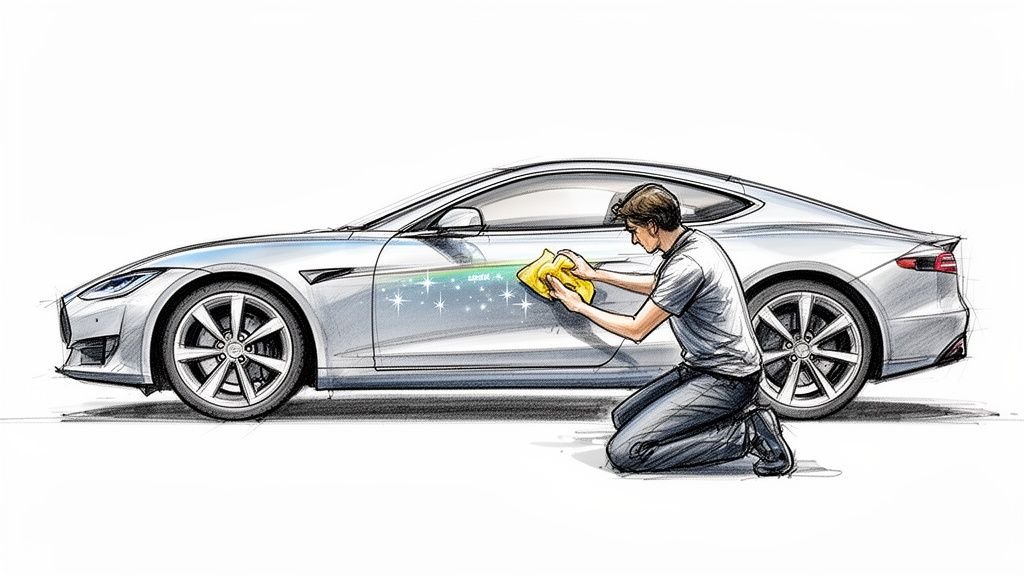
- Spray an SiO2 booster: Apply two mists of ceramic topper spray per panel after washing, then wipe dry with a clean microfiber towel. This option isn’t for cars with bare, untreated paint that need heavy defect filling.
- Wash with ceramic-infused shampoo: Foam the vehicle using a dedicated pH-balanced wash that leaves behind trace polymers as you rinse. This option isn’t for vehicles with heavy mud build-up that need harsh alkaline degreasers first.
- Use a quick detailer for coatings: Mist three sprays onto a panel to lift dust and fingerprint smudges between your regular washes. This option isn’t for dirty panels that have dried road grime or abrasive sand.
The solvent damage problem
Applying paste wax over fresh coating ruins the installation. Most paste waxes contain petroleum distillates. These solvents dissolve unbonded resin, leaving dull streaks. Fixing this mistake requires expensive machine polishing to strip the layer. For workplace and chemical handling rules, OSHA standard 1910.1200 regulations require chemical makers to list every hazardous solvent right on the container label.
When to stop and get help
- The paint surface feels rough like sandpaper after washing, which means embedded fallout needs professional clay decontamination.
- You see uneven, rainbow-colored high spots across the panel, showing that the underlying base coat failed to level out.
- The clearcoat shows deep swirl marks or scratches beneath the coating, which requires multi-stage rotary compounding before applying any new protection.
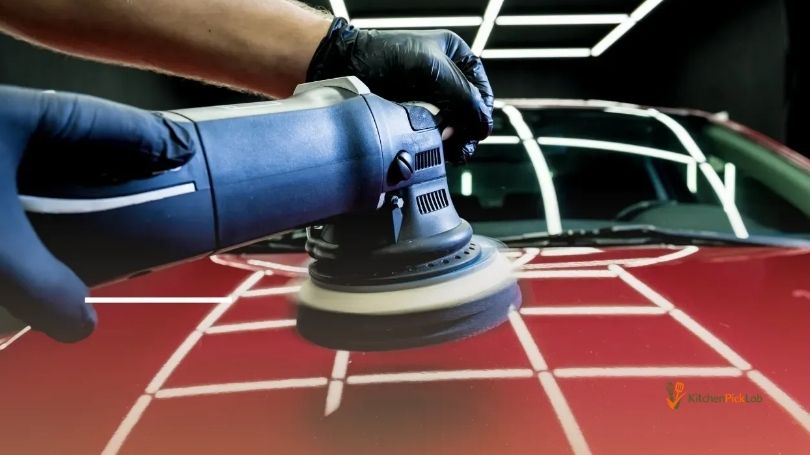
Removing high spots or correcting defective paint requires a dual-action polisher and paint depth gauges. At this stage, stop working and hire an IDA-certified automotive detailer to fix the clearcoat safely.
Frequently asked questions
Can carnauba wax hurt my ceramic coating?
No, carnauba won’t permanently dissolve a fully cured coating, but its carrier solvents can weaken weaker consumer sprays. It smothers the slick glass layer beneath a greasy film. This film lowers your water beading and makes road dust stick to your vehicle much faster than normal.
Why won’t wax stick to my coated car?
Wax won’t stick because cured silicon dioxide produces an extremely low surface energy that repels organic materials. The slick glass barrier prevents the wax from grabbing the clearcoat.
How long should I wait before washing a new coating?
Wait seven full days before washing your car with any water or soap. A new ceramic layer needs about 168 hours to cross-link completely with your clearcoat. Washing too early introduces water spots or scratches while the resin remains soft and vulnerable to pressure.
Is it safe to use spray wax on ceramic?
Yes, but only if the spray uses synthetic polymers or silica instead of carnauba. Traditional spray waxes still leave an organic residue that clogs the coating’s pores. Check the bottle label to make sure the formula says it’s ceramic-safe before you spray it onto your clean panels.
What happens if I put paste wax on ceramic?
The car will look cloudy because the paste smears across the slick surface without drying evenly. You’ll notice that water sheets off slowly rather than beading up tightly. Removing that smeary paste requires washing the car with a strong wax-stripping soap.
Does a ceramic booster replace regular car wax?
Yes, a ceramic booster replaces car wax completely for protected paint. It adds a microscopically thin layer of synthetic silica that bonds directly to the existing coating. This refresh restores slickness and tight water beading without leaving sticky organic residues behind.
What to do next
Wash your vehicle thoroughly with clean water and a pH-neutral car soap, then dry it with a plush drying towel. Expect water to bead tightly and roll off the hood instantly if your protective coat remains healthy. If water pools flat on the clean paint or clings to the panels, contact a professional detailer to inspect the surface.
Related guides