
Can Orange Peels Go In Garbage Disposal?
Yes, but only in small pieces and with a steady stream of cold water running. Whether orange peels can go in a garbage disposal comes down to quantity, because putting a whole orange skin in at once will jam the grinding ring immediately. Cut peel scraps into one-inch chunks before dropping them into the drain.
When orange peels belong in the disposal
The table below shows when citrus rinds are safe to grind and when they will cause a plumbing problem.
| Your situation | Answer | Why |
|---|---|---|
| Peels cut into one-inch strips | Yes | Blades easily catch smaller pieces |
| Whole unpeeled orange rind | No | Tough rind wraps around grind ring |
| Peels fed while running cold water | Yes | Flushes pulp through the P-trap quickly |
Citrus rind thickness and motor torque
Motor strength and skin toughness decide whether your sink handles citrus rinds. Citrus skins have a leathery outer layer called the flavedo and a spongy inner wall called the albedo. This white inner pith is packed with fibrous strands that don’t break down like soft fruit flesh.
When you push a large peel into the grind chamber, the spinning shredder ring can’t chop through the tough fibers quickly. Instead of turning into fine pulp, the rind wedges tightly between the impellers and the outer grind wall, causing the motor to hum and stall out. Feeding small citrus rinds freshens the grind chamber, but you must run cold tap water to keep particles moving. This varies by model — check the label on your unit under the sink to confirm its horsepower rating before trying tough foods. Units rated at 0.5 horsepower or lower easily bog down, while larger 0.75 or 1.0 horsepower units slice through rinds without slowing.
While small peels leave your drain smelling clean, the extra run time increases wear on the cutting teeth.
If your motor is 0.5 horsepower or higher, you can grind small pieces; if it is 0.33, compost them instead.
How to grind citrus peels safely
Follow these steps to safely grind your fruit rinds without clogging your drain or stalling the motor.
- Cut the peel into 1-inch squares. Slicing the tough skin keeps the fibrous pith from tangling around the impellers, which shows you have pieces ready for a clean cut.
- Turn on the cold water tap fully. Running cold water keeps the motor cool and helps flush the shredded particles through the pipe.
- Switch on the disposal unit. Let the unit reach full operating speed before feeding any scraps, which you can tell when the hum levels out into a steady pitch.
- Drop two or three peel pieces into the drain. Adding pieces slowly keeps the motor from dropping speed, which you’ll hear as the blades chop cleanly without straining.
- Listen for the grinding sound to stop. The motor noise will turn from a loud chopping sound back into a smooth, empty hum once the rinds clear the chamber.
- Let the water run for 10 seconds more. Keeping the cold tap open flushes all shredded pulp out of your P-trap and into the main drain line, leaving the sink completely clear.
Jamming the impellers with whole skins
Shoving a whole, uncut half-rind down the drain at once is the single most common mistake. People expect the blades to slice through it easily, but the leathery skin slips under the shredder plate instead.
Avoid this by ensuring no food scrap is larger than a postage stamp before turning the unit on.
When to stop and get help
Stop using the unit immediately if you notice any of these signs:
- The unit hums loudly but the blades don’t spin, which means the motor is jammed against the wall.
- Water backs up into the sink basin when running the tap, showing a deep clog in your waste pipe.
- The disposal leaks water from the bottom casing, which indicates broken inner seals that expose electrical parts to liquid.
- You smell burning plastic or electrical wiring near the sink cabinet, which points to motor damage.
Working inside the motor casing or fixing internal leaks requires a licensed plumber or appliance technician. Stop working on the unit yourself if resetting the bottom breaker switch fails to restore normal operation.
Frequently asked questions
Can you put lemon peels down the garbage disposal?
Yes, but you must cut them into small pieces first. Lemon rinds behave just like orange peels inside the unit. They contain tough, fibrous walls that can wedge between the spinning ring and shredder teeth. Feed only two small squares at a time while cold tap water runs.
Can orange peels damage my pipes?
Yes, if you feed large quantities into the drain at the same time. Thick rinds don’t turn into liquid; they break into dense, pulpy mush. If that mush hits cold pipe walls without enough water pressure behind it, the pulp forms a solid plug inside the trap.
Why does my garbage disposal hum when I put peels in?
A hum means the motor has power, but the shredder ring is physically jammed. Leathery citrus skins can slide between the impeller and the grind ring, stopping the rotor. Turn off the wall switch immediately to protect the motor windings from burning out under the strain.
What happens if you run hot water with orange peels?
Always run cold tap water to help flush food particles through the drain.
How long should I run water after grinding peels?
Run the cold tap for 10 to 15 seconds after the grinding sound ends. This extra flow carries the fine rind particles all the way past the sink trap and into your home’s main sewer line. Shutting the tap off too fast leaves heavy pulp resting in the pipe.
Does grinding orange peels sharpen garbage disposal blades?
No, because garbage disposals use blunt impellers, not sharp knife blades. The spinning impellers work by slinging food scraps against an outer grind ring to smash them apart. Citrus peels clean away sour odors, but they don’t alter the metal edges of the impellers.
What to do next
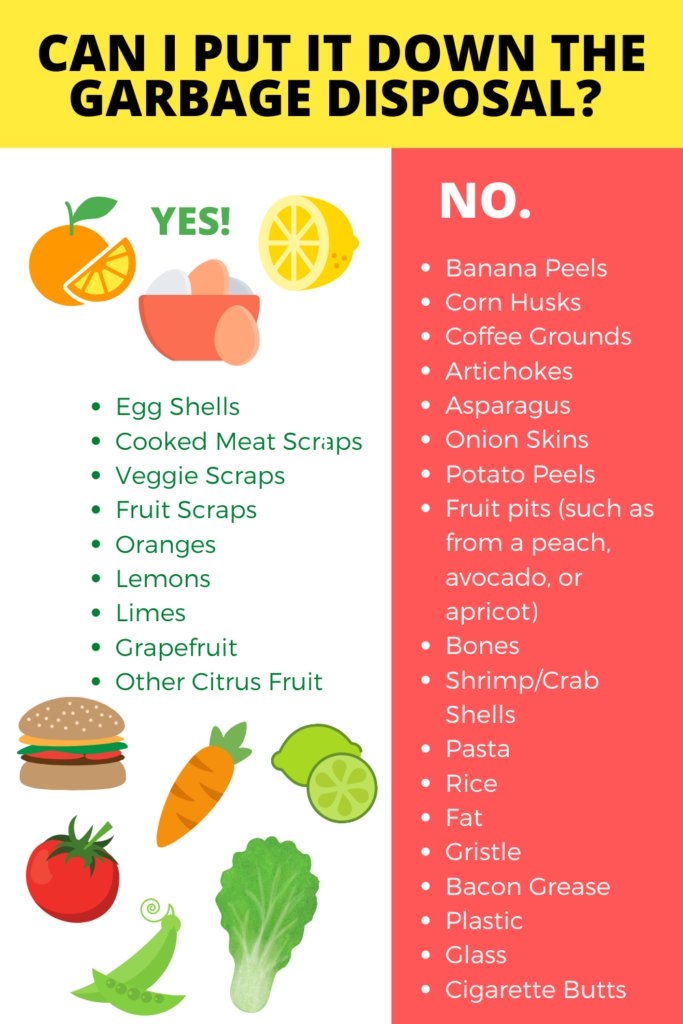
Slice your citrus rind into small pieces before you put anything down the kitchen sink drain. Turn on your cold water tap, switch on the disposal unit, and listen for a steady, smooth hum that shows the food pulp cleared your pipe completely. If the motor stops spinning and only makes a dull buzzing noise, shut the wall switch off and call a plumber.
Final Thoughts
Using citrus scraps is a great way to freshen your sink, but don’t make it a daily habit. Over time, the fibrous oils can build up and cause clogs. It’s better to toss the bulk of your peels into the compost bin, where they’ll be much more useful for your garden.