
Can Stainless Steel Turn Your Skin Green? The Real Answer
No, pure stainless steel won’t turn your skin green. The real explanation is that genuine steel lacks the high copper content required to cause that specific chemical reaction. A mark only appears if the item is cheaply plated with a base metal underneath. Take off the jewelry right now to check the inside band for a metal quality stamp.
When stainless steel turns skin green
Your skin color changes depending on the exact alloy touching your body.
| Your situation | Answer | Why |
|---|---|---|
| Wearing 316L surgical stainless steel | No | Contains high chromium and no reactive copper |
| Wearing 304 grade stainless steel | No | Resists sweat corrosion without leaving colored salts |
| Wearing steel-plated copper or brass | Yes | Thin surface plating wore away completely |
| Wearing jewelry with green residue buildup | Yes, but | Trapped soap and body grime caused discoloration |
| Sweating heavily under a tight band | No | Moisture may redden skin but creates no green |
| Wearing mystery metal bought online | Yes | Base core metal oxidizes against body acids |
Metal chemistry and oxidation
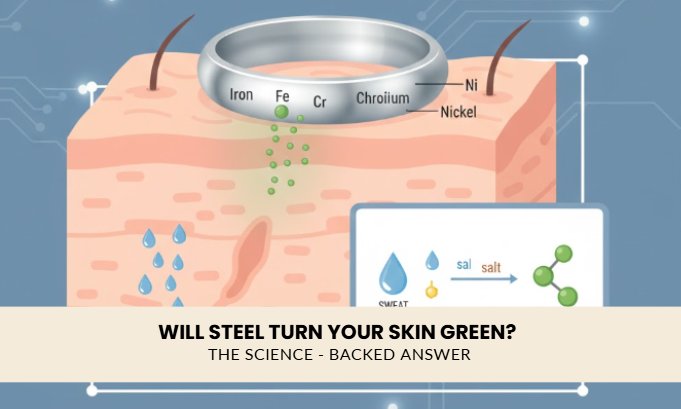
Chromium content is the primary factor that decides whether a metal marks your body. Real stainless steel contains at least 10.5 percent chromium. When chromium contacts oxygen, it creates an invisible, microscopic shield called chromium oxide. This protective barrier stops the iron inside the steel from rusting and blocks personal sweat from reacting with the metal.
Green skin comes from copper oxidation, not steel. When sweat acids mix with raw copper, brass, or low-grade bronze, they create copper carbonate salts. Those chemical salts transfer directly onto skin, leaving a bright green ring. Genuine jewelry alloys like 304 and 316L grades don’t contain enough copper to trigger this discoloration.
Some stainless alloys do carry nickel to keep the metal strong. While nickel can trigger an itchy allergic rash, it leaves red bumps rather than green stains. Skin reactions to base metals often involve contact dermatitis, which the Mayo Clinic contact dermatitis guide identifies as an immune response to irritants or allergens like nickel. A simple trade-off exists between cost and purity: budget jewelry saves money upfront, but thin coatings rub off quickly against salty human sweat. If your jewelry piece is made of solid stainless steel, then your skin stays clean; if the piece contains a hidden copper core, then green stains will appear.
Steps to clean jewelry safely
- Inspect the inner band under a bright lamp for engraved stamps like “316L” or “Steel”.
- Mix mild dish soap using two drops of liquid soap in eight ounces of warm water.
- Scrub the entire piece using a soft-bristled baby toothbrush for two minutes.
- Rinse with tap water by holding the item under running warm water for thirty seconds.
- Dry the item thoroughly with a clean microfiber cloth for one full minute.
This routine isn’t for delicate soft gems like pearls or opals, which can be easily scratched or damaged by scrub brushes.
Trusting cheap jewelry labels
Shoppers often make the mistake of trusting product descriptions on ultra-cheap retail marketplaces. Sellers label rings as “stainless steel” when the items actually use cheap brass cores coated with a steel-colored flash film.
This error costs consumers a small amount on useless replacement accessories, along with ruined shirts and stained hands. An honest limit applies here: alloy recipes vary by manufacturer, so you must check the physical item for quality markers instead of reading web listings. Buy only from reputable jewelers who clearly list the exact steel grade on the product packaging.
When to stop and get help
Stop wearing the jewelry immediately and consult a doctor if you spot these warning signs: * Severe skin itching, because it indicates a true metal allergy rather than harmless skin staining. * Raised blisters or cracked skin, which signal open sores that can invite bacterial infections. * Swelling around the finger, as restricted blood flow requires emergency ring removal with specialized tools.
A licensed dermatologist handles severe contact dermatitis, while an urgent care clinic can cut off stuck rings safely.
Why did my stainless steel ring leave a dark mark?
Tarnish-like dark marks usually come from trapped dust, soap scum, or hand lotions caught beneath wide bands. When sweat mixes with these cosmetic residues, a dark paste rubs off onto skin. Wash the ring thoroughly with mild soap to remove that residue completely.
Can sweat cause stainless steel to discolor your skin?
No, sweat alone can’t force pure stainless steel to turn skin green. Human sweat only reacts with copper-heavy alloys to generate green copper carbonate salts. If your finger turned green during a workout, your ring contains an unsealed base metal beneath a fake outer layer.
Is the green stain on my skin harmful?
No, the green stain itself is harmless surface discoloration caused by copper salts. It will wash off completely with warm water and soap within a few days. The mark doesn’t mean you have an infection, a blood illness, or a serious metal poisoning issue.
How long does green skin discoloration last?
Green skin marks usually disappear in 24 to 48 hours with normal daily showering. You can speed up the removal process by gently rubbing your skin with rubbing alcohol or micellar cleansing water. The stain fades once the top layer of dead skin cells sheds naturally.
Does 316L surgical steel ever turn skin green?
No, 316L surgical stainless steel will never cause green skin stains under any standard daily condition. This medical-grade alloy contains elevated molybdenum levels to halt corrosion from body fluids. If an item claimed to be 316L turns your skin green, the seller lied about the alloy.
What happens if I coat the ring with clear nail polish?
Applying clear nail polish creates a temporary physical barrier that blocks skin oils from touching reactive metal. While this stops green stains for a few days, the lacquer chips quickly and traps sweat beneath rough edges. It’s a messy temporary fix, not a permanent solution.
What to do next
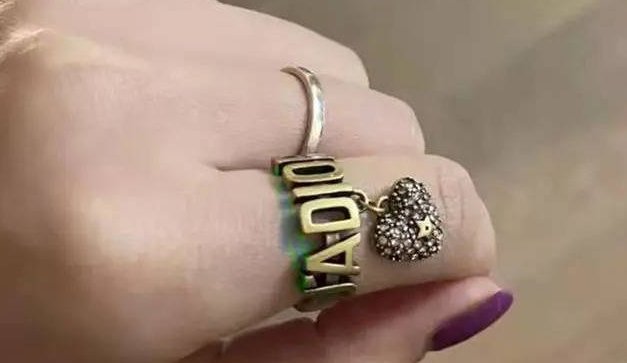
Wash your stained skin with warm water and a dime-sized drop of liquid soap right now. You should expect the green stain to lighten noticeably within one minute of gentle scrubbing. Stop wearing the accessory immediately and check with a doctor if your skin develops burning sensations, weeping blisters, or itchy hives.
Final Thoughts
If you’re still worried about a reaction, try painting the inside of your ring with a thin layer of clear nail polish. It’ll create a safe barrier between the metal and your skin. You shouldn’t have to deal with those pesky marks anymore, so go ahead and enjoy your favorite accessories.
Related guides