Can Corningware Go In The Oven? Safety Rules for Every Dish
Yes, but with strict rules. Can Corningware go in the oven? The answer depends entirely on the material your specific dish is made from. Pyroceram handles extreme oven heat, but standard stoneware will crack if you shock it. Check the stamped bottom of your dish right now before you turn on your oven to see what material you have.
When you can put Corningware in the oven
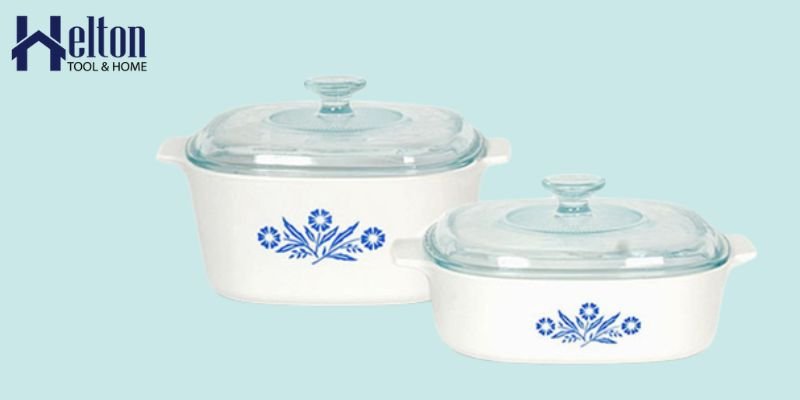
The base material and accessories dictate exactly how much heat your cookware can handle safely.
| Your situation | Answer | Why |
|---|---|---|
| Vintage Pyroceram base | Yes | Pyroceram handles extreme thermal shock |
| Modern stoneware baker | Yes | Safe up to labeled oven limits |
| Clear glass Pyrex lid | Yes | Safe up to standard baking heat |
| White plastic storage lid | No | Plastic warps and melts quickly |
| Dish with hairline crack | No | Heat stress shatters damaged ceramic |
| Broiler setting turned on | No | Direct heat element causes uneven stress |
The base material
The original line uses a glass-ceramic material called Pyroceram, developed by Corning Glass Works. Pyroceram has near-zero thermal expansion, meaning rapid temperature swings don’t force the material to expand or shatter. Modern pieces sold under the brand name are typically glazed stoneware, which expands and contracts much more when heated.
Stoneware needs gentle heat changes. Placing cold stoneware into a hot oven creates uneven tension across the clay body, causing it to break. Pyrex glass covers tolerate normal baking temperatures, but plastic lids melt near heating elements.
There’s also a clear trade-off: vintage glass-ceramic survives direct freezer-to-oven transitions, but it chips more easily on granite counters than modern stoneware. Keep in mind that safe limits vary by piece, so read the stamp pressed into the underside of the base. If your dish is Pyroceram, it can take high heat; if your dish is stoneware, keep it under 400°F and preheat the oven fully first.
Safe oven baking
If you’re cooking with a safe, undamaged ceramic dish, follow these steps to keep the piece intact.
- Check the bottom stamp to verify it states oven-safe ceramic or glass-ceramic. You’ll see clear lettering specifying oven use.
- Bring cold food close to room temperature for 15 minutes before cooking if using stoneware. The dish will feel slightly cool, not freezing cold.
- Preheat the oven completely before sliding the dish onto the center rack. The preheat alert will sound, ensuring no direct heating elements stay constantly on.
- Use dry cloth potholders to handle the dish when it finishes baking. A firm grip without slipping confirms the pads are dry.
- Place the hot baker on a dry trivet or wooden cutting board. The dish will rest flat without touching cold granite, metal, or water.
This method isn’t for broiler recipes, open grills, or toaster ovens.
The cold counter mistake
The most common mistake is placing a hot dish straight onto a cold or wet countertop. When 350°F ceramic hits a cold granite slab or a puddle of water, thermal shock occurs instantly. The base contracts faster than the sides, which shatters the dish across your kitchen. This costs you the meal, the dish, and hours cleaning dangerous glass shards. You can avoid this by setting a dry cloth pad or wooden board on the counter before opening the oven door.
When to stop and get help
Some cookware problems can’t be worked around safely:
- Deep scratches or chips along the rim, which expand under oven heat and snap the piece.
- Fine hairline cracks running through the base, which can propagate and cause the dish to fail under thermal stress.
- Missing bottom stamps with unknown clay origins, which risk sudden failure at high heat.
Stop using damaged bakeware immediately. When a piece cracks, don’t attempt to glue it back together; throw it away or repurpose it as a planter.
Frequently asked questions
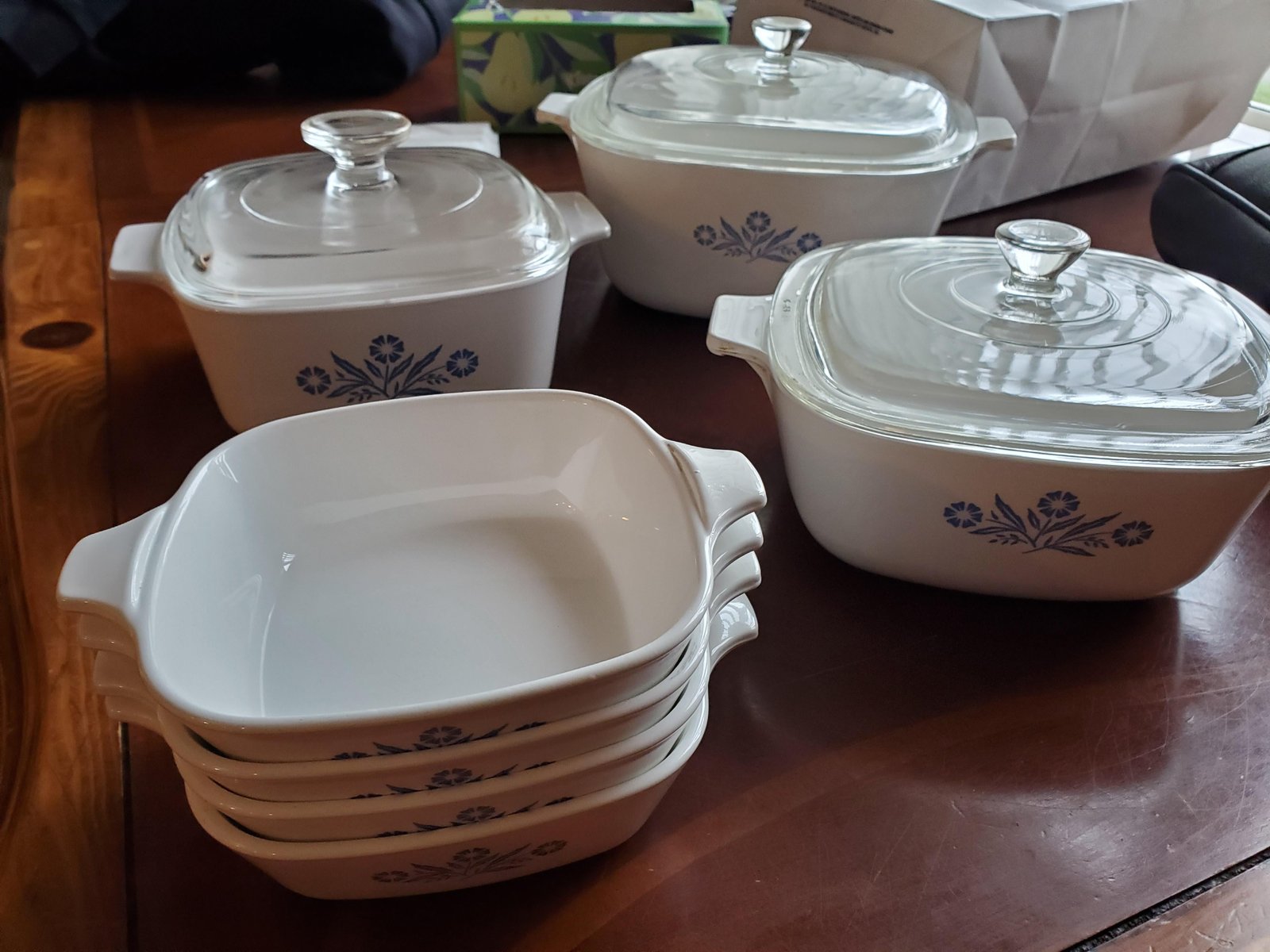
Can you put vintage Corningware in the oven?
Yes. Vintage pieces made of Pyroceram handle standard baking temperatures easily. They withstand higher temperatures than modern stoneware lines, provided the glass-ceramic has no cracks, deep scratches, or chips along the edges.
Can Corningware glass lids go in the oven?
Yes, up to 350°F. Original Pyrex glass lids tolerate moderate baking, but sudden temperature shifts will shatter them. Never put cold lids into hot ovens or rest hot lids on cold surfaces.
Can Corningware go under the broiler?
Usually not. Modern stoneware cracks under direct, concentrated broiler heat. No. CorningWare, including vintage Pyroceram, isn’t designed for use under a broiler.
Can Corningware go from the freezer to the oven?
Only vintage Pyroceram can handle this transition. Modern stoneware will crack from thermal shock if heated directly from frozen. Thaw frozen meals in the refrigerator first when using stoneware containers.
Why did my Corningware dish crack in the oven?
Uneven thermal expansion caused the failure. Putting cold ceramic into an oven can cause thermal shock due to the rapid temperature change.
What is the maximum oven temperature for Corningware?
Most modern stoneware bakers safely handle temperatures up to 400°F. Vintage Pyroceram bases tolerate significantly higher baking heat, but the exact limit depends on whether you bake with or without the glass lid.
What to do next
Read the manufacturer stamp on the underside of your baker to identify whether it’s stoneware or Pyroceram. Expect even baking results with no cracking when you place your dish inside a fully preheated oven. If you notice any hairline cracks running through the ceramic body, stop using the piece immediately and replace it.