Top 5 Prep Tools That Make Cooking Easier
Last Updated on September 9, 2026
Cooking becomes much easier when your prep work is simple. Before food reaches the pan, oven, or plate, most recipes require washing, cutting, peeling, measuring, mixing, or organizing ingredients. That preparation step can take more time than the actual cooking.
The right prep tools can help you move faster, stay organized, and reduce kitchen frustration. You do not need a drawer full of gadgets, but a few practical tools can make everyday cooking smoother.
In this guide, we’ll look at the top 5 prep tools that make cooking easier, why they are useful, and what beginners should know before choosing them.
Quick Overview: Best Prep Tools for Easier Cooking
| Prep Tool | Best For | Why It Helps |
|---|---|---|
| Chef’s Knife | Chopping, slicing, mincing | Handles most cutting tasks |
| Cutting Board | Safe food preparation | Protects counters and keeps prep organized |
| Vegetable Peeler | Peeling fruits and vegetables | Saves time and reduces waste |
| Mixing Bowls | Mixing, holding, organizing ingredients | Keeps prep clean and efficient |
| Measuring Cups and Spoons | Accurate cooking and baking | Helps recipes turn out consistently |
Why Prep Tools Matter in Everyday Cooking
Prep tools are the items you use before and during cooking to get ingredients ready. They may seem simple, but they affect speed, safety, and consistency.
Good prep tools can help you:
- Cut ingredients more safely
- Save time during meal preparation
- Keep your cooking area organized
- Reduce mess on the countertop
- Measure ingredients more accurately
- Make recipes easier to follow
- Cook with more confidence
Many beginners focus on appliances and cookware first, but prep tools are just as important. A sharp knife, stable cutting board, and useful mixing bowls can make even basic meals easier.
1. Chef’s Knife
Read More – 5 Essential Kitchen Tools Every Home Cook Needs
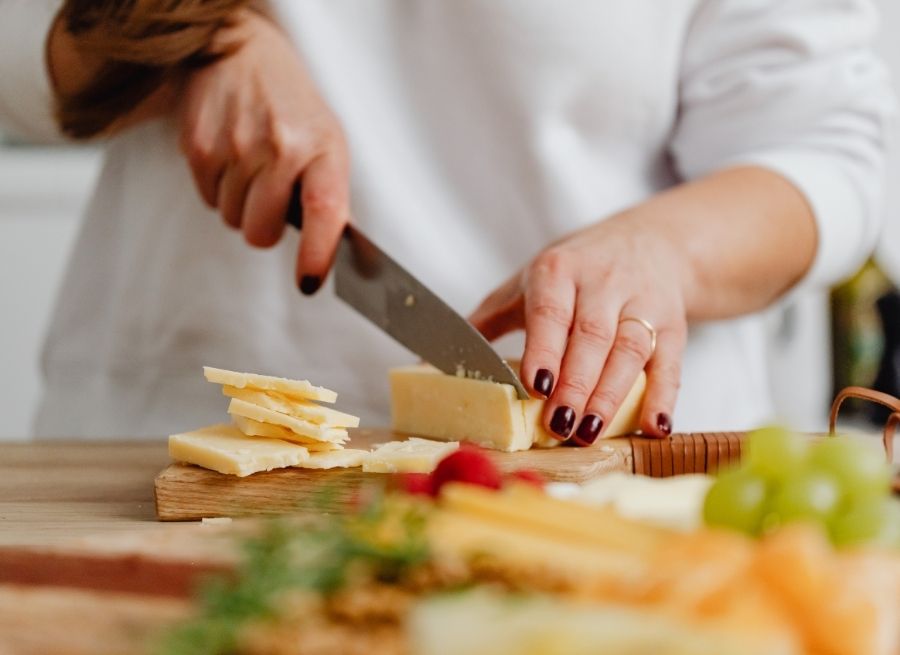
A chef’s knife is one of the most important prep tools in any kitchen. It is designed for a wide range of cutting tasks, from slicing vegetables to chopping herbs and trimming meat.
What a Chef’s Knife Is Best For
A chef’s knife can be used for:
- Chopping onions
- Slicing tomatoes
- Cutting potatoes
- Mincing garlic
- Chopping herbs
- Trimming meat
- Cutting fruits
- Slicing cooked chicken
- Crushing garlic cloves
For most home cooks, a chef’s knife is the main knife used every day.
Why It Makes Cooking Easier
A good chef’s knife reduces prep time because it can handle many different jobs. Instead of switching between several small knives, you can use one reliable knife for most tasks.
A sharp chef’s knife also makes cutting safer. Dull knives require more pressure and are more likely to slip.
What Beginners Should Look For
When choosing a chef’s knife, consider:
- Size: An 8-inch chef’s knife is the most common and versatile size.
- Comfort: The handle should feel secure and comfortable in your hand.
- Weight: Some people prefer heavier knives, while others like lighter ones.
- Blade material: Stainless steel is common and easy to maintain.
- Balance: The knife should not feel too blade-heavy or handle-heavy.
You do not need the most expensive knife when starting. A comfortable, sharp, well-balanced chef’s knife is enough for everyday cooking.
Simple Care Tips
To keep a chef’s knife in good condition:
- Wash it by hand
- Dry it immediately
- Avoid putting it in the dishwasher
- Use it on a proper cutting board
- Sharpen or hone it regularly
- Store it safely in a block, sheath, or magnetic strip
A chef’s knife is worth investing in because it is used so often.
2. Cutting Board
Read More – 6 Useful Kitchen Utensils for Everyday Cooking
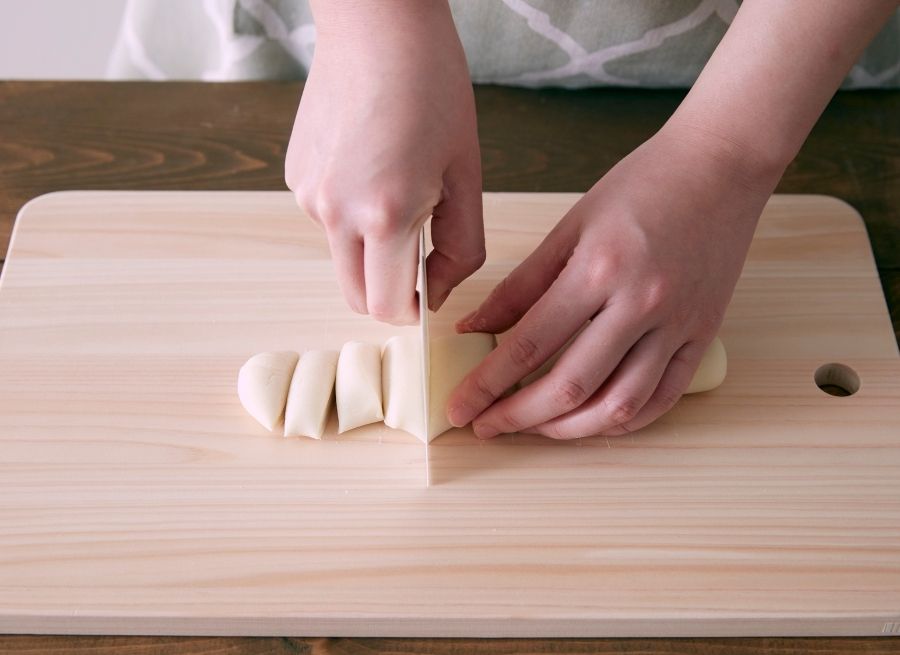
A cutting board gives you a safe, stable surface for cutting and preparing ingredients. It also protects your countertop and helps prevent knife damage.
What a Cutting Board Is Best For
A cutting board is used for:
- Chopping vegetables
- Slicing fruit
- Cutting bread
- Preparing meat
- Mincing herbs
- Trimming ingredients
- Organizing chopped foods
- Serving simple snacks
A good cutting board makes prep work safer and cleaner.
Why It Makes Cooking Easier
A stable cutting board gives you more control when using a knife. It also keeps ingredients in one place and helps prevent mess from spreading across the counter.
Using the right cutting board can also protect your knife. Hard surfaces like glass, stone, or ceramic can dull knife blades quickly. Wood, bamboo, and plastic boards are better options for everyday prep.
Wood vs Plastic Cutting Boards
Both wood and plastic cutting boards can be useful.
| Cutting Board Type | Best For | Notes |
|---|---|---|
| Wood | Vegetables, bread, herbs, general prep | Gentle on knives and durable |
| Plastic | Raw meat, fish, poultry | Easy to sanitize and often dishwasher-safe |
| Bamboo | General prep | Lightweight but can be harder on knives than wood |
Many home cooks use at least two boards: one for produce and bread, and one for raw meat.
What Beginners Should Look For
Look for a cutting board that is:
- Large enough for comfortable chopping
- Stable on the counter
- Easy to clean
- Gentle on knife edges
- Not too heavy to move
- Resistant to deep grooves
A board with rubber feet or a non-slip edge can be helpful, especially for beginners.
Safety Tip
Place a damp towel or non-slip mat under your cutting board if it slides around. A moving cutting board can make knife work unsafe.
3. Vegetable Peeler
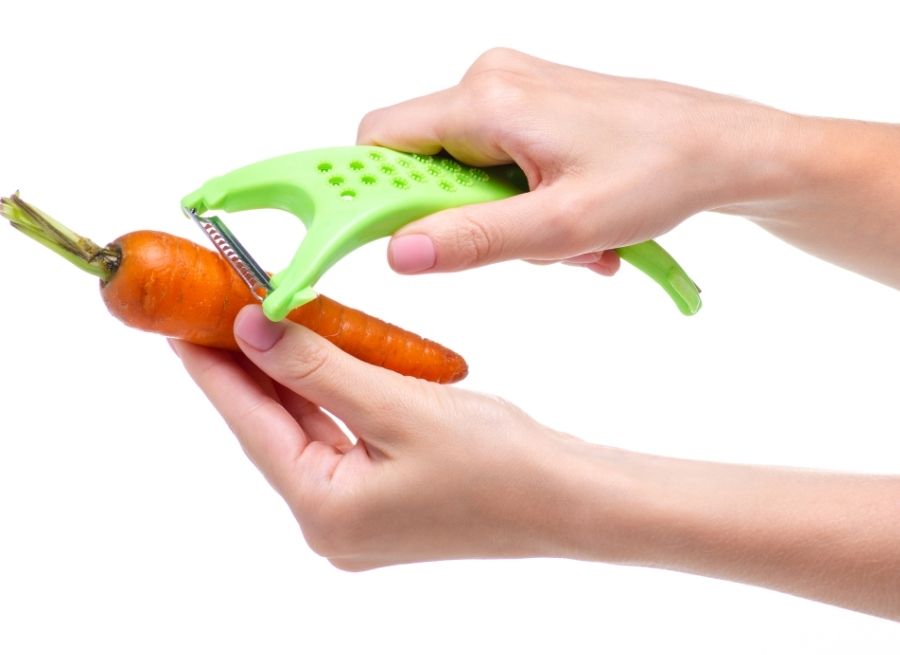
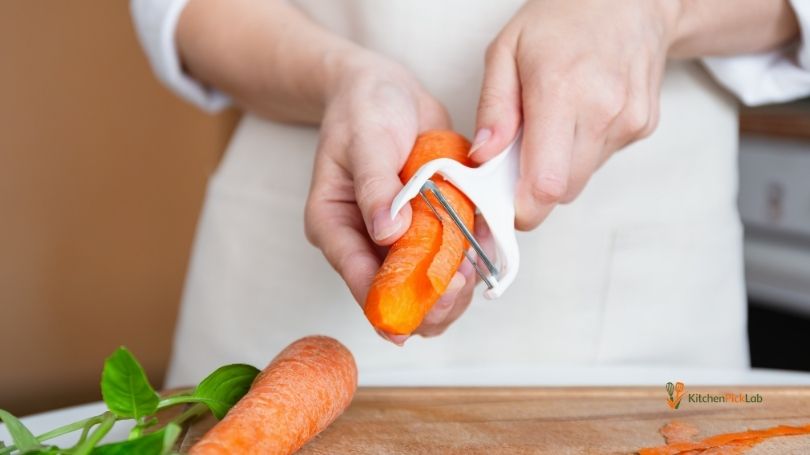
A vegetable peeler is a small tool used to remove thin layers of skin from fruits and vegetables. It may seem basic, but it can save a lot of time.
What a Vegetable Peeler Is Best For
A vegetable peeler is useful for:
- Potatoes
- Carrots
- Cucumbers
- Apples
- Sweet potatoes
- Zucchini ribbons
- Citrus peel
- Butternut squash skin
- Chocolate curls
It can also be used creatively for thin vegetable strips or garnishes.
Why It Makes Cooking Easier
A good peeler removes skin quickly and evenly. Compared with using a knife, a peeler usually wastes less food and is easier for beginners to control.
For recipes that require several peeled vegetables, a sharp peeler can save significant prep time.
Y-Peeler vs Straight Peeler
There are two common types of peelers.
| Peeler Type | Best For | Feel |
|---|---|---|
| Y-Peeler | Fast peeling, larger vegetables | Wide grip, quick movement |
| Straight Peeler | Traditional peeling style | Familiar, compact shape |
Both can work well. The best choice depends on what feels more comfortable in your hand.
What Beginners Should Look For
Choose a peeler with:
- Sharp blade
- Comfortable grip
- Easy-to-clean design
- Swivel blade for uneven surfaces
- Durable handle
- Built-in potato eye remover if useful
A dull peeler can be frustrating and unsafe because it requires more pressure. If your peeler drags or skips, it may be time to replace it.
4. Mixing Bowls

Read More – 5 Kitchen Tools Beginners Often Forget to Buy
Mixing bowls are used for mixing, tossing, holding, and organizing ingredients. They are simple tools, but they make cooking much more organized.
What Mixing Bowls Are Best For
Mixing bowls are useful for:
- Mixing batter
- Tossing salads
- Marinating meat
- Holding chopped vegetables
- Whisking eggs
- Combining sauces
- Preparing dough
- Organizing ingredients before cooking
- Serving snacks or side dishes
A set of bowls in different sizes can handle many kitchen tasks.
Why They Make Cooking Easier
Mixing bowls help keep prep work organized. Instead of leaving chopped ingredients on the cutting board, you can separate them into bowls before cooking.
This is especially helpful when making stir-fries, soups, salads, baked goods, or recipes with multiple ingredients.
Common Mixing Bowl Materials
| Material | Benefits | Things to Know |
|---|---|---|
| Stainless Steel | Lightweight, durable, easy to clean | Not microwave-safe |
| Glass | Microwave-safe, stable, easy to see contents | Heavier and can break |
| Plastic | Lightweight and affordable | Can stain or hold odors |
| Ceramic | Attractive and stable | Heavy and breakable |
For most beginners, stainless steel or glass mixing bowls are practical choices.
What Beginners Should Look For
A good mixing bowl set should include:
- Multiple sizes
- Stable base
- Easy-to-clean surface
- Nesting design for storage
- Comfortable rim
- Dishwasher-safe material if possible
If you have limited space, choose nesting bowls that stack neatly inside each other.
5. Measuring Cups and Spoons
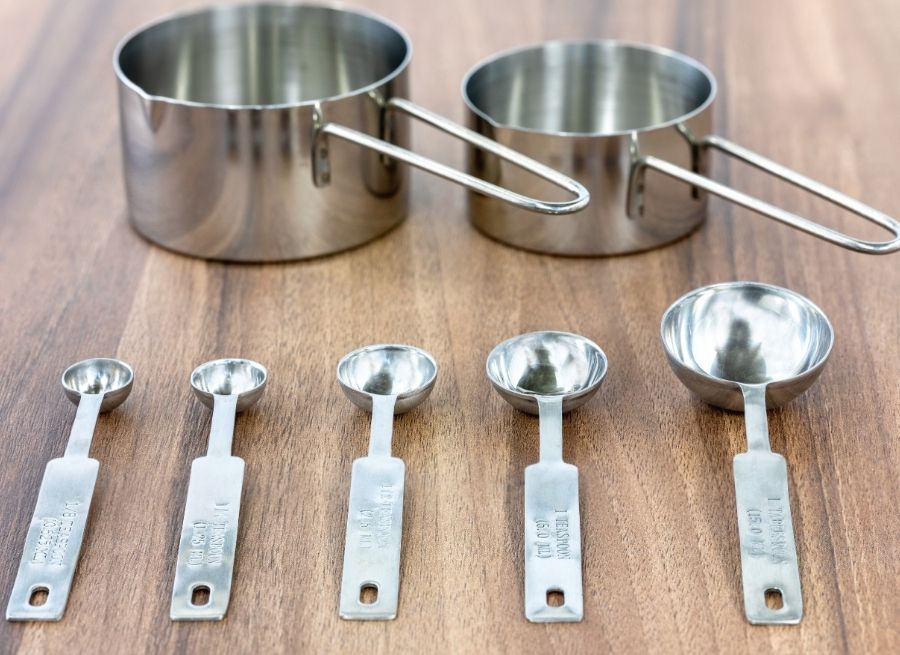
Measuring cups and spoons help you measure ingredients accurately. They are especially important for baking, but they also help with sauces, marinades, seasoning blends, and everyday recipes.
What Measuring Tools Are Best For
Measuring cups and spoons are used for:
- Flour
- Sugar
- Rice
- Oats
- Oil
- Milk
- Spices
- Baking powder
- Sauces
- Seasonings
Accurate measuring helps recipes taste consistent each time you make them.
Why They Make Cooking Easier
Beginners often struggle with guessing amounts. Measuring tools remove some of that uncertainty.
They are especially useful when following a recipe for the first time. Once you become more experienced, you may estimate some ingredients, but measuring tools remain important for baking and precise recipes.
Dry vs Liquid Measuring Cups
There are two main types of measuring cups.
| Type | Best For | Example |
|---|---|---|
| Dry Measuring Cups | Dry ingredients | Flour, sugar, rice |
| Liquid Measuring Cups | Liquids | Milk, oil, broth |
Dry measuring cups are filled to the top and leveled off. Liquid measuring cups usually have measurement markings on the side and a pouring spout.
What Beginners Should Look For
Choose measuring tools that are:
- Easy to read
- Durable
- Clearly marked
- Dishwasher-safe
- Comfortable to hold
- Stored together easily
For spoons, look for a complete set that includes common sizes such as:
- 1 tablespoon
- 1 teaspoon
- 1/2 teaspoon
- 1/4 teaspoon
A simple measuring set is affordable and useful in almost every kitchen.
How to Choose Prep Tools That Are Actually Useful
Not every kitchen gadget is worth buying. Good prep tools should solve real problems and be easy to use.
Choose Tools You Will Use Often
Before buying a prep tool, ask yourself:
- Will I use this weekly?
- Does it make a common task easier?
- Is it easy to clean?
- Does it fit in my kitchen drawer or cabinet?
- Do I already own something that does the same job?
If the answer is unclear, you may not need it yet.
Prioritize Quality Over Quantity
A few good tools are better than many cheap gadgets. For example, one comfortable chef’s knife is more useful than a large set of low-quality knives.
The same applies to cutting boards, peelers, and measuring tools. Choose items that feel sturdy and practical.
Think About Cleaning and Storage
Prep tools should not create extra work. If a tool is hard to clean or awkward to store, you may stop using it.
Look for:
- Dishwasher-safe parts when possible
- Smooth surfaces
- Simple designs
- Nesting or compact storage
- Durable materials
Avoid Overly Specialized Tools at First
Some gadgets are made for one specific job, such as avocado slicers, strawberry hullers, or banana cutters. These can be fun, but they are not essential for most beginners.
Start with versatile tools that help with many recipes.
Best Prep Tool Set for Beginners
If you are setting up a kitchen from the beginning, you do not need everything at once. Start with the tools that handle the most common tasks.
A good beginner prep setup includes:
- Chef’s knife
- Cutting board
- Vegetable peeler
- Mixing bowl set
- Measuring cups and spoons
These five tools can support many everyday cooking tasks, from chopping vegetables to mixing ingredients and following recipes accurately.
Optional Tools to Add Later
Once you cook more often, you may also add:
- Kitchen shears
- Box grater
- Colander
- Whisk
- Silicone spatula
- Tongs
- Garlic press
- Microplane grater
- Mandoline slicer
These can be useful, but they are easier to choose after you understand your cooking habits.
Common Prep Tool Mistakes to Avoid
Even basic tools can cause problems if they are used or chosen incorrectly.
Using a Dull Knife
A dull knife makes prep work slower and less safe. Keep your knife sharp and use a proper cutting board.
Using a Tiny Cutting Board
A board that is too small can make chopping messy and uncomfortable. Choose a board with enough space for your ingredients.
Buying Tools That Are Hard to Clean
If a tool has too many parts or small crevices, cleaning can become annoying. Simple tools are often better.
Using the Same Board for Everything Without Cleaning
Raw meat, fish, and poultry should be handled carefully. Wash cutting boards properly and consider using a separate board for raw proteins.
Ignoring Comfort
A tool should feel good in your hand. If a peeler, knife, or measuring cup is awkward to use, it may slow you down.
Final Thoughts
Prep work is one of the most important parts of cooking. When your ingredients are easy to cut, measure, mix, and organize, the entire cooking process feels smoother.
The top 5 prep tools that make cooking easier are a chef’s knife, cutting board, vegetable peeler, mixing bowls, and measuring cups and spoons. These tools are simple, practical, and useful for beginners as well as experienced home cooks.
You do not need a drawer full of gadgets to cook better meals. Start with reliable basics, learn how to use them well, and build your kitchen tool collection over time.