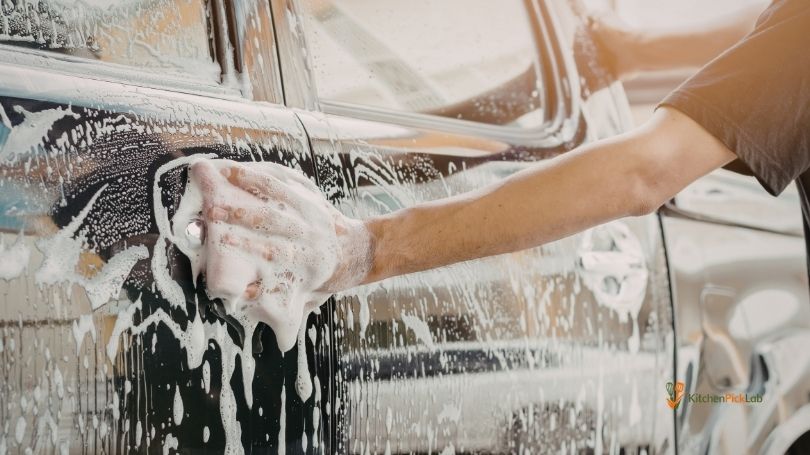
Can You Wash A Car With Dish Soap?
Usually not for regular cleaning. The only condition that flips this answer is when you plan to strip off old wax and grease before applying a fresh protective coat. While many drivers wonder if they should use dish soap when their bucket is empty, you shouldn’t reach for kitchen detergent today. Put the dish bottle back and grab a dedicated automotive shampoo instead.
When you should wash with dish soap
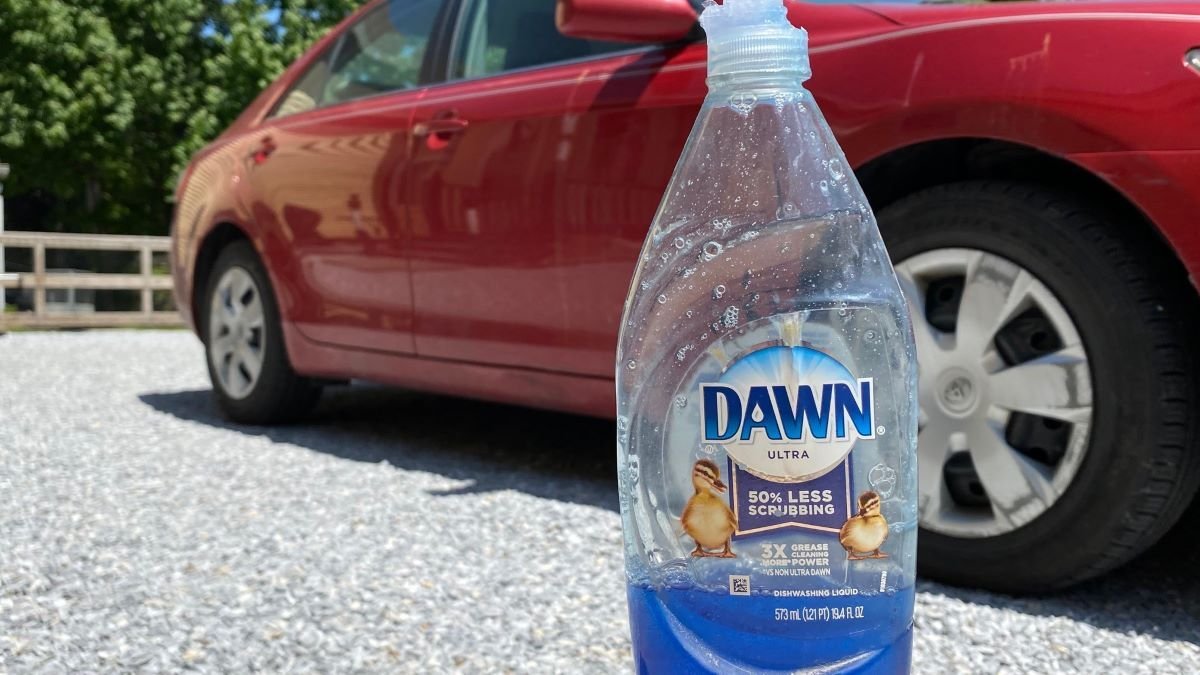
Your vehicle’s clear coat requires the right chemistry to avoid drying out.
| Your situation | Answer | Why |
|---|---|---|
| Regular maintenance wash | No | Strips wax and dries rubber |
| Prep for fresh wax | Yes | Removes old grease and sealants |
| Removing stuck road tar | No | Dish liquid lacks targeted solvents |
| Matte paint or vinyl | No | Causes uneven gloss and streaks |
| Modern ceramic-coated car | No | Leaves dulling film on coating |
How detergent chemistry strips your clear coat
Dish soap is formulated to dissolve animal fats, plant oils, and burnt food residues from dishes. Because of that heavy grease-cutting goal, standard brands usually sit at an alkaline pH between 8 and 9, whereas automotive paint requires a pH-neutral formula between 6.5 and 7.5. Dedicated car wash soaps contain lubricated surfactants that lift abrasive road dirt away from paint without dissolving the underlying protective layer. When you spread dish soap across your hood, those aggressive chemicals immediately attack the thin carnauba wax or synthetic polymers protecting your clear coat.
Stripping that wax exposes the bare resin of the paint to daily hazards like acidic bird droppings, road salt, and harsh sun. The trade-off is clear: dish soap cleans off sticky road film fast, but it leaves your clear coat unprotected against immediate environmental damage. Over time, those soft parts turn pale gray and crack. If you only want to clear road dust, choose a balanced car soap; if you need to strip all old protectants down to the paint, dish soap works once.
Safe cleaning alternatives to use instead
Because using dish liquid for standard washes causes damage over time, use one of these dedicated vehicle cleaning methods instead.
- Wash with pH-neutral car shampoo, mixing 1 ounce of soap into a 5-gallon bucket of clean water. Water sheets smoothly off the panels without leaving a dull chemical haze. This option isn’t for cars covered in heavy petroleum grease or industrial fallout.
- Use a waterless wash spray, coating one body panel at a time using about 3 sprays per square foot before wiping gently with a plush microfiber towel. The surface will show a high gloss without any water spots. This method isn’t for vehicles caked in thick, dried mud or sand.
- Apply dedicated automotive all-purpose cleaner, spraying a 10-to-1 diluted mixture only onto dirty rubber tires and lower rocker panels. Rinse clean within 60 seconds; grease disappears while surrounding trim stays pitch black. This isn’t for glass or thin clear coat surfaces.
The rubber seal mistake
The biggest mistake drivers make is using kitchen dish liquid on their vehicle every weekend during the summer. They save a small amount on soap, but they ruin the rubber gaskets around their doors, sunroof, and windshield. Within a few months, those flexible seals turn chalky white, stiffen, and shrink. Replacing a full set of dried-out door and window weatherstrips often costs a significant sum in parts and shop labor. You can avoid this expense completely with one simple test: run your dry thumb firmly across the window seal. If a black, chalky residue rubs off on your skin, strong detergents have already begun breaking down the rubber compound.
When to stop and get help
- The paint looks chalky, rough, or milky white after drying, which means the clear coat has begun to fail.
- Water no longer beads anywhere on the flat panels, showing complete loss of surface protection.
- Rubber door seals feel hard, brittle, or leak water into the cabin during rain.
- Deep swirl marks and fine scratches cover the hood from dragging dirt across dry paint.
When your clear coat starts flaking off or shows cloudy patches under direct sun, paint correction requires rotary polishers and paint depth gauges. At that point, take your vehicle to a certified automotive detailer or body repair shop.
Can you use Dawn to wash a car?
No, not for your regular weekend wash. Dawn strips away vehicle wax, synthetic sealants, and moisture from soft rubber seals. You should only use it as an occasional stripping wash right before you polish the paint or apply a completely new coat of wax.
Will dish soap damage my car’s clear coat?
No, it won’t destroy clear coat resin in a single wash. However, repeated use breaks down the protective wax barrier and leaves bare paint exposed to harmful ultraviolet rays. The United States Environmental Protection Agency advises managing wash runoff carefully, so choosing gentle, proper products protects both your vehicle and local storm drains.
How do I fix paint after using dish soap?
Apply a dedicated synthetic paint sealant or liquid carnauba wax immediately. Dish soap strips surface oils and protective barriers down to bare clear coat within minutes. Adding a fresh layer of automotive wax restores surface slickness, UV protection, and healthy water beading.
Is dish soap safe for car wheels and tires?
No, because it dries out the soft tire rubber and turns it brown. Use a pH-balanced, non-acidic wheel cleaner alongside a soft-bristle tire brush instead.
Can dish soap remove road grime and bugs?
Yes, it dissolves road oils and bug splatter quickly because of strong grease-cutting agents. However, that cleaning strength strips your wax along with the bugs. Use an automotive bug-and-tar remover spray to dissolve organic residue without leaving paint unprotected.
What happens if I wash a wrapped car with dish soap?
No, don’t use it on vinyl wraps or paint protection films. The strong surfactants dry out vinyl adhesives along the seams and cause matte wraps to develop blotchy, glossy stains. Stick strictly to mild automotive wash products approved by the film maker.
What to do next
Rinse your vehicle thoroughly with cool water to remove loose grit, then wash with a dedicated car shampoo. The paint should feel slick under your hand and cause clean water to sheet off the surface smoothly. If your panels feel rough like sandpaper or appear dull gray after drying, stop hand washing and consult a local detailing professional for decontamination and machine polishing.