Can You Heat Stainless Steel In Microwave? The Safety Facts
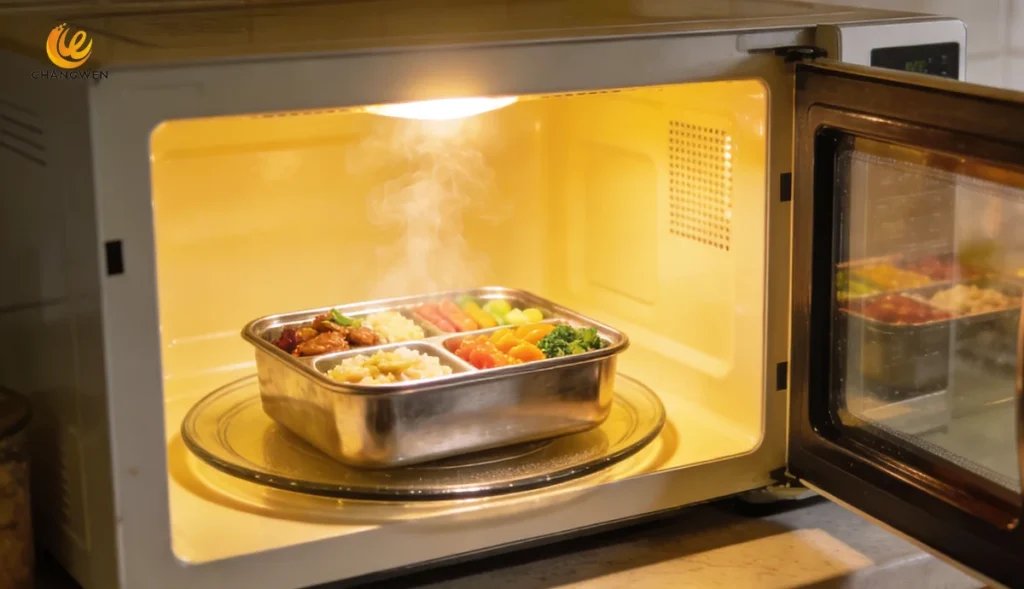
Usually not, because metal reflects waves instead of absorbing them. You can heat stainless steel in microwave appliances only when the container is specially engineered with smooth, rounded walls and carries an explicit microwave-safe label from the manufacturer. Take standard stainless bowls, travel mugs, and forks out of the appliance immediately.
When you can heat stainless steel
The shape of the metal and manufacturer testing decide whether an item sparks or stays safe.
| Your situation | Answer | Why |
|---|---|---|
| Certified microwave-safe steel container | Yes | Rounded edges prevent electrical arcs |
| Standard stainless mixing bowl | No | High walls bounce waves back |
| Stainless travel mug or tumbler | No | Double walls block heat completely |
| Stainless fork, knife, or spoon | No | Prongs concentrate charge and spark |
| Stainless pot with plastic handle | No | Bare metal damages appliance interior |
| Sealed steel food tin or can | No | Trapped steam creates explosion risk |
How metal shape changes electric fields
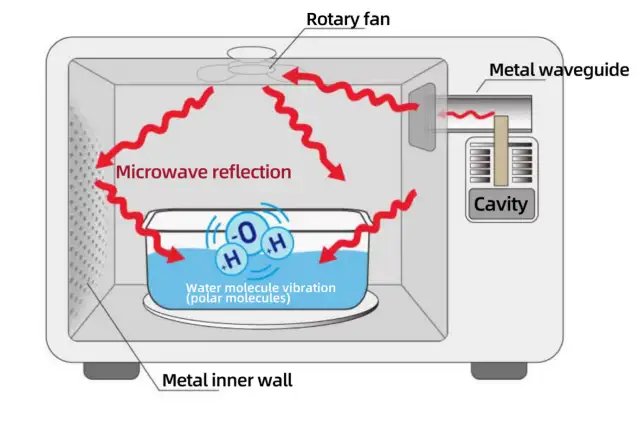
Stainless steel doesn’t absorb microwave energy like water, fat, or sugar does. Instead, the alloy reflects the waves. When microwaves hit flat or curved steel, electric charges flow across the surface. If the steel has sharp points, crimped rims, or thin tines, those electrical charges gather at the tips. The gathered charge quickly ionizes the surrounding air, creating an electric arc. This spark can burn the oven cavity or start a fire. The USDA Food Safety and Inspection Service explains that metal reflects microwaves, which causes arcing and prevents food from cooking evenly.
Thick, specialized stainless containers with smooth, wide curves avoid arcing because they lack points where electricity concentrates. However, a trade-off remains: microwaves can’t pass through the metal base or sides. Your food only warms from the open top surface, which makes heating slow and uneven compared to glass. This varies by model — check the label on your specific dish before trying it. If the metal item has sharp edges or no certification label, keep it out of the oven; if it’s explicitly rated for microwave use, follow the package limits exactly.
Better ways to heat your food
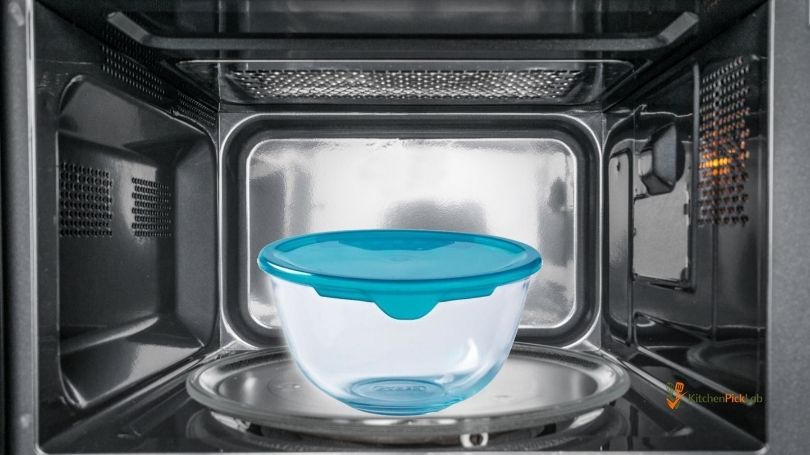
- Transfer the food to glass or ceramic. Move your meal from the steel dish into plain ceramic or borosilicate glass before setting the cook time. A clean shift leaves no metal behind to bounce waves. This option isn’t for people without heat-proof kitchenware.
- Warm the meal on a stove burner. Put standard stainless steel pans directly onto a gas burner or induction plate over medium heat for 5 to 10 minutes. A gentle simmer with steam rising shows the center has warmed thoroughly. This option isn’t for people who only have access to an office breakroom.
- Use a hot water bath. Sit your stainless container inside a larger basin filled with water just off the boil for 15 minutes. The steel quickly conducts warmth through its walls directly into the food. This option isn’t for frozen solid meals that need active cooking.
Arcing against the oven walls
A common mistake is placing a stainless steel item too close to the metal interior of the microwave. This arcing burns deep pit marks into the cavity lining and can shatter the glass turntable, which instantly ruins an appliance that costs a lot to replace. The simple check is physical distance: any microwave-safe steel must sit alone in the dead center of the turntable, at least one inch away from the walls, ceiling, and door. If your dish can’t maintain that clearance, don’t close the door.
When to stop and get help
Stop using the appliance right away if you see any of these warning signs:
- A bright flash or crackling sound occurs, which indicates dangerous arcing inside the chamber.
- Smoke or an ozone smell comes from the vent holes, meaning internal wiring or components suffered heat damage.
- The interior wall shows a scorch mark or melted paint, which exposes bare steel to future rust and sparking.
- The microwave runs but no longer heats food, which means the magnetron failed.
Mains-powered microwaves store lethal voltage inside their capacitors even after you pull the plug. Never open the outer cabinet or attempt to repair internal components yourself; hire a licensed appliance technician or replace the unit.
Frequently asked questions
Can you put stainless steel travel mugs in the microwave?
No, never put them inside. Travel mugs use double-wall vacuum construction that completely blocks microwaves from reaching the liquid. The trapped air layer can overheat, and the bare steel walls cause arcing against the appliance interior.
Why do some microwaves have metal racks inside?
Manufacturers design those specific racks with thick, rounded bars and mount them on plastic insulators. The smooth geometry prevents electrical charge from gathering at sharp points, and the insulators keep the rack from touching the cavity walls.
Is it safe to leave a metal spoon in soup?
A spoon with thin stamping, patterns, or sharp edges will spark, so you’re always safer using a wooden or ceramic spoon instead.
What happens if you run a fork in the microwave?
The pointed tines concentrate electrical charges within seconds. This charge jumps across the gaps between the tines as visible sparks, which can scorch the turntable, crack the glass, or ignite any paper towels nearby.
Does stainless steel ruin the magnetron tube?
Yes, it can ruin it over time.
How long does it take for metal to spark?
Sparks can appear in less than five seconds. The speed depends on the thinness of the metal edge and the oven wattage. Once the charge builds up at a sharp tip, arcing happens almost instantly.
What to do next
Move your food into a plain, unpainted glass or ceramic container before setting your cook time. Expect the dish to heat evenly without buzzing or sparks, leaving the center of your food steaming hot. If you ever notice sparks, unusual buzzing, or smoke coming from the oven cavity, hit the stop button and unplug the unit immediately.