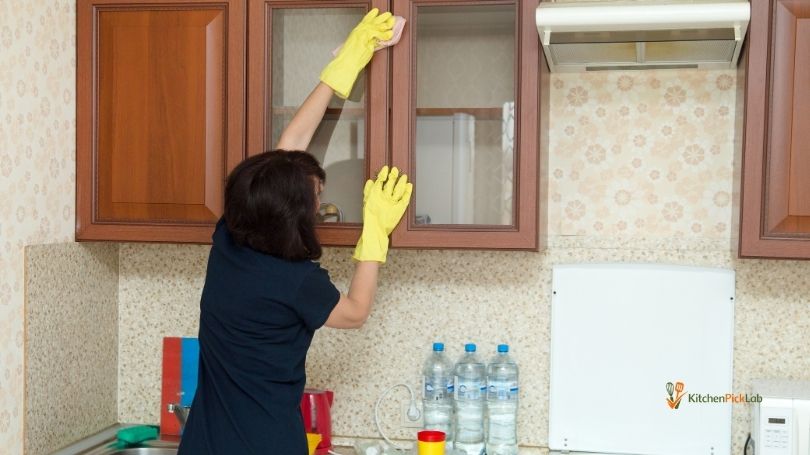
How Do You Clean Grease from Kitchen Cabinets?
Last Updated on September 15, 2026
Are greasy kitchen cabinets driving you crazy? You’re not alone.
Cooking can leave stubborn grease stains that are tough to remove and make your kitchen look dull and dirty. But don’t worry—cleaning grease from your cabinets doesn’t have to be a frustrating chore. You’ll discover simple, effective ways to get your cabinets sparkling clean again.
Ready to bring back that fresh, inviting look to your kitchen? Keep reading, and you’ll learn the secrets to tackling grease with ease.
Causes Of Grease Buildup
Read More – Why Does My Sink Smell Bad and How Can I Fix It?
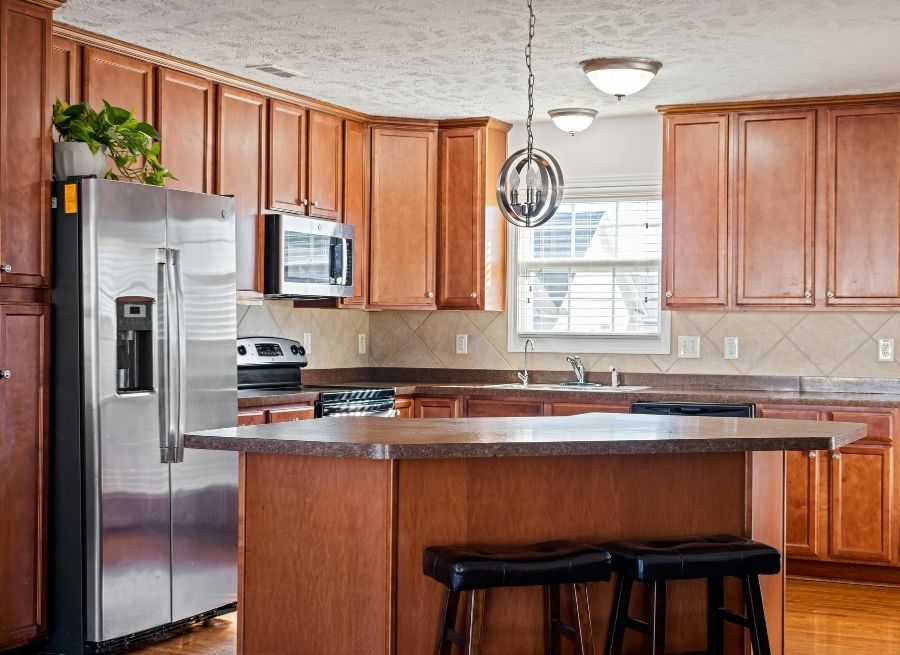
Grease buildup on kitchen cabinets is a common problem in many homes. It happens over time and can make cabinets look dirty and sticky. Understanding what causes grease buildup helps in keeping cabinets clean and fresh. Here are the main reasons grease collects on kitchen surfaces.
Cooking Residue
Cooking releases grease and oil into the air. Frying and sautéing create tiny droplets. These droplets land on cabinets near the stove. Over time, they form a sticky layer. This residue is hard to remove if left alone.
Airborne Particles
Grease is not the only thing in cooking smoke. Dust and food particles float in the air. These particles mix with grease and stick to cabinets. This mixture makes the surface look grimy. The buildup grows faster in kitchens without good ventilation.
Lack Of Regular Cleaning
Grease buildup worsens without frequent cleaning. Wiping cabinets after cooking helps remove fresh grease. Skipping cleaning allows grease to harden and attract more dirt. Regular care keeps cabinets looking new and prevents tough stains.
Essential Cleaning Supplies
Cleaning grease from kitchen cabinets requires the right supplies. These tools make the job easier and protect your cabinets. Using proper materials prevents damage and leaves your kitchen fresh.
Degreasing Agents
Choose a good degreaser to cut through sticky grease. Look for gentle formulas safe for wood or laminate surfaces. Avoid harsh chemicals that can strip finishes. Natural options like vinegar mixed with water can also work well. Spray or apply the solution directly on greasy spots.
Soft Cloths And Sponges
Use soft cloths or non-abrasive sponges to clean without scratching. Microfiber cloths are ideal for trapping grease and dirt. Avoid rough scrubbers that may damage cabinet surfaces. Damp cloths help lift grease while keeping cabinets safe.
Protective Gloves
Wear gloves to protect your hands from chemicals and grime. Gloves keep your skin safe and clean during scrubbing. Choose reusable rubber gloves for better grip and comfort. They also prevent irritation from cleaning products.
Preparation Steps
Cleaning grease from kitchen cabinets starts with proper preparation. These steps make the cleaning easier and more effective. Proper preparation also protects your cabinets and kitchen from damage during cleaning.
Clearing The Cabinets
Remove all items from the cabinets. Empty shelves and drawers completely. This prevents damage to your belongings. It also allows you to reach all greasy spots. Wipe down cabinet doors and surfaces to remove loose dirt.
Testing Cleaning Solutions
Choose a mild cleaning solution first. Test it on a small, hidden area. Look for any damage or discoloration. This step protects your cabinets from harsh chemicals. If the test spot looks fine, proceed with cleaning.
Ventilating The Kitchen
Open windows and doors before cleaning. Turn on the kitchen fan or exhaust hood. Good airflow helps remove strong cleaning smells. It also keeps the air fresh during the process. Ventilation protects your health and comfort.
Cleaning Methods
Read More – How Do You Remove Stains from a Stainless Steel Pan?
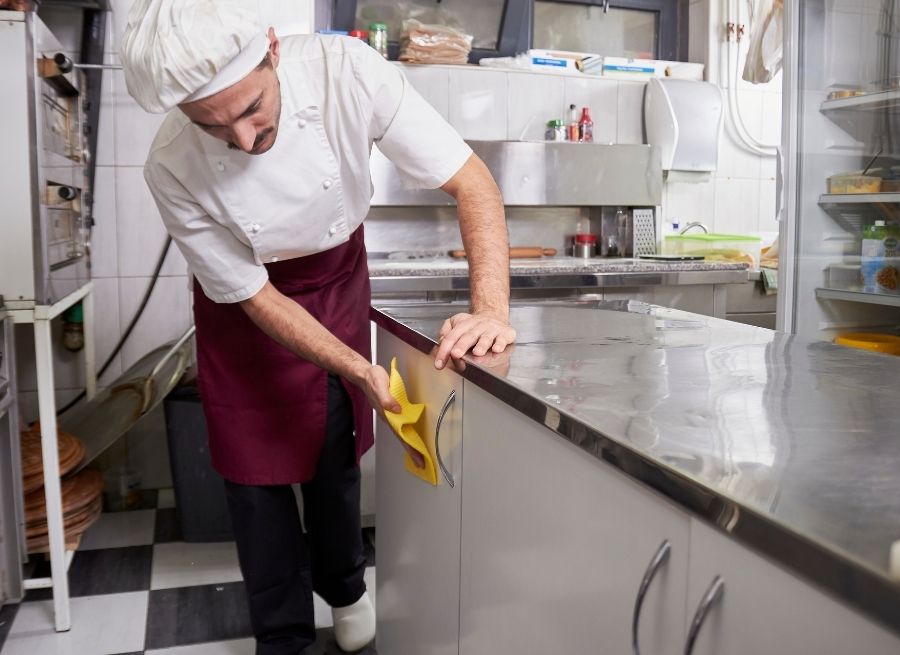
Grease on kitchen cabinets can be tough to remove. Different cleaning methods work well depending on the cabinet material and grease level. Below are simple and effective ways to clean your cabinets safely and thoroughly.
Using Soap And Warm Water
Soap and warm water is a basic and gentle cleaning method. Mix a few drops of dish soap with warm water in a bucket. Use a soft cloth or sponge to wipe down the cabinets. This method removes light grease and dirt easily. Rinse the cloth often and change the water if it gets too greasy. Dry the cabinets with a clean towel to avoid water damage.
Applying Vinegar Solutions
Vinegar is a natural cleaner that cuts through grease well. Mix equal parts of white vinegar and water in a spray bottle. Spray the solution on greasy areas and let it sit for a few minutes. Wipe with a soft cloth or sponge. Vinegar helps to break down grease and disinfect surfaces. Avoid using vinegar on natural stone or waxed wood as it may cause damage.
Commercial Degreasers
Commercial degreasers are made to remove heavy grease quickly. Choose a degreaser safe for kitchen cabinets and follow the instructions on the label. Apply the product on greasy spots and wait the recommended time. Wipe off with a damp cloth. Always test on a small hidden area first to check for any damage or discoloration.
Natural Alternatives
Baking soda is a gentle natural cleaner that removes grease without harsh chemicals. Make a paste with baking soda and water. Apply the paste to greasy areas and scrub lightly with a sponge. Wipe clean with a damp cloth. Lemon juice also works as a natural degreaser. Dab lemon juice on grease spots and wipe after a few minutes. Both options leave a fresh scent behind.
Handling Different Cabinet Materials
Cleaning grease from kitchen cabinets varies by material type. Each cabinet surface reacts differently to cleaning methods and products. Using the wrong cleaner can damage the finish or leave marks. Knowing the right approach for each cabinet type helps keep them looking fresh and new.
Wood Cabinets
Wood cabinets need gentle cleaning to avoid damage. Use a soft cloth with warm water and mild soap. Avoid soaking the wood. Wipe gently to lift grease without rubbing harshly. Dry the surface immediately to prevent water spots or warping. For stubborn grease, mix equal parts vinegar and water. Test the solution on a small area first. Avoid abrasive cleaners or scrubbing pads that can scratch the finish.
Laminate Cabinets
Laminate cabinets handle water better than wood. Use warm water and a few drops of dish soap. Wipe with a soft cloth or sponge to remove grease. For tough spots, try a baking soda paste. Apply gently and rinse well. Avoid harsh chemicals that can dull the surface. Never use steel wool or abrasive brushes that may scratch the laminate.
Painted Cabinets
Painted cabinets require careful cleaning to protect the paint. Use a mild detergent mixed with water and a soft cloth. Gently wipe away grease without scrubbing hard. Avoid strong solvents or bleach as they can strip paint. For sticky grease, a small amount of vinegar diluted in water works well. Always dry cabinets after cleaning to keep the paint intact and shining.
Tackling Stubborn Grease Stains
Grease stains on kitchen cabinets can be tough to remove. They often leave a sticky, oily residue that regular cleaning cannot handle. Tackling these stubborn stains requires special methods and tools. The right approach can bring back the shine and cleanliness of your cabinets without damage.
Baking Soda Paste
Baking soda is a natural cleaner that works well on grease. Mix baking soda with a small amount of water to form a thick paste. Apply the paste to the greasy areas and let it sit for 10 minutes. Then, gently scrub with a soft cloth or sponge. Rinse with a damp cloth to remove residue. Baking soda breaks down grease without harsh chemicals.
Magic Erasers
Magic erasers are effective at lifting tough grease stains. Dampen the eraser slightly and rub it over the greasy spots. These erasers work by using micro-scrubbers to remove dirt and grease. Use light pressure to avoid damaging cabinet surfaces. Wipe the area with a clean, damp cloth afterward. Magic erasers can restore cabinets to a clean look quickly.
Steam Cleaning
Steam cleaning uses hot vapor to loosen grease from cabinets. A handheld steam cleaner directs steam onto the stained area. The heat softens the grease, making it easier to wipe away. Use a microfiber cloth to clean the surface after steaming. Steam cleaning avoids chemicals and is safe for most cabinet finishes. It also sanitizes the cabinet surface while removing grime.
Post-cleaning Care
After cleaning grease from kitchen cabinets, proper care helps keep them looking fresh. Post-cleaning care protects the surface and prevents damage. It also extends the life of your cabinets. Follow simple steps to dry, polish, and maintain cleanliness effectively.
Drying Techniques
Wipe cabinets with a dry, soft cloth to remove moisture. Avoid air drying, which can leave water spots. Use microfiber cloths for better absorption without scratching. Dry all corners and edges carefully. Moisture left on wood can cause warping or swelling.
Polishing And Conditioning
Apply a wood polish or conditioner suitable for your cabinet finish. Use a small amount on a soft cloth and rub gently. Polishing restores shine and adds a protective layer. Conditioning keeps wood hydrated and prevents cracking. Avoid using harsh chemicals that strip finish or damage wood.
Maintaining Cleanliness
Wipe cabinets regularly with a damp cloth to prevent grease build-up. Use mild soap for stubborn spots, then dry immediately. Avoid abrasive cleaners or scrubbing pads that can scratch surfaces. Keep kitchen ventilation on to reduce grease accumulation. Small, frequent cleaning saves time and effort later.
Preventing Future Grease Buildup
Grease buildup on kitchen cabinets can make your kitchen look dirty and old. Preventing grease from sticking saves time and effort later. Taking small steps can keep cabinets clean and fresh for longer. Here are some simple ways to stop grease buildup before it starts.
Regular Wiping
Wipe cabinets often with a soft cloth. Use warm water and mild soap to remove grease spots. Clean spills quickly to stop grease from hardening. Regular wiping keeps grease from settling and makes deep cleaning easier.
Using Kitchen Ventilation
Turn on the exhaust fan while cooking. Ventilation pulls smoke and grease particles away from cabinets. Open windows to improve airflow if possible. Proper ventilation lowers grease in the air and protects your cabinets.
Choosing Easy-to-clean Surfaces
Pick cabinet materials that resist grease and dirt. Smooth finishes like laminate or glass clean easily. Avoid rough or porous surfaces that trap grease. Easy-to-clean surfaces save time and keep your kitchen looking neat.
Read More – 7 Small Kitchen Appliances Every Home Cook Should Know About
Frequently Asked Questions
How Can I Remove Grease Without Damaging Cabinets?
Use a mild dish soap mixed with warm water. Gently scrub with a soft cloth or sponge. Avoid harsh chemicals to protect the finish. Rinse with clean water and dry thoroughly to prevent moisture damage.
What Household Items Effectively Clean Cabinet Grease?
White vinegar, baking soda, and lemon juice are great natural cleaners. Mix vinegar with water or create a paste with baking soda. These items break down grease without harmful chemicals and are safe for most cabinet surfaces.
How Often Should Kitchen Cabinets Be Cleaned To Prevent Grease?
Clean cabinets weekly or biweekly to prevent grease buildup. Regular wiping stops grease from hardening and becoming tough to remove. Quick cleaning preserves cabinet appearance and maintains a hygienic kitchen environment.
Can I Use Commercial Degreasers On Kitchen Cabinets?
Yes, but choose degreasers labeled safe for your cabinet material. Test on a small area first to avoid damage. Follow product instructions carefully and rinse thoroughly after use to remove any residue.
Conclusion
Cleaning grease from kitchen cabinets is simple with the right steps. Use mild soap and warm water to start. Gently scrub stubborn spots with a soft cloth. Avoid harsh chemicals that can damage the finish. Regular cleaning prevents buildup and keeps cabinets looking fresh.
Small efforts make a big difference in kitchen cleanliness. Keep your cabinets grease-free and enjoy a bright, clean space every day. Easy to do. Easy to maintain.