
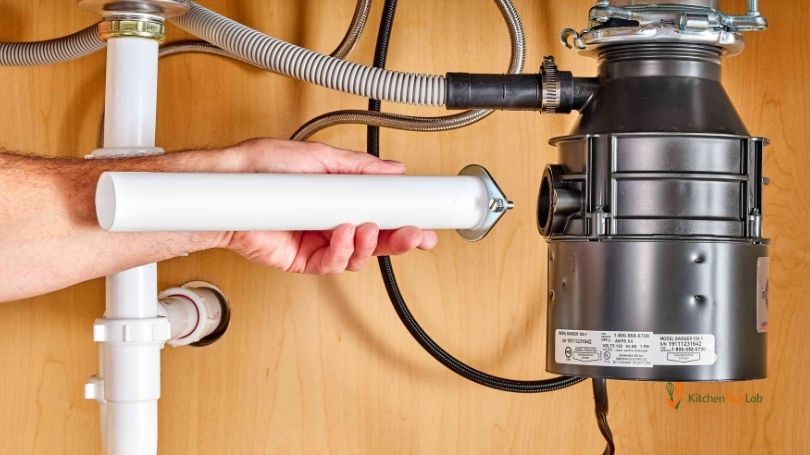
Can You Fix A Garbage Disposal Leaking From The Bottom?
No, you can’t safely patch it. You can’t fix a garbage disposal leaking from the bottom due to internal wear. You can fix the leak if water drips from a loose hose clamp above the base plate. Unplug the disposal under your sink immediately so electrical parts stay safe from standing water.
Can you repair a leaking garbage disposal
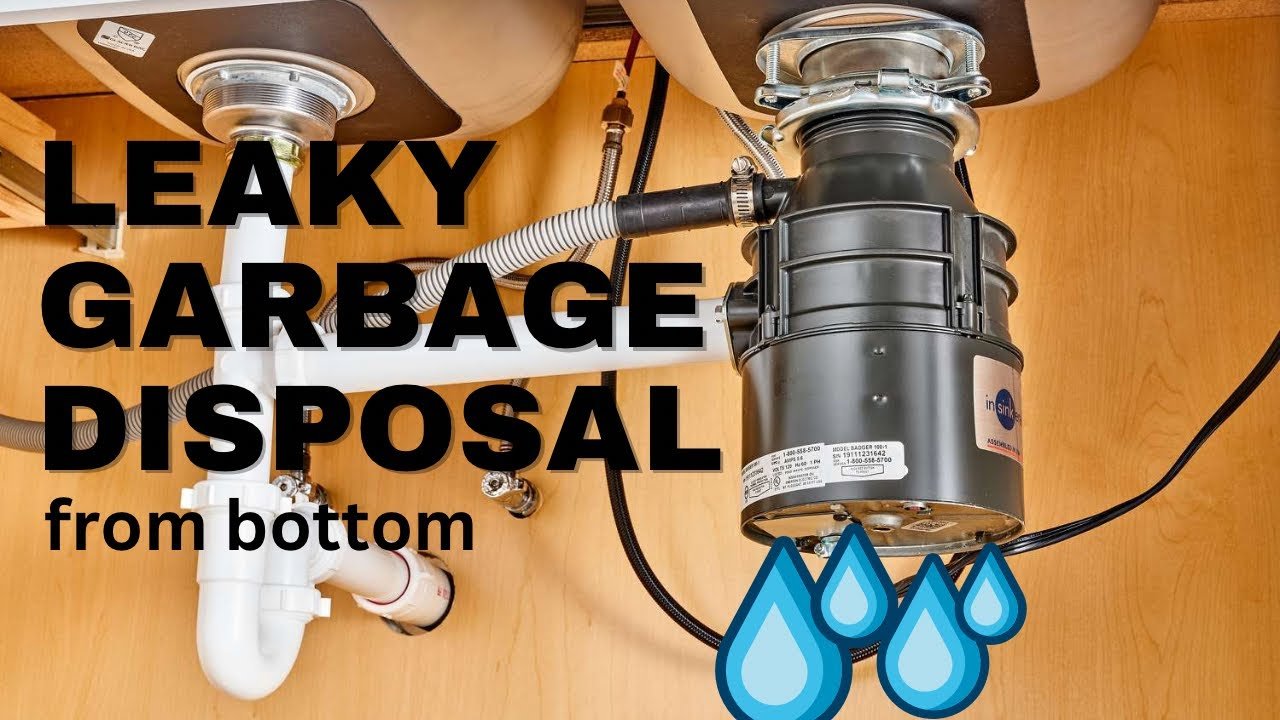
Check where the water starts before choosing a repair path.
| Your situation | Answer | Why |
|---|---|---|
| Water drips from bottom motor housing slots | No | Internal seal failed; water enters electrical motor |
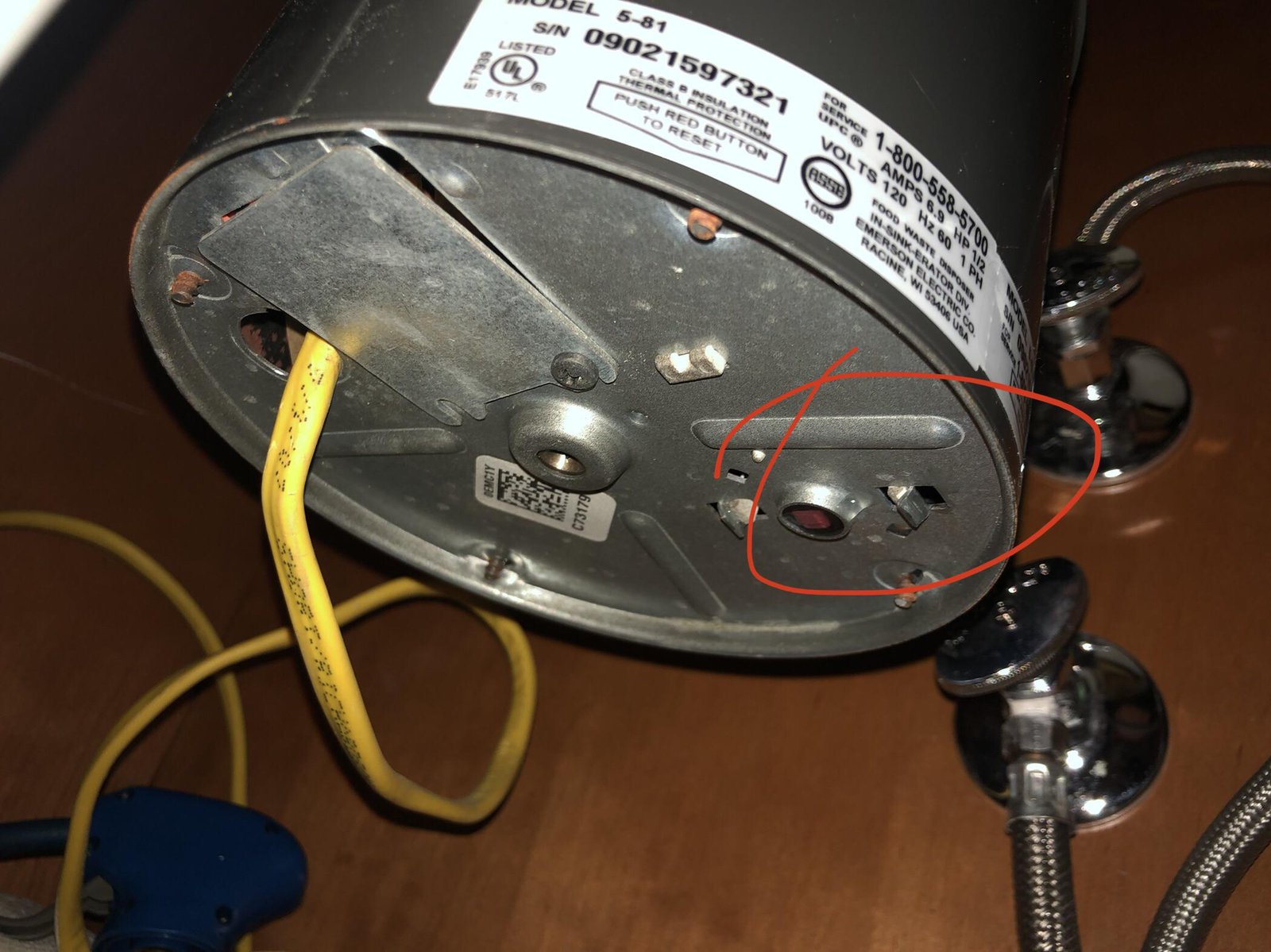
| Water leaks from reset button opening | No | Factory bearing wore out; shell can’t be opened |
| Water trickles down main body from top sink flange | Yes | Plumber’s putty cracked; re-bedding the flange seals it |
| Drips appear at side dishwasher inlet hose | Yes | Clamp loosened; tightening the screw band stops drip |
| Drips fall from side drain pipe slip nut | Yes | Rubber gasket perished; replacement ring stops the leak |
| Water sprays from rust holes in disposal metal wall | No | Chamber rusted through; unit housing lacks structural integrity |
Internal seal failure inside the motor
The main deciding factor is the internal mechanical seal sitting between the shredder plate and the electric motor. Manufacturers build disposals as factory-sealed units to isolate water from electrical windings. Over years of use, grit and chemical cleaners erode this internal rubber gasket. Once water slips past the motor shaft bearing, it drops through the motor housing and exits through the bottom weep holes or the red reset button.
You can’t buy this internal gasket at hardware stores, and opening the housing voids safety listings. InSinkErator states in its product manuals that bottom housing leaks indicate permanent internal damage requiring full unit replacement. Water touching the copper windings creates a shock hazard or trips your breaker. If water exits through bottom seams or the reset button, then replace the entire disposal; if water originates at pipe joints on the side, then replace only the exterior seals.
Replacing the unit or swapping plumbing parts
Replacing the machine is the only permanent solution for bottom casing leaks.
- Disconnect the electric power supply. Unplug the power cord from the wall outlet beneath the sink, or shut off the kitchen circuit breaker and confirm zero power with a non-contact voltage tester. This option isn’t for renters without breaker box access.
- Loosen plumbing connections. Place a two-gallon bucket below the unit and use slip-joint pliers to detach the discharge waste elbow and the dishwasher inlet hose. This step isn’t for homeowners whose original plumbing uses glued PVC pipes without union fittings.
- Release the mounting ring. Insert a screwdriver into the mounting lug ring at the sink neck and turn it counterclockwise while holding the machine weight from below. The unit drops free into your hands once the tabs clear the collar tracks.
- Install a matching replacement. Hang the new disposal onto the existing mounting flange ring to save labor, securing the ring until the metal tabs lock tight. The trade-off is that old mounting rings can carry minor corrosion that shortens the life of your new seal. This step isn’t for people switching to a brand that uses a completely different flange profile.
The mistake of using exterior silicone
The most frequent mistake is smearing silicone caulk or epoxy over bottom weep holes and around the red reset button. The single check that prevents this is wiping the metal casing dry with a paper towel: if moisture emerges from inside the bottom slots, throw the sealant away.
When to stop and get help
Call a licensed plumber or electrician if you run into any of these situations:
- Water pooled inside the electrical wire connection box, which introduces shock risks that demand professional electrical testing.
- The home power breaker trips instantly whenever the wall switch flips, pointing to shorted copper coils.
- Corroded wall drain pipes crack or crumble during disposal removal, requiring new pipe sections cut behind the drywall.
Hardwired connections carry electrical hazards and may void insurance without trade permits.
Frequently asked questions
Can you seal the bottom of a garbage disposal with silicone?
No, silicone can’t stop internal leaks. Water drops come from an inner seal failure above the motor. Sealing bottom holes traps moisture inside electrical components, rusting the motor shaft and creating a direct shock risk.
Why is my disposal leaking from the reset button?
The motor shaft bearing has broken down. Water runs straight past the internal seals, trickles over electric windings, and escapes through the reset button hole. The machine can’t be rebuilt and needs complete replacement.
Is it safe to run a disposal that leaks from the bottom?
No, running a bottom-leaking unit is dangerous. Water passes directly through the 120-volt motor assembly before it drips onto your cabinet floor. Using the wall switch can spark an electrical short or trip home safety breakers.
How long does a typical garbage disposal last?
About 10 to 12 years under standard kitchen usage.
Does a bottom leak mean I need a new disposal?
Yes, bottom casing drips always mean the machine is done. Disposals are sealed at the factory to isolate water from electrical components. You can’t open the casing to replace the inner motor gasket.
What happens if water gets into the disposal motor?
The internal motor components short-circuit and corrode. Water strips lubricating grease from the bearings, causing the rotor to seize, trip your home electrical panel, or permanently burn out the stator wiring.
What to do next
Unplug the disposal cord from your wall outlet and place an empty bucket under the machine to protect your cabinet floor from water damage. Inspect the unit with a flashlight to verify that drops fall from the base rather than the top sink flange. If the casing seams or reset button are wet, purchase a replacement disposal or book a plumber to install one.