Can Vinegar And Baking Soda Unclog A Drain?
No, it usually cannot. The belief that you can use vinegar and baking soda to unclog a drain persists because the mixture fizzes violently, but it lacks the chemical strength to dissolve dense clogs. The one condition that flips this answer is if the blockage is just a light film of fresh organic grime or a minor sink odor, which the bubbling action can loosen. You should put down the pantry items right now and reach for a mechanical clearing tool instead.
When vinegar and baking soda unclog drains
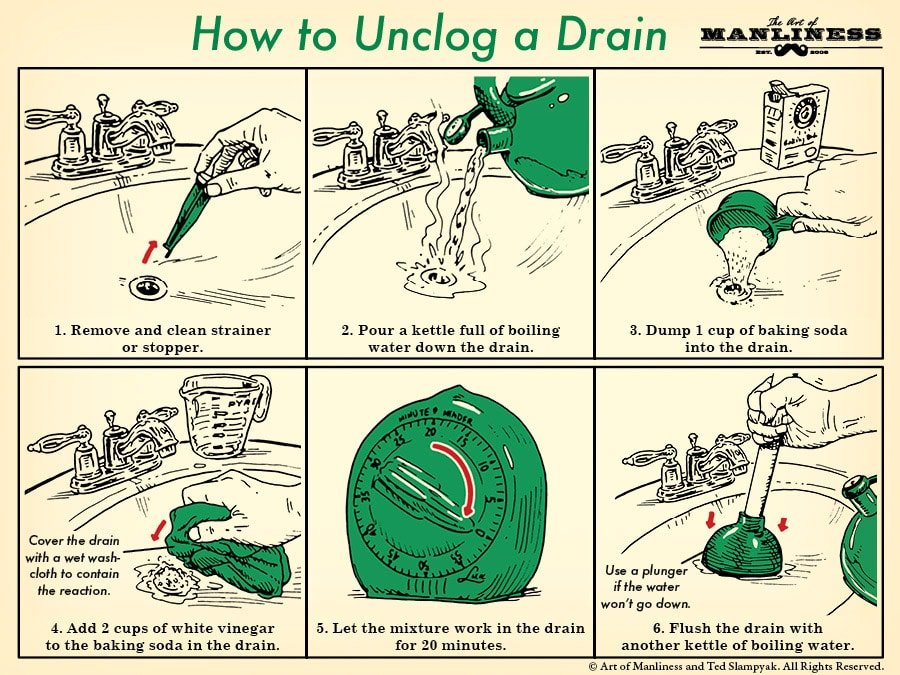
Your drain setup and the clog type determine what will actually clear the pipe.
| Your situation | Answer | Why |
|---|---|---|
| Hair mass caught in shower trap | No | Mixture can’t dissolve keratin or tangled fibers |
| Solid grease slug in kitchen drain | No | Acid and base neutralize into weak salt water |
| Light odor with normal water drainage | Yes | Fizzing action knocks loose thin surface scum |
| Standing water filling the sink basin | No | Water dilutes the ingredients before they reach clog |
| Plastic pipe with thick soap buildup | No | Bubbles lack physical pressure to push solids |
| Complete foreign object blockage | No | Toys or covers require physical removal from pipe |
Chemical neutralization inside the pipe
The acid-base reaction explains why this remedy fails. Baking soda is sodium bicarbonate, a base, while vinegar contains diluted acetic acid. When they touch, an acid-base reaction creates carbon dioxide gas and water. While the foam looks impressive on a kitchen counter, an open pipe gives that gas an easy escape route up through the drain opening.
Because the gas escapes freely, the reaction produces almost zero mechanical pressure against the obstruction below. Once the visible fizzing stops, you’re left with water and a tiny trace of sodium acetate, a mild salt. This liquid doesn’t have the corrosive power to break down tangled human hair or congealed animal fats. In fact, the Environmental Protection Agency Safer Choice program notes that effective cleaners rely on specialized surfactants or specific enzymes to target fats and soils safely, rather than simple kitchen fizz.
Better tools for clearing pipes
You need physical tools that clear the pipe without damaging plumbing seals.
- Pull the hair with a plastic barbed drain snake. Insert a 20-inch plastic drain snake directly down the opening, twist it twice, and pull it straight up to catch hair. You’ll know it worked when a damp mass comes out attached to the teeth. Who this isn’t for: readers with deeply buried clogs beyond the first trap bend.
- Push the clog using a cup plunger. Fill the sink with about 2 inches of tap water, seal the rubber cup flat over the drain, and pump vigorously for 20 strokes. You’ll know it worked when the water suddenly rushes down with an audible gurgle. Who this isn’t for: sinks with open, unsealed overflow holes that bleed off plunging pressure.
- Disassemble the cleanable under-sink P-trap. Place a 1-gallon bucket under the curved pipe beneath the sink, unscrew the slip nuts by hand, and push a bottle brush through the bend. You’ll know it worked when you see daylight straight through the detached pipe. Who this isn’t for: homeowners with glued PVC fittings or corroded metal joints that will crack under manual force.
The mistake of pouring boiling water
Dumping boiling water down the drain after pantry ingredients fail is a common mistake. Boiling water can exceed the temperature ratings of PVC pipe and may damage rubber seals over time, leading to potential leaks. Check your pipe material before pouring water hotter than 140°F.
When to stop and get help
- Water backs up into nearby tubs or showers when running a sink, which shows the blockage sits deep in the main sewer line.
- Old metal drain pipes leak dirty water onto the floorboards when touched, meaning the pipe walls have corroded through.
- Plastic slip nuts refuse to budge by hand or crack under basic pressure, requiring specialized pipe wrenches.
- Chemical fumes begin rising from previous product attempts, creating a toxic breathing hazard.
When a blockage sits past the local wall trap or involves broken pipes, home efforts must end. Contact a licensed residential plumber to clear the line safely with commercial motorized augers.
Frequently asked questions
Can baking soda ruin your plumbing pipes?
No, baking soda alone won’t ruin standard metal or PVC plumbing pipes. It’s a mild, non-corrosive powder. Pouring large amounts of dry baking soda into a blocked pipe can harden and worsen the clog.
Why do people think vinegar and baking soda clears drains?
People trust it because the mixture produces instant, vigorous bubbling. The visual foaming gives the illusion that it’s scrubbing the pipe walls aggressively.
How long should you leave vinegar and baking soda in a drain?
About 15 minutes is the maximum useful time if you’re treating simple drain odors.
Is it safe to mix vinegar with commercial drain cleaner?
No, you must never mix vinegar with commercial chemical drain openers. Mixing vinegar with chemical cleaners creates toxic gases. These fumes cause severe respiratory irritation.
What happens if you pour baking soda down a garbage disposal?
It simply deodorizes the grinding chamber and cleans away light surface grease. Run cold water and turn the disposal on for 15 seconds after adding it to rinse the powder through.
Does the temperature of the rinse water matter?
Yes, using hot tap water around 120°F helps melt low-melting-point fats and rinse loose debris away. However, never use boiling water on PVC pipes, as thermal shock can soften fittings and loosen seals.
What to do next
Put away the food ingredients and clear the physical blockage with a simple sink plunger or plastic drain snake. You should expect the basin to drain rapidly in a smooth, continuous whirlpool within ten minutes of clearing the obstruction. If dirty water continues backing up into other household fixtures instead, stop immediately and call a licensed plumber.
Final Thoughts
Instead of relying on kitchen chemistry, invest in a plastic drain snake or a simple plunger. These tools provide the physical force needed to clear stubborn debris effectively. You’ll save yourself a lot of frustration, and your pipes will stay clear much longer if you don’t pour grease down them.