Top 5 Daily Kitchen Cleaning Habits for a Cleaner Space
Last Updated on September 14, 2026
A clean kitchen makes cooking easier, safer, and more enjoyable. Since the kitchen is one of the busiest areas in the home, it can quickly become messy with food crumbs, spills, dirty dishes, grease, and clutter. The good news is that keeping your kitchen clean does not always require a long deep-cleaning session.
Small daily habits can make a big difference. When you clean a little every day, mess does not build up, odors are easier to control, and your kitchen stays ready for the next meal.
In this guide, we’ll cover the top 5 daily kitchen cleaning habits for a cleaner space, why they matter, and how to make them part of your routine.
Why Daily Kitchen Cleaning Habits Matter
Daily kitchen cleaning is important because small messes can quickly turn into bigger problems. A few crumbs on the counter can attract pests. A greasy stovetop can become harder to clean after several days. Dirty dishes can create odors and make the kitchen feel unpleasant.
Building simple daily habits helps you stay ahead of the mess.
Daily kitchen cleaning can help you:
- Prevent food buildup
- Reduce bad smells
- Keep pests away
- Make cooking easier
- Improve food safety
- Protect kitchen surfaces
- Reduce the need for frequent deep cleaning
- Create a more peaceful cooking space
The goal is not to make your kitchen look perfect all the time. The goal is to maintain a clean, usable space with less stress.
Quick Overview: Daily Kitchen Cleaning Habits
| Cleaning Habit | Best Time to Do It | Main Benefit |
|---|---|---|
| Wash Dishes or Load the Dishwasher | After meals | Prevents sink clutter and odors |
| Wipe Counters and Stovetop | After cooking | Removes crumbs, spills, and grease |
| Sweep or Spot-Clean the Floor | End of the day | Keeps crumbs and dirt under control |
| Empty Trash and Manage Food Waste | Daily or as needed | Reduces smells and pests |
| Reset the Kitchen Before Bed | Nighttime | Starts the next day with a clean kitchen |
1. Wash Dishes or Load the Dishwasher After Meals
Read More – 7 Common Kitchen Items You Should Clean More Often
Dirty dishes are one of the fastest ways to make a kitchen look messy. Plates, bowls, pans, cups, and utensils can pile up quickly, especially after breakfast, lunch, or dinner. If dishes are left in the sink for too long, they can create unpleasant smells and make cleaning harder later.
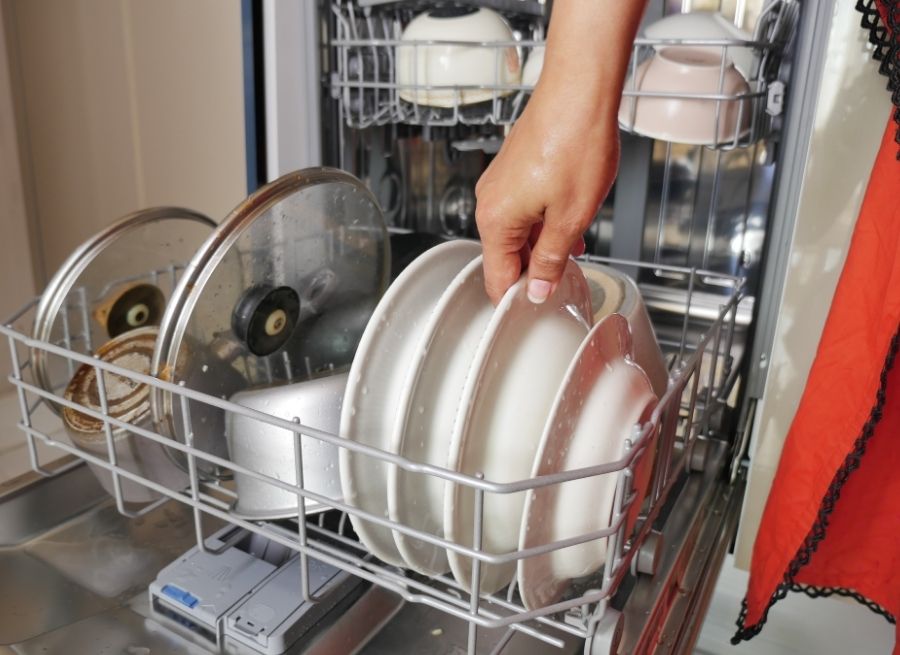
Washing dishes or loading the dishwasher after meals is one of the most effective daily kitchen cleaning habits.
Why This Habit Helps
When dishes are handled right away, your kitchen instantly looks cleaner. It also keeps the sink available for cooking, rinsing vegetables, or washing hands.
This habit helps you:
- Prevent sink clutter
- Reduce food smells
- Stop dried food from sticking
- Keep pests away
- Make the kitchen feel more organized
- Save time later
Even if you cannot wash every dish immediately, rinsing plates and stacking them neatly can help prevent a bigger mess.
How to Make Dish Cleaning Easier
To make this habit easier, try these simple steps:
- Scrape leftover food into the trash or compost bin.
- Rinse plates and bowls if needed.
- Load the dishwasher right away.
- Hand-wash delicate or large items.
- Wipe the sink after dishes are done.
- Let sponges or brushes dry properly.
If you do not have a dishwasher, create a simple routine of washing dishes after each meal or at least once at the end of the day.
Avoid Letting Dishes Sit Overnight
Leaving dishes overnight can make your kitchen smell unpleasant by morning. It can also attract insects or pests, especially if there are food scraps left on plates.
A clean sink before bed makes the whole kitchen feel fresher.
Helpful Dishwashing Tips
- Keep dish soap and a sponge or brush near the sink.
- Use a drying rack if you hand-wash dishes.
- Soak stubborn pans while cleaning other areas.
- Wash sharp knives separately and carefully.
- Replace old sponges regularly.
- Clean the sink drain area often.
Best Time to Do This Habit
The best time is right after meals. If that is not possible, make it part of your evening kitchen reset before going to bed.
2. Wipe Counters and Stovetop After Cooking
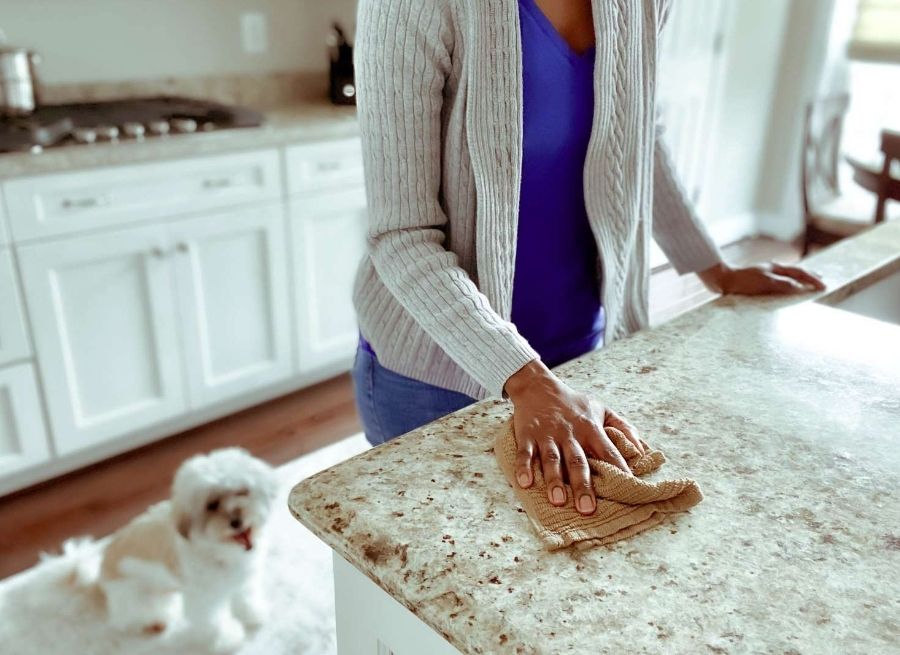
Kitchen counters and stovetops collect crumbs, spills, oil splashes, sauce stains, flour, and food residue throughout the day. If these messes are not cleaned quickly, they can become sticky, greasy, or harder to remove.
Wiping counters and the stovetop after cooking is a simple habit that keeps your kitchen cleaner and safer.
Why This Habit Helps
Clean counters give you more usable prep space. They also reduce the chance of bacteria spreading from raw ingredients, spills, or food particles.
This habit helps you:
- Remove crumbs and food residue
- Prevent sticky buildup
- Reduce grease stains
- Keep pests away
- Protect countertop surfaces
- Make meal prep easier
- Maintain a fresh-looking kitchen
A quick wipe can take less than two minutes but makes a big difference.
What Areas to Wipe Daily
Focus on areas that get used most often:
- Countertops
- Stovetop
- Kitchen island
- Dining counter or breakfast bar
- Around the sink
- Near the coffee maker
- Food prep areas
- Handles or knobs touched while cooking
If you cook with oil or sauces, the stovetop may need extra attention.
How to Wipe Surfaces Properly
Use a clean cloth, sponge, or paper towel with a suitable kitchen cleaner. For everyday messes, warm soapy water is often enough. For raw meat spills or sticky residue, use a food-safe disinfecting cleaner according to the label instructions.
A simple cleaning routine:
- Remove items from the counter.
- Brush crumbs into your hand or trash.
- Spray or apply cleaner.
- Wipe from back to front.
- Dry the surface if needed.
- Put items back neatly.
Be Careful With Different Surfaces
Different countertops need different care.
- Granite or marble: Avoid harsh acidic cleaners unless approved.
- Wood countertops: Avoid excess water and dry quickly.
- Laminate: Use gentle cleaners and avoid abrasive scrubbing.
- Stainless steel: Wipe with the grain to reduce streaks.
- Glass stovetop: Use a non-abrasive cleaner to prevent scratches.
Best Time to Do This Habit
The best time is right after cooking, once the stovetop is cool enough to clean safely. You can also do a quick counter wipe after each meal or snack preparation.
3. Sweep or Spot-Clean the Floor Daily
Read More – 5 Easy Ways to Keep Kitchen Appliances Cleaner
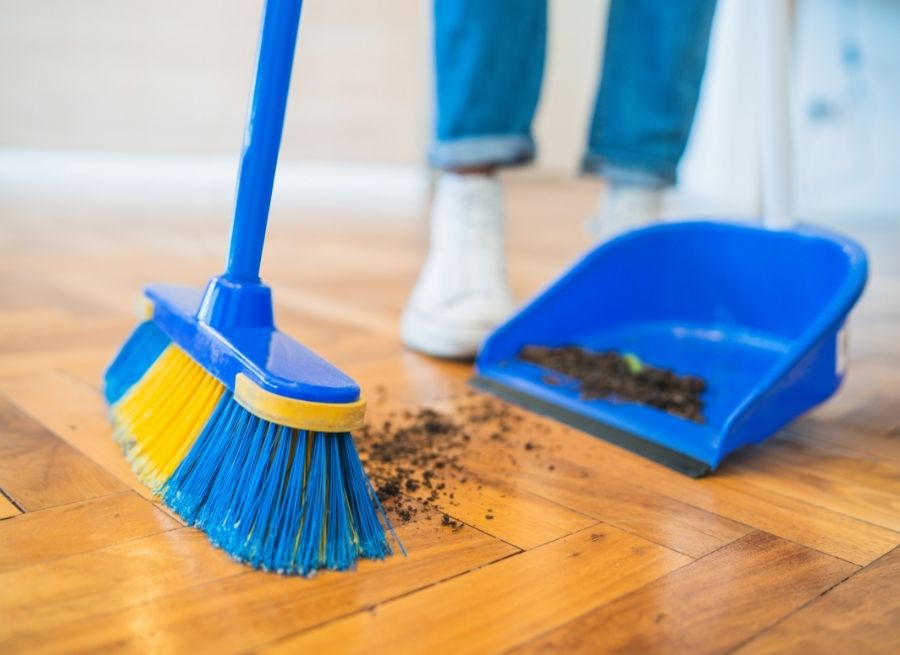
Kitchen floors collect crumbs, dust, food bits, spills, and sometimes sticky spots from cooking or eating. Even if the rest of the kitchen looks clean, a dirty floor can make the whole space feel messy.
Sweeping or spot-cleaning the floor daily helps maintain a fresher kitchen without needing to mop every day.
Why This Habit Helps
Food crumbs on the floor can attract ants, cockroaches, or other pests. Sticky spills can also become harder to clean if they dry.
Daily floor cleaning helps you:
- Remove crumbs and dirt
- Prevent sticky buildup
- Reduce pests
- Keep the kitchen safer
- Make deep cleaning easier
- Improve the overall appearance of the kitchen
This is especially important if you have children, pets, or a kitchen that connects to an outdoor area.
Quick Ways to Clean the Kitchen Floor
You do not need to mop the entire kitchen every day. A quick sweep or spot-clean is often enough.
Try these methods:
- Use a broom for crumbs and dry food bits.
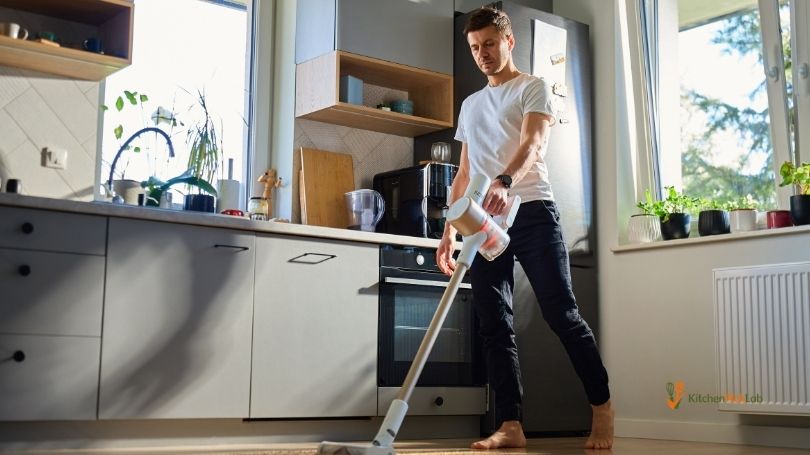
- Use a handheld vacuum for quick cleanup.
- Use a damp cloth for small spills.
- Use a spray mop for sticky spots.
- Keep a small dustpan nearby for convenience.
Focus on high-mess areas like under the dining table, near the stove, around the sink, and below food prep counters.
Clean Spills Immediately
Liquid spills should be cleaned right away to prevent slipping and staining. Sticky spills like juice, sauce, syrup, or oil can attract dirt and become harder to remove later.
If oil spills on the floor, clean it carefully because it can create a slipping hazard.
Best Time to Do This Habit
The best time is at the end of the day after cooking and eating are finished. If you cook multiple times a day, you may want to spot-clean after each meal.
4. Empty Trash and Manage Food Waste

Kitchen trash can quickly create unpleasant smells, especially when it contains food scraps, packaging from raw meat, fruit peels, or leftovers. Even if the trash bag is not full, food waste can make the kitchen smell bad.
Emptying trash and managing food waste daily or as needed is an important habit for a cleaner kitchen.
Why This Habit Helps
Food waste can attract pests and create odors. Managing it properly keeps the kitchen fresher and more hygienic.
This habit helps you:
- Control bad smells
- Reduce pests
- Prevent leaks in the trash bin
- Keep the kitchen more sanitary
- Avoid overflowing garbage
- Make cleaning easier
A clean trash area can improve the overall feel of your kitchen.
How to Manage Kitchen Trash Better
Simple habits can make trash management easier:
- Use a trash bag that fits the bin properly.
- Tie bags securely before removing them.
- Wipe the trash bin if there are leaks or spills.
- Keep a lid on the trash can if possible.
- Avoid letting food scraps sit too long.
- Rinse packaging that may smell before throwing it away.
- Take out trash before it overflows.
If you compost, use a small countertop compost bin with a lid and empty it regularly.
Food Waste That Smells Quickly
Some food scraps create odors faster than others, including:
- Fish and seafood scraps
- Raw meat packaging
- Onion and garlic peels
- Dairy products
- Spoiled fruit
- Leftover sauces
- Eggshells
- Wet food scraps
If your trash contains these items, it is better to remove the bag sooner.
Keep the Trash Area Clean
The area around the trash bin can collect crumbs, leaks, and spills. Wipe the bin lid, rim, and floor nearby if needed. This prevents odors from lingering even after you take the trash out.
Best Time to Do This Habit
Empty the trash at the end of the day or whenever it contains strong-smelling food waste. Do not wait for the bag to be completely full if odors are already noticeable.
5. Reset the Kitchen Before Bed
Read More – 7 Maintenance Tips to Make Kitchen Products Last Longer
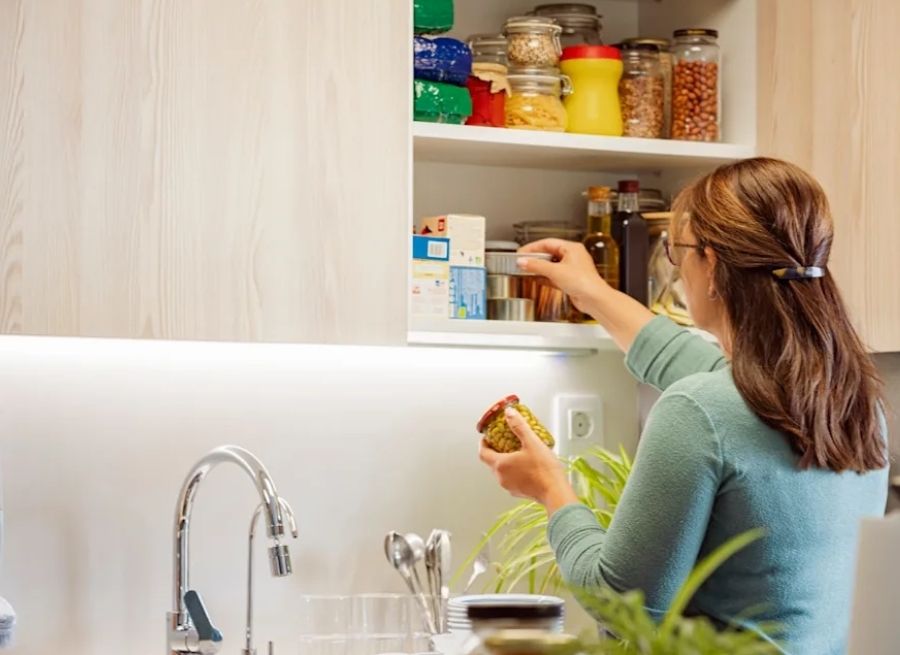
A nightly kitchen reset is one of the best habits for keeping your space clean long-term. It does not have to be a deep clean. It is simply a quick routine that returns your kitchen to a tidy, usable state before the next day.
Waking up to a clean kitchen can make mornings feel calmer and more productive.
Why This Habit Helps
A kitchen reset prevents small messes from carrying into the next day. It also helps you stay consistent with cleaning because you finish the day with a clear space.
This habit helps you:
- Start the morning with a clean kitchen
- Prevent overnight odors
- Reduce stress
- Keep counters clear
- Make breakfast easier
- Maintain good cleaning habits
- Avoid bigger weekend cleaning sessions
A reset can take 10–15 minutes once you build the habit.
Simple Nightly Kitchen Reset Routine
Before bed, try this simple checklist:
- Wash dishes or load the dishwasher.
- Wipe counters and stovetop.
- Put away food and pantry items.
- Sweep visible crumbs.
- Empty trash if needed.
- Wipe the sink.
- Replace or hang dish towels.
- Start the dishwasher if it is full.
- Put cooking tools back in place.
- Clear unnecessary clutter from counters.
You do not have to do everything perfectly every night. Even completing a few steps can make a noticeable difference.
Keep Cleaning Supplies Easy to Reach
You are more likely to clean daily if supplies are easy to access. Keep basic cleaning items in a convenient place.
Useful supplies include:
- Dish soap
- Sponge or dish brush
- Microfiber cloths
- Food-safe surface cleaner
- Trash bags
- Broom and dustpan
- Disinfecting wipes
- Baking soda
- Vinegar solution if suitable for your surfaces
Avoid cluttering your kitchen with too many cleaning products. A few reliable basics are enough for daily maintenance.
Make It a Family Habit
If you live with family or roommates, kitchen cleaning should not fall on one person. Assign small tasks to different people, such as loading dishes, wiping counters, or taking out trash.
A shared routine helps keep the kitchen cleaner and reduces frustration.
Best Time to Do This Habit
The best time is before going to bed or after the final meal of the day. Choose a time that fits your routine and repeat it consistently.
Extra Tips for Keeping Your Kitchen Cleaner Every Day
In addition to the five main habits, a few small changes can make daily cleaning even easier.
Clean as You Cook
Cleaning while cooking prevents mess from piling up. While food simmers or bakes, use that time to wash a cutting board, put ingredients away, or wipe a spill.
This reduces the amount of cleanup needed after the meal.
Keep Counters Mostly Clear
The fewer items you keep on your counters, the easier they are to clean. Try to store appliances and tools you do not use daily in cabinets or shelves.
A clear counter also makes the kitchen feel bigger and more organized.
Use a Splatter Guard When Cooking
A splatter guard can reduce grease mess when frying or sautéing. This keeps your stovetop, backsplash, and nearby counters cleaner.
Line Trash Bins Properly
Use strong trash bags that fit your bin. A bag that slips down or leaks can create extra mess and odor.
Replace Sponges and Cloths Regularly
Sponges and dishcloths can hold odors and bacteria if not cleaned or replaced. Rinse them well, let them dry, and replace them when they smell or look worn.
Put Ingredients Away Immediately
After using spices, oils, flour, sugar, or pantry items, put them back right away. This keeps counters clear and prevents clutter from building up.
Common Kitchen Cleaning Mistakes to Avoid
Daily cleaning becomes easier when you avoid habits that create more mess or damage surfaces.
Using the Same Cloth Everywhere
Using one cloth for counters, floors, and spills can spread germs. Use separate cloths or rinse and sanitize them properly between tasks.
Ignoring the Sink
Even if dishes are done, the sink can still hold food particles, grease, and odors. Give the sink a quick rinse or wipe daily.
Letting Grease Build Up
Grease becomes harder to remove the longer it sits. Wipe the stovetop and nearby surfaces after cooking with oil.
Overusing Harsh Cleaners
Strong cleaners are not always necessary for daily cleaning. They may damage some surfaces if used incorrectly. Always follow product instructions and use surface-safe cleaners.
Forgetting Handles and Knobs
Cabinet handles, refrigerator handles, microwave buttons, and stove knobs are touched often. Wipe them regularly, especially after handling raw ingredients.
FAQs About Daily Kitchen Cleaning Habits
1. What should I clean in my kitchen every day?
You should clean dishes, counters, the stovetop, visible floor crumbs, the sink, and trash if needed. These areas collect food residue and odors quickly, so daily attention keeps the kitchen fresh.
2. How long should daily kitchen cleaning take?
Daily kitchen cleaning can take about 10–20 minutes, depending on the size of your kitchen and how much cooking you do. A quick nightly reset is often enough to keep the space manageable.
3. Should I mop the kitchen floor every day?
Most kitchens do not need full mopping every day. Sweeping or spot-cleaning daily is usually enough. Mop when the floor is sticky, visibly dirty, or after spills.
4. How do I keep my kitchen smelling fresh?
Wash dishes, empty food waste, wipe spills, clean the sink, and take out trash when needed. Good ventilation while cooking also helps reduce lingering food smells.
5. What is the easiest way to keep a kitchen clean?
The easiest way is to clean small messes immediately and reset the kitchen every night. Washing dishes, wiping counters, and putting items away daily prevents bigger messes from building up.
Conclusion
Keeping your kitchen clean does not have to feel overwhelming. By building a few simple daily habits, you can maintain a cleaner, fresher, and more comfortable cooking space.
Start with the basics: wash dishes or load the dishwasher, wipe counters and the stovetop, sweep or spot-clean the floor, empty trash when needed, and reset the kitchen before bed.
These habits take only a few minutes each day, but they make a big difference over time. A cleaner kitchen helps you cook more easily, reduce stress, and enjoy your home more.