Can You Put Wooden Spoons in the Dishwasher?
Last Updated on September 9, 2026
Are you wondering if it’s safe to put your wooden spoons in the dishwasher? You’re not alone.
Wooden utensils are a kitchen staple, but cleaning them properly can be tricky. You want your spoons to last, stay strong, and avoid cracking or warping. You’ll discover the truth about dishwashing wooden spoons and learn the best way to keep them clean without damage.
Keep reading to protect your favorite kitchen tools and make your cleanup easier!
Wooden Spoons And Dishwashers
Read More – What Is the Best Cutting Board Material for Daily Use?
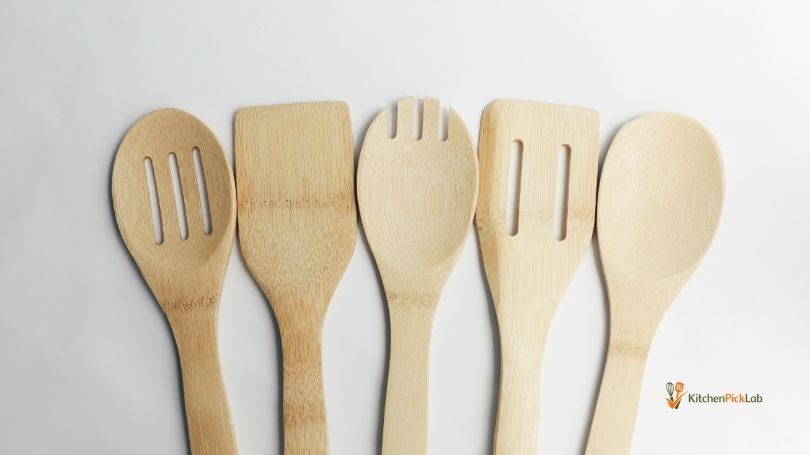
Wooden spoons are common kitchen tools. They are strong and gentle on pots. Many people wonder if dishwashers can clean them safely. The answer is not simple.
Wood is a natural material. It can soak up water. Dishwashers use hot water and strong detergents. This can harm wooden spoons.
How Dishwashers Affect Wooden Spoons
Dishwashers expose wooden spoons to heat and moisture. This causes the wood to expand and contract. Over time, the spoon may crack or warp. The finish on the wood can also wear off. This makes spoons rough and unsafe to use.
Risks Of Putting Wooden Spoons In The Dishwasher
Wood can absorb dishwasher detergent. This may cause unpleasant smells or tastes in food. Cracks in spoons can hold bacteria. This makes them unsafe for cooking. The dishwasher’s heat can dry out the wood, causing it to break faster.
Best Ways To Clean Wooden Spoons
Hand washing is the safest choice for wooden spoons. Use warm water and mild soap. Dry them immediately with a towel. Avoid soaking spoons in water for long times. This helps keep wood strong and clean.
How Dishwashers Affect Wood
Wooden spoons bring a warm, natural feel to your kitchen. They are strong and last a long time. But dishwashers use heat, water, and strong detergents. These can harm wood over time. Understanding how dishwashers affect wood helps you care for your utensils better.
Heat Damage Risks
Dishwashers use high temperatures to clean dishes. This heat can dry out wooden spoons. When wood loses moisture, it may crack or warp. Cracks make spoons weaker and unsafe to use. Warping changes the spoon’s shape, making it less useful. Repeated heat exposure speeds up this damage.
Water Exposure Effects
Wood absorbs water easily. Long dishwasher cycles soak wooden spoons in water. Too much water causes swelling and softening. Swollen wood may lose its smooth finish. After drying, wood can shrink and crack. This cycle repeats every wash, wearing down the spoon.
Detergent Impact On Wood
Dishwasher detergents contain strong chemicals. These chemicals strip natural oils from the wood. Oils protect wood and keep it smooth. Without oils, wood feels rough and dry. Harsh detergents can also fade the wood’s color. This weakens the spoon and shortens its life.
Potential Problems With Dishwashing Wooden Spoons
Read More – How Do You Clean a Wooden Cutting Board Properly?
Wooden spoons are a kitchen staple, loved for their natural feel and durability. Washing them in a dishwasher might seem easy. Yet, this method can cause several issues that reduce their lifespan and appearance. Understanding these problems helps keep wooden spoons in good shape longer.
Cracking And Splitting
Wood is sensitive to water and heat. The dishwasher exposes spoons to both intensely. This exposure makes the wood dry out quickly. Dry wood can crack or split, ruining the spoon’s structure. Cracks trap food and bacteria, making the spoon unsafe to use.
Warping And Swelling
Wood absorbs water during dishwasher cycles. This causes the spoon to swell unevenly. After drying, the wood shrinks, leading to warping. Warped spoons lose their smooth surface and may become uncomfortable to hold. Warping also affects how well the spoon fits in cooking pots.
Loss Of Finish And Shine
Wooden spoons often have a finish to protect them. The dishwasher’s harsh detergents strip this finish away. Without protection, the wood looks dull and rough. The spoon loses its natural shine and becomes more prone to damage. Over time, it may feel coarse and less pleasant to use.
Safe Cleaning Alternatives
Wooden spoons need gentle care to last long. Dishwashers can crack or warp wood. Safe cleaning keeps your spoons strong and clean.
Simple steps help protect your wooden kitchen tools. Using the right cleaning methods stops damage and bacteria build-up.
Hand Washing Tips
Wash wooden spoons by hand right after use. Use a soft sponge to avoid scratches. Scrub gently to remove food particles. Avoid soaking spoons in water for too long.
Using Mild Soap And Warm Water
Use mild soap to clean wooden spoons. Hot water can dry out the wood. Warm water cleans well without harm. Rinse thoroughly to remove all soap.
Drying And Maintaining Wooden Spoons
Dry spoons with a clean towel after washing. Let them air dry completely before storing. Keep spoons away from direct heat or sunlight. Occasionally, rub spoon surfaces with mineral oil to keep wood smooth.
When Dishwashing Might Be Okay
Wooden spoons can sometimes go in the dishwasher if they are sturdy and well-sealed. Avoid high heat cycles, as they may crack or warp the wood. Hand washing is usually safer to keep them in good shape longer.
Dishwasher-safe Wooden Utensils
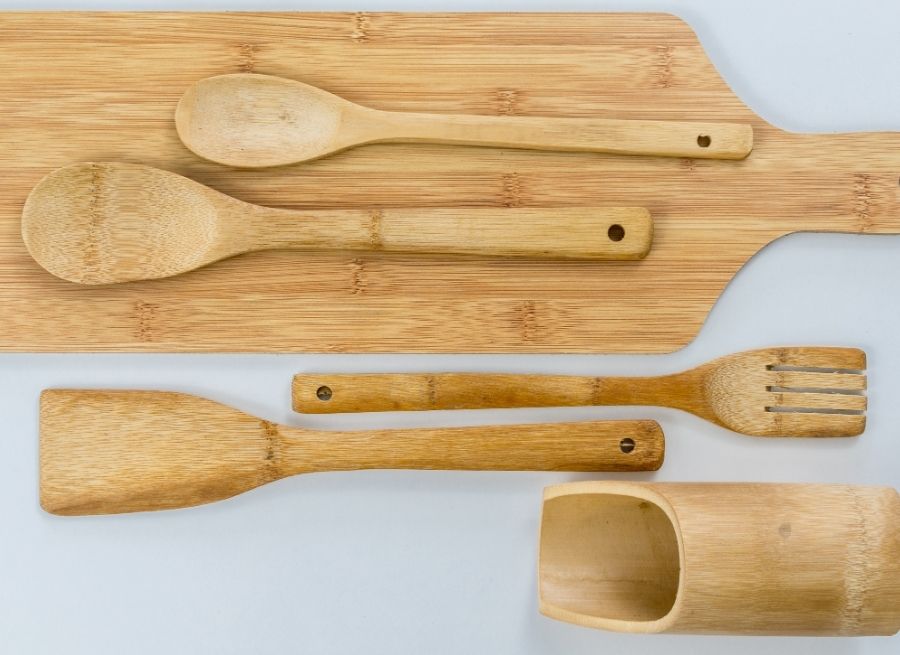
Some wooden spoons are made to handle dishwashers. These spoons use special wood or coatings that resist water damage. Check the label or packaging to see if it says “dishwasher safe.” Wooden spoons made from hardwood, like maple or bamboo, often last longer in dishwashers. They can handle more moisture without cracking or warping. Still, even dishwasher-safe wooden spoons may not last as long as plastic or metal ones.
Short Cycle And Low-heat Options
Using a short cycle helps protect wooden utensils in the dishwasher. Short cycles use less water and heat, reducing stress on wood. Choose low-heat or eco-friendly settings to avoid warping. High heat can dry out wood, causing it to crack or split. Place wooden spoons on the top rack to keep them away from heating elements. This simple step can help keep your wooden spoons in better shape.
Extending The Life Of Wooden Spoons
Wooden spoons are a classic kitchen tool. They last long with proper care. Taking care of wooden spoons keeps them strong and safe to use. Simple habits help wooden spoons stay smooth and clean.
Regular Oiling And Conditioning
Wood absorbs moisture and food oils over time. This can make spoons dry and crack. Use mineral oil or beeswax to treat wooden spoons. Apply a small amount and rub it in well. Do this once a month to keep wood soft. Oiling stops wood from splitting and warping.
Avoiding Prolonged Soaking
Never leave wooden spoons in water for a long time. Soaking makes wood swell and weaken. It also causes bacteria to grow inside the wood. Wash spoons quickly with warm, soapy water. Dry them right away with a clean towel. This keeps wood strong and clean.
Storing Wooden Utensils Properly
Store wooden spoons in a dry place. Avoid keeping them in damp drawers or containers. Air circulation helps wood stay fresh and dry. Use a utensil holder or hang them on hooks. Proper storage stops mold and bad smells from forming.
Read More – Why Do Kitchen Knives Rust and How Can You Prevent It?
Frequently Asked Questions
Can Wooden Spoons Be Safely Washed In A Dishwasher?
Wooden spoons are not dishwasher-safe. Heat and moisture cause wood to crack and warp. Hand washing extends their lifespan.
Why Do Wooden Spoons Crack In Dishwashers?
Dishwashers expose wooden spoons to high heat and water. This dries out the wood, causing it to crack and split.
How To Properly Clean Wooden Spoons?
Clean wooden spoons with warm, soapy water by hand. Rinse well and dry immediately to prevent water damage.
Can Dishwasher Detergents Damage Wooden Utensils?
Yes, dishwasher detergents are harsh and strip natural oils from wood. This weakens the spoon and promotes cracking.
Conclusion
Wooden spoons do not always handle the dishwasher well. The heat and water can cause cracks and warping. Washing them by hand keeps them strong and long-lasting. Use mild soap and warm water for cleaning. Dry them quickly to avoid damage.
Taking care of wooden spoons helps maintain their quality. Simple steps protect your kitchen tools every day. Choose hand washing to keep wooden spoons in good shape. It’s a small effort with great results.