Top 5 Cookware Materials and What They Are Best For
Choosing the right cookware can make a big difference in how your food cooks, tastes, and even how easy your cleanup becomes. Many home cooks focus only on the shape of a pan or the brand name, but the material of the cookware is just as important.
Different cookware materials heat differently, react differently with food, and require different levels of care. Some are excellent for high-heat searing, while others are better for delicate foods like eggs, pancakes, or fish. Some cookware is lightweight and easy to use, while others are heavier but more durable.
In this guide, we’ll explore the top 5 cookware materials and what they are best for, so you can choose the right pots and pans for your kitchen.
In this article
- Why Cookware Material Matters
- Quick Overview: Best Cookware Materials
- 1. Stainless Steel Cookware
- 2. Cast Iron Cookware
- 3. Nonstick Cookware
- 4. Carbon Steel Cookware
- 5. Copper Cookware
- Other Cookware Materials Worth Knowing
- How to Choose the Best Cookware Material for Your Kitchen
- Best Cookware Setup for Most Home Kitchens
- Common Mistakes to Avoid When Buying Cookware
- Cookware Material Comparison Chart
- Final Thoughts
- FAQs About Cookware Materials
- What is the best cookware material for everyday cooking?
- Which cookware material is best for beginners?
- Is stainless steel better than nonstick?
- Is cast iron cookware worth it?
- What cookware material is best for searing steak?
- What cookware is best for eggs?
- Is copper cookware good for daily cooking?
- Which cookware material lasts the longest?
- What cookware material is easiest to clean?
- What is the safest cookware material?
- Can I use metal utensils on all cookware?
- What cookware should every kitchen have?
Why Cookware Material Matters
Cookware material affects more than just appearance. It directly impacts your cooking experience and the final result of your meals.
The right cookware material can help you:
- Cook food more evenly
- Prevent burning or sticking
- Improve browning and searing
- Control cooking temperature better
- Reduce cleanup time
- Make cookware last longer
- Choose safer options for different cooking styles
For example, a stainless steel pan is great for browning meat, but it may not be the easiest option for cooking eggs. A nonstick pan is convenient for eggs and pancakes, but it may not be ideal for very high heat. Cast iron holds heat beautifully, but it needs proper care to prevent rust.
Understanding cookware materials helps you use each pan for the right purpose.
Quick Overview: Best Cookware Materials
| Cookware Material | Best For | Main Advantage | Main Drawback |
|---|---|---|---|
| Stainless Steel | Searing, sautéing, boiling, everyday cooking | Durable and versatile | Food can stick without proper technique |
| Cast Iron | Searing, frying, baking, high-heat cooking | Excellent heat retention | Heavy and needs maintenance |
| Nonstick | Eggs, pancakes, fish, low-oil cooking | Easy food release and cleanup | Coating can wear over time |
| Carbon Steel | Stir-frying, searing, omelets, fast cooking | Lightweight alternative to cast iron | Needs seasoning and care |
| Copper | Sauces, delicate cooking, precise temperature control | Heats quickly and evenly | Expensive and requires maintenance |
1. Stainless Steel Cookware
Read More – 5 Everyday Cookware Pieces for a Practical Home Kitchen
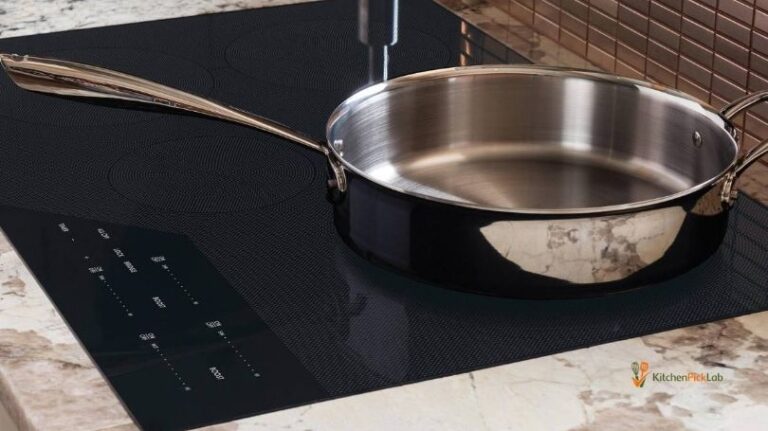
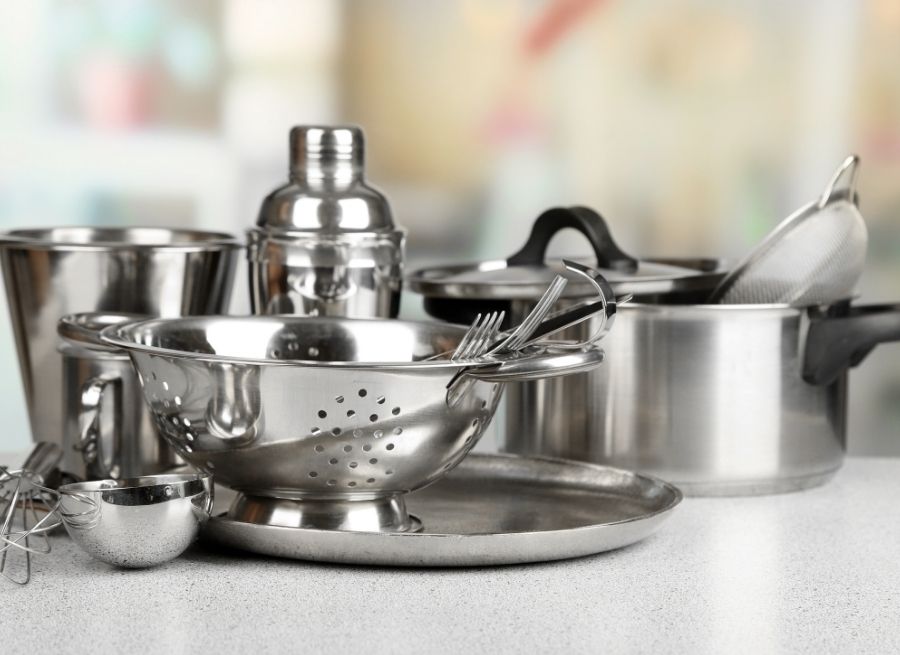
Stainless steel is one of the most popular cookware materials because it is durable, versatile, and suitable for many cooking tasks. It is commonly used for frying pans, saucepans, stockpots, sauté pans, and cookware sets.
Good stainless steel cookware often has an aluminum or copper core between layers of stainless steel. This helps improve heat distribution because stainless steel alone does not conduct heat as well as some other metals.
What Stainless Steel Is Best For
Stainless steel cookware is best for:
- Searing meat
- Browning chicken
- Sautéing vegetables
- Making pan sauces
- Boiling pasta
- Simmering soups
- Cooking acidic foods like tomato sauce
- Deglazing with broth, wine, or vinegar
Stainless steel is especially useful when you want good browning. When meat or vegetables brown properly, they create flavorful bits on the bottom of the pan. These bits can be used to make sauces and gravies.
Benefits of Stainless Steel Cookware
Stainless steel is popular for several reasons.
- Very durable: It can last for many years with proper care.
- Non-reactive: It does not react strongly with acidic foods like tomatoes or citrus.
- Good for high heat: It can handle searing and browning.
- Low maintenance: It does not require seasoning like cast iron or carbon steel.
- Professional appearance: It looks clean and modern in the kitchen.
- Usually dishwasher-safe: Many stainless steel pans can go in the dishwasher, depending on the manufacturer.
Drawbacks of Stainless Steel Cookware
Stainless steel is not perfect for every task.
- Food can stick if the pan is not heated properly.
- Cheap stainless steel may heat unevenly.
- It is not naturally nonstick.
- It may discolor after high-heat cooking.
- Quality stainless steel cookware can be expensive.
Tips for Cooking With Stainless Steel
To reduce sticking, preheat the pan before adding oil. A properly heated stainless steel pan helps food release more easily.
A simple method is:
- Heat the empty pan for a short time.
- Add oil and let it shimmer.
- Add food once the oil is hot.
- Avoid moving meat too soon; it often releases naturally after browning.
Who Should Buy Stainless Steel Cookware?
Stainless steel cookware is ideal for people who want durable, versatile cookware for everyday cooking. If you cook meat, vegetables, pasta, soups, sauces, or one-pan meals, stainless steel is a smart choice.
2. Cast Iron Cookware
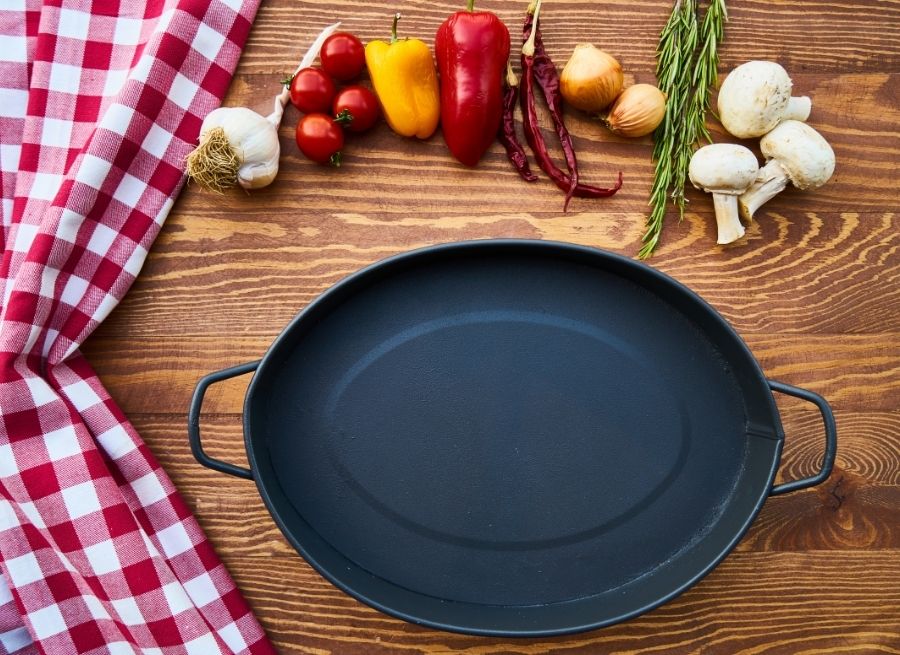
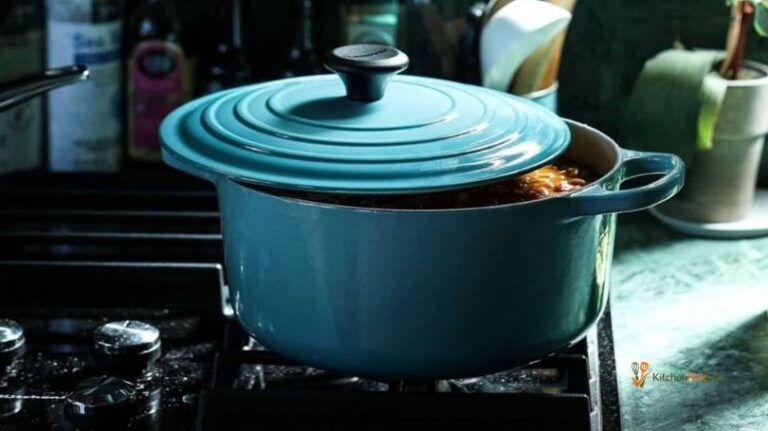
Cast iron is one of the oldest and most trusted cookware materials. It is known for its excellent heat retention, durability, and ability to develop a natural nonstick surface over time when seasoned properly.
Cast iron cookware is commonly used for skillets, Dutch ovens, grill pans, griddles, and baking pans.
What Cast Iron Is Best For
Cast iron cookware is best for:
- Searing steaks
- Frying chicken
- Cooking burgers
- Baking cornbread
- Roasting vegetables
- Making skillet pizza
- Cooking over campfires
- Oven-to-table recipes
Cast iron is especially good for high-heat cooking. Once it gets hot, it stays hot, which makes it excellent for creating a deep crust on meat.
Benefits of Cast Iron Cookware
Cast iron has many advantages.
- Excellent heat retention: It stays hot for a long time.
- Very durable: A good cast iron pan can last for generations.
- Naturally nonstick when seasoned: The cooking surface improves with use.
- Oven-safe: Most cast iron can go from stovetop to oven.
- Great for searing: It produces strong browning and crust.
- Affordable: Basic cast iron skillets are often reasonably priced.
Drawbacks of Cast Iron Cookware
Cast iron requires more care than some other materials.
- It is heavy.
- It can rust if not dried properly.
- It needs seasoning to maintain the cooking surface.
- It heats slowly.
- Acidic foods can affect the seasoning if cooked for a long time.
- It may not be ideal for delicate foods until well-seasoned.
Tips for Cooking With Cast Iron
To keep cast iron in good condition:
- Dry it completely after washing.
- Apply a thin layer of oil after cleaning.
- Avoid soaking it in water.
- Use medium heat at first because cast iron retains heat strongly.
- Re-season it if food starts sticking or the surface looks dull.
Who Should Buy Cast Iron Cookware?
Cast iron is perfect for people who enjoy searing, frying, baking, or cooking hearty meals. It is also a great choice for anyone who wants long-lasting cookware and does not mind a little maintenance.
3. Nonstick Cookware
Read More – 6 Common Cookware Mistakes That Can Ruin Your Pans
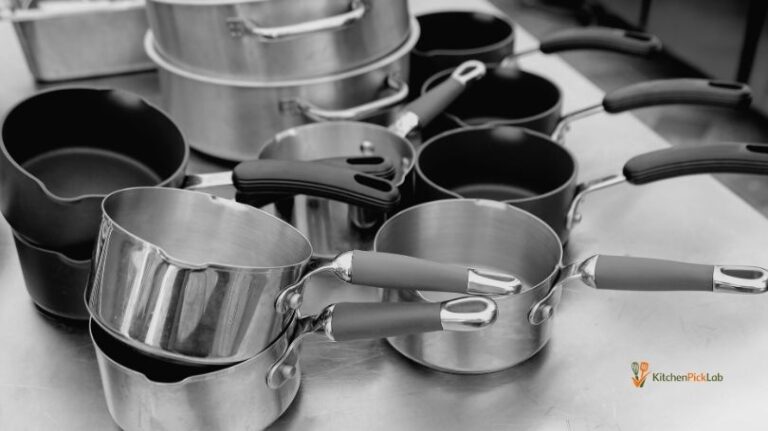
Nonstick cookware is designed to prevent food from sticking to the cooking surface. It is one of the easiest cookware types to use, especially for beginners or anyone who wants quick cleanup.
Nonstick pans are commonly used for eggs, pancakes, crepes, fish, and low-oil cooking.
What Nonstick Cookware Is Best For
Nonstick cookware is best for:
- Eggs
- Omelets
- Pancakes
- Crepes
- Fish fillets
- Grilled cheese
- Low-fat cooking
- Delicate foods that break easily
If you often cook breakfast foods, a nonstick pan can save time and reduce frustration.
Benefits of Nonstick Cookware
Nonstick cookware is popular because it is convenient.
- Easy food release: Food slides out more easily.
- Simple cleanup: Most residue wipes away quickly.
- Less oil needed: Good for lower-fat cooking.
- Beginner-friendly: Easier to use than stainless steel or cast iron.
- Lightweight: Many nonstick pans are easy to handle.
- Great for delicate foods: Eggs and fish are less likely to tear or break.
Drawbacks of Nonstick Cookware
Nonstick cookware has some limitations.
- The coating can wear out over time.
- It is not ideal for high-heat searing.
- Metal utensils can scratch the surface.
- Some nonstick pans are not oven-safe.
- It usually does not last as long as stainless steel or cast iron.
Tips for Cooking With Nonstick Cookware
To make nonstick cookware last longer:
- Use low to medium heat.
- Avoid metal utensils.
- Use silicone, nylon, or wooden utensils.
- Do not heat an empty nonstick pan for too long.
- Wash gently with a soft sponge.
- Avoid abrasive cleaners.
Who Should Buy Nonstick Cookware?
Nonstick cookware is ideal for people who cook eggs, pancakes, or delicate foods often. It is also useful for beginners, busy cooks, and anyone who wants quick cleanup.
4. Carbon Steel Cookware
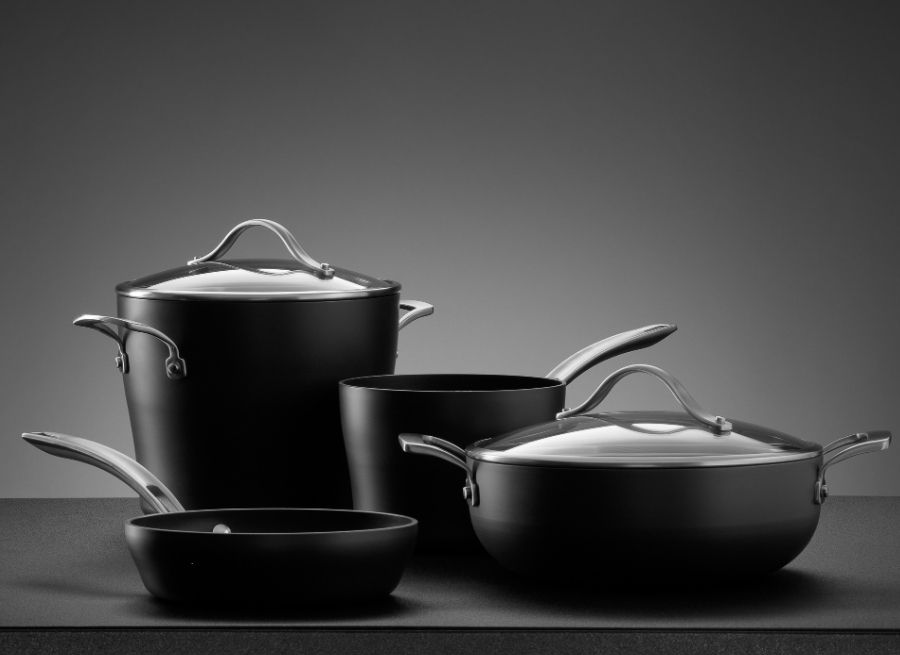
Carbon steel cookware is often described as a lighter, more responsive cousin of cast iron. It is popular in professional kitchens because it heats quickly, handles high heat well, and becomes naturally nonstick when seasoned.
Carbon steel is commonly used for frying pans, woks, crepe pans, and omelet pans.
What Carbon Steel Is Best For
Carbon steel cookware is best for:
- Stir-frying
- Searing meat
- Cooking omelets
- Making crepes
- Sautéing vegetables
- High-heat cooking
- Fast weeknight meals
- Wok cooking
Carbon steel is especially good when you need quick heat response. It heats faster than cast iron and is easier to move around the stove.
Benefits of Carbon Steel Cookware
Carbon steel offers many practical advantages.
- Heats quickly: Great for fast cooking.
- Lighter than cast iron: Easier to lift and toss food.
- Naturally nonstick with seasoning: The surface improves over time.
- Excellent for high heat: Perfect for stir-frying and searing.
- Durable: Can last for many years.
- Versatile: Works on stovetops and often in ovens.
Drawbacks of Carbon Steel Cookware
Carbon steel also needs care.
- It requires seasoning.
- It can rust if not dried properly.
- Acidic foods can damage the seasoning.
- It may look stained or uneven over time.
- It is not usually dishwasher-safe.
Carbon Steel vs Cast Iron
| Feature | Carbon Steel | Cast Iron |
|---|---|---|
| Weight | Lighter | Heavier |
| Heat Response | Heats and cools faster | Holds heat longer |
| Best For | Stir-frying, omelets, quick searing | Steaks, frying, baking |
| Maintenance | Needs seasoning | Needs seasoning |
| Durability | Very durable | Extremely durable |
Both materials are excellent, but carbon steel is better if you want something lighter and more responsive. Cast iron is better when you want maximum heat retention.
Who Should Buy Carbon Steel Cookware?
Carbon steel is a great choice for confident home cooks who want durable, high-performance cookware. It is especially useful if you like stir-fries, seared foods, omelets, or fast stovetop cooking.
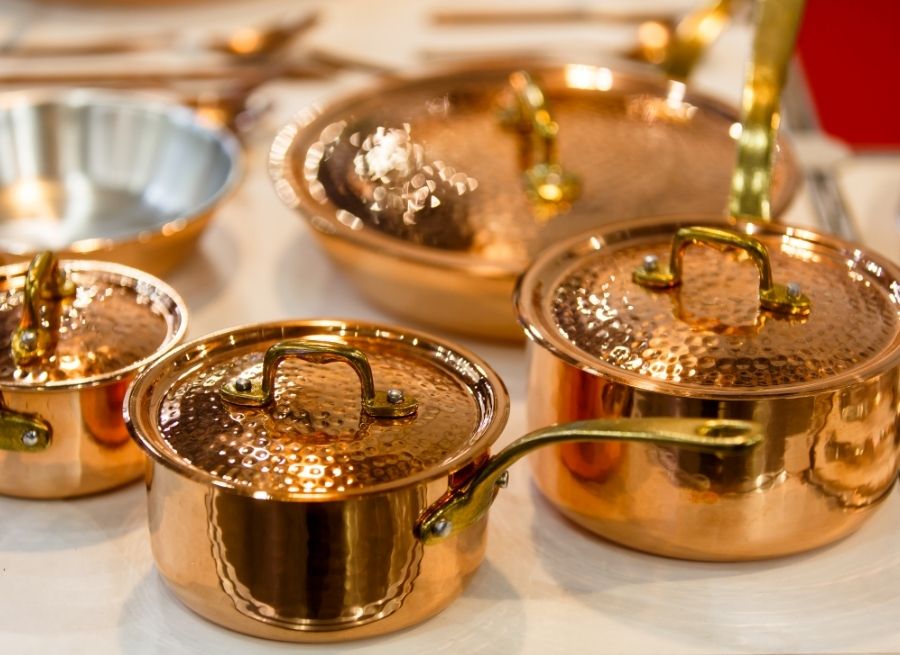
5. Copper Cookware
Read More – 7 Things to Check Before Buying New Cookware
Copper cookware is known for its outstanding heat conductivity. It heats quickly and responds almost instantly when you change the burner temperature. This makes it excellent for precise cooking.
Many copper pans are lined with stainless steel or tin because copper itself can react with food. High-quality copper cookware is often used by serious home cooks and professional chefs.
What Copper Cookware Is Best For
Copper cookware is best for:
- Sauces
- Caramel
- Chocolate
- Delicate proteins
- Precise simmering
- Temperature-sensitive recipes
- Reductions
- Custards
Copper is especially useful when temperature control matters. If a recipe can easily burn, split, or overcook, copper can help you manage heat more accurately.
Benefits of Copper Cookware
Copper cookware has several important strengths.
- Excellent heat conductivity: It heats very quickly and evenly.
- Precise temperature control: Responds quickly to heat changes.
- Beautiful appearance: Adds a classic, premium look to the kitchen.
- Great for delicate cooking: Helps prevent overheating.
- Professional performance: Loved by many experienced cooks.
Drawbacks of Copper Cookware
Copper cookware is not the best choice for everyone.
- It is expensive.
- It requires polishing to maintain shine.
- It can dent more easily than stainless steel or cast iron.
- It is usually heavier than basic aluminum cookware.
- It may not work on induction unless it has a compatible base.
- Lined copper cookware may need special care.
Tips for Cooking With Copper Cookware
To care for copper cookware:
- Follow the manufacturer’s cleaning instructions.
- Avoid abrasive cleaners on polished copper.
- Use moderate heat because copper heats quickly.
- Check whether it is induction-compatible before buying.
- Do not use damaged or unlined copper for general cooking.
Who Should Buy Copper Cookware?
Copper cookware is best for serious cooks who want precise heat control and are willing to invest in premium cookware. It is especially useful for sauces, desserts, and delicate recipes.
Other Cookware Materials Worth Knowing
While the five materials above are among the most common and useful, there are a few other cookware materials you may see when shopping.
Aluminum Cookware
Aluminum heats quickly and is lightweight. It is often used as a core material inside stainless steel cookware or as hard-anodized aluminum cookware. Plain aluminum can react with acidic foods, so many modern aluminum pans have a protective coating or anodized surface.
Hard-Anodized Cookware
Hard-anodized cookware is made from aluminum that has been treated to make it harder and more durable. It often has a nonstick surface and is popular for everyday cooking. It is usually easier to maintain than cast iron or carbon steel.
Ceramic Nonstick Cookware
Ceramic nonstick cookware has a coating designed to provide food release without traditional nonstick coatings. It can be useful for low-to-medium heat cooking, but the coating may lose performance over time.
Enameled Cast Iron
Enameled cast iron has a porcelain coating over cast iron. It offers the heat retention of cast iron but does not require seasoning. It is excellent for soups, stews, braising, and slow cooking, but it can be heavy and expensive.
How to Choose the Best Cookware Material for Your Kitchen
The best cookware material depends on what you cook most often. You do not need every type of pan, but having a few different materials can make cooking easier and more enjoyable.
For Everyday Cooking
For general daily cooking, stainless steel is one of the best choices. It is durable, versatile, and suitable for many recipes. A stainless steel saucepan, stockpot, and frying pan can cover many basic cooking needs.
For Eggs and Breakfast Foods
For eggs, pancakes, and crepes, nonstick cookware is the easiest option. It reduces sticking and makes cleanup simple.
For Searing Meat
For steak, burgers, or chicken thighs, cast iron and carbon steel are excellent. Both can handle high heat and create strong browning.
For Stir-Frying
For stir-frying vegetables, noodles, rice, or meat, carbon steel is one of the best choices. A carbon steel wok heats quickly and responds well to high heat.
For Sauces and Delicate Recipes
For sauces, caramel, chocolate, or custards, copper cookware provides excellent temperature control. However, stainless steel can also work well for most home cooks.
For Low-Maintenance Cooking
If you want easy maintenance, choose stainless steel and nonstick. Stainless steel lasts long, while nonstick makes delicate foods easier.
Best Cookware Setup for Most Home Kitchens
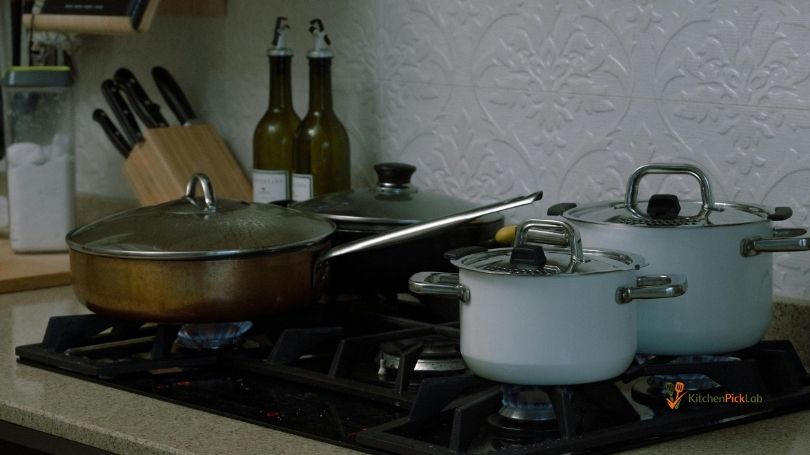
You do not need a huge cookware set to cook well. In many cases, a few carefully chosen pieces are better than a large set with pans you rarely use.
A practical cookware setup may include:
- Stainless steel saucepan for sauces, boiling, and reheating
- Stainless steel stockpot for pasta, soups, and large-batch cooking
- Nonstick frying pan for eggs, pancakes, and delicate foods
- Cast iron skillet for searing, frying, and oven recipes
- Carbon steel wok or pan for stir-frying and fast cooking
If you enjoy advanced cooking or want premium performance, you can add a copper saucepan for sauces and delicate recipes.
Common Mistakes to Avoid When Buying Cookware
Choosing cookware can be confusing, especially with so many options available. Avoiding common mistakes can help you buy cookware that lasts longer and performs better.
Buying a Large Set Without Thinking
Large cookware sets may seem like good value, but many people end up using only a few pieces. It is often better to buy individual pans based on your cooking needs.
Choosing Only Based on Looks
Cookware should look nice, but performance matters more. A beautiful pan is not useful if it does not heat well or match your cooking style.
Ignoring Weight
Some cookware, especially cast iron and copper, can be heavy. If a pan is too heavy for you to lift comfortably, you may not use it often.
Using the Wrong Pan for the Job
Each material has strengths and weaknesses. For example, nonstick is great for eggs but not ideal for high-heat searing. Stainless steel is great for browning but needs proper technique to prevent sticking.
Forgetting About Maintenance
Some cookware requires special care. Cast iron and carbon steel need seasoning. Copper may need polishing. Nonstick requires gentle utensils and cleaning.
Not Checking Stovetop Compatibility
If you have an induction cooktop, make sure your cookware is induction-compatible. Stainless steel, cast iron, and carbon steel often work on induction, but copper and aluminum may not unless they have a magnetic base.
Cookware Material Comparison Chart
| Material | Heat Conductivity | Heat Retention | Ease of Cleaning | Durability | Best Skill Level |
|---|---|---|---|---|---|
| Stainless Steel | Medium to Good | Good | Medium | Excellent | Beginner to Advanced |
| Cast Iron | Medium | Excellent | Medium | Excellent | Intermediate |
| Nonstick | Medium | Medium | Excellent | Medium | Beginner |
| Carbon Steel | Good | Good | Medium | Excellent | Intermediate |
| Copper | Excellent | Medium | Medium | Good | Advanced |
Final Thoughts
The best cookware material depends on what you cook, how often you cook, and how much maintenance you are willing to do. Stainless steel is the best all-around choice for everyday cooking. Cast iron is excellent for searing, frying, and baking. Nonstick cookware is perfect for eggs and delicate foods. Carbon steel is great for stir-frying and high-heat cooking. Copper cookware is ideal for precise temperature control and delicate recipes.
For most home kitchens, a combination of stainless steel, nonstick, and cast iron is enough to handle daily cooking. If you enjoy stir-frying, add carbon steel. If you love sauces and precision cooking, copper can be a premium upgrade.
The key is to choose cookware based on real cooking habits, not just trends. When you match the right material to the right cooking task, your meals become easier, faster, and more consistent.
FAQs About Cookware Materials
What is the best cookware material for everyday cooking?
Stainless steel is one of the best cookware materials for everyday cooking because it is durable, versatile, and suitable for many dishes. It works well for sautéing, boiling, simmering, browning, and making sauces.
Which cookware material is best for beginners?
Nonstick cookware is often best for beginners because it is easy to use and clean. It is especially helpful for eggs, pancakes, fish, and other foods that commonly stick to the pan.
Is stainless steel better than nonstick?
Stainless steel and nonstick are better for different tasks. Stainless steel is more durable and better for browning, searing, and high-heat cooking. Nonstick is easier for eggs, pancakes, and delicate foods. Many kitchens benefit from having both.
Is cast iron cookware worth it?
Yes, cast iron cookware is worth it if you want durable cookware that can sear, fry, bake, and retain heat well. It does require proper cleaning and seasoning, but it can last for decades with good care.
What cookware material is best for searing steak?
Cast iron and carbon steel are excellent for searing steak because they can handle high heat and create strong browning. Stainless steel can also work well if it has a thick, quality base.
What cookware is best for eggs?
Nonstick cookware is best for eggs because it helps prevent sticking and makes flipping or sliding eggs out of the pan easier. A well-seasoned carbon steel or cast iron pan can also work, but nonstick is more beginner-friendly.
Is copper cookware good for daily cooking?
Copper cookware performs very well, but it may not be the most practical choice for everyone. It is expensive and requires more care than stainless steel or nonstick. It is best for cooks who want precise temperature control.
Which cookware material lasts the longest?
Cast iron, carbon steel, and stainless steel can last the longest with proper care. Cast iron can even last for generations. Nonstick cookware usually has a shorter lifespan because the coating wears down over time.
What cookware material is easiest to clean?
Nonstick cookware is usually the easiest to clean because food releases easily from the surface. Stainless steel is also manageable, but stuck-on food may require soaking or gentle scrubbing.
What is the safest cookware material?
Stainless steel, cast iron, carbon steel, and properly used nonstick cookware are all common choices for home kitchens. Safety depends on using cookware correctly, avoiding overheating nonstick coatings, and following the manufacturer’s care instructions.
Can I use metal utensils on all cookware?
No. Metal utensils can scratch nonstick and some coated cookware. They are generally safer to use on stainless steel, cast iron, and carbon steel, but you should still avoid aggressive scraping if you want to protect the surface.
What cookware should every kitchen have?
A practical kitchen should have at least one stainless steel saucepan, one stainless steel or cast iron skillet, one nonstick frying pan, and one large pot for pasta or soup. These pieces can handle most daily cooking tasks.