Can Cast Iron Go In Microwave? Why It Is Never Safe
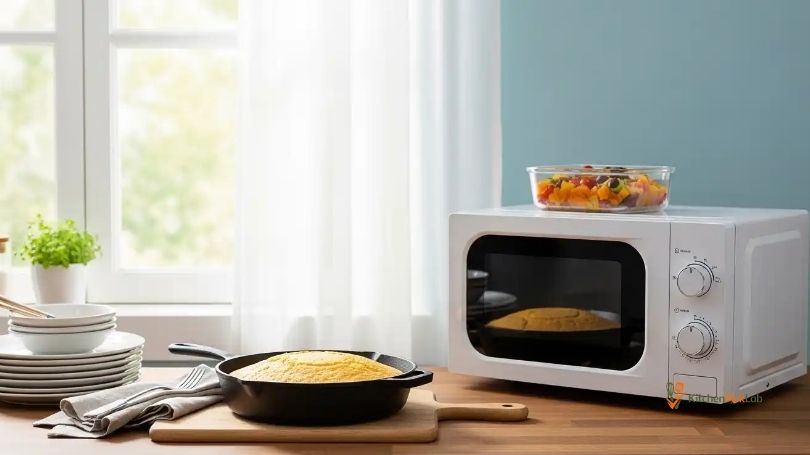
No, you can’t put cast iron in the microwave. Can cast iron go in microwave appliances? The answer is a clear safety warning: iron reflects energy instead of absorbing it. That reflection can trigger electrical arcing and destroy the appliance within seconds. Take the food out of the skillet right now and move it onto a plain ceramic or glass plate before heating.
When you can microwave cast iron
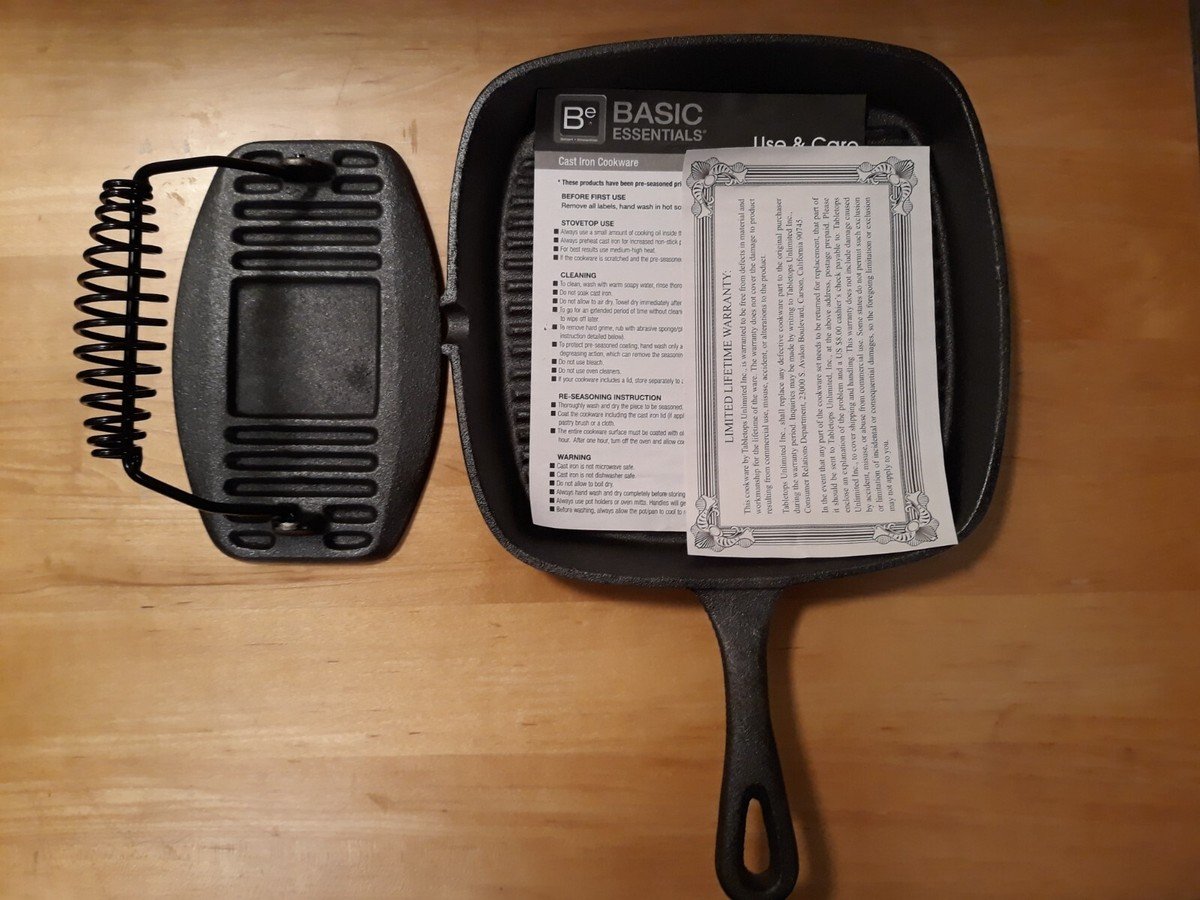
Metal cookware isn’t microwave-safe.
| Your situation | Answer | Why |
|---|---|---|
| Raw or seasoned skillet | No | Sparks form and damage magnetron |
| Enamelled cast iron pan | No | Iron core reflects waves under enamel |
| Cast iron melting pot | No | Heavy metal risks breaking turntable |
| Skillet with wooden handle | No | Metal body causes fire hazard |
| Food already inside pan | No | Energy can’t pass through bottom |
| Metal rack from maker | Yes | Engineered spacing prevents arcing |
Why iron blocks energy
Microwave ovens heat food by sending waves that vibrate water molecules. Cast iron is a dense metal that acts like a mirror to radio frequencies. Instead of penetrating the meal, the waves bounce off the pan’s surface. When enough charge builds up along the rim or rough iron edges, it jumps across the air to the interior oven walls. This jump produces visible electrical sparks, known as arcing.
Those uncontrolled sparks burn the oven’s enamel lining and shatter glass turntables. Even worse, the energy bounces straight back into the magnetron tube that makes the waves. That reflected power overheats the internal components until they burn out permanently.
Better ways to heat your food
Because cast iron can’t enter the microwave, you must transfer your ingredients or use a different heat source.
- Reheat directly on the stovetop over medium-low heat for 5 to 8 minutes with two tablespoons of water or broth. You’ll know it worked when steam rises evenly from the center and the pan reaches a steady simmer. This option isn’t for people who need a meal warmed in sixty seconds at an office desk.
- Transfer food into a glass container and run the microwave at standard power for two minutes. Look for bubbling sauce or check that reheated leftovers reach 165°F on an instant-read thermometer. This option isn’t for cooks who want a crisp bottom crust on their steak or hash.
- Warm the pan inside a conventional oven set to 350°F for 15 to 20 minutes. The food is ready when the surface sizzles and registers hot throughout. This option isn’t for someone trying to save electricity on a single small portion.
Ruining the machine instantly
Putting a heavy pan inside a microwave risks an expensive breakdown. Arcing can damage the waveguide cover and potentially harm the magnetron tube. Check the bottom of your dish for a “microwave safe” label before heating.
When to stop and get help
Certain damage from running metal requires professional repair or replacement:
- The oven makes a loud buzzing hum without heating, which means the magnetron failed.
- You see black char marks burned through the cavity walls, exposing bare metal.
- The internal glass turntable cracked or shattered under heavy weight.
Mains-powered microwaves store thousands of volts inside internal parts even after you pull the plug. Never open the metal housing, test components with tools, or try to replace internal fuses yourself. A technician must handle internal repairs, though replacing a cheap countertop model is usually the safer financial move.
Can enamelled cast iron go in the microwave?
No, enamelled cast iron can’t go in the microwave because the iron core still reflects radio waves. The shiny porcelain glaze doesn’t stop electrical arcing from forming on the rim. The concentrated heat will also crack or chip the expensive enamel coating within seconds.
Why do some microwaves have metal racks inside?
Yes, factory metal racks are safe because their smooth curves and spacing are tested for that specific chamber. The manufacturer designs them to avoid concentrating charges. Cast iron lacks this smooth engineering and will throw sparks immediately if you turn the power on.
What happens if I ran cast iron for five seconds?
Turn off the power immediately and check the walls for burn marks. If you stopped it before sparks hit the sides, your machine is likely undamaged. Move your ingredients to a ceramic plate, run a cup of water for thirty seconds, and verify that it heats up.
Is cast iron safe to warm in a standard oven?
Yes, cast iron works exceptionally well inside standard electric and gas ovens at temperatures above 450°F. Conventional ovens heat by circulating hot air, so the metal absorbs and holds the warmth safely.
How long does cast iron take to warm food on a stove?
About 6 to 10 minutes over medium heat will warm most meals thoroughly without burning the base. Add a splash of water and cover the skillet with a lid to trap the rising steam. Stir the contents halfway through to spread the heat evenly.
Does microwave power level change the rule for iron?
No, lowering the power level doesn’t make cast iron safe to use. Lower settings simply cycle the magnetron on and off rather than reducing wave intensity. The pan will still cause dangerous arcing during the active heating cycles.
What to do next
Scoop your food out of the skillet and place it into a microwave-safe glass or ceramic dish. Cover the container with a paper towel and heat on high until the meal is steaming hot throughout. If your microwave makes a deep buzzing sound and leaves the food completely cold, stop using it and call an appliance repair specialist.