Can You Get Stainless Steel Wet? The Truth About Rust Risks
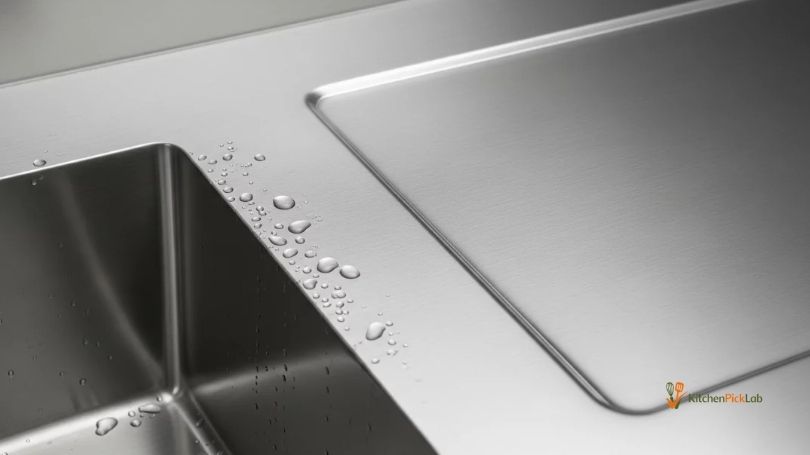
Yes, plain water won’t harm normal stainless steel. Salt, bleach, or trapped water without oxygen can still cause rust spots on the surface. To protect your item, dry the metal with a soft cloth right after washing it. When people ask if you can get stainless steel wet, the answer is that it’s safe for daily use, but standing liquid breaks down the protective layer over time.
When stainless steel can get wet
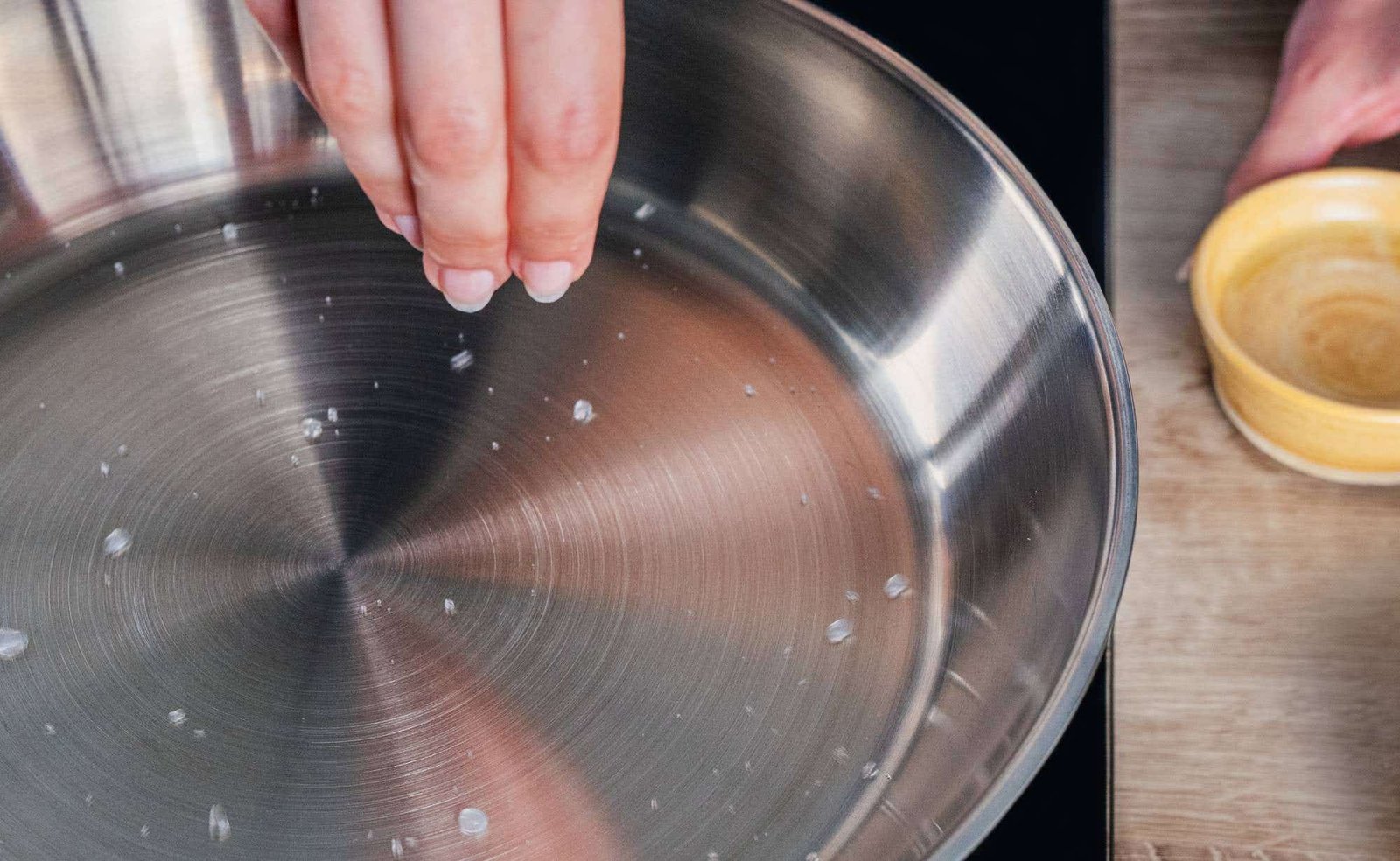
The effect of water on your metal depends on what is inside the liquid and how long it stays there.
| Your situation | Answer | Why |
|---|---|---|
| Washing dishes in tap water | Yes | Fresh water doesn’t react with chromium oxide |
| Swimming in a chlorinated pool | No | Chlorine chemicals eat through the metal layer |
| Leaving wet flatware overnight in sink | No | Low oxygen under standing water breeds rust |
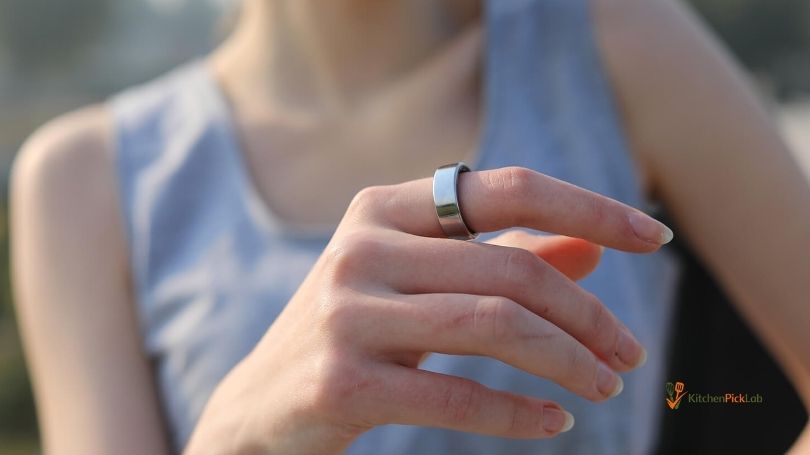
| Wearing jewelry in the shower | Yes | Mild soap and fresh water rinse right off |
| Outdoor furniture in ocean air | No | Salt deposits pull moisture and cause pitting |
| Boiling clean tap water | Yes | Heat alone won’t corrode the base alloy |
How oxygen protects the alloy
Chromium inside the metal creates an invisible shield that stops rust before it can spread. Stainless steel contains at least 10.5 percent chromium by standard metallurgic rules. When fresh air touches this chromium, it creates a thin surface film called chromium oxide. This film heals itself whenever oxygen is present in the environment.
The trouble starts when water contains harsh chemicals or gets trapped in tight gaps. Chlorides in table salt, swimming pool water, and laundry bleach strip the invisible film away faster than air can fix it. A trade-off exists between cost and toughness: cheaper 304-grade steel works fine for indoor kitchen sinks, but exterior marine fittings need pricier 316-grade steel with added molybdenum. This guidance isn’t for industrial plating vats or acid storage tanks. If your metal touches clean tap water, let it air-dry safely; if your metal touches salt water or bleach, rinse it off immediately with fresh water and dry it with a towel.
Keeping your wet metal rust-free
- Rinse with clean tap water right after each use to wash away lingering food acids, soaps, and salts. The metal will look completely clear of gray film or oily spots.
- Wipe the surface dry using a clean microfiber cloth to remove all droplets. The surface should look clean and feel smooth under your fingers.
- Store the item in open air so room oxygen can reach the whole surface easily. The metal will stay dry to the touch without any musty smell.
- Buff away early chalky spots with a soft cloth dipped in a mix of one teaspoon baking soda and warm water. The white haze will disappear, leaving a uniform finish across the whole surface.
Leaving bleach on the surface
Leaving household bleach or chlorine sprays to sit on the steel is where things go wrong. Bleach eats the protective chromium layer within hours, leaving rough brown pits across the metal that can’t be polished away. Replacing a ruined stainless sink or built-in grill lid costs hundreds of dollars in new materials and installation fees. Check the ingredient label on your bathroom cleaners and kitchen sprays before spraying your metal; if the bottle lists sodium hypochlorite, keep it away from your steel.
When to stop and get help
- Deep red rust flakes come off on your fingers, showing structural steel loss.
- Deep pits or holes appear through thin metal walls, which causes water leaks.
- The item carries high mechanical loads or holds structural weight, where cracked metal causes injury risks.
When rust eats deep holes into load-bearing cables or high-pressure cookware, don’t attempt home fixes. Take the item to a licensed metal fabricator or buy a certified replacement part.
Frequently asked questions
Can you wear stainless steel jewelry in the shower?
Yes, shower water and normal body wash won’t tarnish true stainless steel. Just rinse off any perfume, shampoo, or liquid soap film before you step out, and pat the jewelry dry with a clean towel.
Why did my stainless steel pan get spots after boiling water?
White cloudy spots come from calcium and minerals in your tap water, not damaged metal. Pour two tablespoons of white vinegar into the pan and wipe it with a sponge to dissolve the mineral film instantly.
How long can stainless steel sit in water?
Water trapped under submerged pans loses its oxygen, which stops the protective chromium oxide skin from healing itself.
Is it safe to leave stainless steel outside in the rain?
Yes, normal rainwater won’t damage exterior stainless steel items. Rust only starts if wet leaves rot against the surface or if you live within a few miles of salty ocean spray.
What happens if you put stainless steel in the dishwasher?
Dishwasher detergent contains harsh salts that leave dark streaks on lower steel grades. Wash your best kitchen knives and quality pans by hand with standard dish soap to keep them bright.
Does salt water ruin stainless steel?
Yes, ocean water and table salt strip the protective outer shield rapidly. Rinse the metal thoroughly with fresh tap water as soon as possible after exposure to keep pits from forming.
What to do next
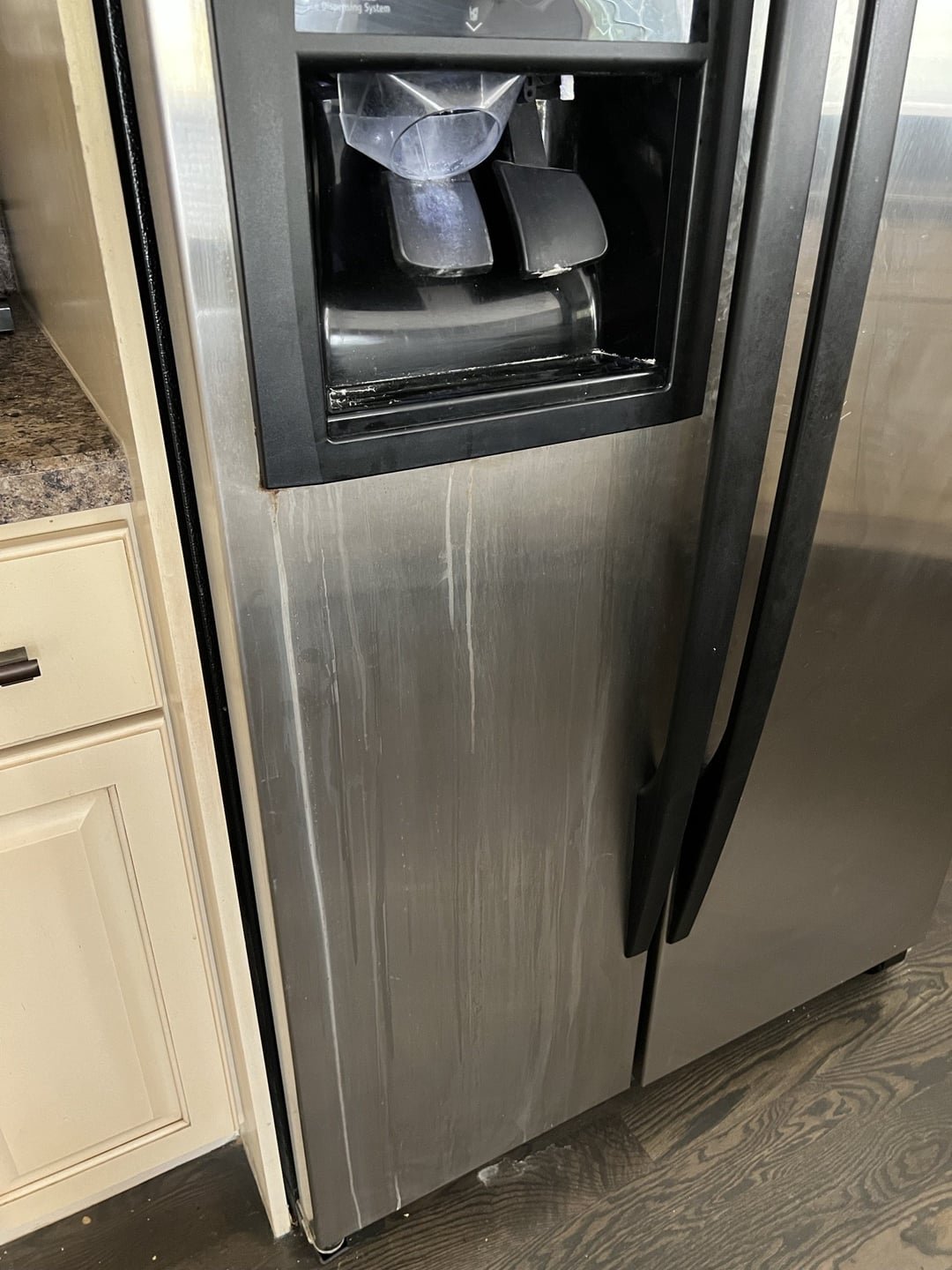
Wipe down your wet steel items with a soft dry towel to remove any remaining water drops. Expect a clean, shiny surface with no dark rings or foggy mineral patches left behind. If you see deep pitting or rough flakes that don’t wipe away, stop polishing and replace the damaged piece.
Final Thoughts
Keeping your items in great shape isn’t difficult if you stay mindful of how they’re stored. If you notice any stubborn spots, a quick wipe with a specialized cleaner will help restore that original shine. You’ll find that your surfaces stay beautiful for years when you don’t let moisture linger too long.