Can Pyrex Go In The Microwave? Safety Tips for Glassware
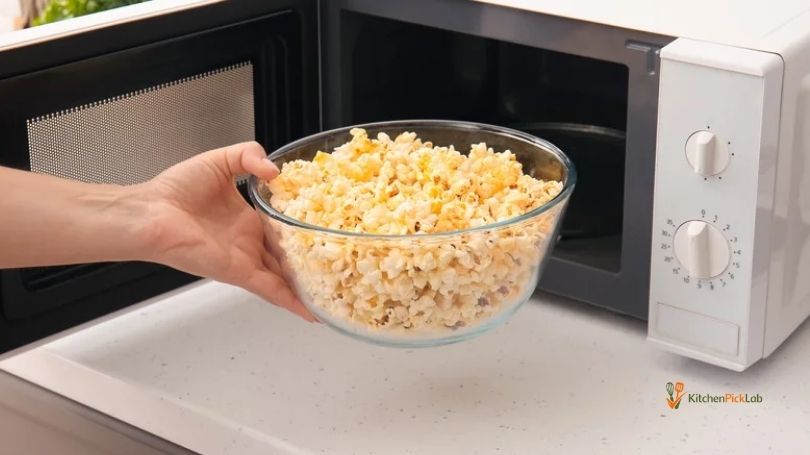
Yes, Pyrex glassware can go in the microwave. Sudden temperature shifts will shatter the glass instantly, though. Take the dish out immediately if it came straight from your freezer or shows deep scratches. To settle whether Pyrex can go in the microwave safely today, inspect the bottom stamp and let frozen leftovers thaw completely before you start heating.
When Pyrex is microwave safe
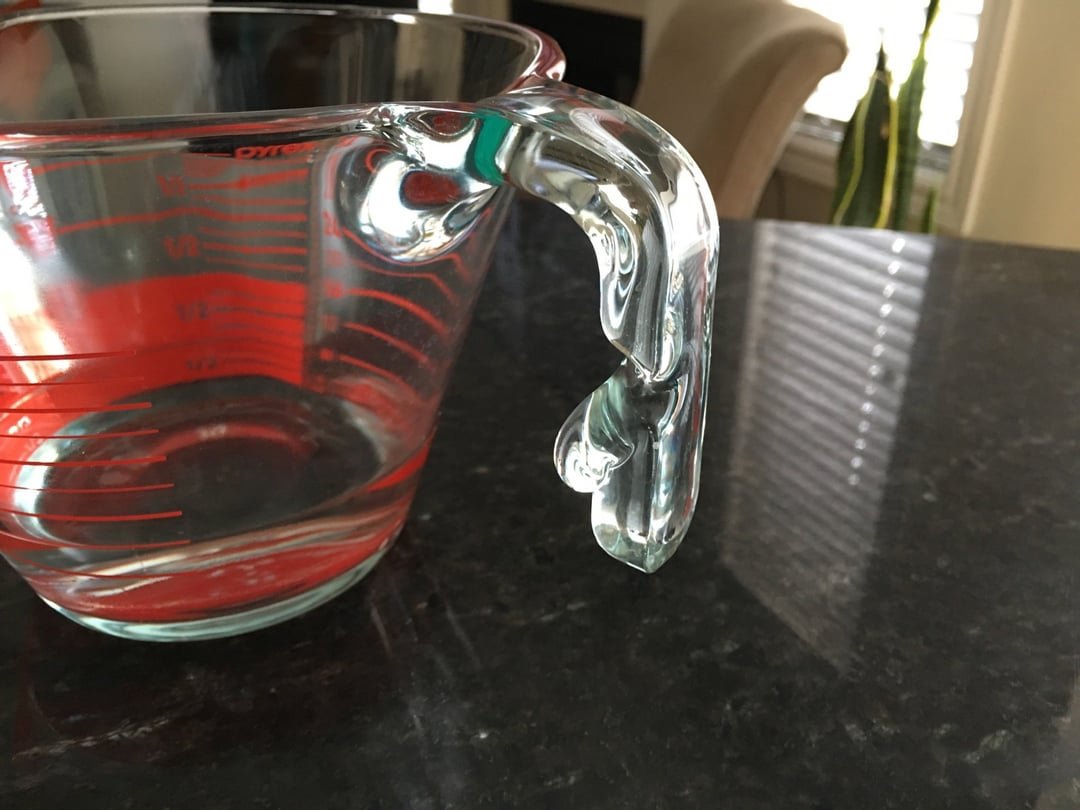
Your container’s condition and starting temperature decide if it’s safe to heat.
| Your situation | Answer | Why |
|---|---|---|
| Room temperature glass | Yes | Normal glass handles heating well. |
| Straight from the freezer | No | Thermal shock breaks cold glass. |
| Deep scratch or chip | No | Structural damage causes sudden failure. |
| Plastic storage lid attached | Yes, but loose | Trapped steam warps plastic fast. |
| Vintage dish with metallic trim | No | Metal sparks inside running microwaves. |
| Empty dish heating alone | No | Dry glass absorbs concentrated energy. |
Thermal shock limits
Thermal shock decides whether your dish survives the microwave. Pyrex dishes made in the United States today use soda-lime glass, while older pieces and European lines often use borosilicate glass. Soda-lime resists drops well, but it expands unevenly when temperatures jump suddenly.
If cold glass meets rapid heat, the inner surface expands while the cold outer surface stays rigid. That stress cracks or shatters the vessel into sharp pieces. A cold refrigerator dish placed into an appliance running at high wattage creates this exact hazard.
Soda-lime handles daily counter bumps better than older glass, but it tolerates far less sudden thermal change. Wait until cold glass reaches room temperature before cooking.
Safe microwave heating steps
- Check the glass surface for any hairline cracks, chips, or rough scratches along the rim. A smooth rim with zero visible flaws confirms the dish is structurally sound.
- Bring cold food to room temperature by leaving the dish on your counter for 15 to 20 minutes before heating. A dish that feels neutral to the touch shows it’s safe to warm.
- Add two tablespoons of water or sauce to dry ingredients before you begin.
- Unseal the plastic lid and rest it loosely at an angle across the top. Visible steam escaping freely through the side gap shows pressure can’t build up inside.
- Set the microwave power to 50% when warming dense leftovers or large casseroles. Gentle, steady steam without popping sounds confirms the dish is warming evenly.
- Use dry oven mitts to grip both sides of the dish when the cooking cycle ends. Lifting the dish without slipping proves your grip is secure and dry.
- Set the hot dish on a dry wooden trivet or cloth pad rather than a cold stone countertop. The glass remaining whole and resting quietly confirms the transfer succeeded.
The cold surface mistake
The most common mistake is setting a hot dish onto a cold, wet surface. Hot glassware touching moisture or cold stone causes an instant temperature drop. This ruins your meal and your dish.
Liquid conducts heat away faster than air. Keep a dry cloth or wooden board nearby to prevent this.
When to stop and get help
- Stop if you hear a sharp pop or cracking sound, because the internal structure has fractured and can’t be repaired.
- Stop using the vessel if you discover any chip along the rim, as jagged glass flakes easily enter your food.
- Stop if the appliance itself sparks, arcs, or produces continuous smoke around the dish, which means the microwave magnetron or door seal requires professional inspection.
- Dispose of broken glass in a puncture-proof container and contact an appliance technician if your microwave interior suffered scorch marks or physical denting from a shattered bowl.
Can Pyrex lids go in the microwave?
Yes, modern plastic Pyrex lids marked microwave-safe can go in the microwave. Never lock the lid down tight over the container. Unsnap the seal and rest the cover loosely on top to let expanding steam escape safely during heating.
How long can Pyrex be in the microwave?
About 10 to 15 minutes at medium power is standard for cooking food safely in microwave-safe glass. Extended heating beyond that duration dries out food, leading to hot spots that stress the container. Always ensure sufficient moisture remains in the dish.
Why did my Pyrex explode in the microwave?
Thermal shock caused your Pyrex to shatter suddenly. That happens when cold glass from a refrigerator heats too fast, or when the dish had an unseen micro-crack. Rapid temperature shifts create extreme stress between expanding inner glass and rigid outer glass surfaces.
Is vintage Pyrex safe to microwave?
Yes, plain vintage Pyrex is microwave-safe, but pieces with metallic gold or silver paint are not. Metallic decorative trim causes dangerous electrical arcing inside your microwave. Check older patterns under bright light for metallic pigments before setting the cook cycle.
What happens if you microwave empty Pyrex?
No, you should never microwave an empty Pyrex dish. You should never microwave an empty Pyrex dish, as it can be damaged by the heat transferred from the microwave’s internal components or reflected energy. The intense heat can cause uneven thermal expansion, which may crack the base.
Does cold water crack hot Pyrex?
Yes, pouring cold water into hot Pyrex will instantly crack or shatter the vessel. Cold liquid drastically cools one surface while the rest remains expanded. Always allow hot glassware to cool down naturally to room temperature before washing it in your sink.
What to do next
Inspect your glassware for surface chips and let any chilled leftovers rest on the counter for 15 minutes. Expect the container to heat smoothly without odd cracking sounds, which confirms the glass is handling the temperature change safely. If you see a hairline fracture or hear a sharp snap from inside the microwave, stop cooking immediately and discard the dish.