
Why Is Food Sticking to My Nonstick Pan?
Last Updated on September 9, 2026
Have you ever been frustrated when food sticks to your nonstick pan, ruining your meal and making cleanup a nightmare? You’re not alone.
If you’ve ever wondered, “Why is food sticking to my nonstick pan? ” you’re about to discover the surprising reasons behind this common problem. Understanding what causes your once-perfect pan to lose its magic can save you time, money, and stress in the kitchen.
Keep reading, and you’ll learn simple tips to get your nonstick pan working like new again—so you can enjoy cooking without the sticky mess.
Common Causes Of Sticking
Read More – How Do You Clean a Burnt Nonstick Pan Safely?
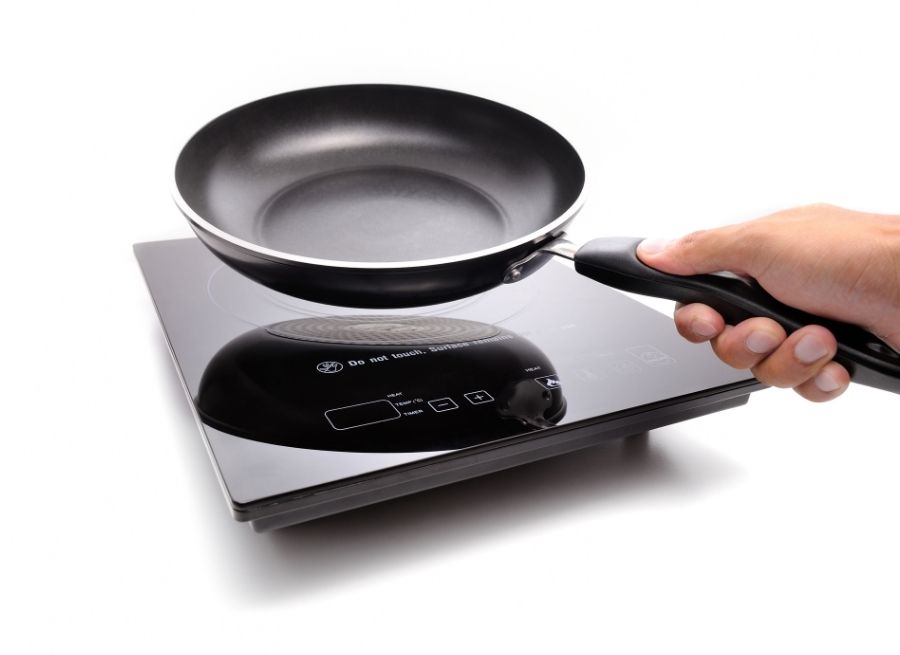
Food sticking to a nonstick pan can frustrate any cook. Understanding the common causes helps prevent this problem. Often, the issue lies not with the pan, but with how it is used or cared for.
Here are some frequent reasons why food sticks despite the nonstick surface.
Overheating The Pan
Nonstick pans work best at low to medium heat. High heat can damage the coating. Overheating causes the surface to lose its nonstick properties. Food then sticks and burns more easily. Avoid heating an empty pan for too long. Use moderate heat to keep the coating safe.
Using The Wrong Utensils
Metal utensils scratch the nonstick surface. Scratches ruin the smooth coating, making food stick. Use wooden, silicone, or plastic tools instead. These materials protect the pan’s surface. Gentle handling keeps the coating intact longer.
Worn Or Damaged Coating
Old pans often have worn coatings. Chips or scratches reduce the nonstick effect. Once damaged, food sticks more frequently. Replace pans if the coating peels or fades. Proper care extends a pan’s life and performance.
Insufficient Oil Or Butter
Nonstick pans still need some oil or butter. A thin layer helps food release easily. Cooking without fat increases the chance of sticking. Add a small amount of oil or butter before cooking. This simple step improves food slide and flavor.
How Nonstick Coatings Work
Nonstick pans help cook food without it sticking to the surface. They have a special coating that stops food from clinging to the pan. This coating creates a smooth, slippery surface. It reduces friction between the pan and the food. As a result, food slides easily and cooks evenly.
Understanding the types of coatings and their limits can explain why food sometimes sticks. Knowing these details helps in choosing and using nonstick pans properly.
Types Of Nonstick Materials
The most common nonstick coating is made from polytetrafluoroethylene, known as PTFE. Teflon is a popular brand of PTFE coating. It is very slick and resists heat well. Some pans use ceramic coatings instead. Ceramic is a natural material that provides a nonstick surface. It is free of chemicals like PTFE and PFOA.
Other nonstick coatings combine different materials to improve durability and heat resistance. Each type has its own strengths and care needs. Knowing the material helps you handle your pan properly.
Limitations Of Nonstick Surfaces
Nonstick coatings do not last forever. High heat can damage the coating and cause food to stick. Scratches from metal utensils also harm the surface. Once damaged, the nonstick effect weakens. Cooking sprays and certain oils may build up and reduce slipperiness.
Nonstick pans work best with low to medium heat. Gentle cleaning with soft sponges protects the coating. Using the right tools and temperatures keeps food from sticking and extends the pan’s life.
Proper Pan Care Tips

Read More – What Is the Difference Between Stainless Steel and Nonstick Cookware?
Taking good care of your nonstick pan helps keep food from sticking. Proper care keeps the surface smooth and effective for a long time. Small changes in how you use and clean the pan make a big difference.
Cleaning Without Damage
Use soft sponges or cloths to clean the pan. Avoid metal scrubbers or harsh brushes. They can scratch the nonstick surface. Mild dish soap works well to remove grease. Rinse the pan with warm water and dry it with a soft towel. Clean your pan after each use to stop buildup.
Avoiding High Heat
Nonstick pans do not handle very high heat. High temperatures can break down the coating. Use medium or low heat for cooking. This keeps food from burning and sticking. Heating an empty pan on high heat can also damage it. Slow and steady heat is best for nonstick pans.
Using Suitable Cooking Oils
Choose oils that work well with nonstick pans. Oils like olive oil or canola oil are good choices. Avoid butter or oils that burn easily. Use just a small amount to coat the pan. Too much oil can cause food to stick and become greasy. Proper oil helps food slide off easily.
Choosing The Right Nonstick Pan
Choosing the right nonstick pan affects how well your food cooks. A good pan stops food from sticking. It saves time and frustration in the kitchen. Not all nonstick pans are made the same. Some last longer and work better. Let’s explore what to consider when choosing one.
Material Quality
The pan’s material affects its nonstick ability. High-quality materials provide a smoother surface. This stops food from clinging to the pan. Look for pans made with strong nonstick coatings. These coatings resist scratches and peeling. Avoid cheap pans with poor coatings. They wear out quickly and cause sticking.
Pan Thickness And Construction
Thicker pans heat more evenly. They prevent hot spots that burn food. Uneven heating causes food to stick. A well-constructed pan holds heat well. It cooks food evenly on all sides. Check for pans with sturdy bases. These pans stay flat on the stove. Warped pans cause food to stick and cook unevenly.
Price Vs. Durability
Cheap pans often wear out fast. They lose their nonstick coating after some use. Investing in a mid-priced pan can save money. Durable pans last longer and perform better. They keep food from sticking for many meals. Avoid the cheapest options. They may cost more in the long run.
Alternatives To Nonstick Pans
Nonstick pans can lose their magic and cause food to stick. Many cooks try different pans as a solution. Some alternatives offer durability and better heat control. These options suit various cooking styles and needs.
Cast Iron Skillets
Cast iron skillets are very strong and last a long time. They heat evenly and keep heat well. With proper care, they develop a natural nonstick surface. Great for frying, searing, and baking.
They need seasoning to maintain their surface. Avoid soap and use oil to clean. Perfect for high-heat cooking and adding flavor.
Stainless Steel Pans
Stainless steel pans do not have a nonstick coating. They are tough and resist rust and stains. Heat these pans properly to prevent sticking.
Use enough oil or butter to create a barrier. Best for browning meat and making sauces. They provide excellent heat control and durability.
Ceramic-coated Cookware
Ceramic-coated pans offer a nonstick surface without chemicals. They are free from PTFE and PFOA. Easy to clean and often dishwasher safe.
They handle medium heat well but can lose coating over time. Ideal for gentle cooking and sautéing. A safe choice for those avoiding traditional nonstick materials.
Read More – Top 5 Prep Tools That Make Cooking Easier
Frequently Asked Questions
Why Does Food Stick To My Nonstick Pan Sometimes?
Food sticks when the nonstick coating is scratched or damaged. Overheating can also reduce its effectiveness. Proper care and using low to medium heat prevent sticking and extend the pan’s lifespan.
Can Using Metal Utensils Cause Sticking On Nonstick Pans?
Yes, metal utensils can scratch and damage the nonstick surface. Use wooden, silicone, or plastic utensils to protect the coating and keep your pan nonstick for longer.
How Does Overheating Affect Nonstick Pans?
Overheating breaks down the nonstick coating, causing food to stick. Always cook on low to medium heat to preserve the pan’s nonstick properties and avoid damage.
Does Oil Help Prevent Food From Sticking In Nonstick Pans?
Using a small amount of oil or butter can improve food release. Even nonstick pans benefit from a light coating of fat to enhance cooking and prevent sticking.
Conclusion
Nonstick pans can lose their magic over time. Using too much heat or metal tools can cause food to stick. Cleaning the pan gently helps keep the surface smooth. Always follow care instructions to protect your cookware. Small changes in cooking habits make a big difference.
Enjoy cooking without the frustration of sticky food. Keep your pan happy, and it will stay nonstick longer. Simple care keeps meals easy and cleanup quick.