6 Common Cookware Mistakes That Can Ruin Your Pans
Last Updated on September 9, 2026
You’ve invested in good cookware, but are you really taking care of your pans the right way? Small mistakes in how you use and clean your pots and pans can cause stains, warping, and even shorten their lifespan.
Imagine losing your favorite pan just because of a simple error you didn’t know about. You’ll discover six common cookware mistakes that could be ruining your pans right now—and how to fix them. Keep reading to protect your kitchen investment and cook like a pro.
Using High Heat Constantly
Read More – 7 Things to Check Before Buying New Cookware
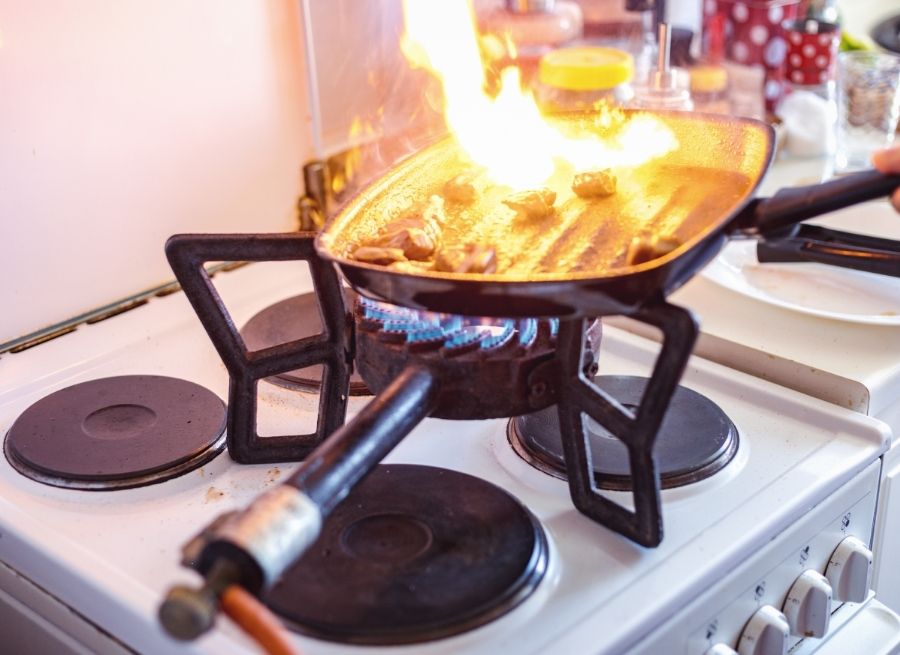
Using high heat constantly can damage your cookware quickly. Many cooks think high heat is best for all cooking tasks. This mistake can ruin the pan’s surface and shorten its life. Knowing when to use high heat helps protect your pans and improves cooking results.
When To Use High Heat
High heat works well for boiling water fast. It is also good for searing meat quickly to lock in juices. Use high heat only for short times. Most cooking needs medium or low heat to avoid damage. Learning the right heat level saves your pans.
Effects On Pan Surface
Constant high heat can warp the pan’s base. This makes the pan unstable on burners. Nonstick coatings break down faster and lose their effect. Metal pans may discolor or develop hot spots. These changes reduce cooking quality and pan life.
Neglecting Proper Cleaning
Neglecting proper cleaning can damage your cookware over time. Food residue and grease build up, causing stains and bad smells. This layer can also affect the taste of your meals and make pans harder to clean later. Taking care of your cookware with the right cleaning methods keeps it looking new and working well.
Avoiding Harsh Scrubbers
Harsh scrubbers can scratch the surface of your pans. Scratches damage the non-stick coating and expose metal underneath. This makes food stick more and ruins the pan’s finish. Use soft sponges or cloths instead. They clean well without harming your cookware.
Best Cleaning Practices
Clean your pans soon after cooking to stop food from hardening. Use warm water and mild dish soap for washing. For stuck-on food, soak the pan for a few minutes first. Rinse thoroughly and dry with a soft towel. Store pans in a dry place to avoid rust and stains.
Using Metal Utensils
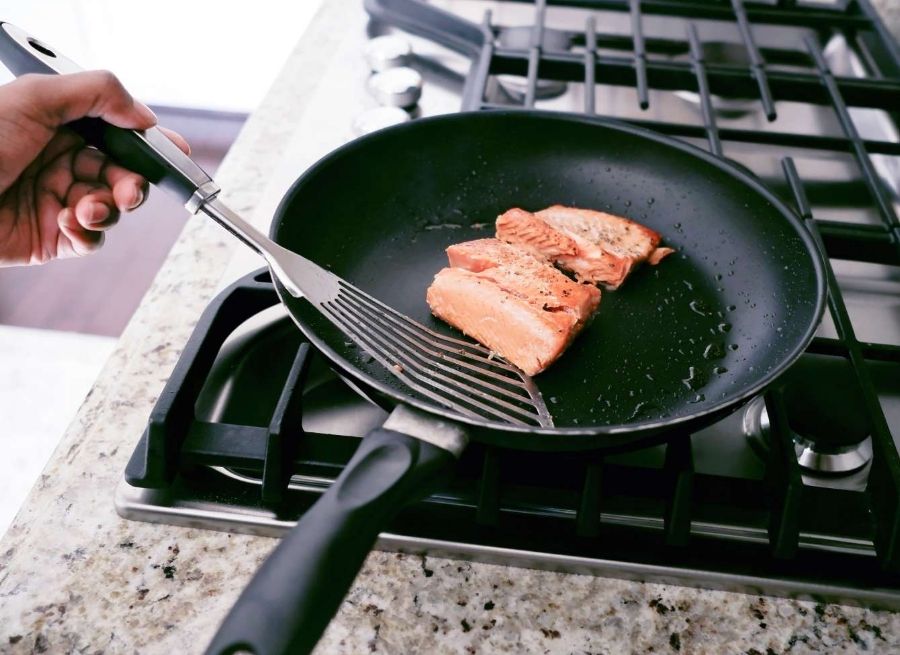
Using metal utensils on your cookware can cause serious damage. Many people don’t realize the harm these tools can do to pans, especially those with special coatings. Metal spoons, forks, and spatulas are hard on the surface and can shorten the life of your cookware. Protect your pans by choosing the right utensils.
Risks To Nonstick Coatings
Nonstick coatings are delicate and scratch easily. Metal utensils can scrape off the coating, making it less effective. Once scratched, food may stick more, ruining your cooking experience. Scratches can also release harmful chemicals into your food. This damage is often permanent and lowers your pan’s performance.
Safer Utensil Options
Wooden, silicone, and plastic utensils are gentle on cookware. These materials do not scratch or harm the surface. They help keep your pans smooth and working well longer. Choose utensils made for nonstick pans to avoid damage. This small change saves money and keeps cooking easier.
Overheating Empty Pans
Overheating empty pans is a common mistake that many cooks make. It happens when a pan is heated without any food or oil inside. This can cause serious damage to your cookware. Pans can warp, lose their non-stick coating, or even release harmful fumes. Understanding why this happens helps protect your pans and keeps them lasting longer.
Why It’s Harmful
Heating an empty pan causes the metal to get too hot. Without food or oil to absorb the heat, the pan’s temperature rises quickly. This can change the shape of the pan, making it warp or bend. Non-stick coatings can break down, peeling off or becoming less effective. Some materials release toxic fumes when overheated, which is dangerous for health.
How To Prevent Damage
Always add oil, water, or food before turning on the heat. Heat the pan slowly to avoid sudden temperature spikes. Use a medium or low heat setting for most cooking tasks. Avoid preheating the pan for too long without anything inside. If you see smoke or smell a strange odor, turn off the heat immediately. These simple steps keep your pans safe and working well.
Stacking Pans Incorrectly
Read More – How Long Do Nonstick Pans Last?
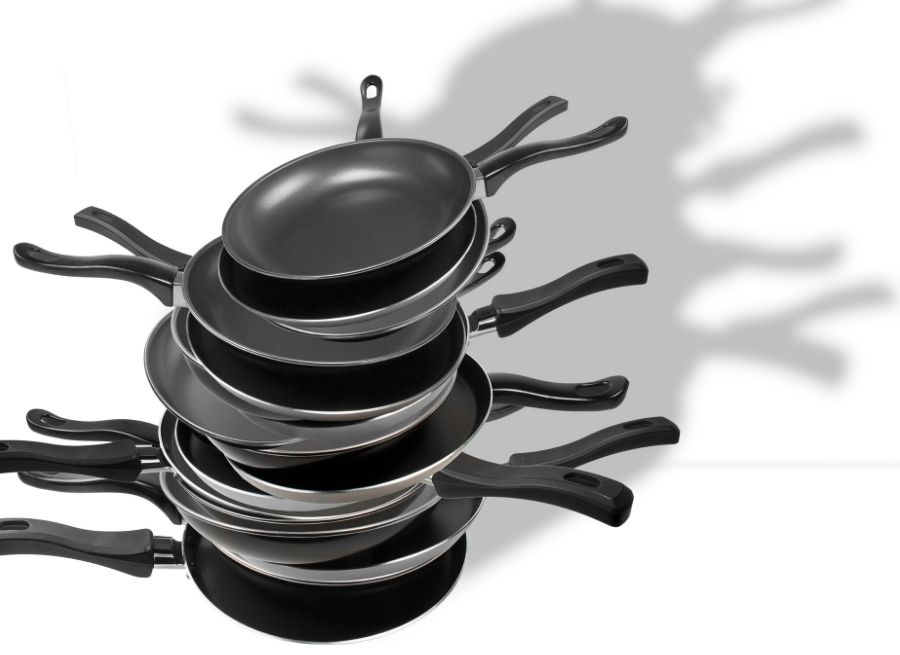
Stacking pans incorrectly is a common mistake that many people make. It looks like a quick way to save space. But this habit can cause damage to your cookware over time. Pans rubbing against each other can lead to scratches and dents. These marks not only ruin the look of your pans but also affect their cooking performance.
Potential For Scratches
When pans are stacked without protection, their surfaces rub together. This rubbing can cause scratches on non-stick and stainless steel pans. Scratches make pans harder to clean. They can also cause food to stick. For non-stick pans, scratches can damage the coating. This damage reduces the pan’s non-stick ability. It can even release harmful particles. Scratches on stainless steel pans make them look old and worn.
Proper Storage Techniques
Use pan protectors or cloth between stacked pans. These soft layers prevent direct contact and reduce friction. Another option is hanging pans on hooks. This keeps them separated and easy to access. Store heavy pans at the bottom and lighter ones on top. Avoid stacking too many pans together. Organizing your cookware with care extends their life. It keeps them looking new and working well for years.
Ignoring Manufacturer Guidelines
Ignoring manufacturer guidelines is one of the biggest mistakes in cookware care. Each pan has a set of instructions made to keep it safe and long-lasting. Skipping these steps can cause damage quickly. Not all pans are the same. What works for one might harm another. Understanding and following these guidelines protects your investment and cooking results.
Tailoring Care To Pan Type
Different materials need different care. Nonstick pans require gentle cleaning and low heat. Cast iron pans must be seasoned and never soaked. Stainless steel handles high heat but can stain if not cleaned well. Knowing your pan’s material helps you avoid common damage. Treat your pans according to their type to keep them in great shape.
Common Manufacturer Tips
Most manufacturers advise against using metal utensils on nonstick surfaces. They suggest hand washing instead of dishwashing. Some warn against high heat that can warp or ruin coatings. Others recommend seasoning before first use. Reading these tips ensures you use and clean your pans correctly. Following them extends your cookware’s life and performance.
Read More – Can Nonstick Pans Go in the Oven?
Frequently Asked Questions
What Cookware Mistakes Cause Pans To Warp Or Damage?
Using high heat suddenly, overheating empty pans, and dropping pans can warp or damage cookware. Avoid these to extend pan life.
How Does Improper Cleaning Ruin Nonstick Pans?
Using abrasive scrubbers or harsh detergents can scratch or strip nonstick coatings. Clean gently with soft sponges and mild soap.
Why Is Using Metal Utensils Harmful To Pans?
Metal utensils can scratch and damage pan surfaces, especially nonstick coatings. Use wooden, silicone, or plastic utensils instead.
Can Cooking Sprays Damage Cookware Surfaces?
Yes, cooking sprays can leave residues that build up and damage nonstick surfaces. Use oils or butter sparingly for better care.
Conclusion
Avoiding common cookware mistakes helps your pans last longer. Clean your pans gently and store them carefully. Use the right heat and cooking tools every time. Small habits protect your investment and improve cooking results. Treat your pans well, and they will serve you better.
Keep these tips in mind for a happier kitchen experience. Cook with care, and enjoy your meals more. Simple steps make a big difference in pan care.