Can You Sear A Steak In A Nonstick Pan? The Expert Verdict
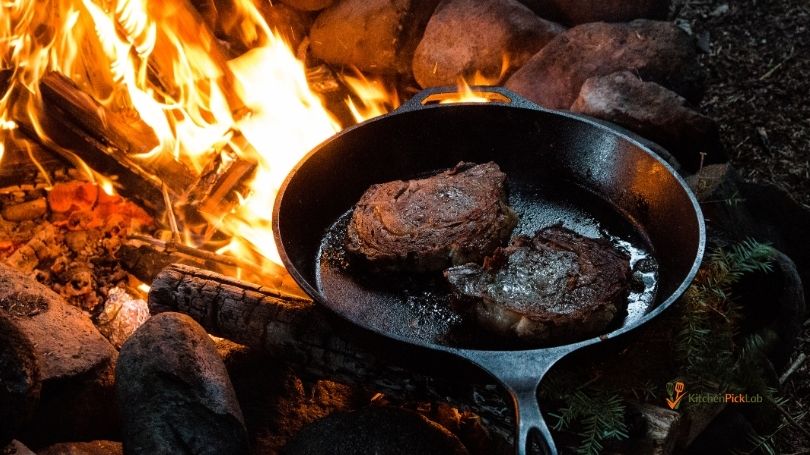
Yes, but you’ll get a lighter crust than heavy metal pans provide. Can you sear a steak in a nonstick pan? You need to know that extreme heat destroys the nonstick coating. If you want a deep, dark crust, switch to a cast-iron skillet right now instead of heating your coated pan dry.
When to sear steak in nonstick pans
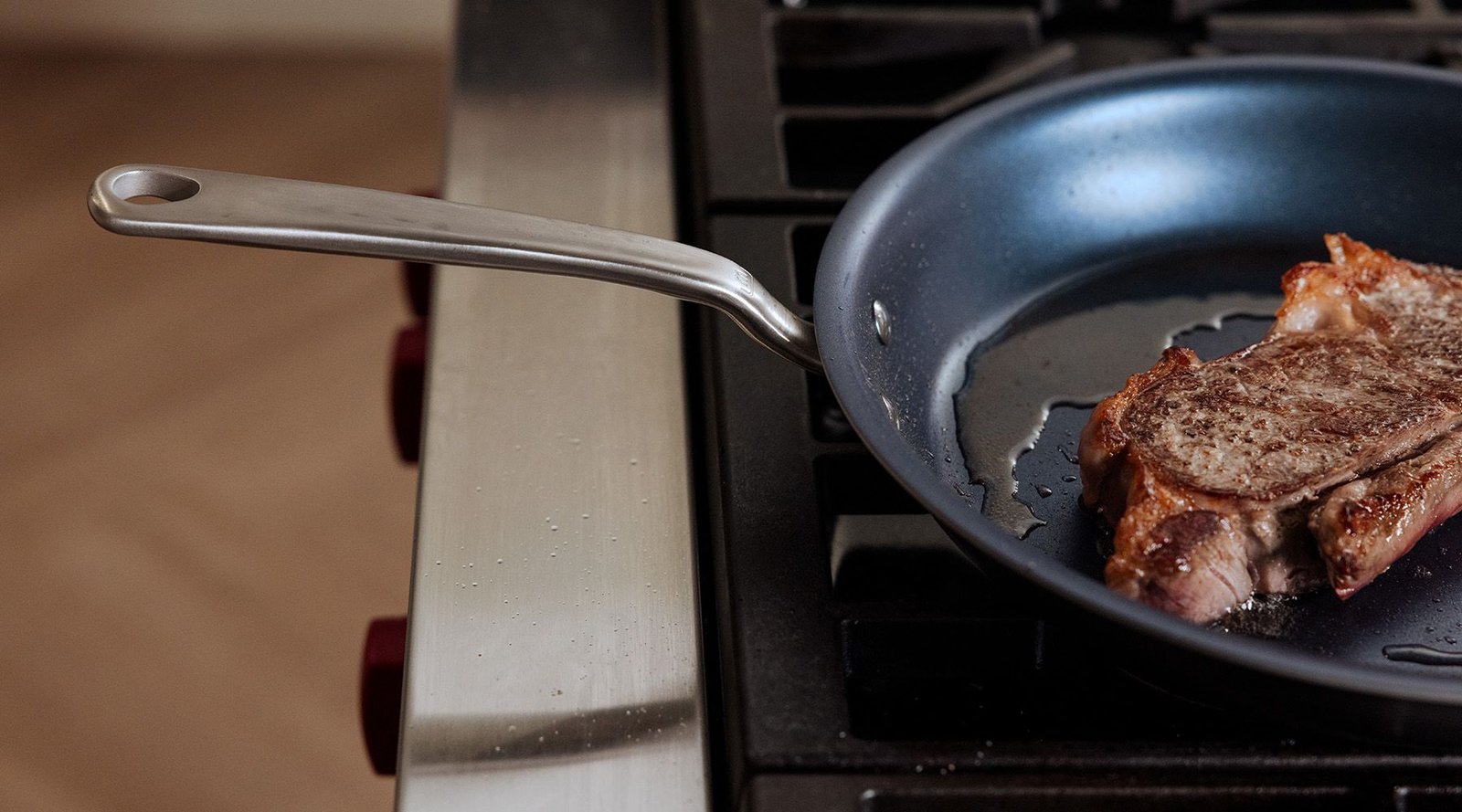
You can cook your meat safely if you keep the stove heat strictly at medium.
| Your situation | Answer | Why |
|---|---|---|
| Thin cut under 0.75 inches | Yes | It cooks fast before the pan overheats |
| Thick cut over 1.5 inches | No | Needs long high heat that ruins PTFE |
| Cast-iron skillet is clean | No | Heavy iron creates a far superior crust |
| Only nonstick pan is available | Yes | Safe at medium stove heat with oil |
| Coated pan already shows peeling | No | Damaged coatings flake directly into your dinner |
| Butter-basting at moderate heat | Yes | Liquids keep pan base below dangerous limits |
Coating heat limits
The chemical layer bonded to the metal base decides what you can do. Most nonstick cookware uses polytetrafluoroethylene (PTFE), which breaks down if it gets hotter than 500°F (260°C). Cooking above this limit releases toxic fumes and permanently ruins the release surface. The Good Housekeeping Institute cookware safety report notes that an empty nonstick skillet can reach 500°F in under two minutes on high heat.
Traditional searing demands dry surface contact at temperatures reaching 400°F to 450°F to trigger the Maillard browning reaction. Nonstick pans hold less thermal mass than cast iron, so dropping cold beef into the skillet drops the surface temperature fast. If you run the stove on maximum to counteract that cooling, the empty spots around the meat easily shoot past the safe limit. The trade-off is simple: you protect the coating by settling for a softer, golden-brown exterior rather than a hard, crunchy crust. Keep in mind that safe heat limits vary by model — check the label on your specific brand. If your stove setting stays at medium or lower, then cooking steak in the pan is completely fine; if you need maximum burner heat, then you must use bare metal cookware instead.
Browning beef safely
- Pat the raw meat completely dry with paper towels so surface moisture doesn’t boil in the skillet, leaving the paper clean.
- Add 1 tablespoon of high-smoke oil directly to the pan before turning on the burner so the surface never heats empty.
- Warm the pan on medium heat for three minutes until the oil shimmers across the bottom.
- Lay the steak flat and let it cook without moving it for four minutes until a golden crust releases easily.
- Flip using silicone tongs and cook the second side for three minutes until a meat thermometer hits your target internal doneness.
- Move the steak onto a cutting board immediately to rest for five minutes, leaving juices behind in the skillet.
Preheating without oil
Leaving an empty nonstick pan on a high burner destroys the item in minutes. People often treat coated cookware like a steakhouse grill by letting it heat dry on high, which ruins a $40 pan instantly and fills the kitchen with harsh fumes. An empty pan has nothing to absorb the stove’s thermal energy, so the base temperature spikes dangerously fast. You can avoid this loss with one check: always spread your cooking fat across the surface before you turn the stove dial.
When to stop and get help
- Chemical smoke rises from the dry pan surface, which means the coating is burning away.
- Grey coating specks stick to your food, which ruins the dinner and demands replacing the skillet.
- The nonstick surface bubbles up or changes color, showing permanent structural breakdown.
- Someone breathes in heavy fumes from an overheated dry pan and develops flu-like chills; call a medical center right away because polymer fume fever needs evaluation.
Frequently asked questions
Can you get a good crust on nonstick?
No, because nonstick materials limit how hot the pan can safely get. The meat turns golden brown, but it lacks the thick, crunchy char created by cast iron. Pushing the heat high enough to get a dark sear ruins the pan’s chemical coating.
Is it safe to cook beef in nonstick pans?
Yes, as long as you keep the cooking temperature below 500°F. Always add a splash of cooking oil before turning on the burner.
Why won’t my meat brown in a nonstick pan?
The skillet is probably too cool or overloaded with liquid. Wet steak boils in trapped steam rather than frying. Nonstick surfaces also shed fats and juices quickly, preventing the concentrated contact needed to trigger the chemical browning process.
What happens if a nonstick pan gets too hot?
The nonstick PTFE coating degrades, blisters, and releases chemical fumes. Once overheated, the surface loses its slick property forever, causing future food to stick badly. You can’t repair a burned pan coating and must throw it out.
How long does it take to cook steak this way?
About eight minutes total for a standard 1-inch thick sirloin steak cooked to medium-rare. Allow four minutes on the first side and three to four minutes on the second side.
Does butter burn faster in nonstick pans?
No, butter burns based on heat rather than the pan material. Milk solids in standard butter burn at 350°F on any surface. Because you cook at medium heat in nonstick cookware, butter is actually less likely to scorch.
What to do next
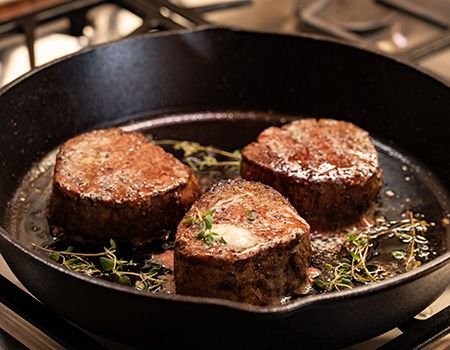
Pat your steak dry with paper towels and measure one tablespoon of cooking oil into your pan. Expect a tender, moderately browned steak with clear juices running when you pierce the center. If you see white smoke lifting from the skillet before the meat goes in, turn the burner off and let the pan cool completely.
Final Thoughts
If you’re still craving that perfect, restaurant-quality sear, it’s worth picking up a sturdy cast-iron skillet at your local kitchen store. You’ll find that the flavor difference is truly remarkable once you make the switch. Don’t be afraid to experiment with your next dinner; you’ll definitely love the results.