How Do You Clean a Burnt Nonstick Pan Safely?
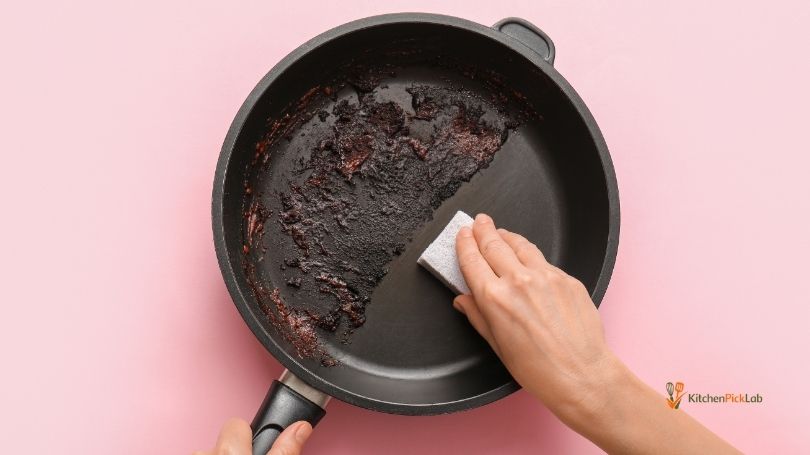
Have you ever faced the frustration of a burnt nonstick pan? It’s a common kitchen mishap that can leave your cookware looking ruined and make you wonder if it’s time to toss it out.
But before you give up on your pan, there’s good news. You can clean a burnt nonstick pan safely without damaging its surface or risking harmful chemicals. You’ll discover simple, effective methods that protect your pan and bring it back to life.
Keep reading to learn how to save your pan and keep your cooking smooth and stress-free.
In this article
Assess The Damage
Before cleaning a burnt nonstick pan, it is important to assess the damage carefully. This step helps you decide the safest way to restore your pan without causing harm. Evaluating the pan ensures you do not worsen the condition of the nonstick surface.
Start by examining the pan closely. Look at the surface and note any visible changes. Understanding the type of damage guides you to use the right cleaning method. Not all burnt residues are the same, and not all coatings react equally to cleaning.
Check For Coating Damage
First, check if the nonstick coating is scratched or peeled. Scratches can reduce the pan’s effectiveness and make it unsafe. Peeling coating means the pan might no longer be safe to use. If the coating is damaged, avoid harsh scrubbing or abrasive cleaners.
Look for discoloration or rough patches on the surface. These signs often show the coating is compromised. If damage is severe, consider replacing the pan. A damaged nonstick surface can release harmful chemicals during cooking.
Determine Burnt Residue Type
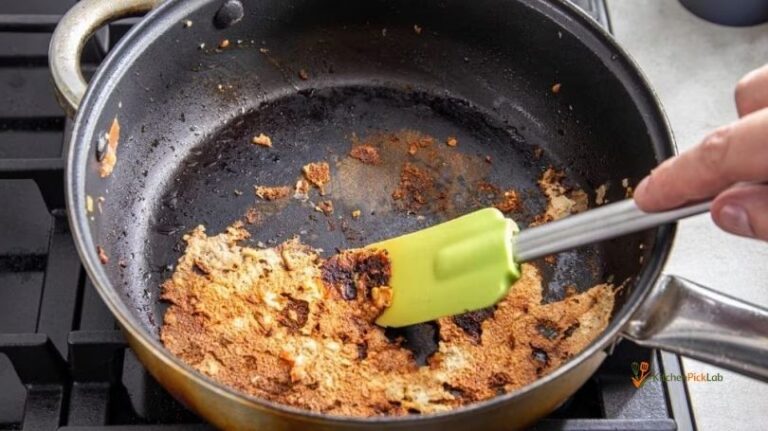
Identify what kind of burnt residue is on the pan. Burnt food often appears as dark, sticky patches. Burnt oil or grease usually leaves a shiny, hardened layer. Each residue type needs a different cleaning approach.
Food residue can often be soaked and gently scrubbed away. Burnt oil may require special cleaners or soaking in warm water and soap. Knowing the residue type helps protect the coating while cleaning.
Gather Cleaning Supplies
Read More – What Is the Difference Between Stainless Steel and Nonstick Cookware?
Before cleaning a burnt nonstick pan, gather the right supplies. Choosing the correct items helps protect the pan’s surface. It also makes cleaning easier and safer.
Safe Cleaning Agents
Use mild dish soap for cleaning. Avoid harsh chemicals or bleach. Baking soda is a good option for tough stains. Mix it with water to form a paste. White vinegar also helps remove burnt residue. These agents clean without damaging the nonstick coating.
Tools To Use And Avoid
Soft sponges or cloths work best. They clean gently without scratching. Avoid steel wool or abrasive scrubbers. These can ruin the pan’s surface. Plastic or silicone scrapers help remove burnt bits. Stay away from metal utensils that can cause scratches.
Soak The Pan
Soaking a burnt nonstick pan is a gentle way to loosen stuck food and burnt residue. It softens the burnt layer without harming the pan’s surface. Let the pan sit in water long enough to make cleaning easier.
Use Warm Soapy Water
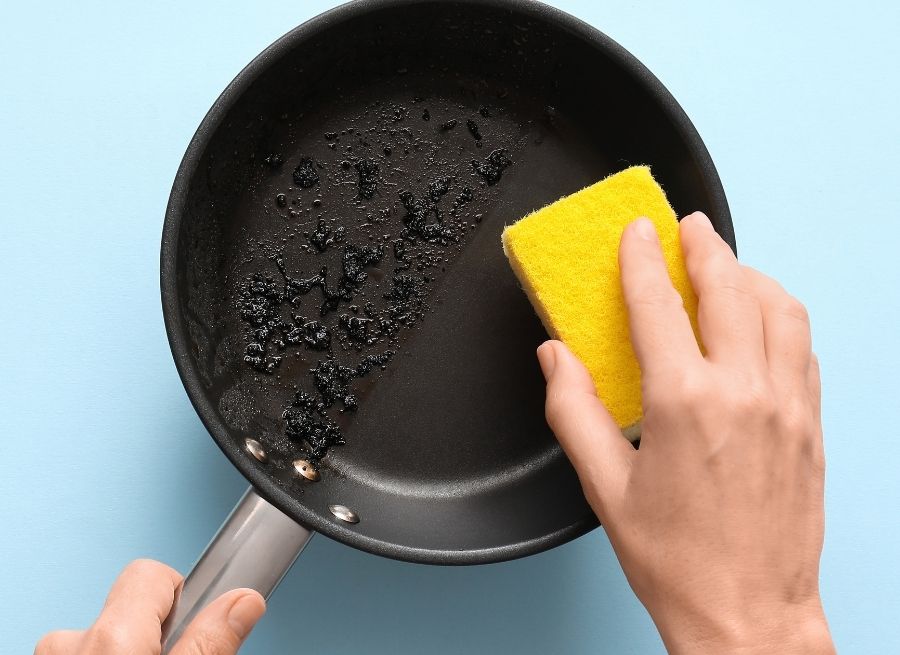
Fill the pan with warm water and add a few drops of mild dish soap. Let it soak for at least 30 minutes. The warm soapy water helps break down grease and burnt bits. After soaking, use a soft sponge to wipe the pan clean. Avoid scrubbing hard to protect the nonstick coating.
Add Baking Soda For Tough Stains
For stubborn burnt spots, sprinkle baking soda over the wet surface. Baking soda acts as a gentle abrasive and deodorizer. Let the pan soak for a few hours or overnight. Then, scrub gently with a soft sponge. This method lifts tough stains without damaging the pan.
Gentle Scrubbing Techniques
Cleaning a burnt nonstick pan requires care to keep the coating safe. Harsh scrubbing can damage the surface and reduce its lifespan. Gentle scrubbing techniques remove burnt food without scratching the pan. This method protects the pan’s nonstick finish and keeps it working well.
Use Nonabrasive Sponges
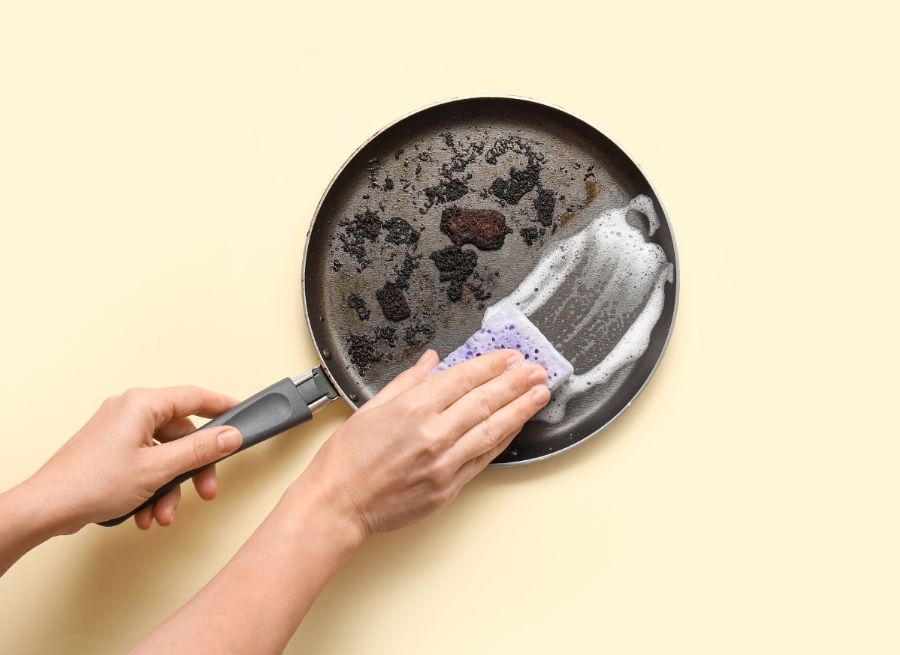
Choose soft sponges designed for nonstick cookware. These sponges clean without scratching the surface. A sponge with a soft side and a gentle scrubbing side works best. Use the soft side first to wipe away loose debris. For stuck-on food, rub gently with the scrubbing side. Avoid heavy pressure to protect the coating.
Avoid Metal Scrubbers
Metal scrubbers can damage the nonstick surface easily. They create scratches that ruin the coating. Once scratched, food will stick more and cleaning gets harder. Use plastic or nylon scrubbers instead. These materials clean effectively without harming the pan. Always test a small area before scrubbing the whole pan.
Use Natural Cleaning Methods
Cleaning a burnt nonstick pan does not require harsh chemicals. Natural cleaning methods work well and are safe for your pan’s coating. These methods use simple household ingredients that gently lift burnt residue. They protect your pan and keep it looking new longer.
Vinegar And Baking Soda Combo
Start by sprinkling baking soda over the burnt areas. Then, pour white vinegar on top. The mixture will bubble and fizz, breaking down burnt food. Let it sit for 10 to 15 minutes. After resting, scrub gently with a soft sponge. Rinse the pan with warm water. This combo cleans without damaging the nonstick surface.
Lemon Juice Application
Lemon juice is a natural acid that helps remove stains. Squeeze fresh lemon juice onto the burnt spots. Allow it to sit for 10 minutes to loosen grime. Use a soft cloth or sponge to rub the area gently. Rinse with warm water afterward. Lemon juice leaves your pan fresh and clean without harsh chemicals.
Handle Stubborn Burnt Spots
Read More – Top 5 Prep Tools That Make Cooking Easier
Burnt spots on a nonstick pan can be tough to remove. They need gentle care to avoid damaging the pan’s surface. Handle these stubborn spots with patience and the right cleaning methods. Avoid harsh scrubbing that can ruin the nonstick coating.
Repeat Soaking And Scrubbing
Start by soaking the pan in warm, soapy water. Let it sit for at least 30 minutes. This softens the burnt food and makes scrubbing easier. Use a soft sponge or cloth to scrub the spots gently. Repeat soaking and scrubbing if spots remain. Avoid steel wool or rough scrubbers that scratch the pan.
Try Commercial Nonstick Cleaners
Some cleaners are made specifically for nonstick pans. These products help break down burnt food without harming the surface. Follow the instructions on the cleaner carefully. Apply it to the burnt spots and let it sit for the recommended time. Then, wipe or scrub gently with a soft cloth. Always rinse the pan well after cleaning.
Dry And Maintain The Pan
Drying and maintaining a burnt nonstick pan is key to keeping it useful. Proper care helps stop rust and damage. It also keeps the nonstick surface working well longer. Follow simple steps to dry and season your pan after cleaning.
Proper Drying Techniques
After washing, dry the pan right away. Use a soft towel to remove water. Avoid air drying; water spots may form. Make sure to dry the handle too. If the pan has a wooden handle, keep it dry. Water can cause wood to crack or warp.
For extra care, place the pan on low heat for a few minutes. This removes any leftover moisture. Let it cool before storing. Storing a damp pan can cause rust and damage.
Seasoning Tips For Longevity
Seasoning helps protect the pan’s surface. It adds a thin layer that stops food from sticking. Heat the pan on medium. Add a small amount of cooking oil. Use a paper towel to spread oil evenly.
Heat the pan until it starts to smoke lightly. Turn off the heat and let it cool. Wipe off extra oil with a clean cloth. Repeat this process every few uses. It keeps the pan smooth and easy to clean.
Prevent Future Burnt Residue
Preventing burnt residue on your nonstick pan saves time and keeps your cookware in good shape. A few simple steps can help avoid stubborn stains and damage. Follow these tips for longer-lasting pans and better cooking results.
Control Cooking Temperature
Keep the heat at medium or low. High heat can quickly burn food and damage the pan’s coating. Nonstick pans work best with gentle heat. Use a burner that matches the pan size. Avoid heating an empty pan for too long.
Use Proper Utensils
Choose utensils made of wood, silicone, or plastic. Metal tools can scratch the nonstick surface. Scratches lead to burnt residue and reduce the pan’s lifespan. Handle your pans with care to keep the coating smooth and effective.
Read More – 5 Essential Kitchen Tools Every Home Cook Needs
Frequently Asked Questions
How Can I Remove Burnt Residue From A Nonstick Pan?
To remove burnt residue, soak the pan in warm soapy water for 15 minutes. Use a soft sponge or nylon scrubber to gently scrub the burnt area. Avoid abrasive tools to protect the nonstick coating.
Is Baking Soda Safe For Cleaning Nonstick Pans?
Yes, baking soda is safe and effective for cleaning nonstick pans. It acts as a gentle abrasive that removes burnt food without damaging the surface. Mix it with water to form a paste, then scrub lightly for best results.
Can Vinegar Help Clean A Burnt Nonstick Pan?
Vinegar can help loosen burnt food and stains on a nonstick pan. Mix equal parts water and vinegar, bring to a boil in the pan, then let it cool. Wipe with a soft cloth to clean safely.
How Do I Avoid Damaging The Nonstick Coating While Cleaning?
Always use soft sponges and mild cleaning agents. Avoid steel wool or harsh chemicals, which can scratch or degrade the coating. Clean the pan soon after use and avoid overheating to maintain its surface.
Conclusion
Cleaning a burnt nonstick pan does not have to be hard. Use gentle scrubs and safe cleaners to protect the coating. Avoid harsh tools that can damage the surface. Patience works best—soak the pan and clean slowly. Keep your pan looking good and lasting longer.
A clean pan cooks better and stays healthy. Follow these steps often to keep your cookware ready. Simple care saves money and effort in the kitchen. Try these tips next time your pan burns. It really helps!