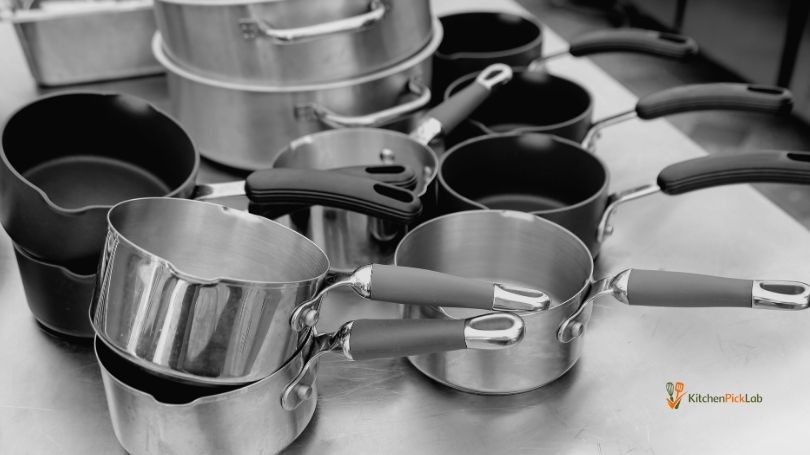
What Is the Difference Between Stainless Steel And Nonstick Cookware?
Last Updated on September 9, 2026
Choosing the right cookware can make a big difference in your cooking experience. You might wonder, what is the difference between stainless steel and nonstick cookware?
Both have their strengths, but knowing which one suits your needs can save you time, effort, and even money. If you want to cook healthier meals, clean up faster, or simply enjoy better results, understanding these differences is key. Keep reading to discover which cookware matches your kitchen style and helps you create delicious dishes with ease.
Materials And Construction
Read More – Top 5 Prep Tools That Make Cooking Easier
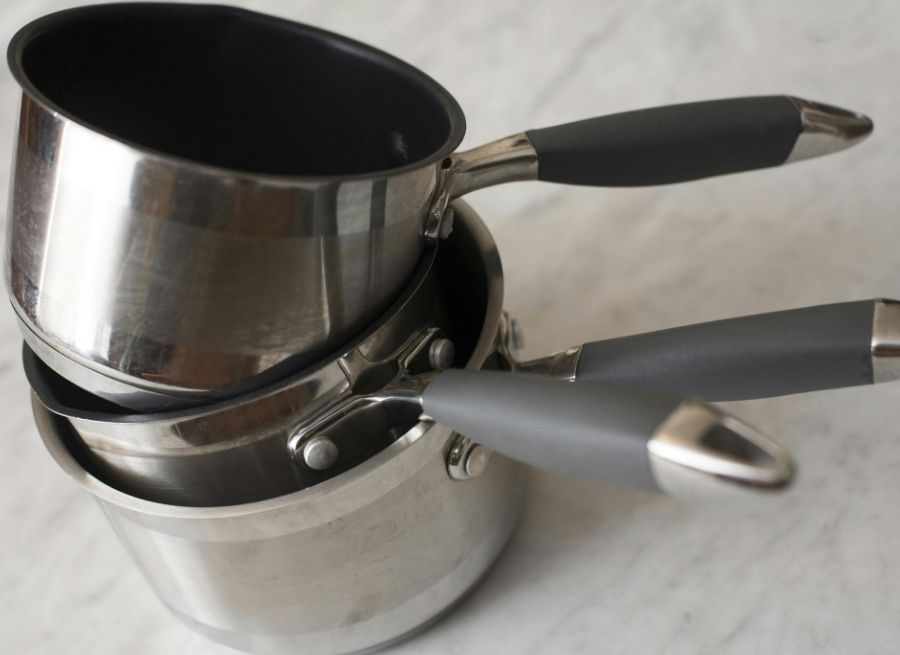
Understanding the materials and construction of cookware helps in choosing the right type. Stainless steel and nonstick cookware differ greatly in their makeup and design. These differences affect how they perform in the kitchen. The next sections explain their composition and durability.
Composition Of Stainless Steel Cookware
Stainless steel cookware is made from a mix of steel and other metals. Chromium is added to prevent rust and stains. Nickel often improves the shine and strength. Some cookware has layers of aluminum or copper inside. These layers help spread heat evenly.
Nonstick Cookware Materials
Nonstick cookware usually has an aluminum base. Aluminum heats up quickly and spreads heat well. The cooking surface is coated with a nonstick material. Polytetrafluoroethylene (PTFE) is the most common coating. It stops food from sticking and makes cleaning easier. Some nonstick pans use ceramic coatings as a safer alternative.
Durability And Longevity
Stainless steel cookware is very tough and lasts many years. It resists scratches and dents better than nonstick pans. Nonstick coatings wear out over time and can peel. These pans need gentle use and special care. Careful handling extends their life but they usually need replacement sooner.
Cooking Performance
Cooking performance is a key factor when choosing cookware. It affects how well your food cooks and how easy the process is. Stainless steel and nonstick pans behave differently in the kitchen. Understanding these differences helps you pick the right pan for your meals.
Each type has strengths and weaknesses in heat, cooking styles, and cleaning. Let’s explore these areas closely.
Heat Distribution And Retention
Stainless steel pans heat up evenly and hold heat well. This makes them perfect for dishes needing steady temperatures. They can handle high heat without damage. Nonstick pans heat quickly but may have hot spots. They lose heat faster than stainless steel. Nonstick coatings can wear out if overheated.
Cooking Techniques Compatibility
Stainless steel works well with searing, browning, and deglazing. It lets you create rich flavors and sauces easily. Nonstick pans excel at gentle cooking. They are ideal for eggs, pancakes, and fish. Avoid using metal tools on nonstick surfaces to prevent scratches. Stainless steel is tougher and resists scratches well.
Food Release And Cleanup
Nonstick pans offer easy food release. Food slides off with little or no oil. Cleanup is simple and fast. Stainless steel can cause food to stick if not used properly. Cleaning may require more effort. Proper heating and oil use reduce sticking. Both types need regular care to last longer.
Health And Safety Considerations
Health and safety matter a lot when choosing cookware. Different materials affect how safe and healthy your food is. Stainless steel and nonstick pans have distinct qualities. Knowing these helps you pick the best option for your kitchen.
Chemical Coatings In Nonstick Cookware
Nonstick pans often have a chemical coating called PTFE. This coating stops food from sticking. It also makes cleaning easier. Some older nonstick pans had PFOA, a harmful chemical. Most modern pans do not use PFOA anymore. Still, overheating nonstick pans can release fumes. These fumes might cause health issues. Use low to medium heat to avoid problems.
Potential Risks And Precautions
Scratched nonstick coatings can flake into food. Eating small flakes is not good for health. Replace pans if the coating peels. Avoid using metal utensils on nonstick surfaces. They can damage the coating faster. Always follow the manufacturer’s care instructions. Use nonstick pans carefully to stay safe.
Stainless Steel Safety Features
Stainless steel pans do not have chemical coatings. They are made from metal alloys. This makes them very durable and safe. No risk of harmful fumes or flakes. Stainless steel pans can handle high heat safely. They do not react with food. This keeps food tasting natural and healthy.
Maintenance And Care
Read More – 5 Essential Kitchen Tools Every Home Cook Needs
Proper maintenance and care extend the life of your cookware. Each type needs special attention to keep it in top shape. Stainless steel and nonstick pans have different cleaning and care rules. Following these steps helps you cook better and saves money on replacements.
Cleaning Methods For Stainless Steel
Use warm water and mild dish soap for daily cleaning. A soft sponge or cloth works best. Avoid steel wool or abrasive pads. They can scratch the surface. For stuck-on food, soak the pan in warm soapy water. Use a non-abrasive scrubber to remove residue. To remove stains, make a paste of baking soda and water. Rub gently with a soft cloth. Rinse thoroughly and dry with a towel to prevent water spots.
Caring For Nonstick Surfaces
Clean nonstick pans with warm water and mild soap. Use soft sponges or cloths only. Avoid harsh scrubbers that can damage the coating. Never put nonstick pans in the dishwasher unless the manufacturer says so. Dry the pan carefully after washing. Use a little oil before cooking to keep the surface smooth. Store with care to avoid scratches from other utensils or pans.
Avoiding Common Damages
Do not use metal utensils on nonstick pans. They scratch and ruin the coating. Avoid cooking on very high heat with nonstick cookware. High heat breaks down the surface. For stainless steel, avoid sudden temperature changes. Going from hot to cold can warp the pan. Never leave nonstick pans empty on a hot burner. This can overheat and damage the coating. Handle all cookware gently to keep it strong and lasting longer.
Cost And Value
Choosing cookware involves thinking about cost and value. This helps decide which type fits your kitchen and budget best. Stainless steel and nonstick pans differ in price and how long they last. Understanding these differences can help you buy smartly.
Initial Price Differences
Stainless steel cookware usually costs more at first. The price reflects its strong and durable build. Nonstick pans often cost less when new. They use a coating that makes cooking easier but adds to the cost differently.
Long-term Investment
Stainless steel can last many years without losing quality. It handles high heat and metal utensils well. Nonstick pans wear out faster because the coating can scratch or peel. This means stainless steel offers more value over time.
Replacement Frequency
Nonstick pans need replacing more often. The coating breaks down with use and cleaning. Stainless steel needs fewer replacements due to its sturdy nature. This lowers costs in the long run despite the higher start price.
Best Uses For Each Type
Choosing between stainless steel and nonstick cookware depends on what you want to cook. Each type has strengths that suit different dishes and cooking methods. Knowing the best uses for each helps you cook better meals and care for your pans properly.
Ideal Dishes For Stainless Steel
Stainless steel is perfect for searing meats and browning food. It handles high heat well without damage. Use it for frying steaks, chicken breasts, or sautéing vegetables. It is great for making sauces because it allows deglazing to capture rich flavors. Stainless steel pans are also good for boiling pasta or making soups.
Perfect Meals For Nonstick
Nonstick cookware works best for eggs, pancakes, and delicate fish. Food slides off easily, so cooking and cleaning are simpler. Use it for scrambled eggs, omelets, or crepes. It also suits cooking with little or no oil, helping create healthier meals. Avoid high heat to protect the nonstick coating.
Choosing Based On Cooking Style
Pick stainless steel if you like high-heat cooking and browning. It is durable and versatile for many recipes. Choose nonstick for gentle cooking and easy cleanup. It suits quick meals and low-fat cooking. Having both types in your kitchen covers most cooking needs efficiently.
Read More – 6 Useful Kitchen Utensils for Everyday Cooking
Frequently Asked Questions
What Are The Main Differences Between Stainless Steel And Nonstick Cookware?
Stainless steel is durable, heats evenly, and is great for searing. Nonstick cookware prevents food from sticking and is easy to clean but can wear out faster.
Is Stainless Steel Or Nonstick Better For Healthy Cooking?
Stainless steel allows cooking without added fats and doesn’t release chemicals. Nonstick requires less oil but may degrade over time, affecting safety.
How Do Cleaning Methods Differ For Stainless Steel And Nonstick?
Stainless steel can handle scrubbing and abrasive cleaners. Nonstick needs gentle cleaning with soft sponges to protect the coating and extend its life.
Which Cookware Type Heats More Evenly, Stainless Steel Or Nonstick?
Stainless steel heats evenly and retains heat well. Nonstick pans may have uneven heating but cook food gently due to the coating.
Conclusion
Stainless steel and nonstick cookware each have their strengths. Stainless steel lasts long and handles high heat well. Nonstick pans cook food easily and clean up fast. Choose stainless steel for searing and browning. Pick nonstick for cooking eggs or delicate foods.
Both types can fit different cooking needs. Know what you cook most to decide. Your kitchen will benefit from the right choice. Simple, clear, and suited to your style.