
Can You Store Hot Food in Plastic Containers?
Last Updated on September 14, 2026
Have you ever wondered if it’s safe to put hot food straight into plastic containers? You’re not alone.
Many people face this dilemma when packing leftovers or meal prepping. But is it really okay, or could it harm your food or your health? Understanding the right way to store hot meals can save you from unwanted messes, ruined food, or even health risks.
Keep reading to find out what you should know before you grab that plastic container!
Types Of Plastic Containers
Read More – How Long Can Leftovers Stay in the Fridge?
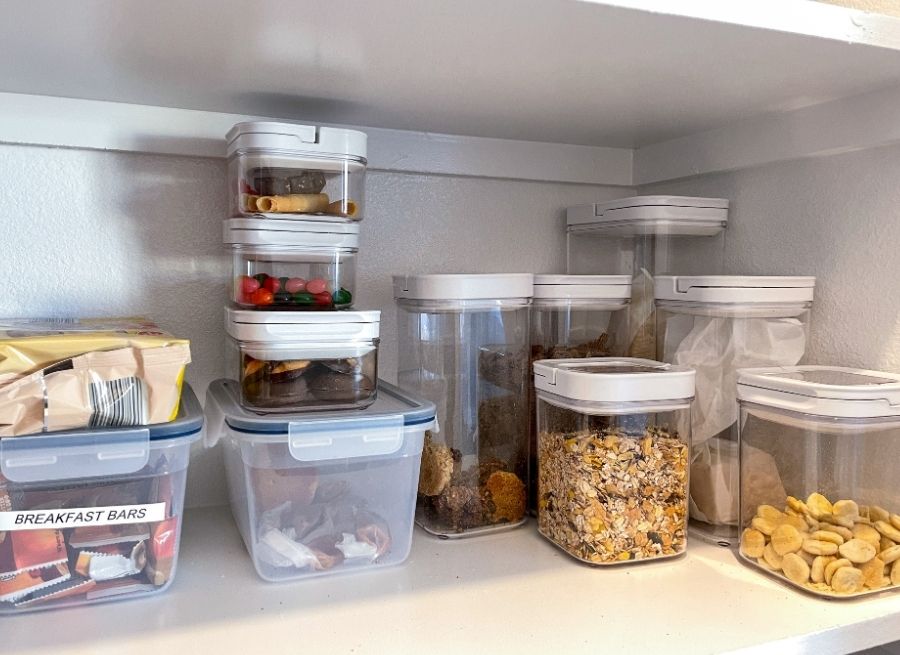
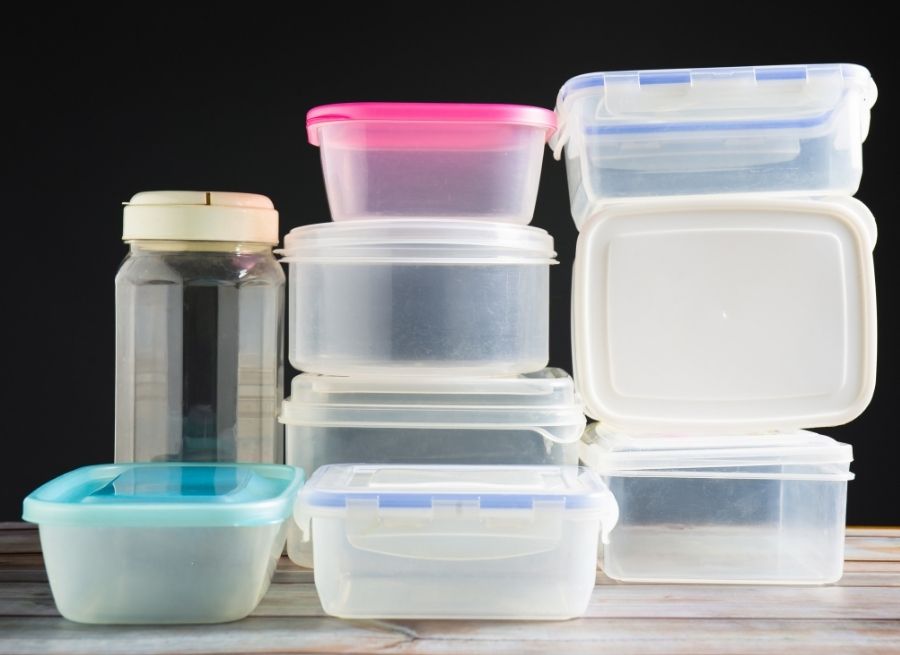
Plastic containers come in many types. Each type works differently with hot food. Some plastics handle heat well. Others can melt or release harmful chemicals.
Knowing the types of plastic helps you store hot food safely. It also keeps your food fresh and healthy.
Common Plastics Used For Food Storage
Many plastic containers use these common materials: polyethylene terephthalate (PET), high-density polyethylene (HDPE), and polypropylene (PP). PET is clear and good for cold food only. HDPE is stronger and can hold some heat. PP is popular because it resists heat better than others.
Heat-resistant Plastics
Polypropylene (PP) is the best heat-resistant plastic for food. It can handle temperatures up to 212°F. Containers made from PP are safe for hot leftovers and microwaving. Silicone containers also resist heat but are not plastic. Look for containers labeled microwave-safe or heat-resistant.
Plastics To Avoid With Hot Food
Do not use containers made from polystyrene (PS) or polyvinyl chloride (PVC) for hot food. These plastics can melt or release toxins when heated. Low-density polyethylene (LDPE) also has low heat resistance. Avoid using old or scratched containers, as they may leach chemicals more easily.
Risks Of Storing Hot Food In Plastic
Storing hot food in plastic containers carries several risks. Heat can cause changes in both the food and the container. These changes may affect health and food quality.
Understanding these risks helps you choose safer storage methods. Let’s explore the main concerns about storing hot food in plastic.
Chemical Leaching Concerns
Heat can cause plastic to release harmful chemicals. These chemicals may mix with the food inside the container. Common chemicals include BPA and phthalates. They can affect your health over time. Not all plastics are safe for hot food storage. Choosing the right plastic helps reduce chemical leaching risks.
Impact On Food Safety
Hot food stored in plastic may spoil faster. Heat can break down plastic, creating tiny cracks. These cracks allow bacteria to grow. Contaminated food can cause food poisoning. Proper cooling before storage helps keep food safe. Using glass or heat-safe containers is better for hot food.
Effects On Plastic Integrity
Heat weakens plastic containers over time. Containers may warp, crack, or melt. Damaged containers lose their sealing ability. This leads to spills and contamination. Repeated exposure to heat shortens container life. Using plastic only for cool or room-temperature food preserves its quality.
Safe Practices For Using Plastic Containers
Read More – What Is the Best Way to Store Spices in a Small Kitchen?
Using plastic containers for food storage is common in many homes. Safe use helps keep food fresh and avoids health risks. Follow simple steps to protect your food and your family.
Many plastic containers are designed for cold food only. Storing hot food in the wrong containers can cause chemicals to leak. Learning how to use plastic safely is important.
Checking For Microwave-safe Labels
Look for microwave-safe symbols on plastic containers. This label shows the container can handle heat safely. Without this mark, plastic may melt or release harmful chemicals.
Containers marked microwave-safe are tested for heat resistance. They keep food safe and stop plastic from breaking down. Always check the bottom or side of the container before use.
Allowing Food To Cool Before Storage
Let hot food cool down before putting it into plastic containers. Placing very hot food directly can warp or melt the plastic. Cooling food also prevents steam buildup, which can spoil food.
Wait about 20 to 30 minutes after cooking before storage. Use a clean plate or bowl to cool food faster. This small step helps keep food and containers safe.
Alternatives To Plastic For Hot Food
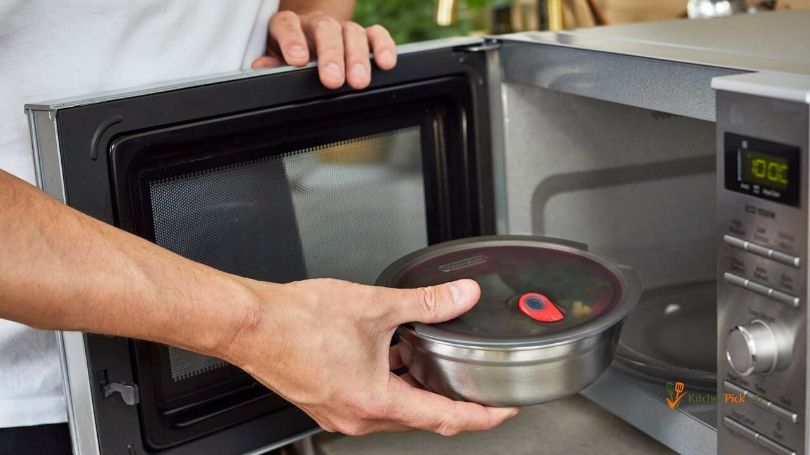
Glass and stainless steel containers work well for hot food. These materials do not release chemicals when heated. They can also go in microwaves and ovens safely.
Silicone containers are another option for hot food storage. They are flexible and heat resistant. Using these alternatives reduces plastic use and increases safety.
Health And Environmental Considerations
Storing hot food in plastic containers raises important health and environmental concerns. Understanding these issues helps make safer choices for you and the planet. This section covers the main points about health risks, plastic waste, and smart disposal.
Potential Health Risks
Heating food in plastic containers may cause harmful chemicals to leak. Some plastics contain BPA or phthalates, which can affect hormones. These chemicals increase risks of health problems over time. Not all plastics are safe for hot food. Look for containers labeled microwave-safe or BPA-free. Avoid using damaged or old plastic containers for hot meals.
Environmental Impact Of Plastic Use
Plastic pollution harms wildlife and ecosystems worldwide. Most plastic containers take hundreds of years to break down. Burning or dumping plastic releases toxic gases and poisons soil. The demand for plastic increases pollution and waste. Choosing reusable or biodegradable containers reduces environmental damage. Reducing single-use plastic helps protect oceans and land habitats.
Recycling And Disposal Tips
Check local recycling rules before throwing plastics away. Clean containers to avoid contamination in recycling bins. Flatten plastic containers to save space and improve recycling. Avoid mixing plastics with food waste or other trash. Reuse containers when possible to extend their life. Consider compostable or glass containers as greener alternatives.
Expert Recommendations
Experts have clear advice about storing hot food in plastic containers. Following their guidance helps keep food safe and fresh. Understanding which plastics work best protects your health. Simple steps can maintain food quality over time.
Food Safety Authorities’ Guidelines
Food safety agencies warn against storing very hot food in some plastics. Heat can cause harmful chemicals to leach into food. The FDA recommends waiting for food to cool slightly before placing it in plastic. Using containers labeled microwave-safe or heat-resistant is safer. Always check labels and follow instructions to avoid risks.
Best Container Choices For Hot Food
Choose containers made from polypropylene or high-density polyethylene for hot food. These plastics handle heat better without breaking down. Glass containers with plastic lids also work well for hot foods. Avoid containers made from polystyrene or PVC as they may release toxins. BPA-free containers offer extra safety for storing warm meals.
Tips For Maintaining Food Quality
Cool hot food for a few minutes before storing it in plastic. Do not fill containers to the top; leave space for steam. Use airtight lids to prevent moisture loss and contamination. Reheat food evenly to avoid cold spots where bacteria grow. Clean containers thoroughly after each use to keep them safe.
Read More – How Do You Remove Smells from Food Storage Containers?
Frequently Asked Questions
Can Plastic Containers Handle Hot Food Safely?
Most plastic containers are not designed for hot food. Heat can cause harmful chemicals to leach into food. Use containers labeled microwave-safe or heat-resistant for hot items. Glass or stainless steel containers are safer options for storing hot food.
What Types Of Plastic Are Safe For Hot Food?
Look for plastics labeled with recycling codes 2, 4, or 5. These types are more heat stable and less likely to release toxins. Avoid plastics with 3, 6, or 7 when storing hot food, as they may contain harmful chemicals.
Does Storing Hot Food In Plastic Cause Health Risks?
Yes, storing hot food in some plastics can release harmful chemicals. These chemicals may disrupt hormones or cause other health problems. Always use containers specifically designed for hot food to minimize risks and protect your health.
How Long Can Hot Food Stay In Plastic Containers?
Hot food should cool to room temperature before placing in plastic containers. Storing hot food immediately can warp the container and increase chemical leaching. Once cooled, store in the fridge and consume within 3-4 days for safety.
Conclusion
Storing hot food in plastic containers needs care and attention. Choose containers labeled microwave-safe or heat-resistant. Avoid using old or damaged plastic for hot meals. Hot food can release chemicals if plastic is not safe. Let food cool slightly before placing it inside.
This helps keep the container and food safe. Using the right plastic keeps your food fresh and healthy. Always check the container’s label before use. Safe storage protects your health and food quality. Simple steps make storing hot food easy and worry-free.