Can You Flush Paper Towels Down The Toilet?
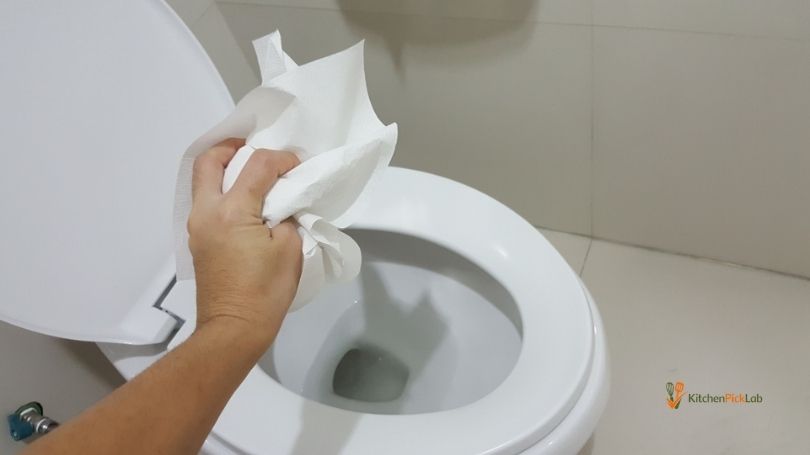
No, you can’t flush them. You should never flush paper towels down the toilet, unless you own a commercial macerating system built for tough waste. Drop the towel into a lined trash can right now instead of letting it reach your pipes. If it already left the bowl, keep your hands off the flush lever so you don’t cause an immediate backup.
When it’s yes and when it’s no
Your plumbing type and the item you hold decide where the paper must go.
| Your situation | Answer | Why |
|---|---|---|
| Standard household toilet | No | Thick fibers catch on drain pipe walls |
| Home connected to a septic tank | No | Towels don’t decompose in the tank |
| RV or camper waste tank | No | Sensors jam and waste valves clog fast |
| You ran out of toilet paper | No | Kitchen sheets don’t break down in water |
| Heavy-duty brown commercial paper | No | High wet strength stops all breakdown |
| Macerating toilet with heavy-duty blades | Yes | Motorized commercial blades shred heavy paper |
Why kitchen towels trap drain water
Paper towels are made to stay whole when wet, which makes them deadly to indoor drains. Toilet paper uses short wood fibers that fall apart in water within two or three minutes. Kitchen towels use longer cellulose fibers bound together with chemical wet-strength resins. These resins keep the sheet intact so you can scrub kitchen counters without the paper tearing in your hand.
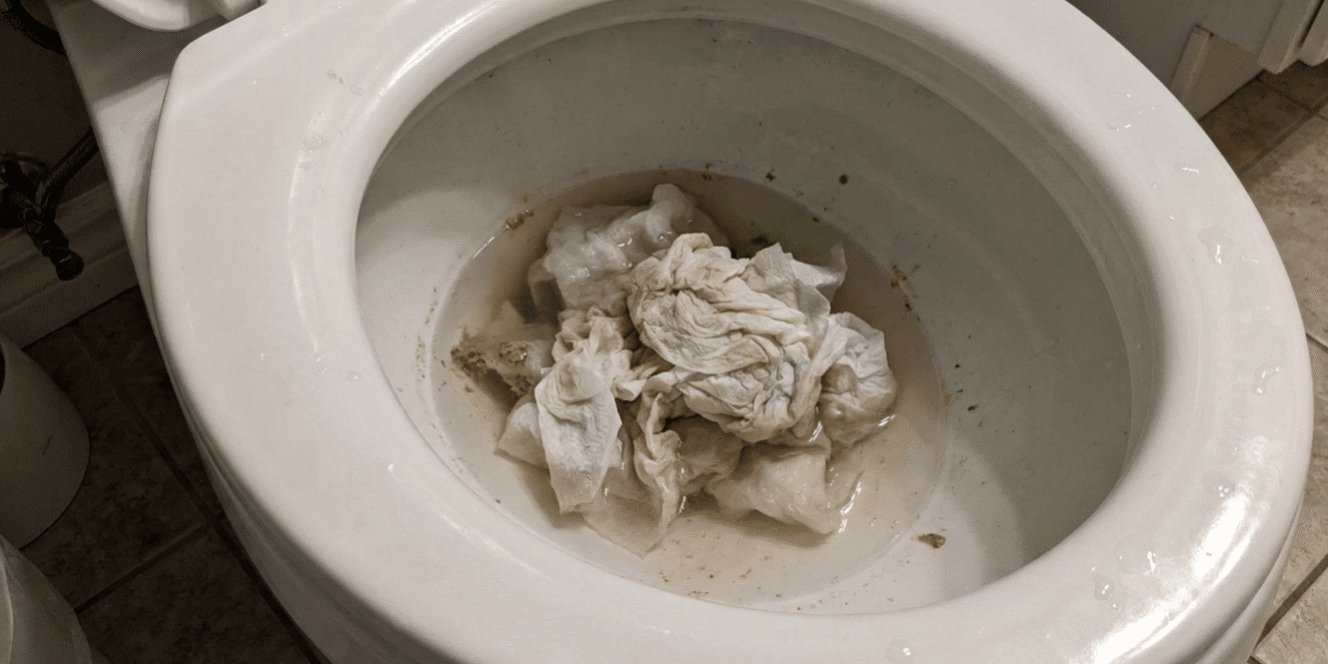
When you put that sheet into a toilet, it doesn’t dissolve. It swells up, holds water, and stays tough. The EPA wastewater guidelines explain that public sewer systems rely on items breaking down quickly to prevent neighborhood main line backups. A kitchen towel snags on small ridges inside your pipes, like rust or pipe joints. Once the first sheet snags, it catches toilet paper and solid waste behind it. In minutes, the flow of water drops to zero.
Pipes differ by house age and material; consult a professional plumber to determine your specific line size. A trade-off exists between paper strength and pipe safety: the better a towel cleans your spill, the worse it treats your plumbing. If the paper stays tough when wet, throw it in the trash; if it shreds apart in standing water, it can go down the bowl.
Other ways to throw them away
- Drop them into a lined trash can beside your toilet. Use a small pedal bin with a sealed lid and a plastic liner bag. This keeps used paper out of your pipes entirely while sealing away any odors. This option isn’t for people who refuse to empty a small bathroom trash can regularly.
- Collect unsoiled food towels in an outdoor compost pile. Put paper towels used for water or raw vegetable spills into a backyard compost bin with dry leaves. This option isn’t for people dealing with bathroom waste, animal fat, chemical cleaners, or raw meat juices.
- Switch to washable cotton cleaning cloths. Keep a basket of small cotton rags in your bathroom to wipe up water spills, wash them in hot water, and reuse them. A stack of twelve rags replaces hundreds of disposable paper sheets over several years. This option isn’t for people who dislike running an extra laundry load of utility rags each week.
Flushing twice to force it down
The most common mistake is hitting the flush handle a second time when a paper sheet doesn’t clear the bowl. People think extra water pressure will push the tough paper out to the street sewer. Instead, the paper sheet wedges deeper into the toilet trap, while the extra two gallons of water fill the bowl and spill over onto the floor.
A sewage overflow ruins flooring and costs hundreds of dollars in floor replacement and cleanup supplies. The fix takes two seconds: if water rises near the rim, take the tank lid off immediately and push the rubber flapper valve down flat against the tank bottom to shut off the water flow.
When to stop and get help
- Water rises to the rim of the bowl after one flush and stays there for over ten minutes, which means the trap is completely blocked.
- Wastewater bubbles up through a nearby shower drain or bathtub when you flush, showing the clog is deep inside the main branch line.
- A standard toilet plunger doesn’t move the standing water after twenty steady, firm plunges.
- Raw sewage smells come through the bathroom floor, meaning a pipe joint has separated or a wax ring seal has failed.
Licensed plumbers have motorized drain snakes and cameras to clear deep branch lines without cracking older porcelain fixtures.
Can you flush paper towels down the toilet safely?
No, never. Kitchen paper towels contain chemical binders that keep them from breaking apart in water, which quickly causes deep pipe clogs.
What happens if you accidentally flush one paper towel?
It might pass your toilet trap, but it often snags on rough pipe walls deeper down. Watch your bowl during the next flush to make sure water leaves at normal speed.
How long does a paper towel take to dissolve in water?
Months, if ever. Standard toilet paper falls apart in two minutes, but kitchen paper towels stay intact for weeks because of their strong bonded fibers.
Is it safe to flush shredded paper towels?
No. Cutting paper towels into tiny pieces doesn’t remove the wet-strength chemicals. The small shreds collect against pipe rough spots and form a solid plug.
Can a septic tank handle flushed paper towels?
No. Septic bacteria can’t break down the tough cellulose fibers and binders quickly. The towels sit as solid sludge on the bottom until your system backs up.
Why do paper towels clog pipes faster than toilet paper?
Paper towels absorb water and expand instead of shredding. Toilet paper uses short, loose fibers designed to dissolve, while kitchen paper uses long, cross-linked fibers meant to hold water.
What to do next
Place a small, lined trash can directly next to your toilet so nobody feels tempted to flush tough paper. You should see toilet water drain out in three to four seconds with a normal swirling motion after every standard flush. If the water level rises or takes longer than ten seconds to drop, stop using the bathroom and call a licensed plumber.