Can You Mix Vinegar And Dish Soap?
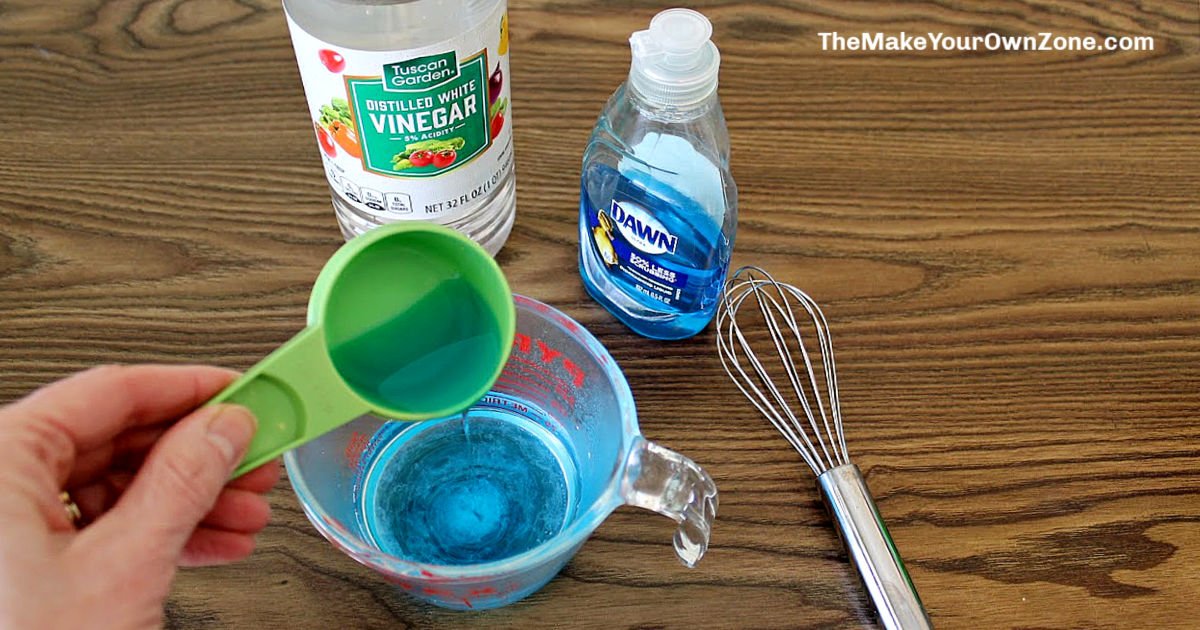
Yes, but only for certain cleaning jobs. Can you mix vinegar and dish soap? Yes, because combining them creates no toxic fumes. The acid weakens standard soap molecules, which ruins their ability to cut heavy food grease on cookware. Mix them only for breaking down hard water stains, soap scum, or garden weeds.
When to mix vinegar and dish soap
Match your household cleaning task against this guide before combining these liquids.
| Your situation | Answer | Why |
|---|---|---|
| Bathroom soap scum | Yes | Acid dissolves mineral film quickly |
| Hard water deposits | Yes | Vinegar breaks up alkaline limescale |
| Patio weeds | Yes | Acid strips leaf wax layer |
| Greasy dinner plates | No | Vinegar breaks the degreaser down |
| Marble or granite | No | Acid etches polished natural stone |
| Unsealed hardwood | No | Liquid strips protective floor finishes |
Cleaning chemistry and soap reactions
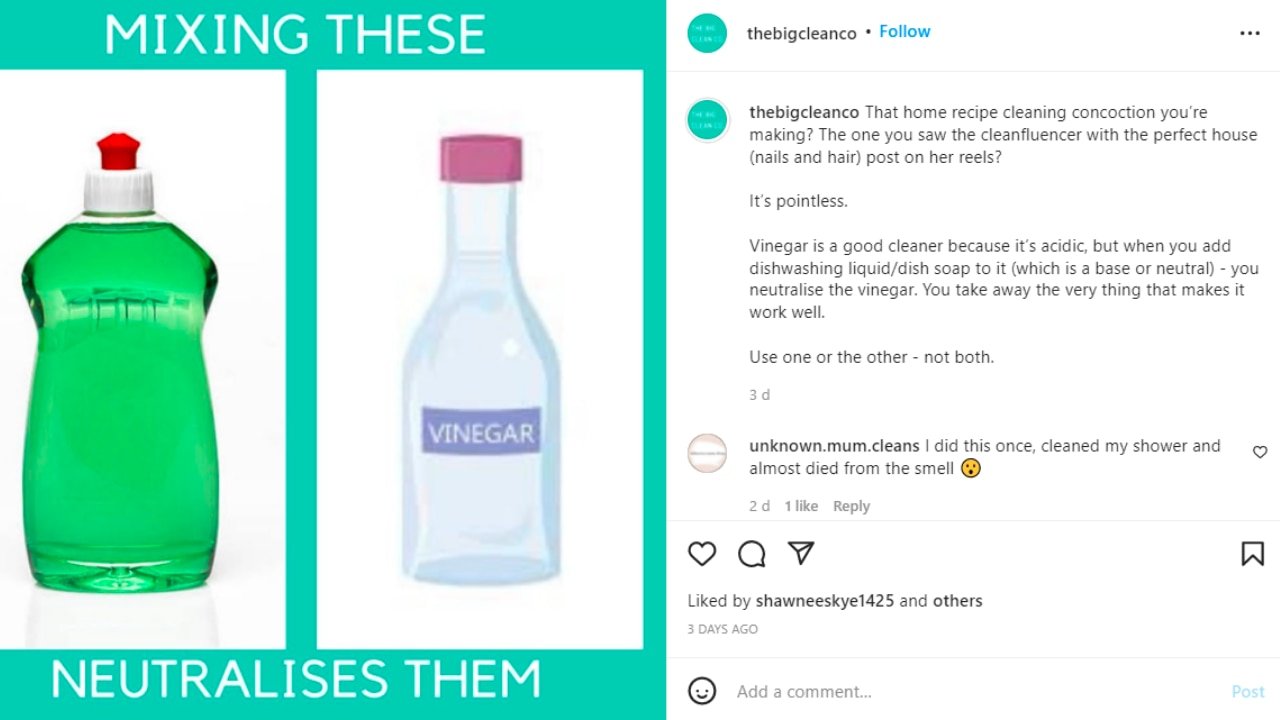
The pH balance decides if this combination works. Distilled white vinegar is an acid with a pH around 2.5. Standard liquid dish soaps sit between a neutral 7 and a mild alkaline 8 to lift oils away from surfaces. When you dump an acid directly into an alkaline soap, they neutralize one another. The acid lowers the pH of the soap, which can cause the surfactants to precipitate out of the solution, resulting in a cloudy appearance.
This reaction causes a major trade-off. You gain a sticky liquid that clings to vertical walls, but you sacrifice the soap’s power against animal fats and cooking oils. The soap’s surfactants lower the water’s surface tension. This helps the vinegar’s acetic acid stay on shower doors or plant leaves without rolling straight off into the drain. However, standard dish soaps vary by brand, so check the product label to see if your formula contains synthetic degreasers that curdle immediately in acid. The recipe can’t act as an all-purpose cleaner for everyday kitchen mess. If the soil is mineral scale, then mix them together; if the soil is cooking grease, then use dish soap alone with hot water.
Mixing steps for mineral scale
- Heat the white vinegar in a microwave-safe container for 60 seconds at 1,000 watts until it feels warm to touch. The liquid will steam lightly when it reaches the right working heat.
- Pour equal parts liquids into an empty spray bottle, using 1 cup of warm white vinegar and 1 cup of dish soap. The bottle will fill to two cups without overflowing.
- Swirl the spray bottle gently in circles for 15 seconds instead of shaking it. The liquid turns smooth and thick without producing excess foam.
- Spray the dirty surface from 6 inches away until the soap scum is fully coated. The solution clings in place rather than running down the wall.
- Wait 30 minutes while the acetic acid breaks down the mineral bonds. The limescale layer turns soft and dull under the soap film.
- Rinse with hot water while scrubbing lightly with a non-scratch sponge for 2 minutes. The surface rinses clean with no gritty residue left behind.
The problem with kitchen grease
People often ruin their kitchen cleanups by adding vinegar to their regular dishwater. Doing this costs you extra hot water, wasted soap, and greasy residue on your plates that forces you to wash everything a second time. Dish soap uses surfactants that grab oil on one side and water on the other. According to EPA guidance on safer cleaning products, surfactants work by breaking surface tension to trap oily soils. Adding vinegar changes the ionization state of the surfactants, reducing their effectiveness at emulsifying oils. The destabilized emulsion allows the oil to redeposit onto the surfaces. Avoid this mistake by washing oily dishes in warm water with plain dish soap, saving vinegar only for a clean rinse afterward.
When to stop and get help
- Thick limescale buildup around pipe fittings that doesn’t soften after two vinegar treatments, which points to deep plumbing corrosion best fixed by a licensed plumber.
- White haze or dull spots appearing on granite or limestone counters, where the acid has etched the stone and requires a stone restoration professional with polishing pads.
- Persistent outdoor mold growing on exterior walls, which needs an EPA-registered fungicide or professional remediation rather than household liquids.
Stop DIY attempts whenever a surface begins pitting, discolouring, or losing its protective seal.
Frequently asked questions
Can you mix vinegar and dish soap for weeds?
Yes. The vinegar dries out weed leaves by breaking down their outer wax coating. Dish soap makes the vinegar stick to the plant instead of rolling onto the soil. This mixture works best on small broadleaf weeds in direct, hot sunlight.
Does dish soap cancel out the vinegar?
Yes, partly. Dish soap reduces the vinegar’s acidity by bringing the pH closer to neutral. The mixture won’t fight thick limescale as fast as pure vinegar does, but it clings much better to vertical walls and shower glass.
Can I mix vinegar and Dawn dish soap?
Yes. This popular combination cleans bathroom grime well because the soap helps the vinegar coat vertical tile. It works reliably on tub rings and mineral build-up. Don’t use this specific mix on natural stone counters or delicate metal fixtures.
What happens if you add baking soda to this mix?
The mix fizzes and becomes useless. Baking soda reacts with vinegar to produce water, carbon dioxide gas, and sodium acetate. You lose the acid needed to fight limescale and the degreaser needed to lift oils.
Is it safe to store this mixture long-term?
No. The soap and vinegar separate within a few days inside the bottle. The mixture may turn cloudy, curdle, or lose its smooth texture. Mix only the small batch you need for that day’s cleaning chores.
Why did my soap mix turn cloudy?
The acid changed the soap’s chemical base. Many commercial dish detergents contain additives that curdle when they meet low-pH liquids like vinegar. The cleaner is still safe to use on glass, but it won’t store well.
What to do next
Test a teaspoon of the mixture on a small, hidden corner of your surface first. Spray your limescale or shower glass until coated, and expect the scale to wipe away easily after 30 minutes. If your surface turns dull, cloudy, or feels rough to the touch, stop immediately and rinse the area with fresh water.