Can A Thermos Go In The Microwave? The Safety Facts Explained
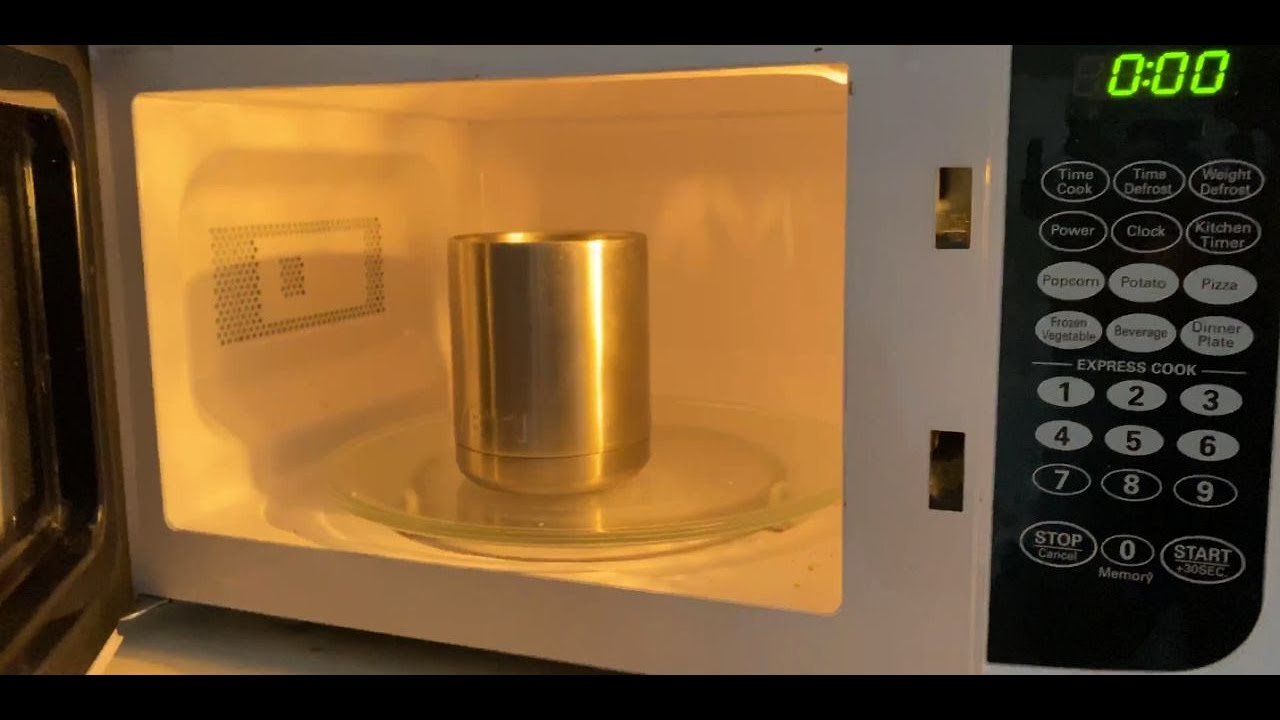
No, you can’t put standard insulated flasks into a microwave oven. When people ask if a thermos can go in the microwave, the answer is almost always no because the stainless steel body blocks heat and creates fire risks. The only condition that flips this answer is having an all-plastic, microwave-safe container with zero metal parts. Set your container on the counter and leave the microwave door shut for now.
When you can microwave your thermos
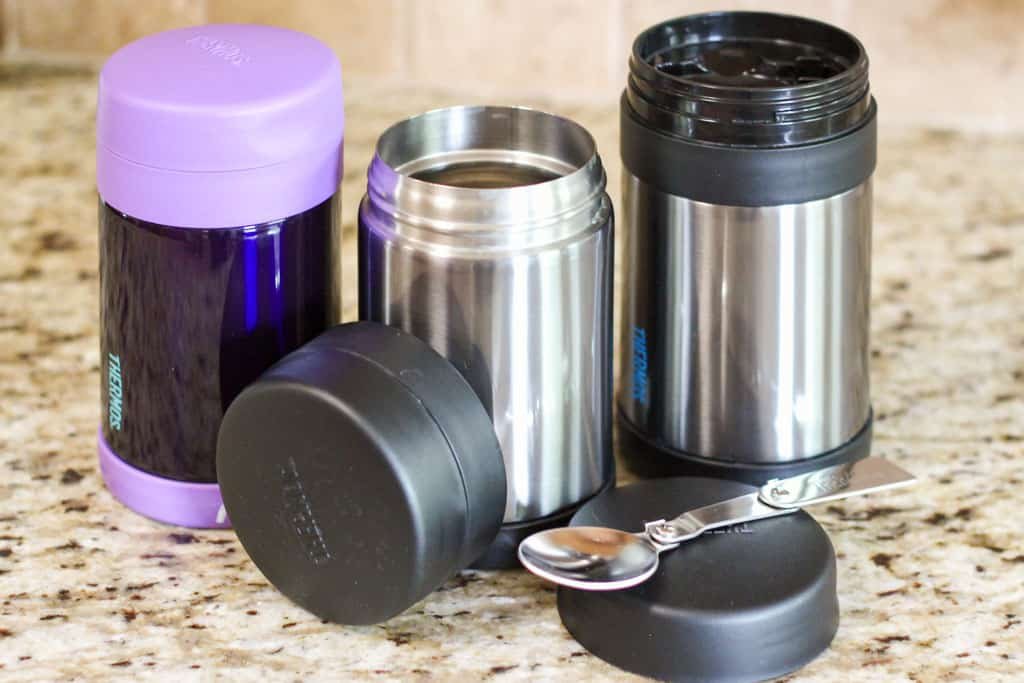
Your flask’s build material tells you immediately whether it can enter an oven.
| Your situation | Answer | Why |
|---|---|---|
| Stainless steel body | No | Metal causes sparks and fire inside. |
| Double-wall vacuum steel | No | Metal blocks radiation from reaching soup. |
| Plastic shell with steel liner | No | Hidden inner metal still sparks quickly. |
| Glass interior with metal case | No | Outer steel body causes electric arcs. |
| All-plastic with microwave icon | Yes | Food-grade resin absorbs microwave energy safely. |
| Sealed lid left screwed tight | No | Steam builds pressure and triggers explosions. |
Why metal and seals block microwave heating
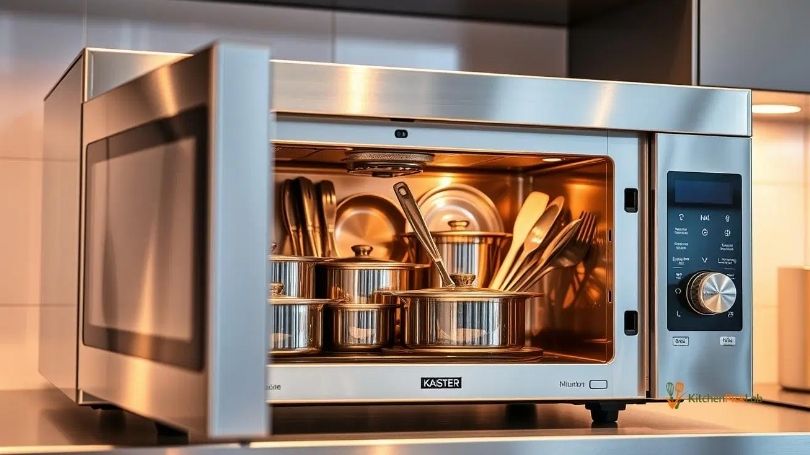
Metal shields liquids from radio waves, while tight seals turn small amounts of trapped moisture into dangerous pressure vessels. Microwaves work by sending electromagnetic waves that vibrate water molecules inside your food to produce friction and heat. Stainless steel acts as a reflector rather than an absorber. The waves bounce straight off the steel walls instead of reaching your coffee. This reflection causes electrical charges to build up rapidly along the metal surface. When that charge jumps across gaps, it produces arcing, which damages the oven cavity and can spark an immediate fire.
The double-wall vacuum design creates another major barrier. Insulated bottles trap an empty vacuum space between two walls to stop heat transfer. Because radio waves can’t pass through the outer steel wall, the liquid inside stays cold while the exterior metal gets dangerously hot. Leaving a lid attached makes things far worse. Heating liquid creates steam, which expands fast. If trapped inside a threaded stopper, the rising pressure can blow the lid off with force. According to the FDA microwave oven safety guide, metal items reflect energy and cause arcing inside the chamber.
If your bottle has any metal parts or vacuum walls, then keep it out of the appliance entirely; if it’s made entirely of microwave-safe plastic without its lid, then heating it works normally.
What to do instead of microwaving your bottle
- Pour the cold drink or soup into a ceramic mug. Ceramic heats quickly in an appliance without reflecting radiation. Who this is NOT for: readers who are already at their desk without an extra dish.
- Reheat the liquid inside a saucepan over low heat on a stove. This approach warms large batches evenly within 4 to 6 minutes. Who this is NOT for: anyone working in an office kitchen without an open burner.
- Preheat your flask with boiling water before filling it next time. Pour boiling tap water inside for 5 minutes, dump it out, and then add your hot food so it retains heat all day. Who this is NOT for: people whose food has already turned cold today.
Ruining the vacuum seal
Heating a metal flask ruins its internal vacuum insulation permanently. It will never keep drinks hot or cold again, leaving you with a ruined item that costs a full replacement to fix. A quick check of the bottom stamp avoids this mistake entirely. Look at the base: if it says stainless steel or lacks an embossed dish-safe symbol, keep it out of the oven. This rule varies by model — check the label on your brand’s official base plate.
When to stop and get help
- You see sparks, lightning flashes, or scorch marks inside the oven walls, which means the enamel coating is damaged and requires an appliance technician.
- The flask base bulged or cracked along the seam, which destroys the vacuum core and requires replacing the bottle.
- The door glass cracked or the latch melted during an arcing incident, which means the microwave leaks radiation and must be serviced by a certified professional before running again.
Stop immediately if you smell burning electrical wiring; unplug the unit from the wall outlet and call an appliance repair specialist.
Frequently asked questions
Can you microwave a Thermos brand plastic container?
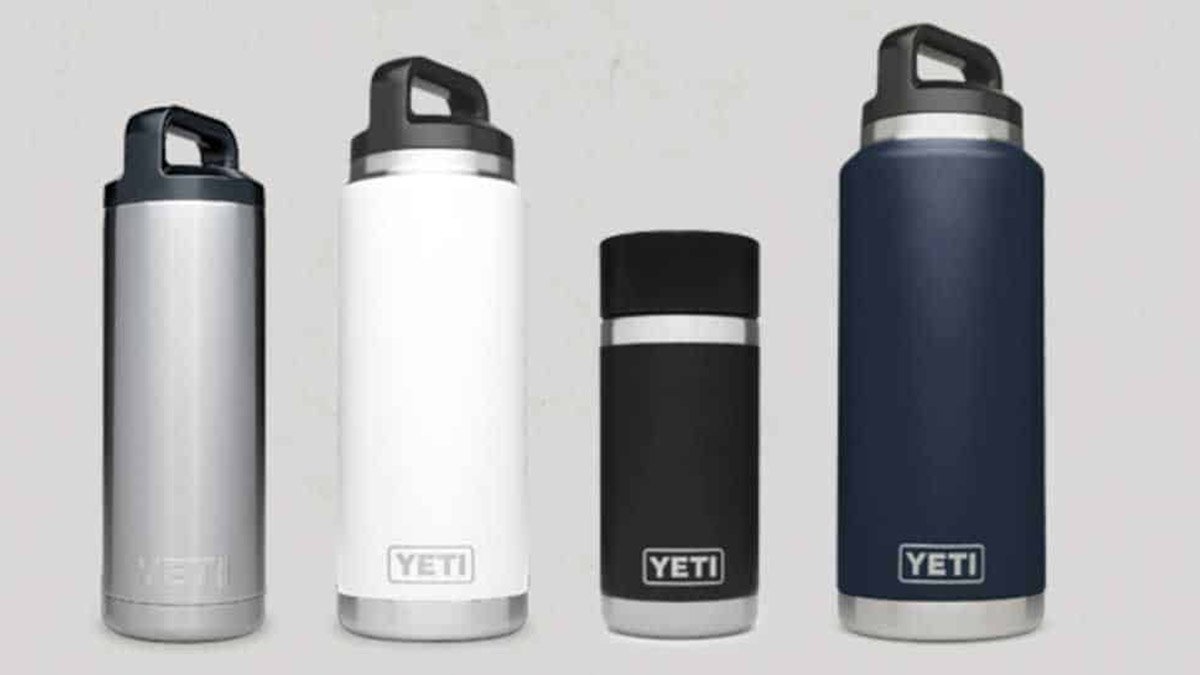
Yes, if the bottom displays the microwave-safe wavy lines symbol. You must remove the lid entirely before turning on the appliance. If the container contains any hidden steel bands, foil liners, or metal springs inside the latch, keep it out to prevent melting and sparks.
What happens if you accidentally put a metal thermos in the microwave?
Sparks will arc between the metal walls and the oven interior within seconds. This electrical charge can burn the unit’s wave guide cover and destroy the internal magnetron. If you catch it immediately without damage, the liquid inside will still remain completely cold.
Is it safe to microwave a thermos lid?
No, most flask lids contain silicone sealing rings, metal vent springs, or foam insulation. The high heat can warp the plastic threads or melt the rubber gaskets, ruining the airtight seal. Trapped moisture inside the push-button mechanism can also expand and crack the plastic housing.
Why did my food stay cold after microwaving the bottle?
The outer metal wall reflected all the electromagnetic waves away from the contents. Because microwaves can’t penetrate steel, energy never reached the water molecules in your soup. The bottle simply acted as a shield, leaving the food at its original cold temperature.
How do you reheat coffee without a microwave-safe mug?
Pour the coffee into a small metal pot and warm it over a kitchen burner for 3 minutes. If no stove is around, run hot tap water over the outside of your sealed bottle for several minutes, though this warms the coffee very slowly compared to a pot.
Does microwaving ruin the thermal flask forever?
Yes, if the electrical arcing punctures the metal or pops the base weld. Once ambient air enters the vacuum pocket between the walls, heat escapes rapidly into the room.
What to do next
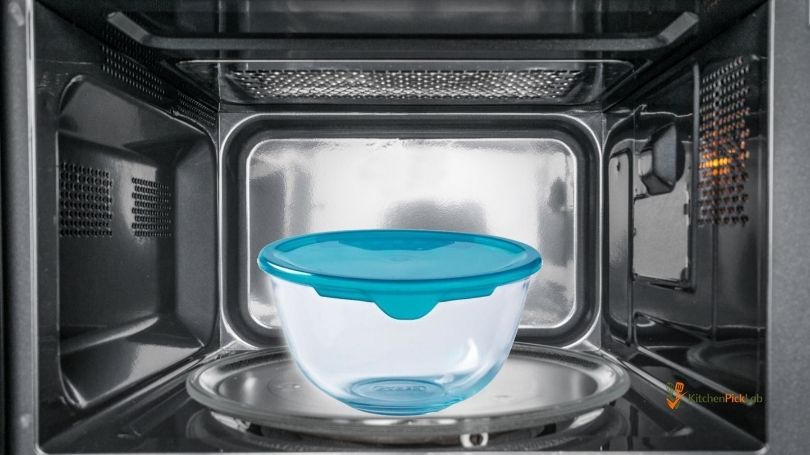
Transfer your cold food into a standard glass or ceramic bowl right now. Heat it in 30-second bursts until steam rises steadily from the surface. If your microwave displays scorch marks or keeps making a loud buzzing sound after an accidental metal run, stop using the appliance and schedule an inspection with a certified repair technician.