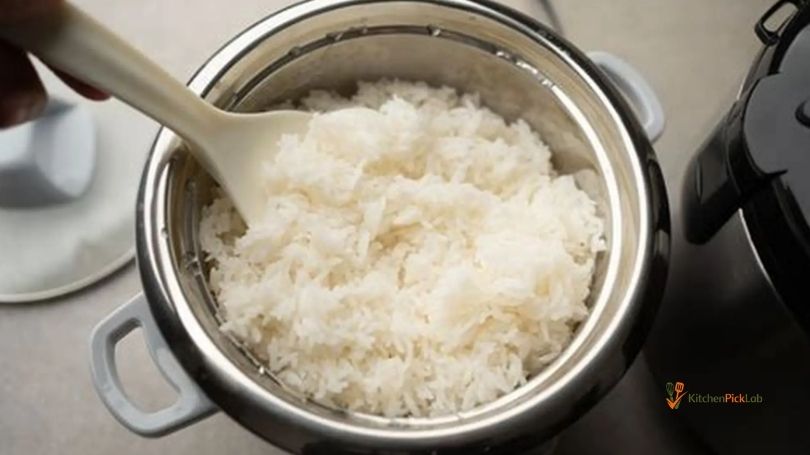
Can You Cook Sticky Rice In A Rice Cooker? The Correct Ratio
Last Updated on October 9, 2026
Yes, but you need a specific water ratio. You can cook sticky rice in a rice cooker successfully if you don’t add standard amounts of liquid. A standard white rice water ratio turns glutinous rice into wet mush immediately. Take a dry measuring cup right now and measure equal parts dry rice and cool tap water.
How to cook sticky rice properly
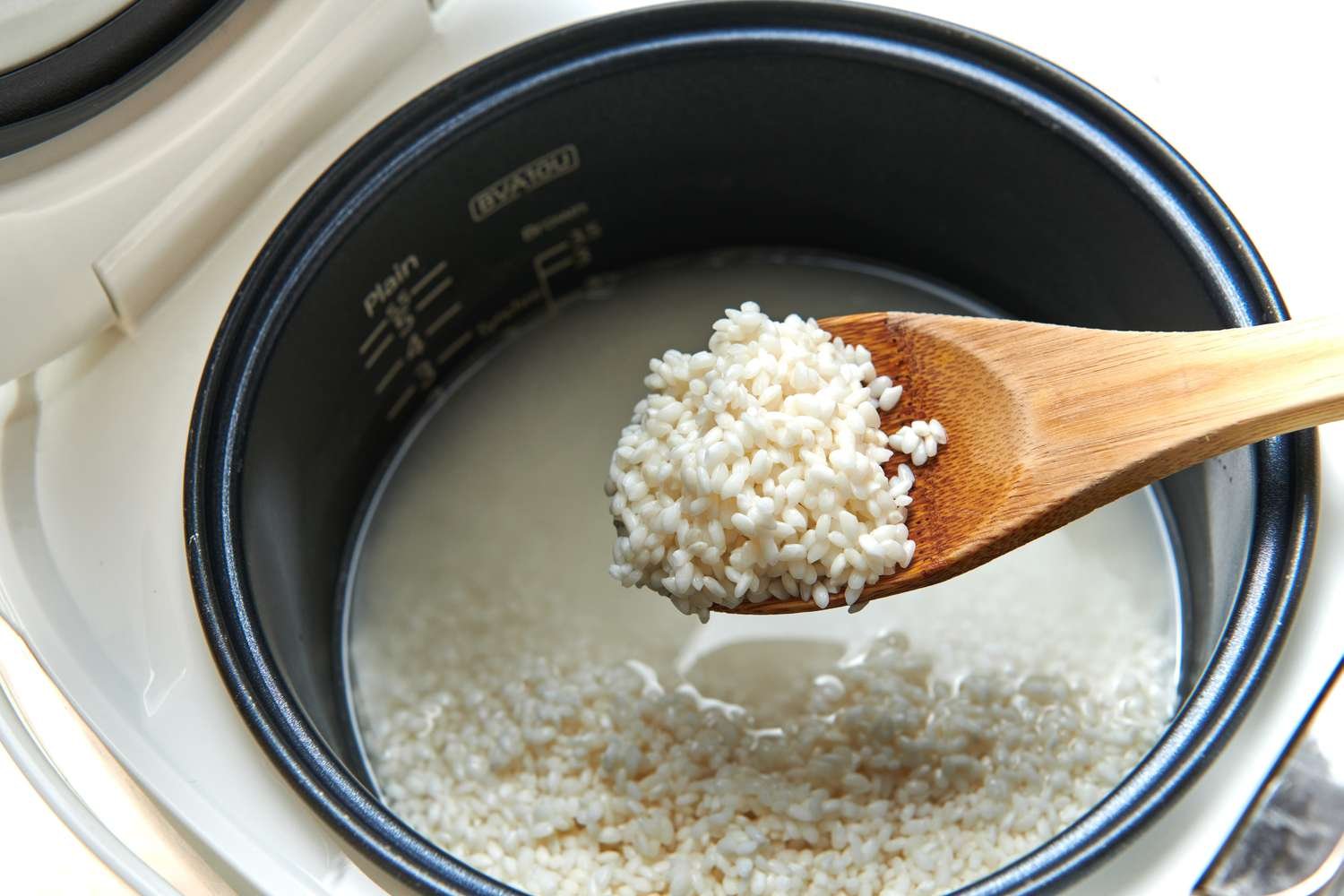
Your cooker model and prep time decide your cooking method.
| Your situation | Answer | Why |
|---|---|---|
| Cooker has a sweet rice setting | Yes | Machine adjusts heat curve automatically |
| Basic one-button cooker with soak | Yes | Pre-soak softens grains before boiling |
| Basic one-button cooker without soak | No | Grains stay hard inside raw starch |
| Long-grain jasmine rice in pot | No | Jasmine lacks high amylopectin starch |
| Steamer basket insert available | Yes | Steam cooks grains without standing liquid |
Starch structure and water absorption
Glutinous rice behaves differently because of its starch makeup. Regular table rice contains two starches: amylose and amylopectin. Sticky rice contains almost pure amylopectin, which turns gluey when hot liquid touches it. That creates a soupy paste on the bottom of the pot.
Steam heat cooks these grains best, but a standard cooker submerges them. You must restrict the water so the grains swell without breaking apart. A longer soaking window lets moisture reach the center of each grain slowly at room temperature. This trade-off means you spend more prep time waiting, but you avoid a gummy mess. You can monitor safe food handling standards through the FoodSafety.gov safe food charts to ensure wet soaked grains don’t sit out at room temperature past two hours.
If you soak the rice for two hours, use equal parts water and rice; if you skip the soaking step entirely, you must use a dedicated steaming basket insert instead.
Steps for a standard pot
Here is how to cook glutinous grains in a standard one-button appliance.
- Rinse the dry grains thoroughly under cold running water until the runoff is clear. The water runs transparent once surface dust washes away.
- Soak two cups of rice in cold water for two hours. The grains turn bright white and break easily between two fingers.
- Drain all soaking water completely using a fine mesh strainer. No standing water drips from the bottom of the mesh.
- Add equal parts fresh water using one cup of liquid per cup of soaked grain. The water line sits just level with the top of the flattened rice bed.
- Press the standard cook switch and leave the lid sealed. The switch clicks to warm after about 20 minutes for a two-cup batch.
- Rest for ten minutes undisturbed with the unit set on warm. Grains look glossy, tender, and cling together without puddles.
This method isn’t for short-grain sushi rice, which requires more surface moisture to stay soft.
The ratio error that creates mush
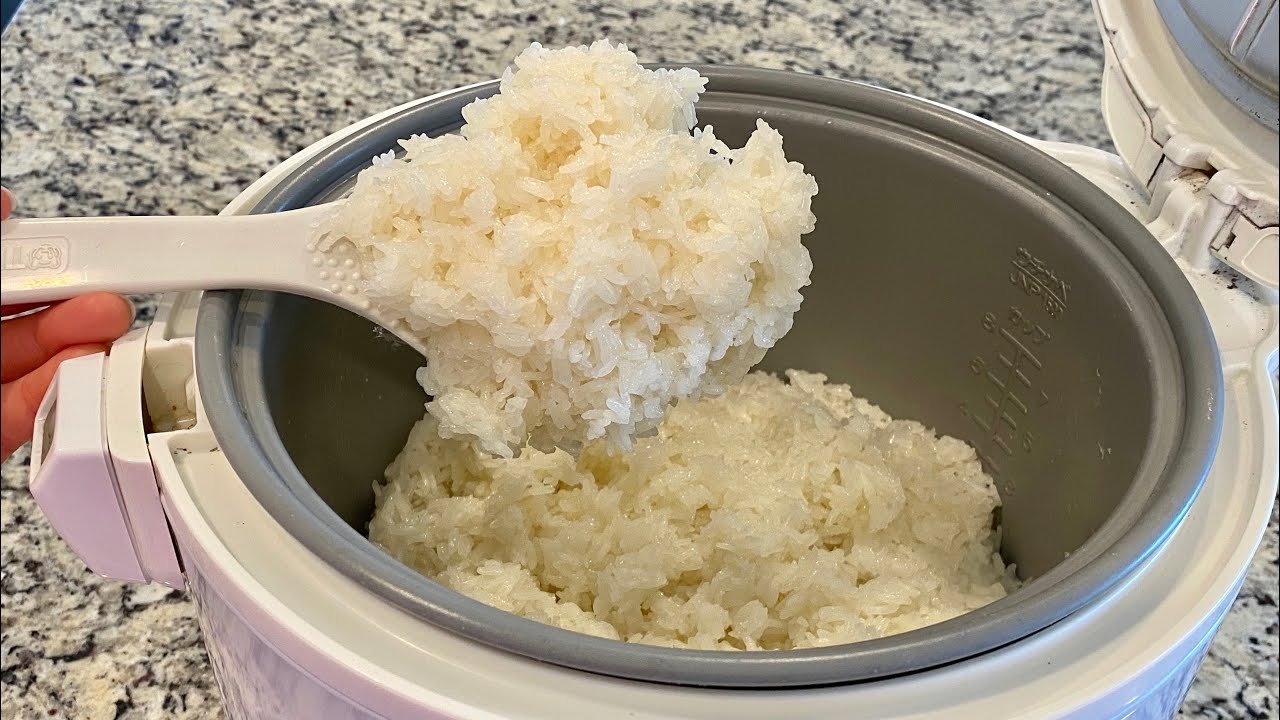
Adding standard white rice water amounts ruins the batch completely. Regular white rice uses nearly double the volume of water relative to grain. If you use a two-to-one water ratio on sticky rice, you get porridge instead of distinct grains. This mistake wastes your ingredients and costs forty minutes of cooking time because you can’t drain mush once it heats up. Keep an exact one-to-one ratio by volume after draining the soak water.
When to stop and get help
Stop and rethink the method if these problems happen:
- The cooker switch jumps back to warm within five minutes, which means the heating plate overheated.
- The nonstick pot coating has scratches, causing high-starch rice to weld permanently to the metal.
- Scorched burning smells rise from the base, showing liquid escaped into the electrical heating element.
If the machine base smells of burnt plastic or wiring, stop using it. An appliance repair technician or the manufacturer’s warranty department must handle internal electrical faults.
Frequently asked questions
Can you cook sticky rice without soaking it first?
No, sticky rice requires soaking unless you use a high-pressure multi-cooker. The raw grains are dense and dry. If you cook them dry, the outer starch turns to paste while the interior remains hard and chalky. A thirty-minute soak is the bare minimum for edible texture.
Why did my rice turn out mushy?
You added too much liquid to the cooker bowl. Sticky rice doesn’t absorb water like standard long-grain rice. If the water level rises visibly above the grain line before cooking, the high-amylopectin starch melts into a wet paste. Always use equal volumes of rice and water.
How long does sticky rice take in a cooker?
About 20 minutes for two cups of soaked rice in a standard 500-watt machine. The cooker switches off when the bottom sensor detects the temperature rise that occurs once the liquid is absorbed. Larger four-cup batches take roughly 30 minutes in the same machine.
Is sticky rice the same as sushi rice?
No, sticky rice is a completely different variety known as glutinous rice. Sushi rice is a short-grain japonica variety containing high amylopectin starch. Sticky rice contains almost pure amylopectin starch. You can’t swap them using identical water measurements or expected textures.
What happens if you open the lid early?
Steam escapes immediately, leaving the top layer of grains raw. Rice cookers rely on trapped steam to finish cooking the dense center of each grain. If you vent the lid during the cycle, the temperature drops and starch stops gelatinizing properly.
Does the warm setting dry it out?
Yes, leaving sticky rice on warm for more than twenty minutes creates a tough, dry crust. The starch loses moisture rapidly once heat stays steady without steam. Unplug the machine, remove the inner pot, and cover it with a damp cloth instead.
What to do next
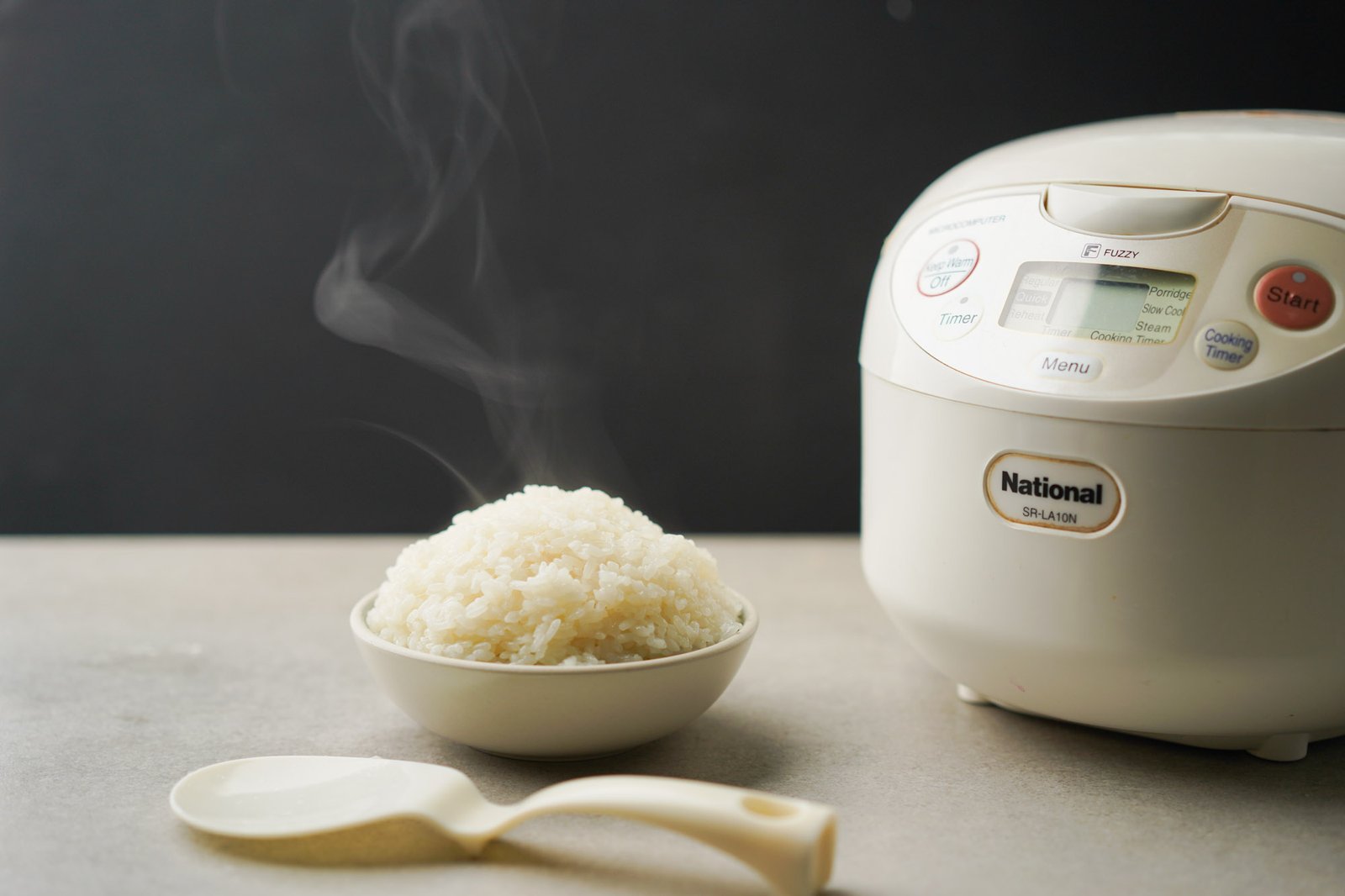
Rinse two cups of glutinous rice until the water clears, then submerge it in cold water for two hours. Your rice is ready when the grains look translucent, hold their shape, and stick together without wet paste in the bottom of the pot. If the cooker base smells like scorched electronics, stop immediately and contact the manufacturer.
Final Thoughts
Once the cooker signals that it’s done, let the grains rest for a few minutes before you fluff them with a paddle. You’ll find the texture is perfect for pairing with a savory mango dessert or a spicy Thai curry. Don’t be afraid to experiment with your favorite toppings tonight.