Can You Cook A Whole Chicken In An Instant Pot? The Simple Guide
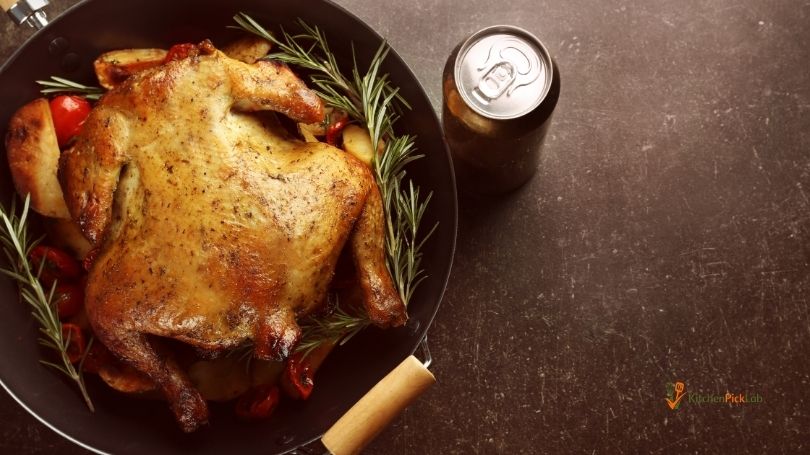
Yes, you can easily fit and cook one inside the inner pot. Many people ask if you can cook a whole chicken in an instant pot without realizing bird size is the only limit. If your chicken weighs over five pounds, check the inner pot’s max-fill line before you turn the valve.
When you can cook a whole chicken
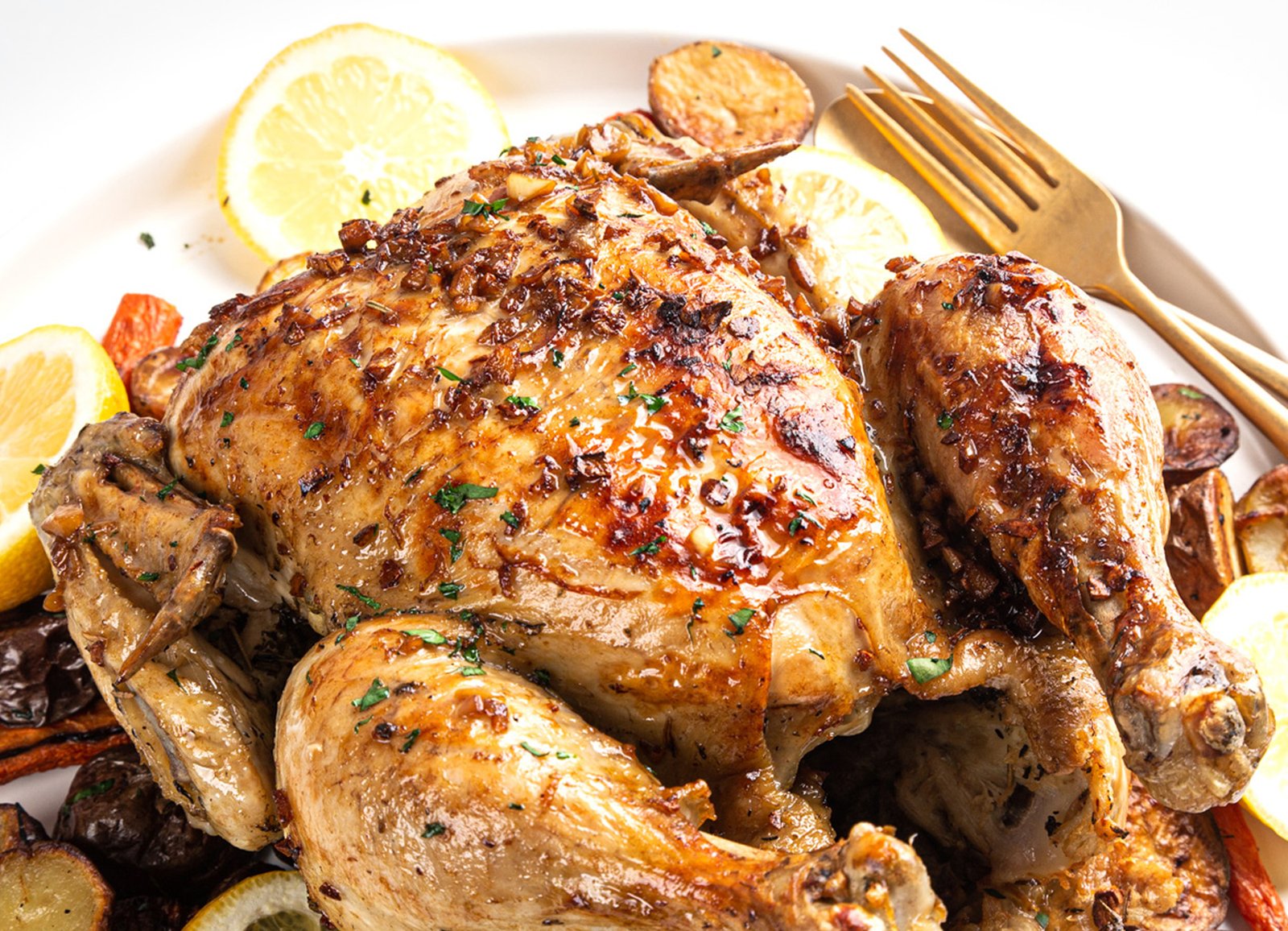
Check your cooker capacity and the bird weight before you begin.
| Your situation | Answer | Why |
|---|---|---|
| 6-quart cooker with 4-pound chicken | Yes | Fits easily under the max-fill line |
| 6-quart cooker with 6-pound chicken | No | Lid won’t seal shut safely |
| 8-quart cooker with 5-pound chicken | Yes | Plenty of room for full circulation |
| 3-quart cooker with whole chicken | No | Cooker is too small to fit |
| Whole bird with skin-on crisping wanted | Yes, but | Needs an oven broil after cooking |
| Frozen whole chicken without bag removed | No | Giblet bag melts during pressure cycle |
Pot volume and bird weight
Pot volume sets the hard limit for this cooking method. A standard 6-quart cooker comfortably fits a 3- to 4.5-pound whole bird. An 8-quart model easily takes up to a 6-pound chicken. The trade-off for fast pressure cooking is soft, wet skin, because steam can’t brown meat inside an enclosed inner chamber. You get juicy meat in 30 minutes, but you sacrifice the roasted crunch unless you run it under your oven broiler.
Physical clearance inside the cooker matters for pressure safety. Steam must flow freely around the meat to build pressure and push the safety float valve up. If the bird presses against the lid, meat pieces can clog the steam release valve. This creates a burn warning or stops the cycle entirely. Measure from the wire trivet to the pot rim. The bird must sit entirely below the max-fill line stamped on the inner stainless steel wall. This varies by model — check the label inside your pot.
If your bird sits below the max-fill line, pressure cook it on the trivet; if it touches the rim, roast it in the oven instead.
Pressure cooking steps
This process isn’t for people who want crunchy skin straight from a single appliance.
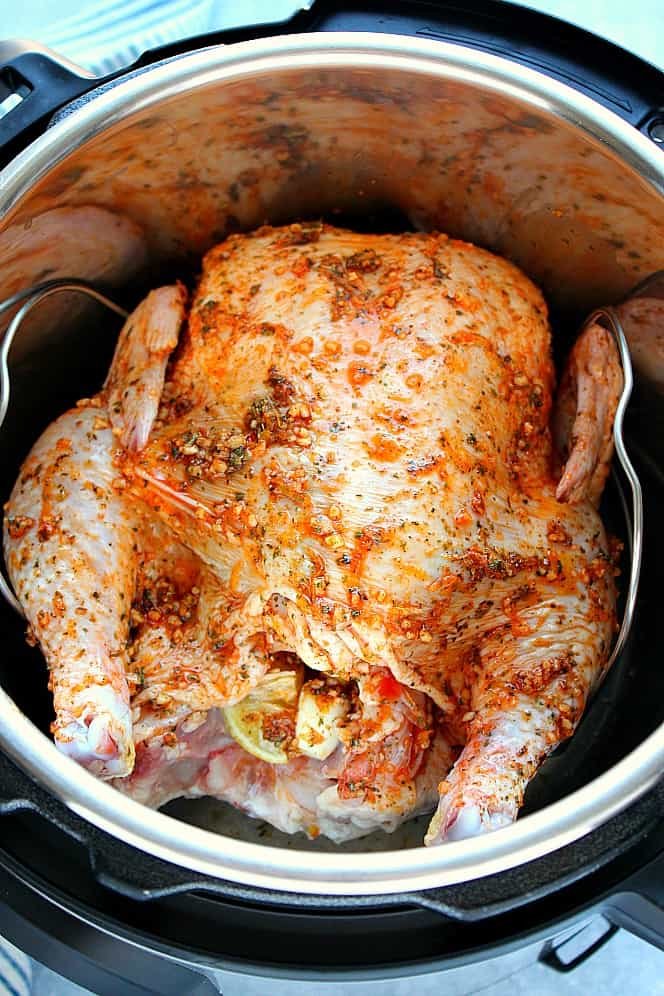
- Insert the trivet and liquid. Pour 1 cup of cold water into a 6-quart pot (or 1.5 cups for an 8-quart pot), then set the wire trivet flat on the bottom so the metal handles point upward.
- Season the chicken. Pat the whole bird dry with paper towels, rub it with 1 tablespoon of cooking oil, and sprinkle 2 teaspoons of salt and spices all over the skin and cavity.
- Position the bird. Place the chicken breast-side up directly onto the trivet, making sure the top of the breast doesn’t stick above the pot’s inner rim.
- Lock the cooker. Secure the lid, twist it shut until the unit chimes, and switch the steam valve to the “Sealing” position.
- Set the cook time. Choose manual High Pressure and set the timer for 6 minutes per pound for a fresh chicken (24 minutes total for a 4-pound bird), confirming the display shows the timer counting down once pressure builds.
- Release steam naturally. Let the cooker sit untouched for 15 minutes after the timer beeps, then turn the valve to “Venting” until the metal float pin drops flush with the lid.
- Check the meat temperature. Insert a digital meat thermometer into the deepest part of the inner thigh without touching bone to verify it reached 165°F as listed on FoodSafety.gov’s safe minimum internal temperatures chart.
Forgetting the giblet bag
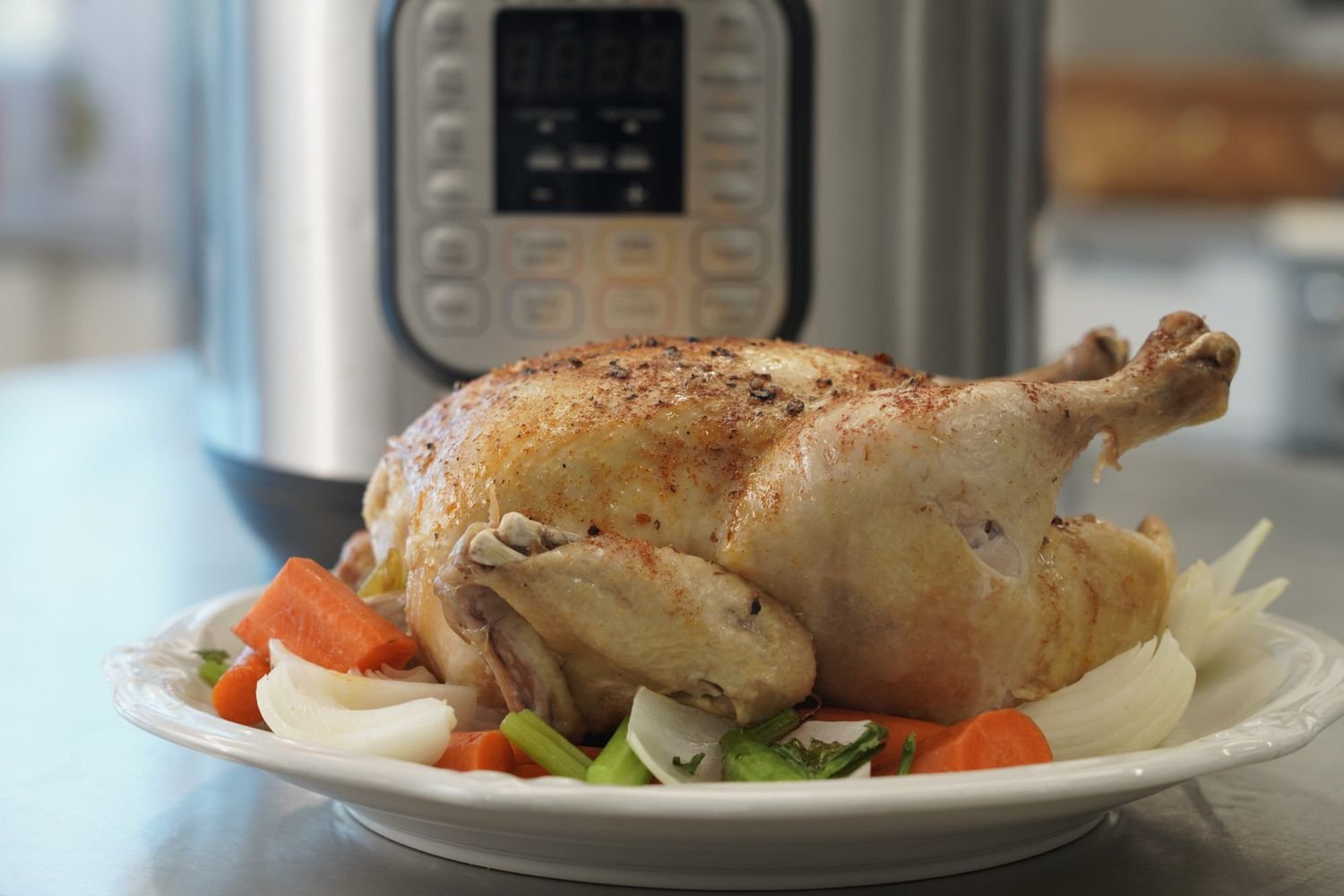
Leaving the plastic giblet bag inside the cavity ruins the entire meal. People pull the raw bird straight from the butcher wrap, season the outside, and drop it into the cooker. That error costs you the price of the chicken and wastes an hour of dinner prep.
Prevent this by sticking your clean fingers into both ends of the bird cavity before you season. Pull out the neck, heart, and liver packets completely.
When to stop and get help
- Steam leaks from the pot rim for over 2 minutes, which shows the silicone sealing ring is split and needs replacement by the cooker manufacturer.
- The float valve fails to drop after 30 minutes of natural release, meaning food debris blocked the vent pipe.
When internal electrical parts fail or heating coils crack, stop using the appliance and contact customer support for warranty service.
Frequently asked questions
Can you cook a whole frozen chicken in an Instant Pot?
Yes. You can cook a plain frozen bird, but you must add about 4 minutes per pound to the pressure timer. Always check that the butcher didn’t leave a plastic giblet bag inside the cavity, since melted plastic ruins the meat.
Why is my chicken skin rubbery after pressure cooking?
Steam can’t create dry heat. The moist environment inside the sealed pot cooks the meat fast, but it leaves the skin soft. Move the cooked bird to a baking sheet and broil it for 4 minutes in an oven to get crisp skin.
How long does a whole chicken take to cook?
About 24 to 30 minutes on High Pressure for an average 4-pound bird. Add 10 minutes for pressure to build up initially, plus 15 minutes of natural steam release after the timer beeps before opening the lid safely.
Is it safe to cook chicken without the wire trivet?
No. Meat resting on the bottom of the pot can trigger the “Burn” warning and shut down the cycle. The trivet keeps the chicken above the water so steam circulates properly under the bird.
What happens if the chicken touches the lid inside?
The steam exhaust port can clog. If meat blocks the safety release vent, pressure can’t escape correctly, or the lid may lock shut. Choose a smaller bird that rests below the pot rim.
Does it matter if I quick-release the steam right away?
Yes. Venting immediately pulls moisture out through the valve and leaves the breast meat dry and tough. A 15-minute natural release lets the meat fibers relax and hold onto their juices.
What to do next
Expect juicy, tender meat that easily pulls apart with a fork once the digital thermometer reads 165°F. Stop and contact the appliance company if steam shoots out around the edges of the pot lid.
Final Thoughts
Once you pull that tender, juicy bird out, don’t throw away the bones. You’ve got the perfect base for a rich, homemade stock right there in the pot. Just toss in some leftover veggie scraps, cover them with water, and let it simmer. It’s a simple way to make your meal last longer.