Can You Cook Rice A Roni In A Rice Cooker? The Best Method
Yes, you can cook Rice A Roni in a rice cooker with standard white rice settings. The one condition that flips this result is leaving out the browning step, which leaves the pasta pieces mushy and pale. You should check your cooker’s inner pot right now to see if it has a sauté mode or a plain nonstick lining.
When you can cook Rice A Roni
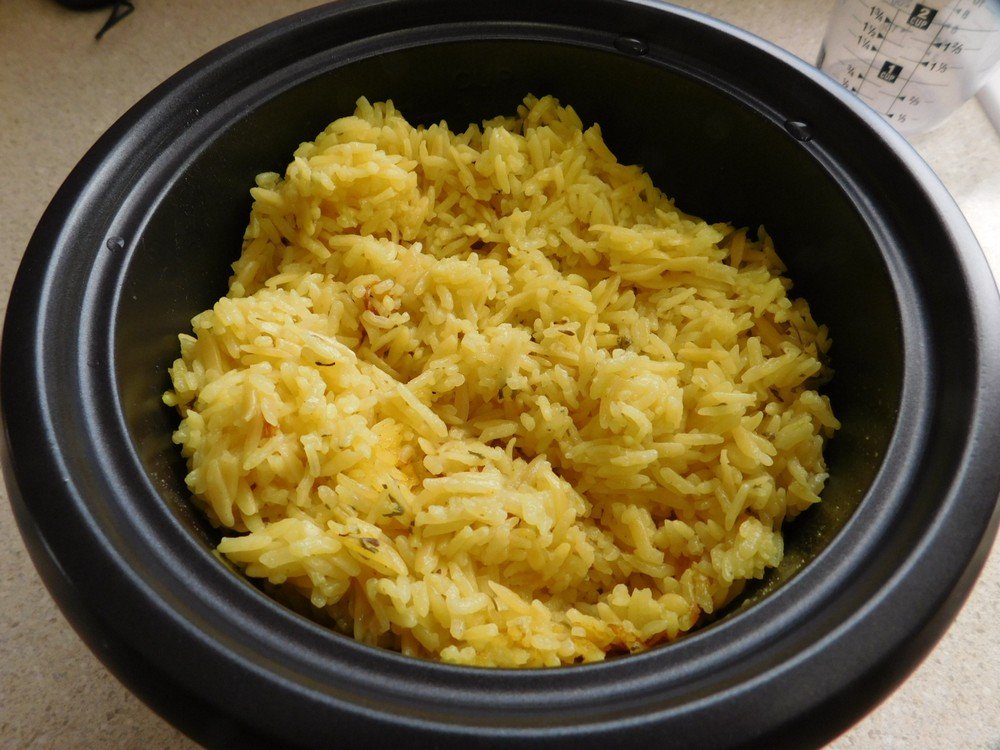
Your appliance features and preparation steps determine how your boxed side dish turns out.
| Your situation | Answer | Why |
|---|---|---|
| Cooker has a sauté or browning setting | Yes | Pasta browns in the pot before liquid starts |
| Browning pasta on stove first, then transferring | Yes | Gives correct toasted flavor and firm pasta texture |
| Dumping raw mix and water straight in | Yes, but | Edible, but pasta gets soggy without browning |
| Using standard one-button basic cooker without pre-toasting | Usually not | Vermicelli turns mushy and starch foams over vent |
| Using brown rice blend on regular cycle | No | Needs extra liquid and longer brown rice time |
| Cooker inner pot has damaged nonstick coating | No | High starch causes scorch layer on bare metal |
Heat control and starch liquid
The pasta component in the box decides how your appliance handles the cooking cycle. Traditional Rice-A-Roni contains long-grain white rice mixed with dry vermicelli pasta. Pasta releases free starch into the water much faster than whole rice grains do. When starch dissolves into the liquid, it thickens quickly and creates a dense foam as it boils.
A standard rice cooker operates on a simple thermal switch. It heats water to the boiling point, holds it there, and turns off when the water is gone and the pot rises above boiling temperature.
Liquid measurements must also match the appliance style. A regular sealed electric cooker traps steam tightly, while an open stove pan loses volume to evaporation. The classic 6.9-ounce chicken flavor box calls for two cups of water on the stove. In a sealed cooker, you must reduce that liquid by 2 to 3 tablespoons, or the grains will turn into paste.
Steps for basic and smart cookers
- Toast the dry rice and pasta in 2 tablespoons of melted butter inside a skillet or your cooker’s sauté mode for 4 minutes until the pasta turns golden brown. You’ll smell a nutty aroma, and the vermicelli will turn the color of a toasted almond.
- Transfer the toasted mixture into the rice cooker inner bowl if you used an external skillet on your stove. The dry mix should sit in an even, level layer across the bottom of the pot.
- Pour in 1 and 7/8 cups of cool water along with the enclosed seasoning packet, stirring once with a silicone paddle to dissolve the powders. The liquid will turn cloudy yellow and cover the grains completely.
- Close the lid and press the standard white rice cycle to begin the automated cooking process. The machine will heat up and begin venting light steam within 8 to 10 minutes.
- Let the cooker switch automatically to warm once the cycle ends, then let the pot sit undisturbed for 5 minutes. The timer will alert you, and the steam vent will stop whistling.
- Open the lid and fluff the grains gently from bottom to top using your plastic or wooden paddle. The grains will separate cleanly without pooled liquid remaining at the bottom.
Skipping the butter browning step
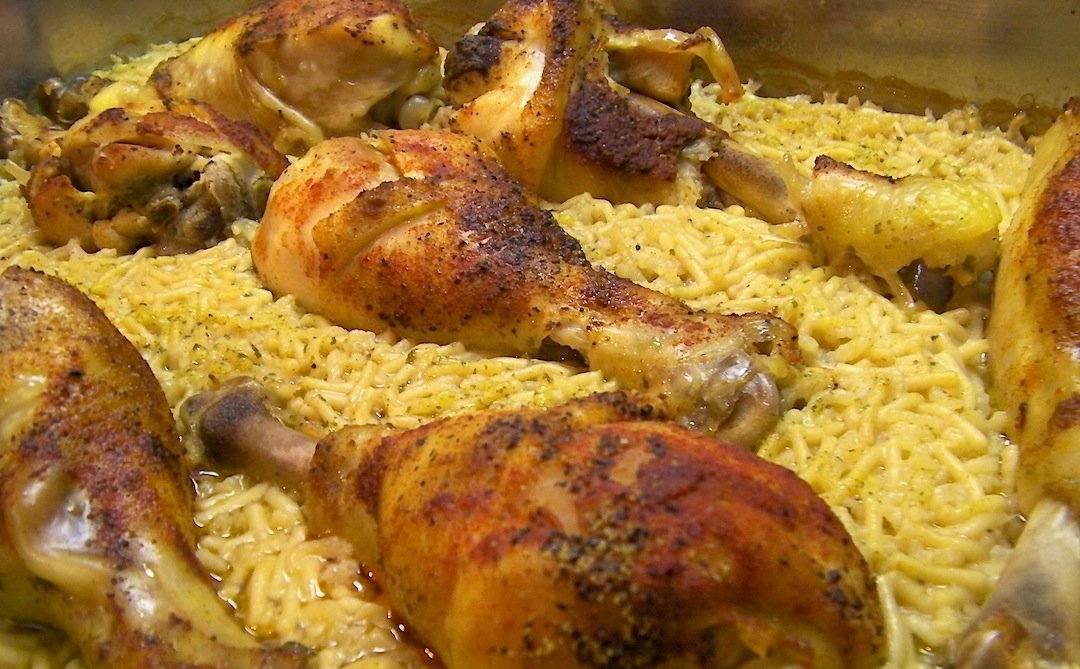
Don’t dump the raw mix, water, and seasoning directly into the pot without browning. Skipping the fat and heat ruins the vermicelli texture.
When to stop and get help
- Starch foam bubbles out of the steam escape vent during the cook cycle, showing the pot is overfilled or trapped starch is blocking the exhaust port.
- The machine displays an error code on the digital screen, indicating an internal sensor has overheated or failed.
- The appliance emits a sharp plastic burning smell from the base, which means liquid leaked past the inner bowl onto electrical heating elements.
Stop cooking immediately if the machine shows electrical faults or liquid enters the outer housing. Unplug the unit from the wall. Replacement parts and electrical repairs belong strictly to certified appliance technicians or the manufacturer’s authorized warranty team.
Frequently asked questions
Can you cook Rice A Roni in an Aroma rice cooker?
Yes, you can make it easily using the Aroma white rice button. If your Aroma model includes a “Sauté-then-Simmer” feature, brown the butter, rice, and vermicelli directly in the pot first. If your model lacks that setting, brown the mix on the stove first.
How much water do you put in a rice cooker for Rice A Roni?
Use 1 and 7/8 cups of water for a standard 6.9-ounce box. Stove directions call for 2 full cups, but a rice cooker lid seals tight and stops normal evaporation. Reducing the water by two tablespoons prevents soggy results.
Why did my Rice A Roni boil over in the rice cooker?
Excess pasta starch created heavy foam that pushed through your lid vent. To stop boil-overs, ensure the ratio of water to starch isn’t excessive and avoid overfilling the pot.
Can you cook Rice A Roni with raw chicken in a rice cooker?
Yes, but you must ensure the meat reaches safe temperatures throughout. According to FoodSafety.gov’s safe cooking chart, raw poultry cuts must reach an internal temperature of 165°F. Add small half-inch chicken pieces with the liquid and verify they reach 165°F with a thermometer.
Does the seasoning packet go in before or after cooking?
Put the seasoning packet in before cooking starts. Stir the seasoning into the water after adding the rice mixture. This allows the salt, herbs, and flavorings to penetrate deep into the rice grains and vermicelli noodles as they absorb the hot water and swell up.
What happens if you don’t brown the vermicelli first?
Your finished side dish will have a pale appearance and a slimy texture. Without browning, the thin pasta pieces cook faster than the rice, break into pieces, and turn into paste.
What to do next
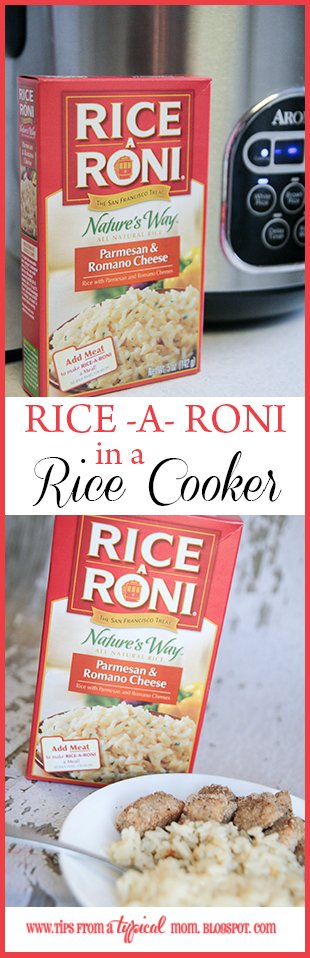
Melt two tablespoons of butter in a pan and brown the boxed mix until the noodles turn deeply golden. Expect tender, separate grains with no standing water once your cooker finishes its automated cycle and resting period. If the cooker begins venting thick foam or burning at the base, stop the machine immediately and move the batch to a stove pan.
Final Thoughts
If your cooker doesn’t have a sauté function, just toast the dry grains in a small pan on the stove first. It’s a quick extra step that makes a world of difference for the texture. You’ll be surprised how much better your next batch tastes once you’ve got that golden crunch.