How Can Stainless Steel Be Microwave Safe? The Science Explained
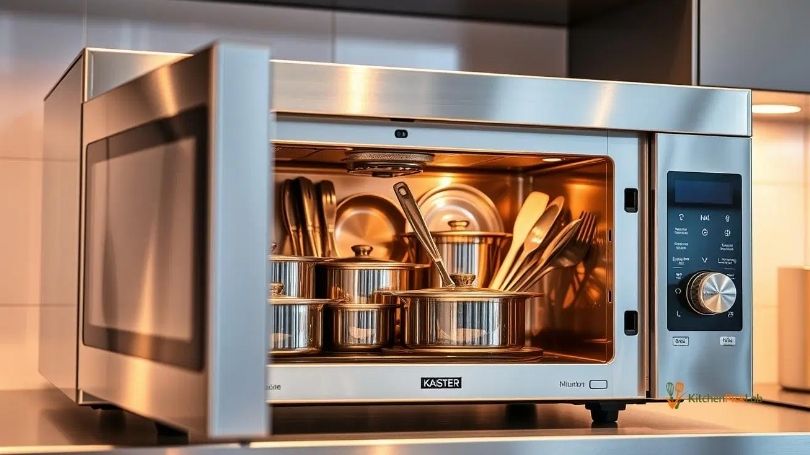
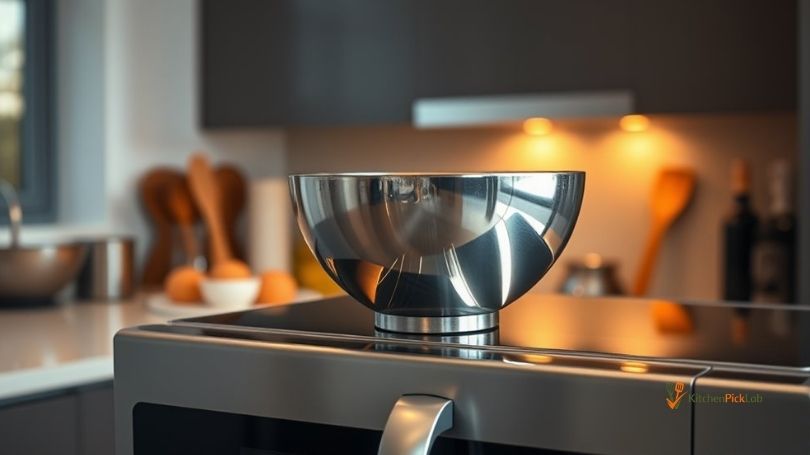
How can stainless steel be microwave safe without sparking is explained by smooth and specially rounded designs.
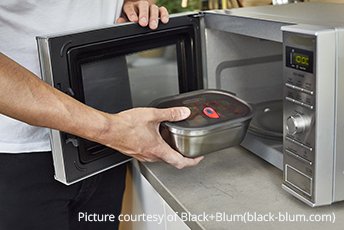
When stainless steel is microwave safe
| Situation | Safe? | Why |
|---|---|---|
| Certified microwave-safe steel bowl | Yes | Smooth walls let charges flow without jumping |
| Standard stainless steel mixing bowl | No | High rims cause arcing against walls |
| Metal fork left in soup | No | Sharp tines concentrate charges and spark |
| Smooth stainless steel spoon in mug | With care | Thick, rounded body reduces spark risks |
| Steel container touching appliance wall | No | Direct contact causes scorch marks immediately |
| Stainless travel mug with seam | No | Thin joints create gaps for sparks |
| Steel bowl covered in aluminum foil | No | Trapped energy creates excessive heat buildup |
What the risk actually is
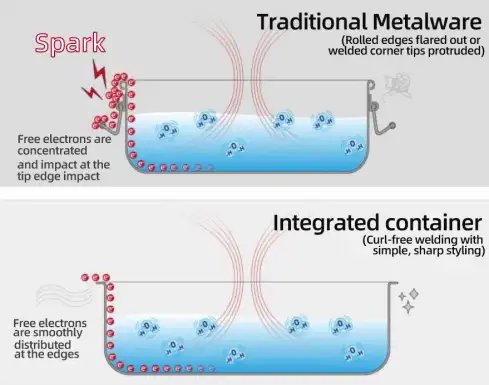
The harm comes from electric fields gathering on metal surfaces. Stainless steel reflects microwave energy rather than absorbing it. When radio waves hit smooth, thick steel, electrons move harmlessly across the surface. The real danger happens when those electrons hit thin edges, tiny cracks, or sharp tines. Charges crowd into pointed areas, superheating the surrounding air. This causes an electrical flashover called arcing, which damages the internal finish of your appliance and can ignite surrounding food packaging.
According to the USDA Food Safety and Inspection Service, basic metal pans deflect energy, leaving food cold while risking appliance damage. A common mistake people actually make is putting thin, bent takeout lids or scratched metal pans into the cavity. That single error costs hundreds of dollars when an arc burns a permanent hole through the protective cavity paint or cracks the door glass. There’s also a trade-off to consider: while certified steel won’t spark, it blocks microwave waves from the bottom and sides, meaning heat enters only from the open top. This slows your cooking down considerably compared to glass or ceramic. This gear isn’t for someone who wants rapid three-minute meals or unevenly shaped leftovers reheated in a rush.
The signs to stop immediately
- Blue or yellow flashes of light, which mean electricity is jumping across the metal surface.
- A loud buzzing, crackling, or snapping sound, indicating active electrical arcing.
- Smoke rising from dry container edges or the turntable area, showing scorched material.
- A sharp, chemical ozone smell, which means air molecules are splitting from electrical discharge.
- Brown scorch dots on the interior enamel, pointing to direct contact burns.
If your appliance housing continues to spark after removing the metal, internal parts like the magnetron or waveguide cover are fried; stop using it immediately and hire a licensed appliance repair technician.
The safer way to do it
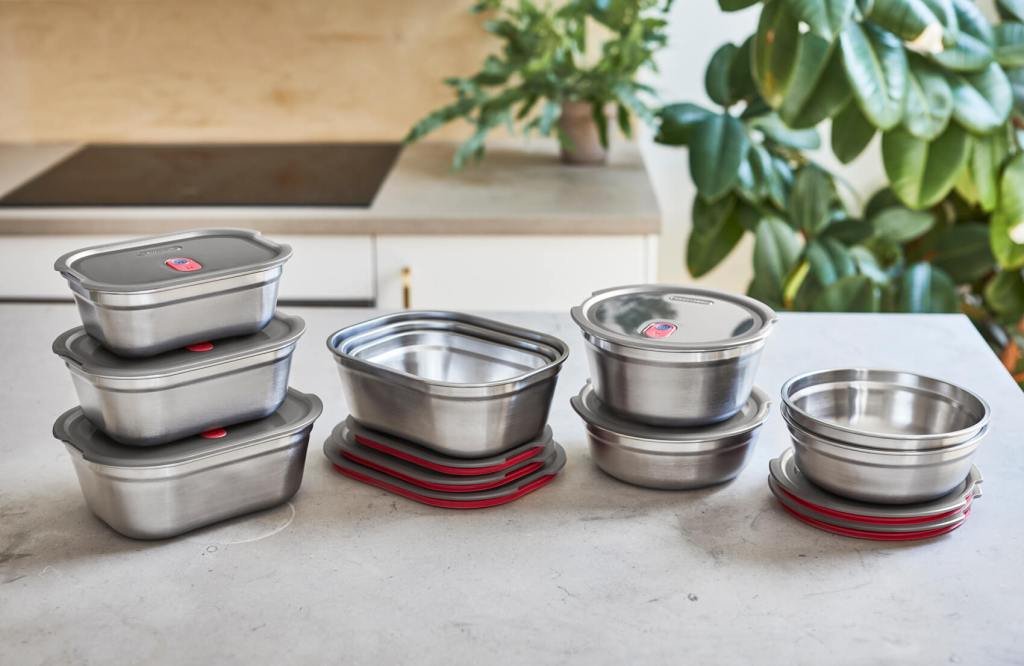
- Inspect the container bottom to locate the stamped microwave-safe symbol or manufacturer logo; if absent, don’t microwave it.
- Check the bowl edges for dents, folds, or sharp corners; discard damaged pieces immediately.
- Remove all stainless steel lids, steel clasps, and silicone seals before cooking to avoid trapping internal pressure.
- Place the bowl precisely in the center of the glass turntable, keeping at least 1 inch of clearance from all interior walls.
- Add your food, keeping liquids or solid portions within 0.5 inches of the container rim to absorb scattered microwave energy.
- Use heavy oven mitts to grip the bowl base, as reflected heat transfers directly into the metal body during heating.
If it has already happened
Shut the appliance off immediately by pressing Stop or pulling the wall plug from the outlet. Keep the door firmly closed for 2 minutes to let any smoke settle and ensure trapped embers die out. Open the door slowly and remove the steel container using thick heat-resistant gloves. Check the interior cavity walls, ceiling, and glass turntable for black carbon spots or stripped paint. Wipe away loose soot using a damp microfiber cloth and mild soap. If the plastic waveguide cover on the interior side wall is scorched, cracked, or melted, don’t operate the appliance. Replacing internal electrical parts carries lethal shock hazards from high-voltage capacitors, so take the unit to a certified technician or buy a replacement unit.
Frequently asked questions
Can any stainless steel bowl go in the microwave?
No. Standard stainless steel containers have sharp rim curls, thin walls, or structural seams that concentrate electrical currents. These shapes generate intense electrical arcing within seconds. Only bowls certified and labeled as microwave-safe by their manufacturer feature the necessary rounded, smooth geometry to prevent dangerous sparks.
Why do some metals spark in the microwave?
Metals spark because electromagnetic waves induce electrical currents across their surface. When these moving electrons run into sharp edges, points, or narrow gaps, the electrical charge concentrates heavily. The built-up voltage ionizes the surrounding air molecules, producing visible, hot electrical arcs between surfaces.
Is stainless steel safe if it touches the sides?
No. If stainless steel touches the interior metal walls, charges jump directly between the container and the appliance frame. This metal-to-metal contact bypasses normal resistance, causing loud sparks, paint burns, and deep pits in the oven cavity within a couple of seconds.
How long does food take to heat in steel bowls?
About twice as long as heating inside heat-safe glass or ceramic. Because steel reflects microwave energy rather than letting it pass through, waves can’t penetrate the sides or bottom. Heat enters only through the open top, slowing down heat transfer to cold portions.
What happens if I accidentally put a steel spoon in?
Usually nothing dangerous happens if it sits deep inside liquid. A thick spoon with smooth, rounded edges doesn’t concentrate charges. However, if the handle tilts near the walls, sparks can jump.
Does the microwave wattage change metal safety?
Yes. Higher wattages deliver denser electromagnetic fields into the cooking cavity. This varies by model — check the label.
Final Thoughts
Before you toss your metal container into the oven, check the manufacturer’s label for a microwave-safe symbol. If you’re still feeling uncertain, it’s best to play it safe and stick with glass or ceramic instead. You’ll avoid any accidental damage and keep your kitchen running smoothly for years to come.