Can You Out Cardboard In The Microwave?
Yes, but only plain, unlined cardboard stamped microwave-safe. Wax coatings, plastic films, or hidden metal staples turn that safe box into a fire hazard or chemical risk. If you’re wondering if you can put cardboard in the microwave, you should transfer your food to a ceramic plate right now if you can’t confirm the box has a microwave-safe label.
When cardboard can go in the microwave
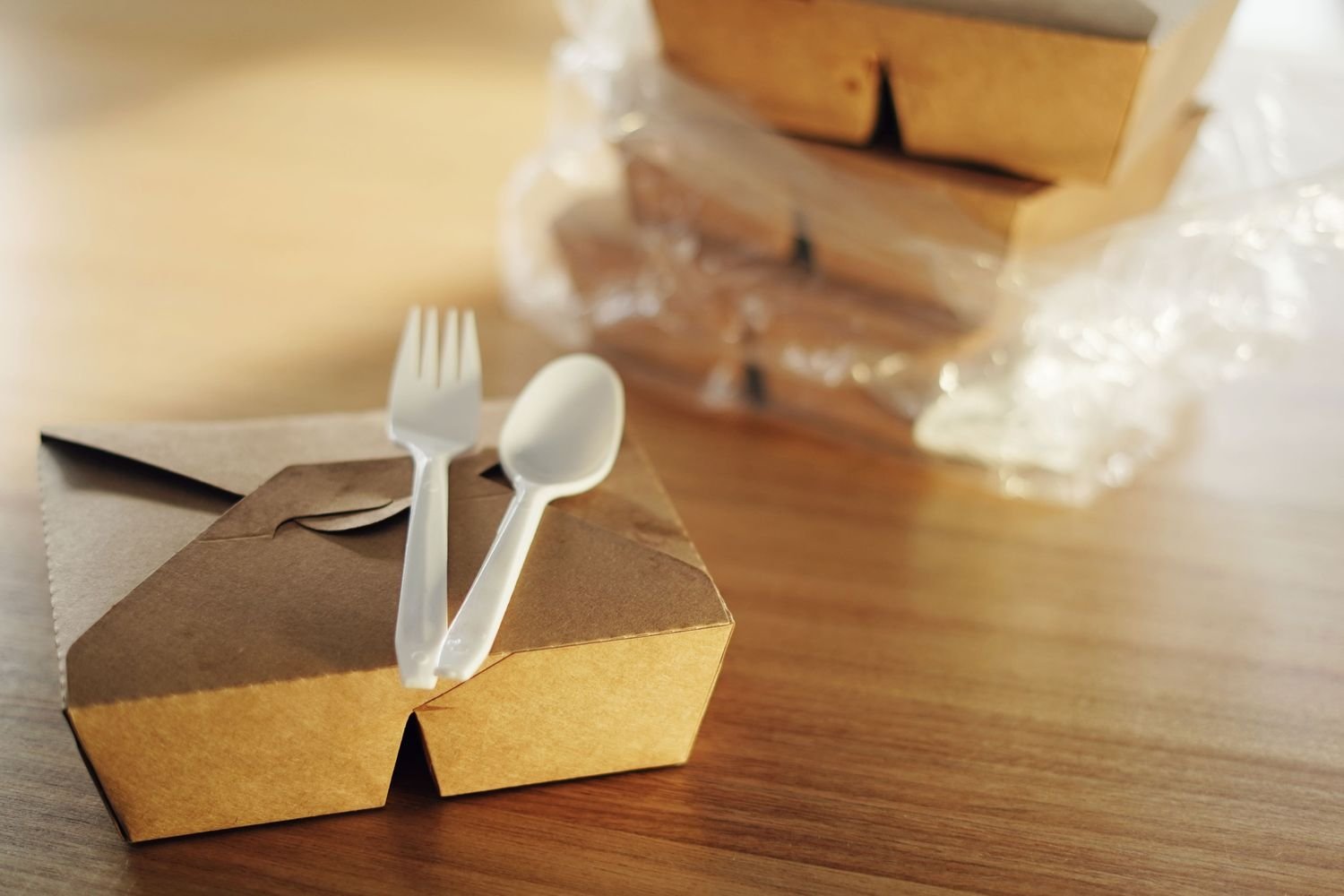
Your microwave setup changes whether paper packaging burns or stays solid.
| Your situation | Answer | Why |
|---|---|---|
| Stamped microwave-safe plain box | Yes | Clean fibers tolerate standard warming heat |
| Takeout container with metal wire | No | Metal causes immediate electric arcing |
| Glossy or plastic-lined box | No | Liners melt into hot food quickly |
| Wax-coated Chinese takeout box | No | Wax melts and ruins food flavor |
| Recycled paper boxes with print | No | Inks release fumes under high heat |
| Greasy pizza box bottom | No | Trapped hot oils scorch dry cardboard |
Packaging materials that alter heat safety
Moisture and lining materials decide if a container burns, stays intact, or leaks chemicals. Clean, dry cellulose handles microwave waves well because microwaves primarily heat water, sugar, and fat. However, paper fibers dry out rapidly under sustained energy. Once dry, cardboard reaches its combustion point if exposed to extreme heat from neighboring oils.
Chemical treatments change the equation entirely. Many fast-food boxes feature polyethylene linings or fluorinated coatings to stop sauce from soaking through the bottom. When heated, these plastics break down and transfer compounds into your food. The USDA food safety guidelines on microwave ovens confirm that materials like cold-storage containers and decorated paper can release toxic chemicals into hot food. Printed graphics bring another hazard: petroleum-based inks vaporize and smell bad under high wattage.
There’s also a major trade-off between convenience and safety. Leaving takeout in its delivery carton saves a dirty dish, but cardboard acts as an insulator, creating cold pockets where bacteria survive while drying out other bites. If your box has a clear manufacturer microwave-safe symbol, warm it in brief bursts; if the box is unmarked, glossy, or held together with glue, move your food to a glass container immediately.
Simple steps for safe warming
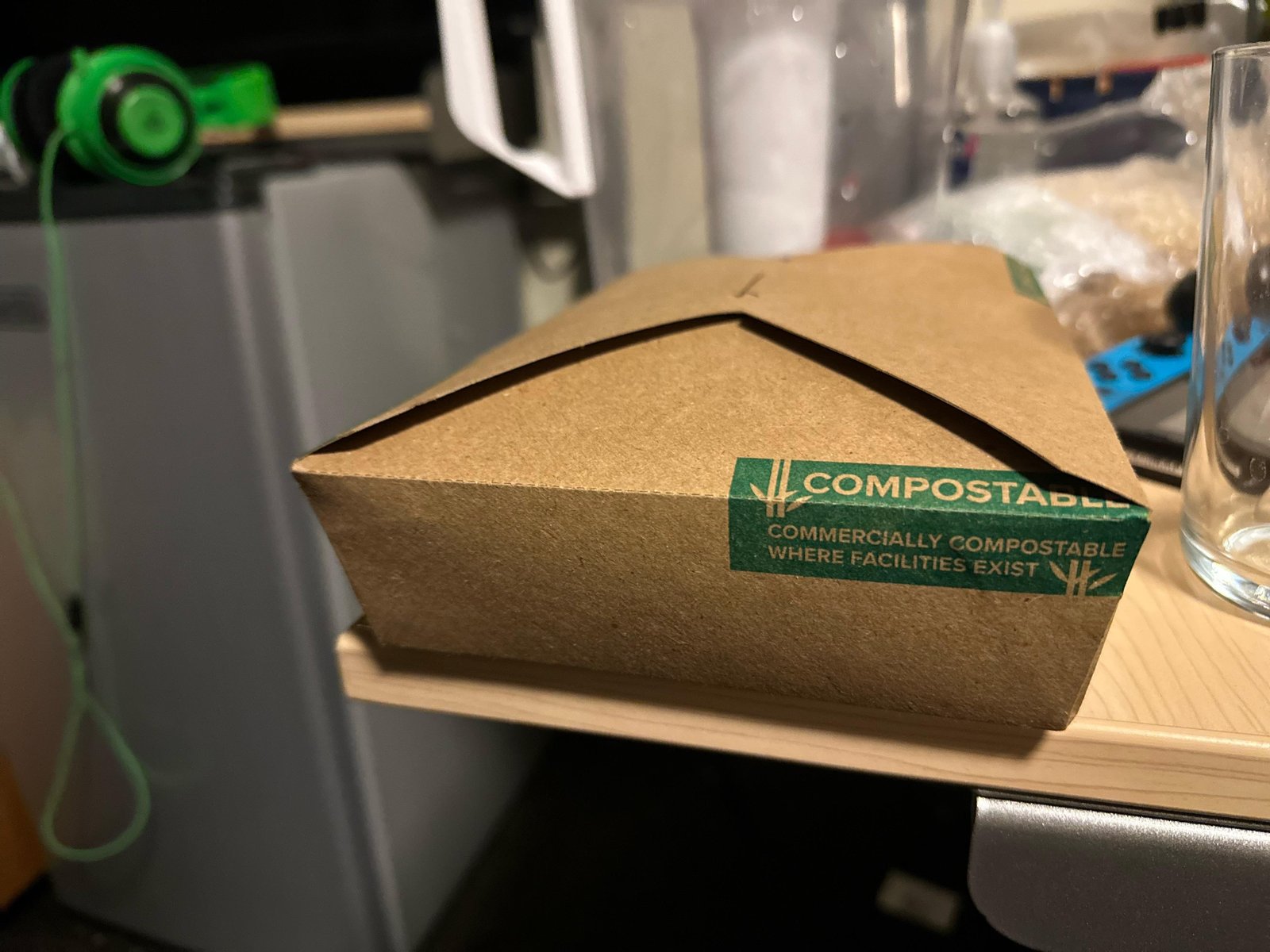
- Inspect the container surfaces closely to check for metal handles, foil linings, staples, and colored inks on the food side. The container passes if the interior displays only bare, unbleached, matte brown or white paper.
- Read the printed manufacturer markings on the bottom flaps of the packaging. The box passes when it shows the wavy three-line symbol or the exact phrase “microwave safe.”
- Set the microwave power down to 50% or medium wattage before heating.
- Cap heating intervals strictly at 60 seconds for a 1,000-watt machine. The run is successful when the cardboard feels warm to the touch without soft, soggy patches or scorched edges.
- Verify leftover food temperature carefully using a probe food thermometer placed in the thickest part. Reheated leftovers must reach an internal temperature of 165°F to ensure food safety.
This method isn’t for high-fat dishes like oily sausage or deep-dish pizza, as hot oils easily exceed the scorch temperature of paper.
The dangerous grease spot trap
Reheating greasy food directly on a cardboard base causes fires. Many people leave oily takeout, like a slice of pizza or fried chicken, inside its delivery carton. Fat heats much faster and reaches far higher temperatures than water. When grease pools against the dry bottom flap, it quickly exceeds 350°F, creating a localized scorch point. This mistake costs you a ruined meal, foul smoke that lingers for days, or a destroyed microwave cavity. In bad cases, it starts an open fire inside your kitchen. To avoid this, place a standard paper towel or a plain ceramic plate between the food and any paper base to absorb oil puddles before you press start.
When to stop and get help
- Smoke or brown scorch marks appear on the box corners, which means paper fibers are actively burning.
- You see sparks or blue electric arcs jumping near hidden staples, which can damage the microwave cavity.
- The paper gets wet and collapses, dropping scalding liquid into your appliance vents.
- A strong burning plastic smell fills the room, signaling melted synthetic liners.
Unplug the appliance instantly if flames or continuous sparking break out inside. Never attempt to replace damaged interior panels or internal fuses yourself, because high-voltage capacitors carry lethal electric charges even while unplugged. Call an appliance repair technician or replace the machine.
Frequently asked questions
Can you put a pizza box in the microwave?
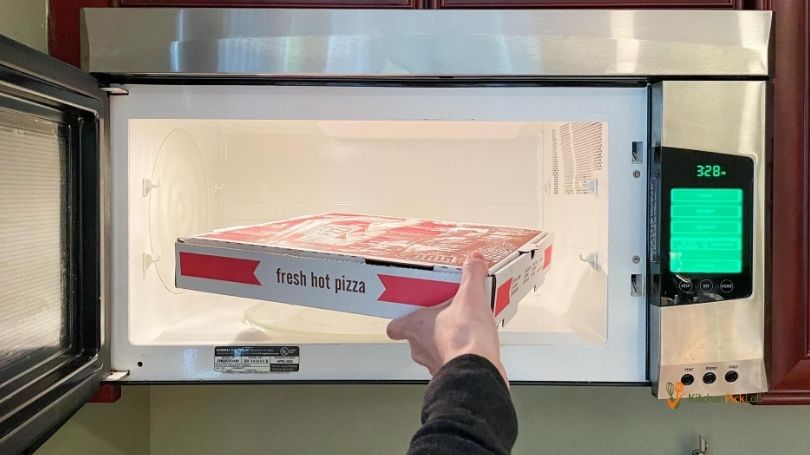
No. Pizza boxes are bulky, often made from recycled paper with tiny metal flecks, and hold grease that catches fire easily. Reheat your slices on a ceramic plate instead.
Can you put Chinese takeout boxes in the microwave?
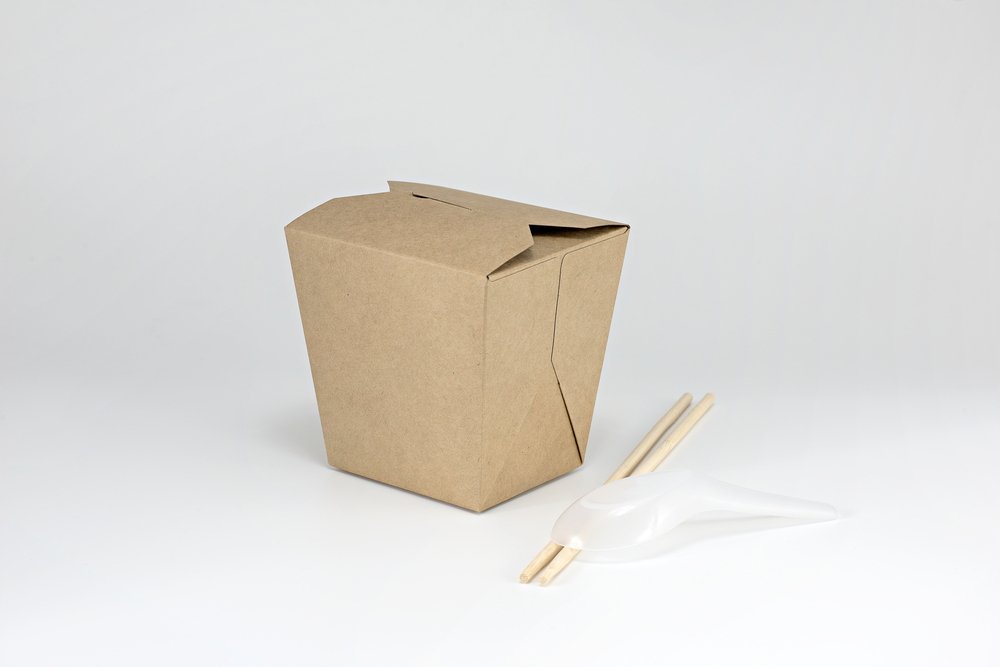
Usually not. Most traditional Chinese takeout containers feature folded metal wire handles that produce sparks immediately. Containers held together only by glue also fail because the adhesive melts into hot sauces.
How long can you microwave cardboard safely?
Up to 60 seconds at a time in a standard 1,000-watt microwave. Longer heating periods dry out the paper fibers completely, which raises the risk of burning and smoking.
What happens if you microwave cardboard with glue?
The glue softens and liquefies. Industrial packaging adhesives release unpleasant chemical vapors into your food and cause the container flaps to open up entirely, spilling your hot meal.
Is it safe to reheat food on paper plates?
Yes, as long as they’re plain white paper plates without shiny plastic coatings or decorative ink patterns. Plain paper handles standard reheating without releasing toxic plastic chemicals into your dinner.
Does corrugated cardboard catch fire in the microwave?
Yes, under specific conditions. Corrugated paper contains air pockets between its flute layers that trap intense heat, turning dry packaging into kindling if oily foods get too hot.
What to do next
Transfer your food onto a microwave-safe ceramic or glass plate right now to eliminate all packaging risks. Expect your meal to heat evenly within two to three minutes without weird plastic smells or scorched container edges. Stop the microwave immediately and throw the food away if you see any smoke or smell melting chemical adhesives.