Can You Clean Shoes With Dish Soap?
Yes, on most everyday sneakers. The one condition that ruins the shoe is using it on suede or nubuck, which water and soap stiffen and stain permanently. If you have canvas, mesh, or rubber trainers, grab a soft brush and a bowl of warm water now to start spot-cleaning. You can safely clean most shoes with dish soap.
When it’s yes and when it’s no
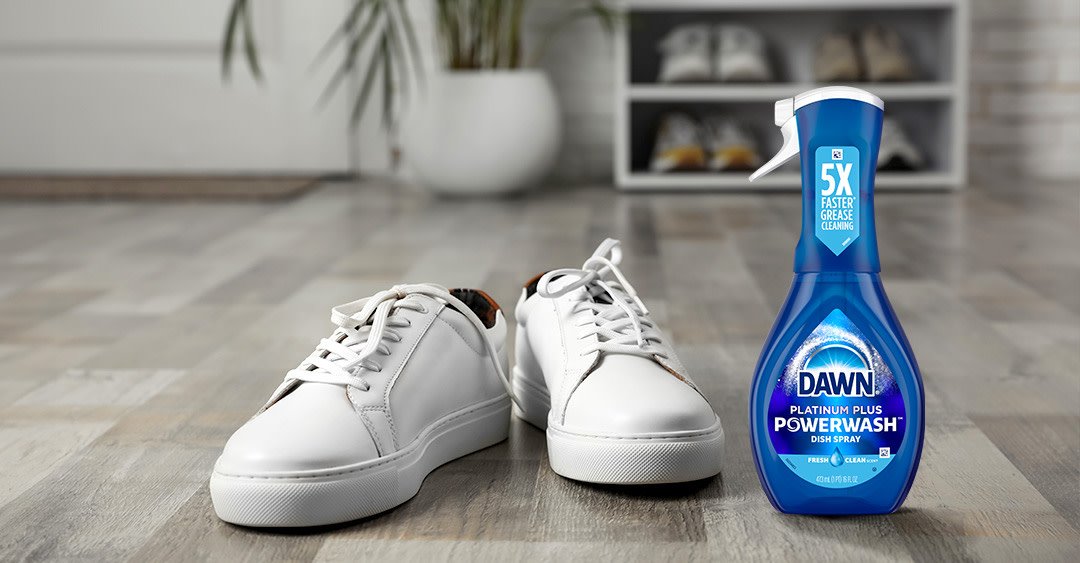
Check the upper fabric of your footwear against this list before using any soapy water.
| Your situation | Answer | Why |
|---|---|---|
| White canvas sneakers | Yes | Soap lifts dirt without bleaching fabric |
| Running shoes with mesh | Yes | Foaming suds lift sweat and road grime |
| Solid rubber soles or slides | Yes | Non-porous surface wipes completely clean |
| Finished smooth leather work shoes | Yes, but | Needs immediate drying and leather conditioner |
| Raw suede or nubuck boots | No | Water and soap ruin delicate velvet nap |
| Satin or silk fancy heels | No | Water causes immediate rings and color bleed |
Fabric type and surface coating
Material determines if soap helps or destroys. Dish detergent breaks down oils and grease fast. On synthetic materials like polyester mesh, nylon, and vulcanized rubber, these detergents strip surface dirt without hurting the tough base fibers. You trade a bit of factory water-repellent coating for a clean surface, but the shoe stays intact.
Natural skins behave in an entirely different way. Genuine leather holds natural oils that keep the hide flexible and smooth. Strong dish detergents pull those essential oils out along with surface grease, which leaves the dry hide ready to crack. Suede is even more fragile because it has an open, sanded texture. Liquid soap clumps the tiny raised fibers together into hard, flat spots that no dry brush can fix.
Cleaning shoes with soapy water
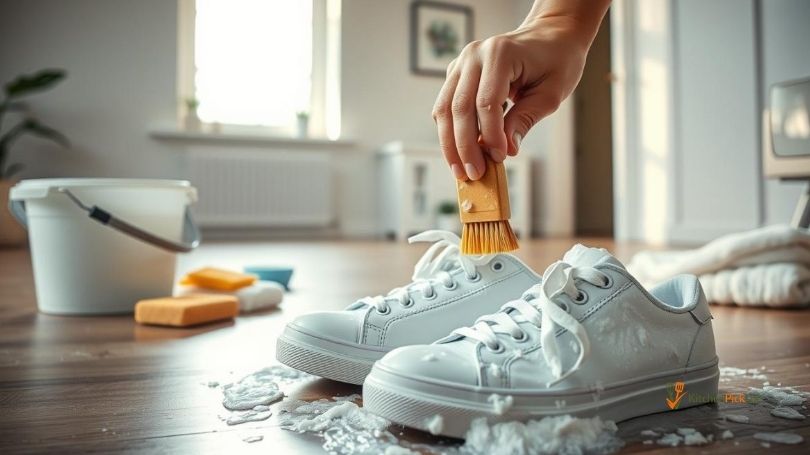
This method works well on canvas, mesh, nylon, and dirty rubber outsoles. This routine isn’t for delicate designer footwear or shoes with raw suede accents.
- Brush off dry dirt with an old, dry toothbrush using short strokes across the whole shoe. You’ll see dry mud fall off without grinding deep into the fabric weave.
- Mix the soapy solution by stirring two drops (about 1 milliliter) of mild dish detergent into two cups of warm tap water. A thin layer of light suds will form on top without turning thick or greasy.
- Scrub the dirt gently using your damp, dipped toothbrush in small circles over the stains. The surface will show a light, bubbling lather that lifts dark spots out of the fabric.
- Wipe off the dirty suds using a clean microfiber cloth dipped in plain water and wrung out until barely wet. The fabric will look clean and uniform with no soap slick left behind.
- Air-dry at room temperature by stuffing the shoes with plain white paper towels and placing them away from heaters. The shoes will feel dry to the touch in roughly eight to twelve hours, though thick soles take longer.
Using too much concentrated soap
Never squirt dish soap directly onto your shoes. Dried soap residue acts like a magnet for new dirt, turning the shoe grimy within two days. Avoid this by mixing only two drops into water first, and check that the brush is damp, never dripping wet.
When to stop and get help
Some stains and damages need specialized tools that household dish soap can’t replace:
- Mud or grease soaked into genuine suede or nubuck, which needs dry chemical cleaning blocks and specialized wire brushes.
- Vintage sneakers with dry, yellowed foam midsoles, because water breaks down old crumbling polyurethane quickly.
- Deep grease stains on thin white leather dress shoes, which require professional leather degreasers to avoid stripping the topcoat.
According to shoe care recommendations published by Nike product care, machine washing or using harsh chemical cleaners can ruin shoe materials and adhesives. Take expensive designer pairs or antique leather to a local cobbler instead of washing them at home.
Frequently asked questions
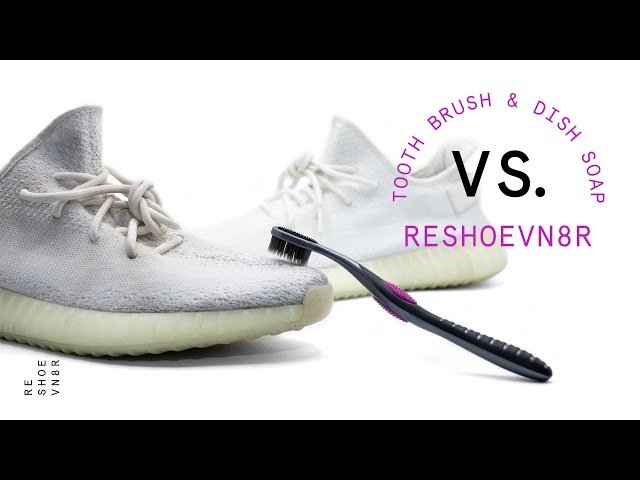
Can you clean white sneakers with dish soap?
Yes. Mild dish soap lifts street dirt and food grease from white canvas, knit, and rubber soles without turning the fabric yellow. Use a diluted mix with warm water, scrub with a soft brush, and wipe the foam off completely with a damp cloth so no sticky film remains.
Is Dawn dish soap safe for leather shoes?
Yes, but only if you dilute it heavily and moisturize the hide right after. Strong dish soap strips the natural oils from smooth leather, which causes early cracking. Wipe the shoe clean with minimal water, let it dry completely, and rub in a standard leather conditioner right away.
Will dish soap ruin suede shoes?
Yes. Dish soap mats the fuzzy nap of suede and leaves dark, stiff water rings that don’t brush out. Suede absorbs water instantly, pulling detergent deep into the hide where it hardens. Clean suede exclusively with a dry suede eraser and a stiff-bristled suede brush.
How much dish soap should you use for shoes?
Use two drops of liquid soap in two cups of warm water. That small amount provides enough cleaning power to break down surface oils without saturating shoe foam. Using more soap makes rinsing nearly impossible, which leaves a sticky residue that traps dust the next time you walk outside.
Can you soak dirty shoes in soapy water?
No. Submerging your shoes in a bucket of water dissolves the glue holding the midsoles and outsoles together. Soaking also saturates internal padding, which takes several days to dry and invites mold growth inside the footbed. Clean only the outer surface using a damp, soapy brush.
Does dish soap remove yellow stains from shoe soles?
No. Yellowing on rubber soles usually comes from oxidation, a chemical reaction between the rubber and air, rather than surface dirt. Dish soap washes away top dirt, but it can’t reverse oxidation. Restoring yellowed rubber outsoles requires a hydrogen peroxide cream and direct exposure to natural sunlight.
What to do next
Mix two drops of dish soap into warm water and test your brush on a hidden spot under the heel. The test patch should dry completely without changing the fabric color or surface texture. If the fabric bleeds dye or feels stiff, stop immediately and take the pair to a shoe repair shop.