Can You Cook Pasta In A Microwave? The Simple Step-by-Step Guide
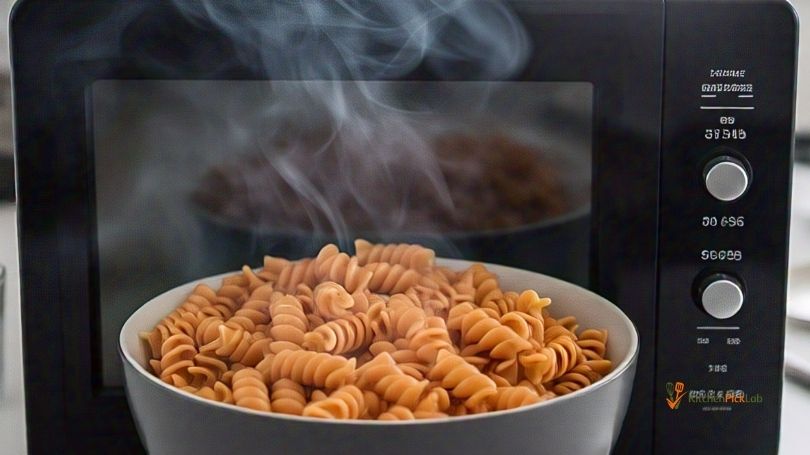
Yes, you can cook pasta in a microwave safely. The only condition that flips this is using an undersized bowl, which causes boiling water to spill over. Measure your dry pasta and water into a large, deep ceramic or glass bowl right now to start. Learning how to cook pasta in a microwave shows that it works well for small, quick meals.
When it’s yes and when it’s no
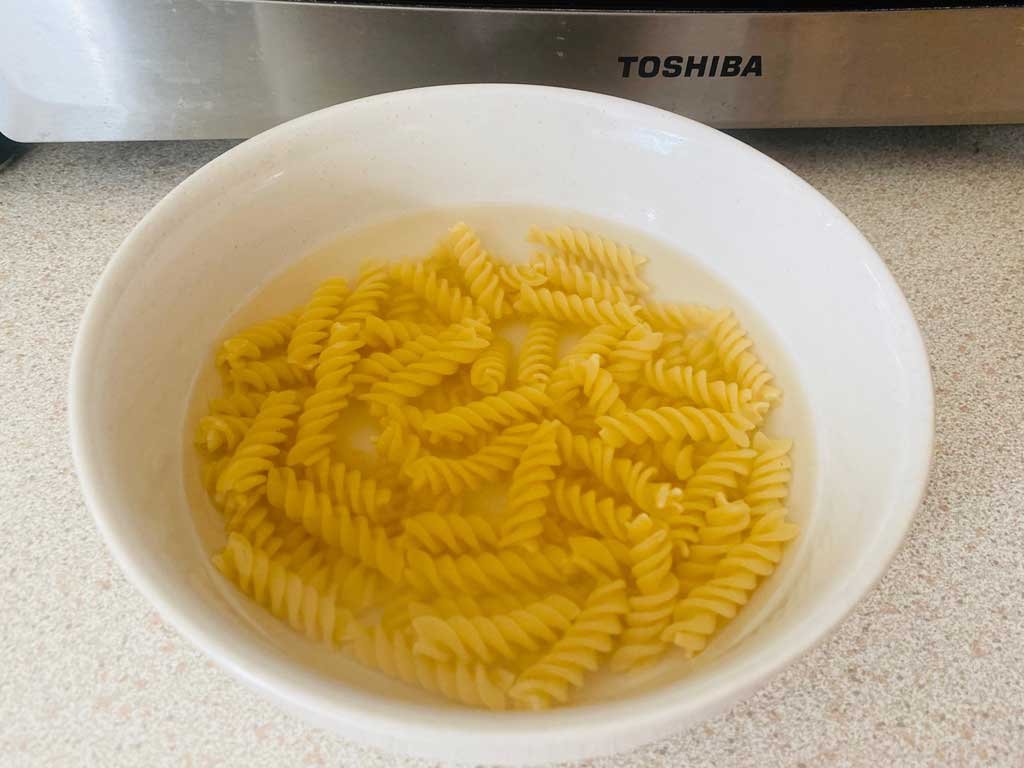
Your microwave handles short shapes best, while long strands need extra care.
| Your situation | Answer | Why |
|---|---|---|
| Short dry pasta (macaroni, penne) | Yes | Submerges easily under water in standard bowls |
| Long noodles (spaghetti, fettuccine) | Yes | Fits only if broken in half first |
| Fresh refrigerated pasta | Yes | Cooks very quickly in two minutes |
| Single serving (two ounces) | Yes | Water heats rapidly without foam spills |
| Big family batch (over eight ounces) | No | Stovetop is faster for large water volumes |
| Dry stuffed pasta (tortellini) | Yes, but | Thicker dough edges need extra resting time |
Water volume and heat control
Water volume and bowl space decide whether this method works. Microwaves heat water molecules directly. Dry pasta needs to absorb water while starch granules swell and soften. When pasta boils, it releases loose starch into the water. This starch traps rising steam bubbles, forming a thick foam. In a standard stovetop pot, you have ample room for foam to rise. In a microwave, a small container lets the foam climb the sides and flood the turntable.
You also face an honest trade-off: cooking pasta in a microwave saves you from washing a big pot, but it limits you to one or two servings at a time. The appliance can’t boil large volumes of water efficiently. This method isn’t for someone feeding a family of four or more.
Power ratings change your timing, too. These instructions assume a 1,000-watt microwave. At 700 watts, add about three minutes to the cook time; at 1,200 watts, start checking two minutes early. The USDA Food Safety and Inspection Service microwave guide explains that appliance wattage directly affects total cooking times.
Cooking pasta in your microwave
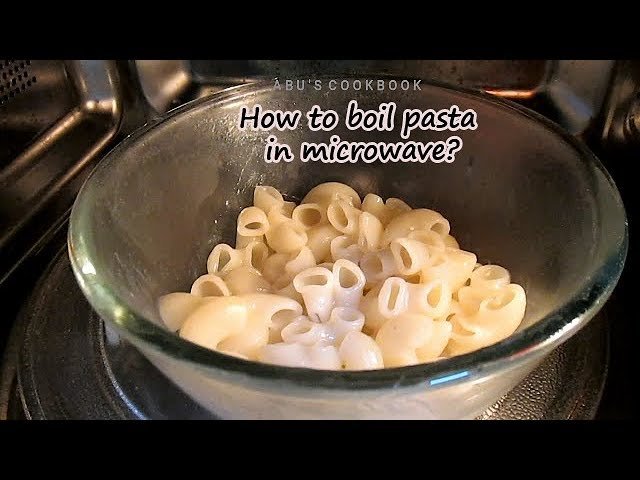
- Measure the pasta and water. Put two ounces of dry pasta into a deep microwave-safe glass or ceramic bowl, then pour in one cup of cold water so liquid stands one inch above the noodles; check that every piece sits fully submerged.
- Leave the bowl completely uncovered. Place the bowl onto the center of the turntable without any lid, paper towel, or plastic wrap; check that nothing blocks steam from escaping freely.
- Cook on high power. Run a 1,000-watt unit for the package boil time plus two to four minutes, monitoring closely to prevent boil-over.
- Test the noodle texture. Remove the bowl using heat-safe oven mitts, take out one noodle with a fork, and bite into it; check that the core is tender with no dry, chalky center.
- Drain the hot water. Pour the contents through a small colander in the sink; check that the pasta drains clear of extra cooking starch.
The mistake people make
Covering the bowl with a lid or plastic wrap is the most common mistake. People think covering the dish speeds up boiling. Instead, trapped steam forces starchy water to boil over in less than three minutes. This spills boiling liquid across the turntable, creating a sticky mess that burns onto the glass floor. Cleaning that cooked-on starch takes twenty minutes of hard scrubbing. In cheap plastic containers, trapped heat can even warp the rim. Always leave the container completely open so steam vents into the oven cavity without creating pressure.
When to stop and get help
- The microwave emits a sharp electrical burning smell, which points to a damaged high-voltage component.
- The glass turntable fails to rotate, meaning the roller ring or drive motor has failed.
- The unit makes a loud buzzing or arcing noise while running, which indicates internal electrical faults.
Stop using the appliance immediately if these problems happen. Never remove the outer metal cabinet yourself. Mains-powered equipment carries capacitors that hold lethal electrical charges even when unplugged. Unplug the microwave and contact a certified appliance repair technician.
Frequently asked questions
Can you microwave pasta without water?
No, dry pasta burns and scorches without water. Pasta requires liquid to hydrate starch granules and soften the hard wheat flour. Cooking dry noodles directly in the microwave causes them to smoke, char, and potentially catch fire within two minutes. Always submerge dried pasta completely in liquid before running the appliance.
How long does pasta take in the microwave?
Take the package stovetop cooking time and add four minutes to account for the cold water heating up.
Does it matter what bowl you use?
Yes, you must use a deep microwave-safe glass or ceramic bowl. Shallow dishes let boiling starchy foam pour over the edges within minutes. Avoid disposable plastic tubs, because hot water easily softens thin walls. Check the bottom stamp on your dish to confirm it’s rated safe for microwave use.
Is it safe to cook noodles this way?
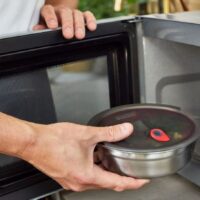
Yes, it’s completely safe if you handle the hot container carefully. Water reaches 212°F and creates hot steam that burns bare skin quickly. Always use thick oven mitts when lifting the bowl out of the oven cavity, and keep your face away from the rising steam cloud.
What happens if you run out of water?
The noodles will dry out, turn rubbery, and burn against the hot bowl. If the water boils away completely before the timer ends, the starch scorches and sticks to the container. Always maintain at least one inch of water above your pasta line before starting the microwave cycle.
Why did my pasta turn out mushy?
You left the noodles sitting in hot water after the timer finished. Starch keeps absorbing hot liquid rapidly even when the microwave stops heating. Remove the bowl immediately once the cooking time ends, bite a piece to confirm tenderness, and pour the water off through a colander right away.
What to do next
Grab a deep microwave-safe glass bowl and measure out two ounces of short pasta with one cup of cold water. Expect firm, evenly cooked pasta once the timer finishes and you pour off the water. If the microwave sparks, smokes, or produces an electrical smell during cooking, press stop immediately, unplug the machine, and call an appliance repair service.