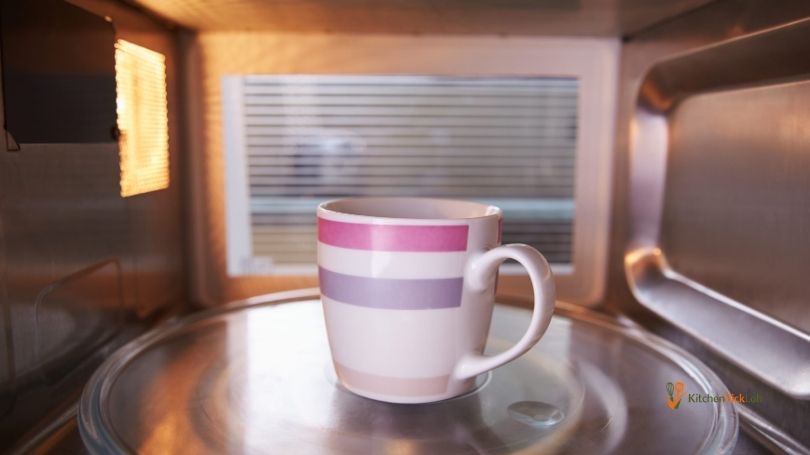
Can Ceramic Go In The Microwave? Safety Tips and Testing
Yes, but only unpainted, fully glazed pieces without metallic trim are universally safe. Unsealed clay or metallic paint flips that safety immediately. Look at the base for a microwave-safe stamp or run a one-minute water cup test. Most commercially made plates handle normal heating without issue.
When ceramic is microwave safe
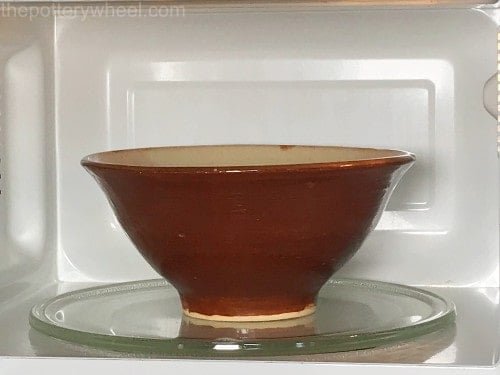
A quick check of the glaze and markings tells you if the dish handles heat safely.
| Your situation | Answer | Why |
|---|---|---|
| Factory stamped microwave-safe | Yes | Tested clay and glaze resist heat shock |
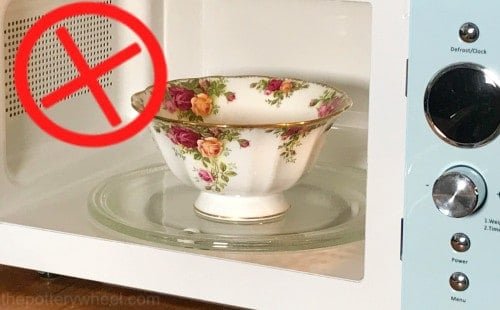
| Gold or silver decorative paint | No | Metal reflects microwaves, causing dangerous sparks |
| Handmade unglazed terracotta pot | No | Raw clay absorbs moisture and overheats |
| Antique plate with tiny glaze cracks | No | Trapped moisture inside fissures causes breakage |
| Plain stoneware with no stamps | Yes | Dense vitrified clay stays cool while heating |
| Glazed mug with chipped rim | No | Exposed porous core absorbs washing water |
Glaze density and metal content
Heat transfer mechanics decide whether clay survives microwave exposure. Microwaves pass directly through transparent electrical insulators like fired glass and silica glaze. The waves primarily heat polar molecules, such as water, fats, and sugars, within your food. When ceramic contains metallic pigments, iron traces, or trapped pockets of liquid, the plate itself absorbs that energy directly.
Stoneware and porcelain undergo kiln firing at extreme temperatures, fusing clay particles into a glass-like barrier. Terracotta and earthenware are fired at lower heat, leaving microscopic pores behind. If a glaze chips, dishwashing water seeps into those hollow internal pockets. When microwave radiation strikes that trapped moisture, the liquid rapidly turns to steam. That steam expands inside the clay walls without an exit path, which shatters the dish.
A heavy glaze offers great durability, but the trade-off is vulnerability to thermal shock if you move it straight from the refrigerator into high heat. Handcrafted pottery frequently uses custom glazes that contain raw iron, cobalt, or copper oxides to create earthy colors. If the base stays cool, it’s safe; if the ceramic gets scorching hot, retire the dish.
Safe testing and heating steps
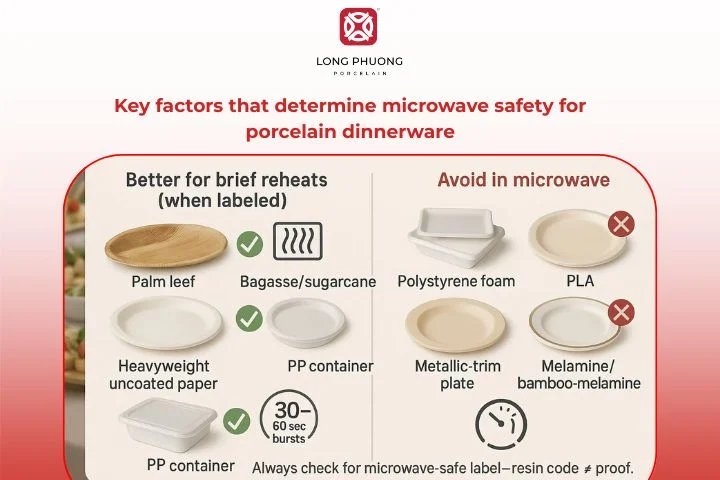
Follow these steps to heat food safely without damaging your dishware.
- Check the bottom stamp. Turn the clean dish over to read the base text. You have confirmed it if you see a wavy line symbol or the explicit words microwave-safe.
- Inspect the surface closely. Scan the entire front and back of the plate for hairline cracks, chips, or shiny metallic paint bands. You’re clear to proceed if the colored glaze looks completely solid and non-reflective.
- Run a cup test. Fill a known microwave-safe glass measuring cup with 8 fluid ounces of cold tap water, place it onto the unheated ceramic dish, and run the microwave at 1,000 watts for exactly 60 seconds. You know it passed if the water turns hot while the ceramic stays cool to touch.
- Vent your food cover. Place your food onto the tested ceramic dish and cover it with a microwave-safe silicone lid, leaving a finger-width gap open. The step worked if steam escapes freely without building pressure under the lid.
- Use hot pads for removal. Grip the plate edges with dry woven oven mitts immediately after the cook timer ends. You know this worked when your fingers stay protected from the heat migrating off the food.
Using chipped dishes
Heating damaged, chipped ceramic causes sudden dish fractures and severe kitchen burns. People assume a tiny chip on an antique mug is harmless cosmetic wear. Washing that cup forces rinse water straight through the chip into the dry, porous clay beneath the protective glass skin.
The expanding steam splits the mug down the center, dumping boiling coffee across your counter, floor, or lap. Inspect the inner rim and handle joints before reheating, discarding any dish that shows visible structural fractures.
When to stop and get help
- The ceramic emits bright yellow sparks or crackling sounds, which indicates metallic glaze pigments that can damage the dish or the oven interior.
- The dish cracks in half, spilling boiling contents that can cause burns requiring medical care.
- Smoke pours from the interior, meaning oils soaked inside raw clay are burning and creating a home fire risk.
- An antique plate has peeling decals, which risks toxic lead leaching into your meal.
This DIY guidance isn’t for repairing cracked ceramics. Never glue broken dishes back together with kitchen adhesives, as store glues emit toxic fumes under microwave heat. Replace cracked items with factory-certified ceramic dishware.
Frequently asked questions
Can ceramic plates catch fire in the microwave?
No, the ceramic clay itself can’t ignite during normal microwave use. However, unglazed clay containing absorbed cooking oil can overheat and smoke heavily. Thin gold leaf trim can spark and ignite paper napkins placed over the food.
Why did my ceramic mug get hotter than my coffee?
The clay contains metallic mineral pigments or absorbed water inside hidden cracks. Defective ceramics absorb microwave radiation directly instead of letting it pass into the liquid. Stop using that specific mug for heating tasks immediately.
Can handmade pottery go in the microwave?
Usually not, unless the potter explicitly certifies the piece food-safe and microwave-safe. Studio potters often use unrefined clays with natural iron traces that overheat rapidly. The finish can also feature porous spots that absorb dishwater.
Does cold ceramic crack in the microwave?
Yes, moving a cold ceramic dish directly from the refrigerator into a hot microwave causes thermal shock. The center expands faster than the chilled outer rim, snapping the clay. Let the plate sit at room temperature for 15 minutes first.
How long can ceramic stay in the microwave safely?
Certified microwave-safe ceramic can be used for standard cooking durations.
Is cracked ceramic safe if it doesn’t spark?
The trapped moisture can also turn to steam and shatter the plate during heating, creating sharp shards and spill hazards.
What to do next
Start by inspecting the bottom of your ceramic dish for a microwave-safe stamp or run the 60-second water cup test on the turntable. Expect the water to get warm while the ceramic stays cool to your touch. If you see bright sparks, smell hot clay, or see deep surface fissures, stop using that dish and switch to heat-resistant glass containers.