Can You Grind Coffee Beans In A Ninja Blender? The Quick Fix
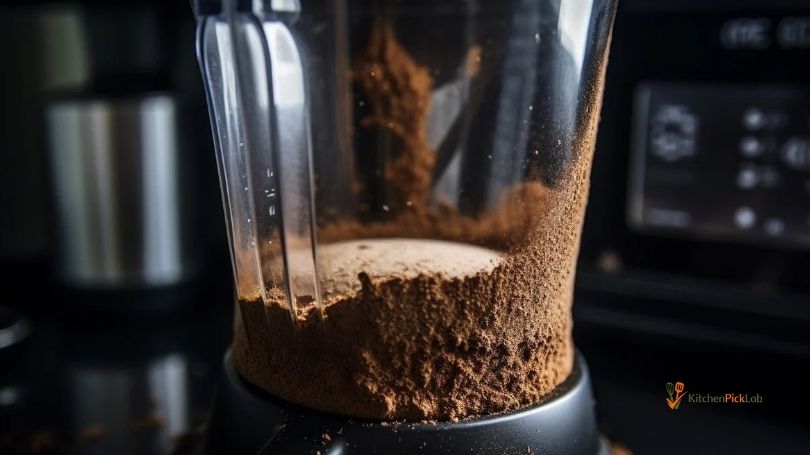
Yes, but only for drip pots, cold brew, and French press. You get coarse, uneven pieces rather than the fine powder espresso requires. If you need coffee right now, you can grind coffee beans in a ninja blender by running short pulses instead of holding the power button down. Grab your blender pitcher, make sure the plastic interior is completely dry, and measure out enough whole beans for just one fresh pot.
When it’s yes and when it’s no
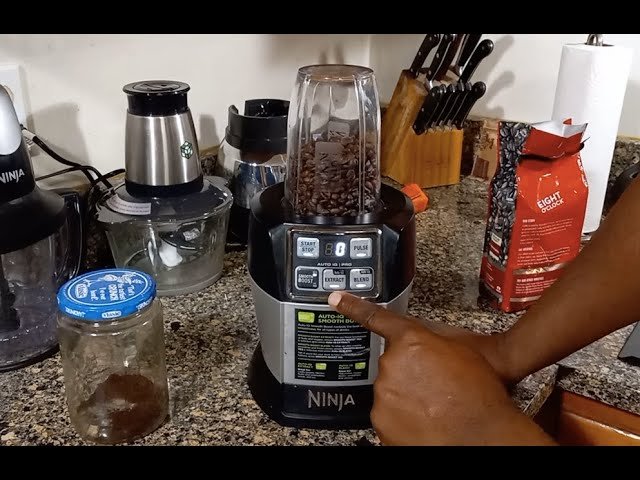
Your brew method dictates whether blender blades can do the job.
| Your situation | Answer | Why |
|---|---|---|
| Standard drip coffee maker | Yes | Needs medium bits blades can produce |
| French press pot | Yes | Needs coarse chunks blades easily make |
| Cold brew pitcher | Yes | Coarse pieces extract well in water |
| Espresso machine basket | No | Requires ultrafine dust blades can’t make |
| Pour-over dripper cone | Yes, but | Inconsistent pieces cause uneven flow rates |
| Moka pot on stovetop | No | Needs fine grains blender can’t reach |
Blade motion and heat
Blenders chop instead of crushing. A burr grinder passes beans between two textured steel plates, which cracks them into uniform sizes. Blender blades spin at thousands of revolutions per minute, slicing through the center of beans while throwing other pieces against the plastic walls.
Motor heat poses an even bigger problem. High-speed blades generate heat, warming the beans’ natural oils. Hot blades scorch these oils, producing a bitter aftertaste. Using short bursts keeps the metal cool. Jar size affects particle movement. For a 72-ounce pitcher, pulse for 50% longer as beans bounce across a wider floor. Use pulse settings to keep ingredients circulating.
Grinding beans with short pulses
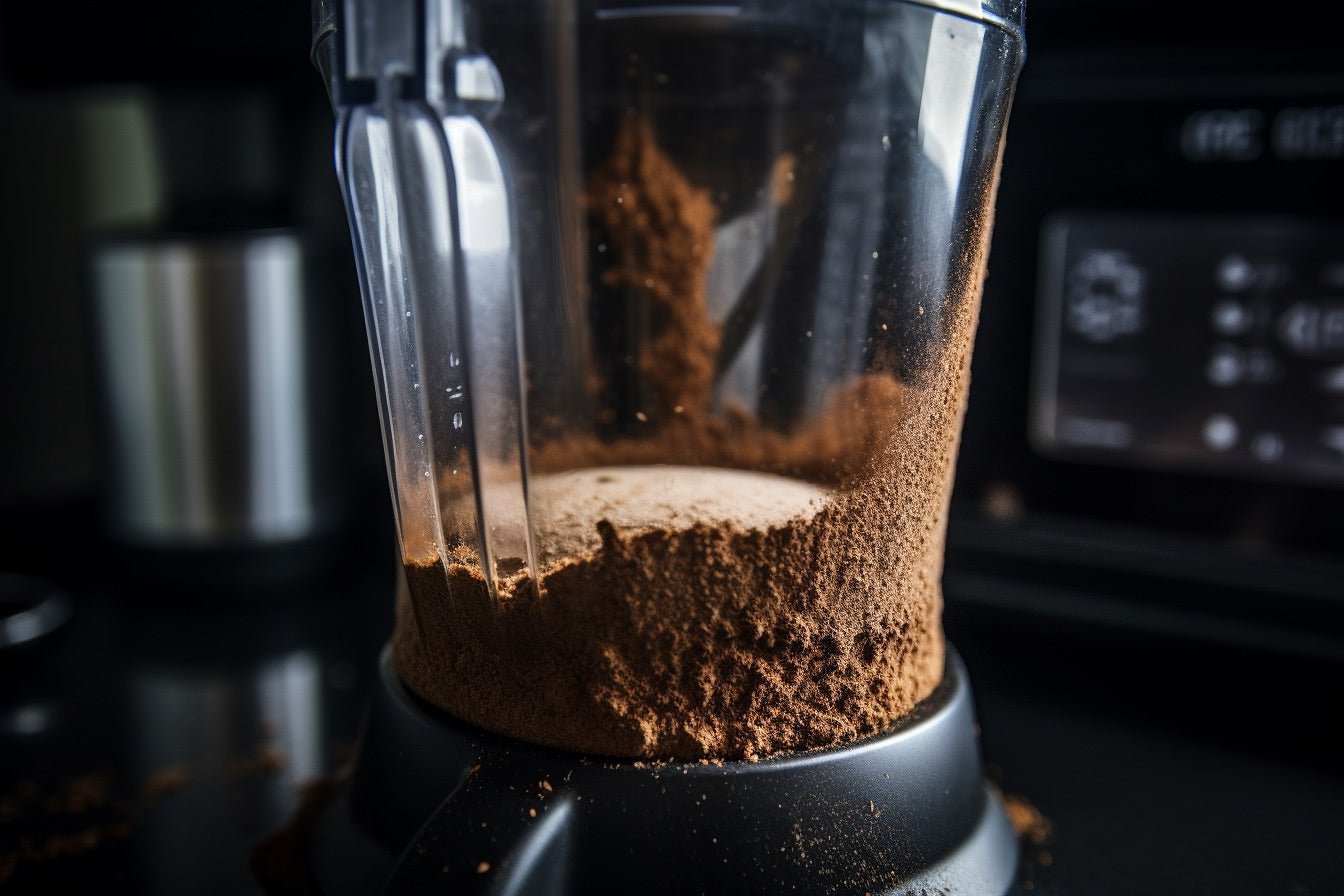
These steps keep the beans moving so the blades chop them into usable pieces without scorching the oils.
- Dry the blender jar. Wipe the plastic cup and the underside of the blade base with a clean dish towel until no moisture remains, because wet surfaces turn ground beans into sticky paste.
- Pour half a cup of beans. Add 40 to 50 grams of whole beans into the small cup, which leaves enough open air for the beans to bounce around the blade assembly.
- Lock the blade base. Twist the blade assembly onto the cup threads firmly until the rubber gasket seals tight, which keeps coffee dust from blowing out into the motor base.
- Pulse for one second. Press the pulse button for a single one-second burst, then pause for two seconds so the beans fall back down directly onto the cutting edges.
- Shake the cup. Unhook the cup from the base and shake it twice, which knocks large bean pieces off the walls and brings them back into the blade path.
- Repeat five to seven times. Run five to seven short pulses total, stopping when the bits match rough sea salt.
The heat and powder mistake
Running the blender on continuous power ruins the entire batch. Avoid using the steady blend button. Fine dust also packs into the lower seal, causing leaks that require buying a replacement blade assembly. You can avoid this by using single-second finger taps on the pulse button.
When to stop and get help
Blenders handle occasional dry grinding, but mechanical trouble requires proper service or dedicated tools. Stop grinding immediately if you notice these warning signs:
- A sharp burning plastic smell coming from the base, which means the motor is overheating from dry friction.
- Brown coffee residue seeping through the blade spindle underneath, which ruins the internal bearings.
- Deep white scratches clouding the interior jar, which occurs when hard bean shells gouge soft plastic over time.
Stop using the blender if the motor cuts off automatically or the base smells hot.
Frequently asked questions
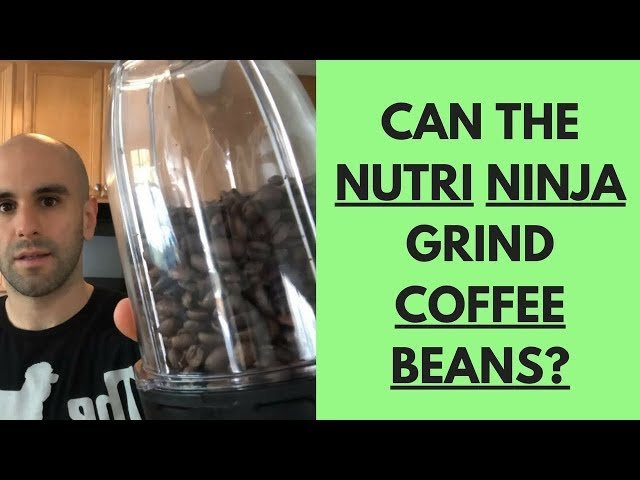
Can you grind coffee fine enough for espresso in a Ninja?
No. An espresso basket requires microscopic, powdery dust packed under high pressure. Ninja blades chop beans into jagged chunks, so hot water channels straight through the gaps, creating weak, sour coffee with no crema.
Does grinding coffee beans dull the blender blades?
Yes, over time. Roasted coffee beans are dense and hard, so grinding them every morning wears down the blade edges. For daily grinding, pick up an entry-level flat burr mill to protect your blender assembly.
How long should you pulse coffee beans in a blender?
About 10 to 15 seconds total. Break that time into individual one-second pulses with quick pauses in between. Shaking the jar between pulses ensures the chunks fall back down into the blades evenly.
Is it safe to grind dry coffee beans in a plastic cup?
Yes, but it causes cosmetic wear. Hard bean shells will scuff the smooth interior wall of a plastic Ninja cup over time, leaving a permanent cloudy film that doesn’t wash off with soap.
What happens if you blend coffee beans on high speed?
The high-speed blades generate friction that scorches the delicate coffee oils inside the beans. It also melts fine grounds into a dark, greasy ring that cakes beneath the rotating blade spindle.
Does a Ninja blender leave coffee odors in the plastic?
Yes, ground coffee leaves strong aromatic oils behind. If you don’t wash the cup and rubber gasket with warm water and mild dish soap right away, your fruit smoothies will taste faintly like coffee.
What to do next
Pour half a cup of whole beans into a completely dry blender cup and run five quick, one-second pulses. You should expect an uneven mix of coarse pieces that looks similar to sea salt, which brews well in a standard drip basket. If you smell burning plastic or see coffee oil leaking past the blade spindle, stop immediately and switch to a manual burr grinder.