Can Coffee Grounds Go Down The Garbage Disposal?
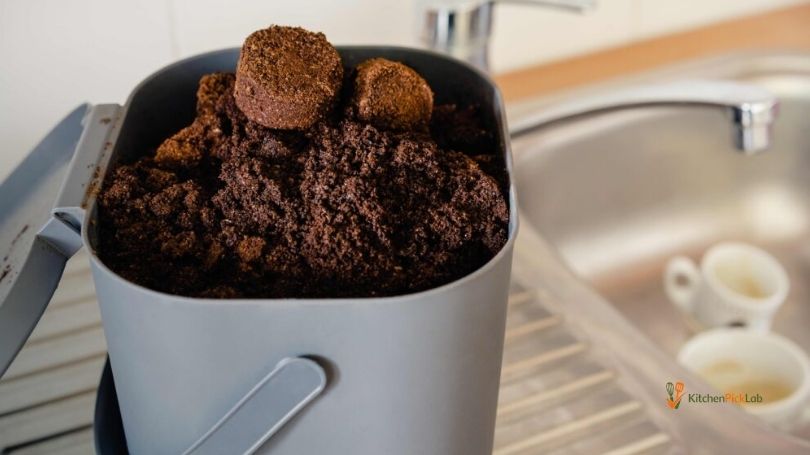
No, you shouldn’t do it. Can coffee grounds go down the garbage disposal? Doing this regularly will pack your kitchen drain with dense sediment that water can’t move. A single pinch won’t break the unit, but dumping a full brew basket creates an immediate risk of a backup. Stop pouring used grounds into the sink right now and scrape them into your trash can or a compost bin instead.
Can coffee grounds go down the disposal
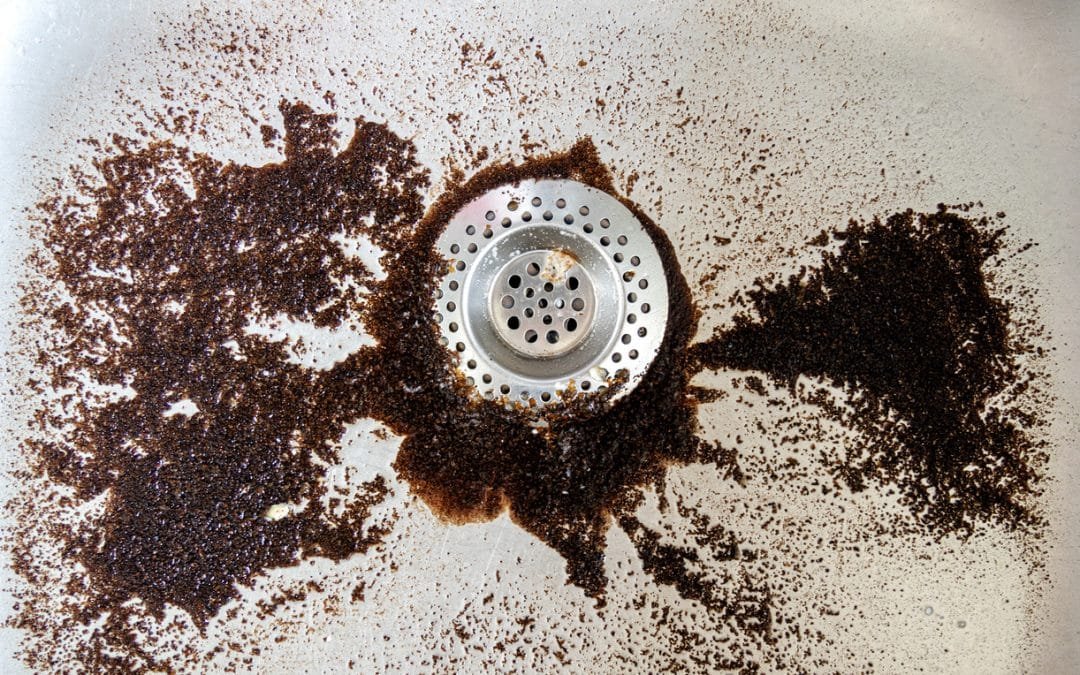
Your drain pipes can’t wash away heavy sediment without high risk, but a tiny rinse won’t always cause a clog.
| Your situation | Answer | Why |
|---|---|---|
| Emptying a full French press | No | Dense grounds settle immediately in pipe traps. |
| Rinsing three stray grounds from mug | Yes | Tiny amounts flow out with normal water volume. |
| You have an older septic tank system | No | Solids fill the tank and disrupt bacterial breakdown. |
| Unit already drains slowly today | No | Extra grit will seal the existing narrow blockage. |
| Disposal smells bad right now | No | Grounds don’t clean blades; they form sludge. |
| Scraping an espresso portafilter puck | No | Compressed cakes clump together and block the P-trap. |
How grounds act inside plumbing pipes
Disposal units don’t have knives that chop waste into liquid. They use small spinning lugs on a plate to fling soft foods against a stationary grind ring. Because grounds are tiny granules, the impellers can’t shred them. They pass right through the grinding ring untouched, enter the kitchen drain, and hit the standing water in your P-trap under the sink.
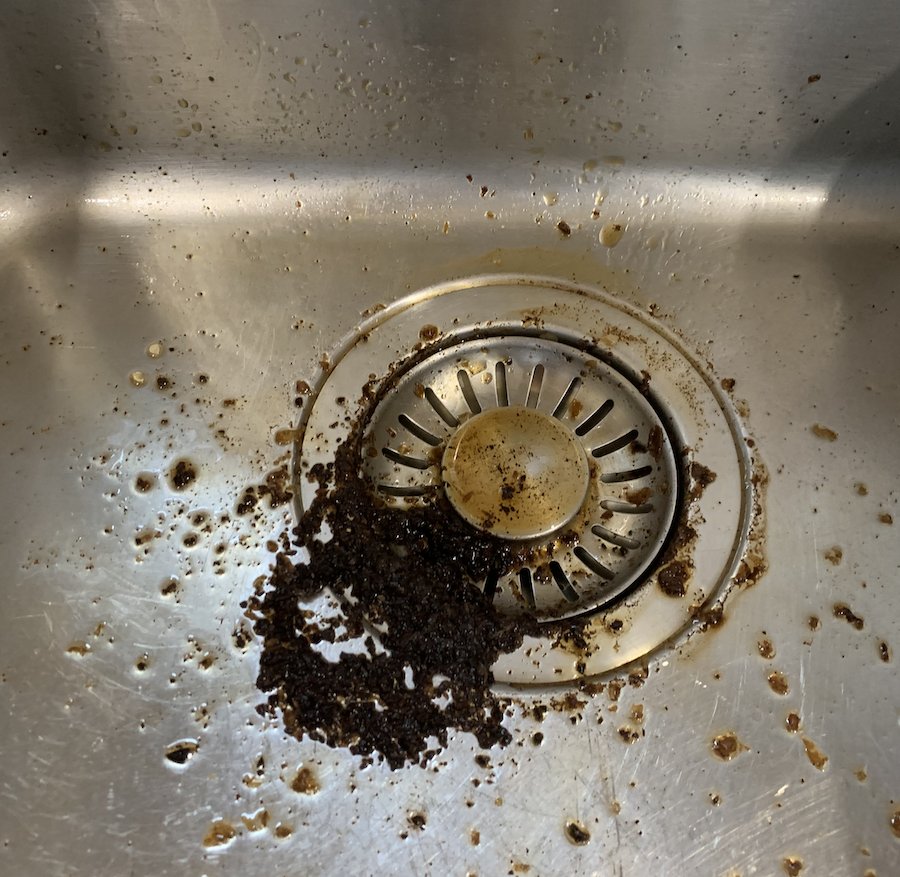
Grounds don’t dissolve in water. Instead, they act just like fine sand or heavy soil. When you wash them down the line, they sink to the lowest curve of your pipe. Kitchen grease, cooking oil, and soap scum line the inside of standard drain walls over time. The wet coffee dust sticks directly to this greasy film, building up layer after layer. This creates a thick, clay-like plug that completely closes off the line. Running cold water won’t prevent heavy coffee silt from dropping to the pipe floor. Major manufacturer InSinkErator’s care guide specifically lists coffee grounds among the common items you should keep out of your grind chamber.
Better ways to dispose of used grounds
- Scrape them into a compost pile. Add the wet grounds to an outdoor compost pile or an indoor tumbler alongside dry leaves and shredded paper to balance the moisture. You’ll know it worked when the grounds mix evenly with your brown materials without growing gray surface mold. Who this is NOT for: apartment renters with no outdoor space or indoor collection bin.
- Put them straight into household trash. Line your trash can with a standard plastic bag and scrape the spent grounds directly off the filter paper into the bag. You’ll know it worked when the sink stays completely clean and dry before you turn on the faucet. Who this is NOT for: people trying to reduce their weekly solid landfill waste.
- Scatter them thinly across garden soil. Sprinkle cool, used grounds lightly across garden beds or around acid-loving shrubs like hydrangeas at a depth of less than one-eighth of an inch. You’ll know it worked when the soil absorbs the thin dust without forming a crust that blocks rainwater. Who this is NOT for: indoor gardeners with small potted plants that need precise soil drainage.
The mistake people make
Relying on grounds to eliminate foul drain odors is the single most common mistake people make with their kitchen sink. People toss grounds into the disposal because the fresh roast smells pleasant. This often leads to a costly plumbing service call. The grains don’t scrub the metal clean.
When to stop and get help
- Water backs up into the adjacent sink bowl when you run the disposal unit, which means the main kitchen branch pipe is blocked.
- The disposal motor hums loudly without the inner plate spinning, which indicates solid debris has jammed the internal flywheel.
- Foul wastewater leaks out from the pipe joints under the sink cabinet, which shows built-up pressure behind a hard sediment clog.
When clearing the trap with a basic bucket fails to drop the water level, stop working. Further clearing requires a commercial drain snake or taking apart main sewer lines, which can crack PVC fittings or flood kitchen cabinets if done without professional plumbing tools.
Frequently asked questions
Can coffee grounds break a garbage disposal motor?
No, the grounds won’t break the motor directly because they’re too small to catch the spinning plate. The real damage happens downstream.
Can coffee grounds go into a septic tank?
No, they shouldn’t enter a septic system under any circumstances. Coffee grounds don’t break down quickly inside the tank. They sink straight to the bottom layer, take up space, and force you to pay for tank pumping far sooner than normal.
Does cold water carry coffee grounds away safely?
No, cold water won’t carry grounds far enough down the line. While cold water solidifies fats, grounds are heavier than water and settle inside the trap bend.
Can you use coffee grounds with baking soda to clean the drain?
No, mixing coffee grounds with baking soda won’t clean your drain pipes. Baking soda neutralizes mild odors, but coffee grounds add heavy solid waste into the line.
What happens if you dump coffee grounds down the sink once?
Usually not much happens if it only happens once and you flush the sink with water for two minutes. Problems start when the grounds meet old cooking oil and catch inside the rough pipe seams.
Why do some disposal manuals say grounds are okay?
Some older user guides allowed small amounts because the particles exit the disposal chamber without jamming the impellers. However, plumbers universally advise against it.
What to do next
Check your kitchen sink right now to see if water drains at full speed. Turn on the cold tap for thirty seconds; if the water swirls down the drain pipe freely without rising, your system is clear. If you see water pool in the sink or hear a gurgling noise, stop running the water immediately and call a licensed plumber to snake the line.