

Can You Brush Your Teeth With Baking Soda?
Yes, but only occasionally. Can you brush your teeth with baking soda safely? The answer is yes as long as you don’t use it to replace your daily fluoride toothpaste. Check your pantry for pure sodium bicarbonate right now and make sure it has no added spices or sugars.
When baking soda can brush your teeth safely
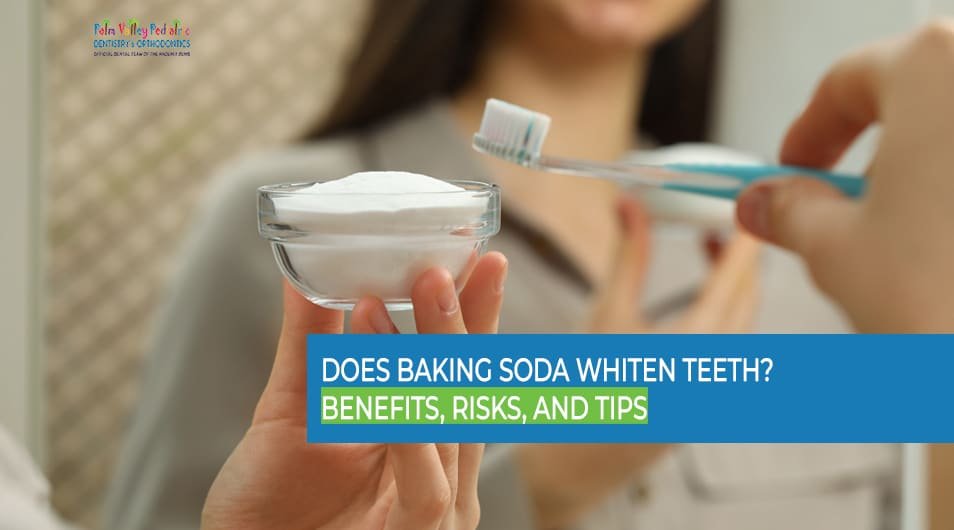
Your dental health and current dental work decide whether you can use this powder safely.
| Your situation | Answer | Why |
|---|---|---|
| Natural teeth with coffee stains | Yes | Gently scrubs away light surface discoloration |
| You need daily cavity protection | No | Lacks fluoride to rebuild weak enamel |
| You have sensitive, bleeding gums | No | Irritates tender gum tissue easily |
| You have no other toothpaste | Yes | Cleans plaque during a temporary pinch |
Enamel abrasiveness and cavity protection
Baking soda works because it’s a mild abrasive that physically lifts debris from your mouth. The dental industry measures how much a paste scratches your teeth using the Relative Dentin Abrasivity (RDA) scale. The American Dental Association tooth-brushing guidelines note that safe daily cleaners should sit well within standard abrasivity limits. Plain baking soda has an RDA rating of roughly 7, which is much lower than most commercial whitening pastes that score above 100. It also creates an alkaline environment in your mouth, which slows the growth of acid-loving bacteria.
However, there’s an honest trade-off to consider: while you get natural stain removal without harsh chemicals, you give up all fluoride protection. Sodium bicarbonate can’t remineralize tooth enamel or guard your roots against new decay. If you want to remove stains naturally, then use this wash once a week; if you want everyday protection against cavities, then stick with standard fluoride paste.
How to brush safely
- Mix a paste using half a teaspoon of baking soda and half a teaspoon of water in a small cup. You know it’s ready when the mixture looks like smooth, wet icing rather than dry sand.
- Apply the paste to a soft-bristled toothbrush using gentle, sweeping strokes. The bristles should remain straight and soft against your teeth rather than bending outward.
- Brush for two minutes without pressing the brush hard against your gumline. Your mouth will taste salty and slightly bitter while the paste works.
- Rinse your mouth completely with clean water until all chalky residue disappears. Your teeth will feel completely smooth when you run your tongue over them.
The scrub mistake that hurts enamel
People often scrub their teeth too hard with dry powder, which ruins the surface enamel over time. Doing this wears away your hard outer tooth layer, exposing the yellow dentin underneath and causing lasting tooth sensitivity that requires expensive repair fillings. Always wet the powder completely before it touches your mouth to keep the grains smooth.
When to stop and get help
- Gums sting or bleed after brushing, which means your tissue is inflamed and needs an assessment.
- Sharp tooth pain flares when you drink hot coffee or cold water, showing worn enamel.
- White spots appear near your gumline, signaling early decay that needs clinical fluoride.
- Brackets or permanent retainers feel loose, which requires immediate orthodontic re-bonding.
A dentist or licensed dental hygienist handles these problems, because repairing lost enamel and re-gluing brackets requires specialized professional tools.
Frequently asked questions
Can baking soda whiten teeth permanently?
No, it only removes external stains from tea, coffee, and tobacco. It can’t change the natural color of your inner dentin layer. For internal lightening, you need peroxide gels prescribed by a dental professional.
Is it safe to use baking soda every day?
No, plain baking soda lacks cavity-fighting fluoride. Using it daily leaves your teeth vulnerable to acid decay over time. Limit your use to once per week alongside a regular oral care routine.
Why do my gums burn after brushing with baking soda?
The sodium salt draws water out of delicate oral tissue, causing quick irritation. If your gums sting, stop using the powder immediately. Rinse with warm water to clear out remaining alkaline particles.
What happens if you swallow baking soda while brushing?
Swallowing a tiny foam trace causes no real harm, but larger amounts upset your stomach. High amounts of sodium cause nausea, bloating, and cramps. Always spit the mixture out completely.
Does baking soda damage dental glue?
How long does it take to see results?
About two to three weeks of weekly brushing removes mild surface discoloration. Deep, older stains take longer and may not lift without dental tools. Take photos weekly under bright light to track visible changes.
What to do next
Check your toothbrush bristles to ensure they’re soft before mixing your first small paste. You can expect smoother teeth immediately, with lighter surface stains visible within three weeks of careful weekly use. Stop using the powder right away and consult your dentist if your gums feel sore or bleed during rinsing.
Final Thoughts
If you decide to give this a try, don’t make it a permanent habit. Your enamel needs the protection that regular toothpaste provides, so stick to your usual routine most of the time. If you’re still unsure, it’s a great idea to ask your dentist about it at your next checkup.