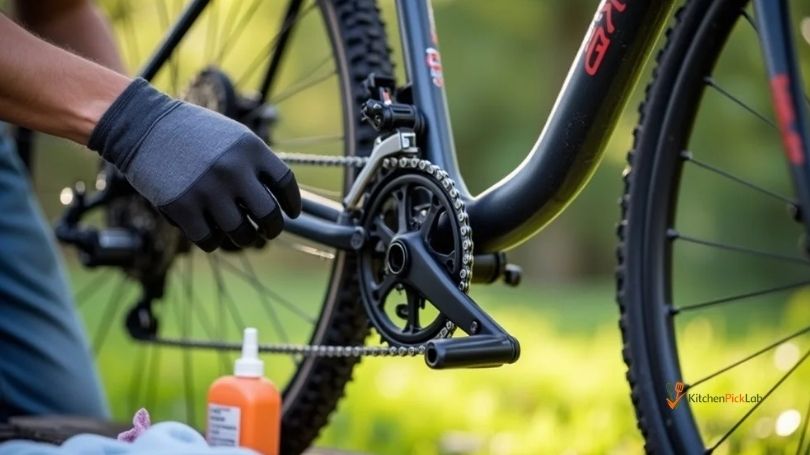
Can You Clean A Bike Chain With Dish Soap?
Yes, you can do this. You can clean a bike chain with dish soap when you need a cheap way to lift surface grease and light road dust. The single condition that flips the answer to no is heavy, caked-on wax or thick wet-weather lubricant. If your links are buried in black sludge, grab a dedicated solvent instead.
When dish soap cleans your bike chain
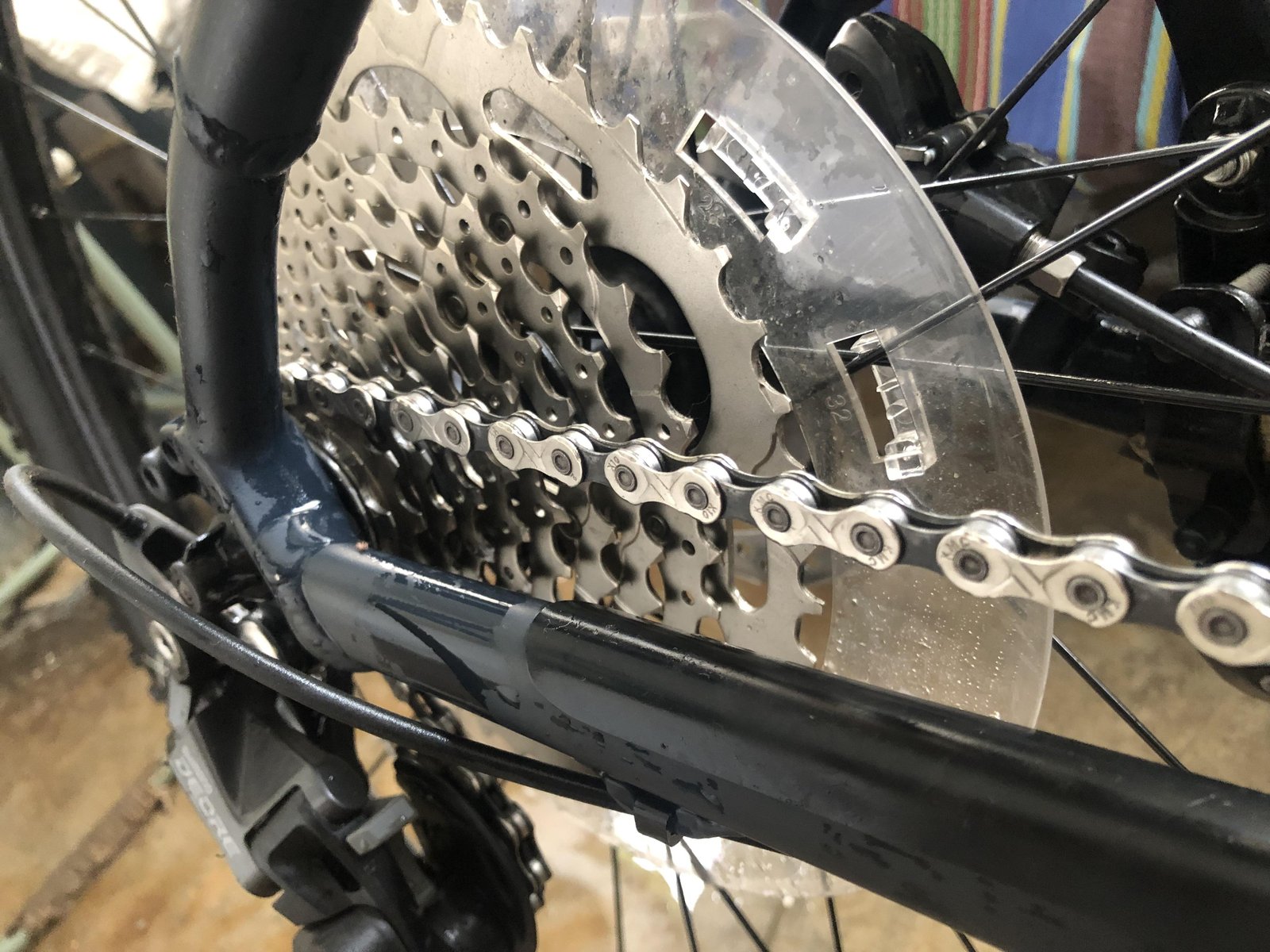
Your chain’s current state determines if household soap will actually cut through the grime.
| Your situation | Answer | Why |
|---|---|---|
| Dusty road grime | Yes | Soap surfactants break down light grease fast |
| Fresh dry lubricant | Yes | Warm water loosens the light carrier oils |
| Factory grease coating | No | Packing grease needs a strong petroleum solvent |
| Heavy winter grit | No | Soap can’t dissolve thick waterproof paste quickly |
| Wax-based chain drip | No | Hard wax resists soap and cool water |
| Quick weekly wash | Yes | Rinses off road dust in five minutes |
Why soap cuts road grease
Dish soap lifts oily film because of how its molecules are built. One end of a soap molecule binds to water, while the other end grabs grease. As you scrub with warm water, the soap pulls oily grit off the metal plates and suspends it in the suds.
Dish soap strips oil cheaply but leaves no protective film and forces water into the internal pins. Water trapped inside the rollers causes rust within hours if you don’t dry it out completely. It’s a low-cost method requiring extra drying effort. This method isn’t for riders who use hot-melt wax or heavy waterproof wet lubes, because soap lacks the chemical strength to break those binders.
Also, exact wash results vary by drivetrain brand—check your component manual for cleaning limits. Shimano warns against using harsh acid or alkali solutions because they can weaken metal links, as outlined in Shimano service manuals. Plain dish soap has a neutral pH, making it safer for the steel than harsh industrial cleaners.
How to wash the links
Follow these steps to clean the metal without trapping water inside the rollers.
- Mix warm soapy water using two tablespoons of liquid dish soap in one quart of hot water. Strong suds will form on top of the bucket.
- Scrub every link using a stiff-bristled brush soaked in the warm solution while rotating the pedals backward. Dirt and gray foam will drip onto your drop cloth.
- Rinse with a light spray of clean water from a low-pressure bottle or gentle hose setting. The metal looks bright and bare when all soap residue is gone.
- Dry the links completely by clamping a clean microfiber cloth around the chain and pedaling backward for 30 turns. The cloth should pull away dry with no damp patches.
- Add fresh bicycle lubricant by placing one single drop onto each roller while spinning the crank. You’ll hear the harsh squeak disappear into smooth, quiet rolling.
The missed moisture mistake
The single most common mistake people make is letting the chain air-dry after washing it. Trapped tap water sits deep inside the rollers and eats into the internal pins.
This error causes premature chain and cassette wear. Check for moisture by running a dry paper towel over the rollers five minutes after wiping. If the paper picks up any moisture, hit the links with a hairdryer on low heat before applying your oil.
When to stop and get help
- A chain stretch tool reads over 0.75% wear, which means the metal has elongated past safe use.
- Links remain stiff and refuse to bend freely after washing, meaning the inner pins have locked up.
- You see visible orange rust pitting along the inner rollers, which compromises structural strength under load.
- The chain skips across cassette cogs under pedaling pressure, showing that worn metal has reshaped your gears.
A bicycle mechanic should handle severe drivetrain wear because riding a slipping chain can cause sudden snapped links and bad crashes.
Frequently asked questions
Can dish soap damage a bike chain?
No, dish soap won’t harm the metal plates by itself. Harm only happens if you leave water inside the rollers afterward. As long as you dry the metal thoroughly and apply fresh lubricant immediately, the steel stays protected against corrosion and wear.
Is dish soap as good as a degreaser?
No, specialized bike degreasers break chemical bonds in heavy grease much faster. Dish soap works well on light dirt, but it struggles against thick, sticky wet-weather oils. Dedicated degreasers also rinse cleaner without leaving soapy residues behind that attract fresh trail dust.
How long does chain cleaning take?
About 15 minutes is plenty of time for a soap wash. You spend five minutes scrubbing the links with warm water, two minutes rinsing away the grime, five minutes thoroughly drying the plates, and three minutes applying fresh bicycle lubricant to the rollers.
What happens if you skip drying?
Rust forms inside the internal pins within a few hours. Dish soap removes all barrier oils, leaving bare steel exposed to oxygen and trapped water. That rust creates grinding friction, makes pedaling stiff, and ruins the chain long before its normal lifespan ends.
Can you soak a chain in dish soap?
Yes, you can soak a removed chain in warm soapy water for 20 minutes. Keep the water warm and agitate the container to flush out grit. Don’t leave the chain soaking overnight, because extended exposure to water invites rust on unplated steel components.
Does dish soap clean off chain wax?
No, cold or warm soapy water can’t break down solid paraffin wax. Wax formulas need boiling water or dedicated wax-stripping solvents to melt and release from the metal. Using soap on a waxed chain simply leaves the old, dirty wax stuck inside the links.
What to do next
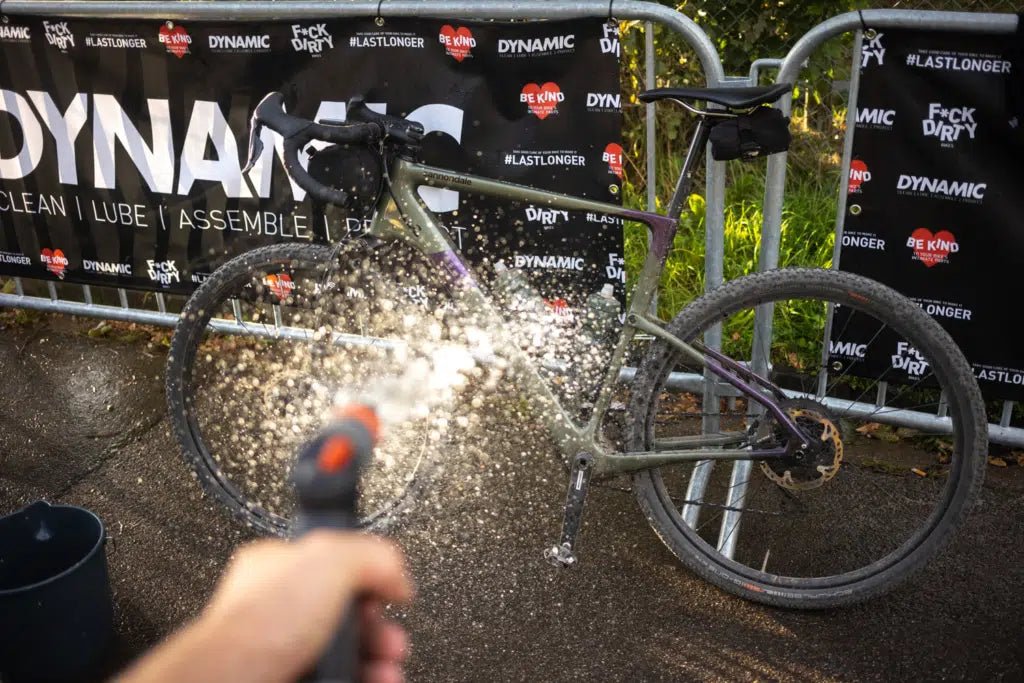
Mix warm water with dish soap right away and start scrubbing the outer links. You should expect bright silver metal and quiet pedaling once fresh oil sinks into the rollers. If the chain still grinds or skips teeth during your test ride, stop pedaling and take the bike to a local shop.
Final Thoughts
Once your chain is clean and dry, don’t forget to apply a fresh layer of bicycle-specific lubricant. It’s the best way to keep your gears shifting smoothly and prevent rust from forming. You’ll find that a little maintenance goes a long way toward making your next ride feel much faster.