Can You Boil Milk In A Kettle? Why You Should Never Do It
Last Updated on October 9, 2026
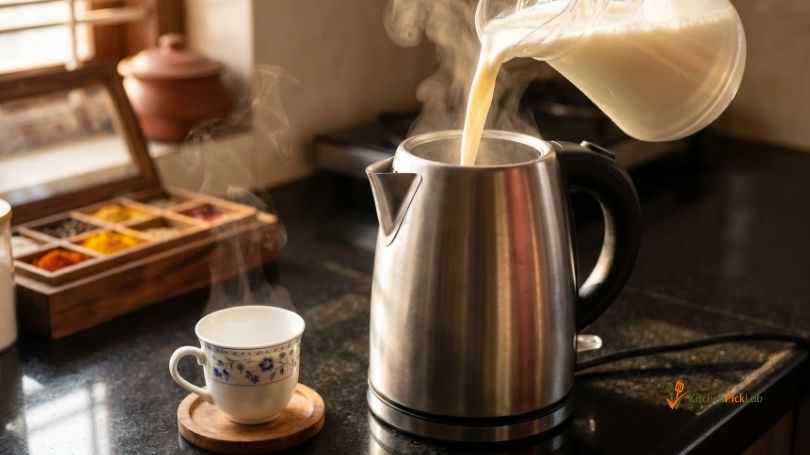
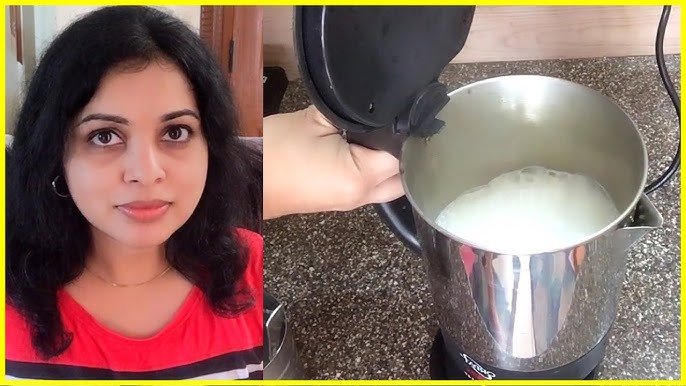
No, you shouldn’t do it. Boiling milk in a kettle is a bad idea because milk scorches instantly against the bare metal heating element and boils over through the spout. If your kettle has an exposed element or lacks manual temperature controls, it’ll ruin the appliance and create a fire hazard. Unplug your kettle right now and warm your milk on the stove instead.
When you can boil milk in a kettle
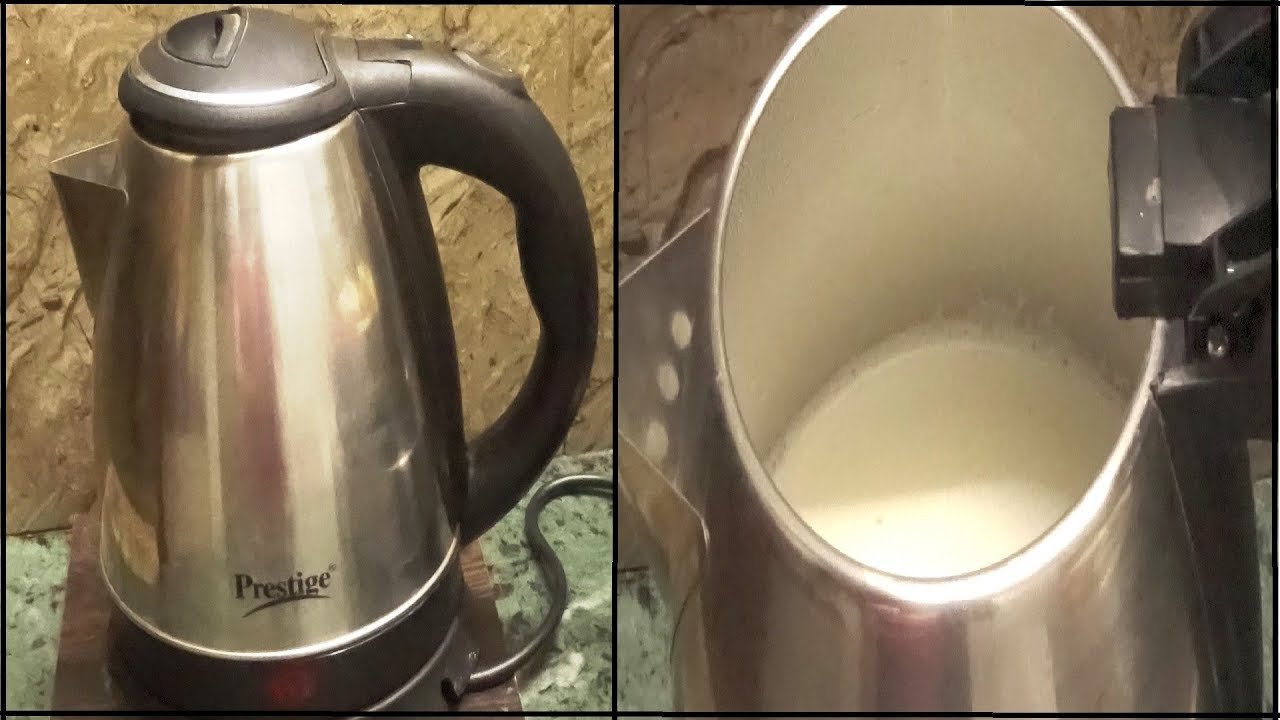
Different appliances handle dairy differently depending on their design and heating elements.
| Your situation | Answer | Why |
|---|---|---|
| Standard electric kettle with auto-shutoff | No | Scorches element and sensor fails to shut off |
| Gooseneck electric pour-over kettle | No | Thin spout clogs with burnt milk protein |
| Stainless steel stovetop whistling kettle | No | Difficult interior cleaning and quick boilovers |
| Dedicated automatic milk frother jug | Yes | Gentle heat cycles prevent scorching inside base |
| Variable-temp kettle with keep-warm setting | No | Protein skin coats internal temperature sensors |
| Microwave-safe ceramic or glass mug | Yes | Direct liquid heating without contact scorching |
How milk burns heating elements
Milk contains water, dissolved sugars like lactose, fats, and proteins such as casein and whey. Water boils into steam smoothly, which rises through a steam tube to trigger an electric kettle’s mechanical thermostat. Milk acts differently when exposed to direct, intense heat. At roughly 140°F (60°C), whey proteins unfold and bond with the heated base plate. A thick, burnt layer forms across the bottom within seconds.
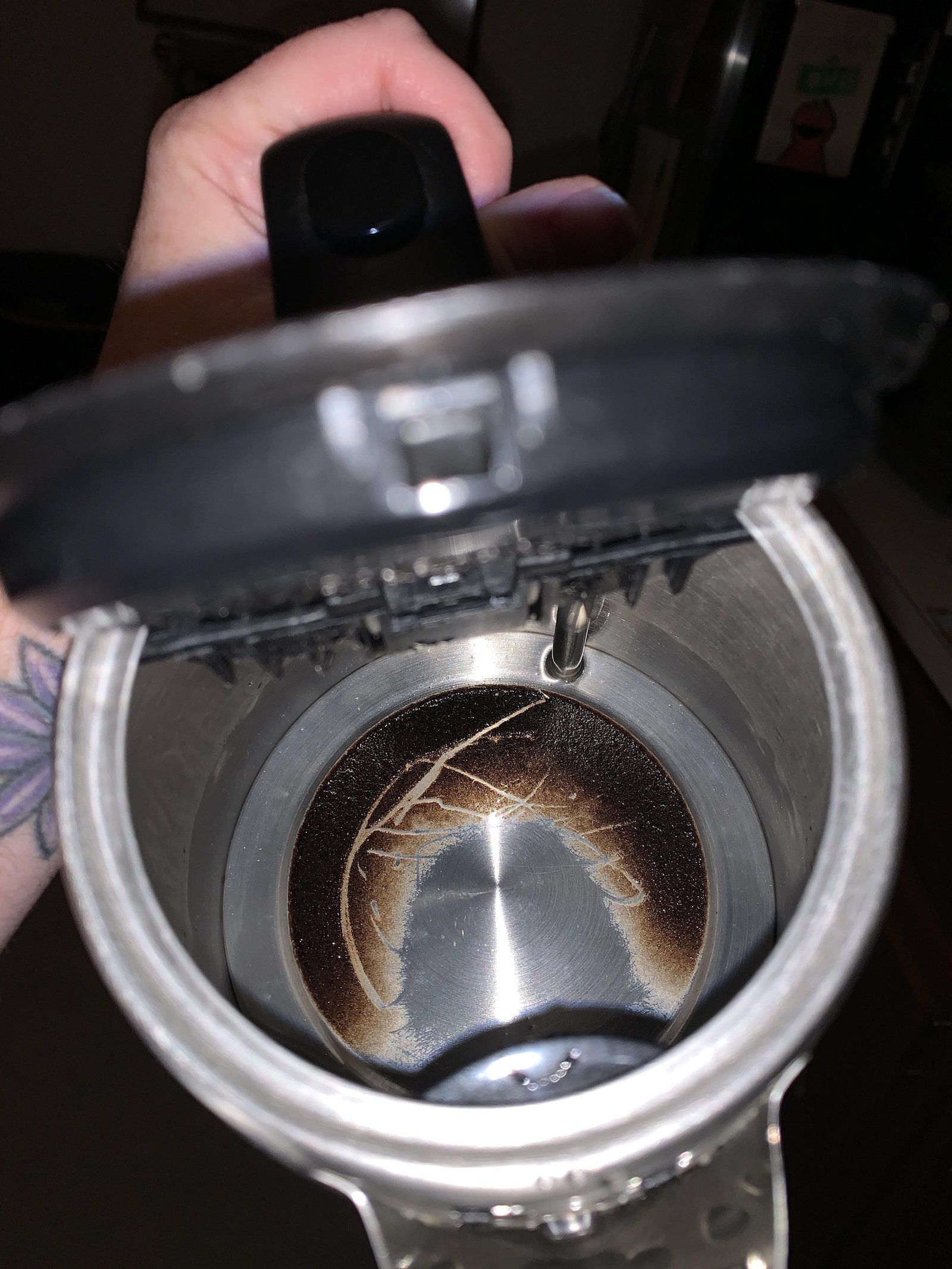
This scorched coating blocks heat transfer, causing the dry-burn safety switch or thermal fuse to trip. The rising foam overflows the spout and lid before reaching the auto-off thermostat tube, pouring boiling liquid directly over the electrical base. Never pour milk into an appliance designed exclusively for water.
Better ways to heat milk
- Use a small stainless steel saucepan on the stovetop. Pour 8 ounces (240 ml) of milk into the pan and heat it over medium-low heat while stirring continuously with a silicone spatula. The milk is properly warmed when small bubbles form around the rim and steam rises gently, well before a rolling boil. This method isn’t for people without access to a stovetop burner or hot plate.
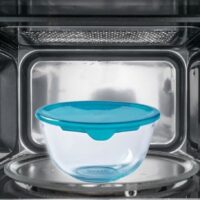
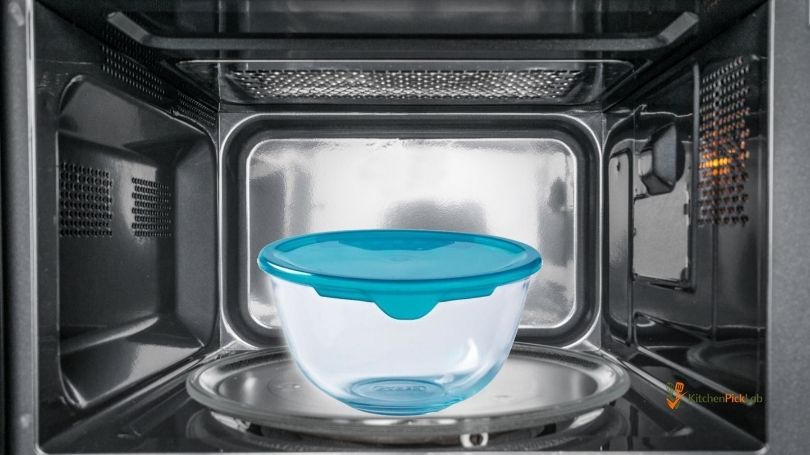
- Warm the milk inside a standard microwave. Pour 8 ounces (240 ml) into a microwave-safe mug, set a 1,000-watt microwave to 70% power, and heat for 60 to 75 seconds. At 700 watts add about 20 seconds; at 1,200 watts check the temperature after 45 seconds. The milk is ready when steam rises and the sides of the cup feel warm to the touch. This method isn’t for anyone seeking microfoam for latte art.
- Use a dedicated electric milk warmer or frother. Add cold milk up to the internal maximum fill line, secure the lid, and press the start button. The machine automatically stops heating once it hits approximately 140°F to 155°F (60°C to 68°C), showing a solid indicator light when complete. This option isn’t for anyone who only heats milk occasionally, as it requires a dedicated kitchen gadget.
The burned residue trap
Never walk away from the appliance assuming the automatic shutoff will work. Milk proteins trap steam, causing a rapid boilover in under 45 seconds. This froth floods the handle, base, and counter. Milk ruins heating coils and requires extensive scrubbing. This varies by model — check the label on your kettle’s underside, which almost always states “For water only.” Avoid this costly mistake by doing a fast single check: look at the liquid level and appliance rating, and keep dairy products confined entirely to pots and microwave cups.
When to stop and get help
- Liquid enters the cordless base or wall outlet: stop immediately, switch off the breaker, and consult a licensed electrician if the outlet blackens or trips repeatedly.
- The kettle emits black smoke or burning plastic odors: the heating element has permanently fused, requiring total appliance replacement rather than repair.
- The unit no longer powers on after milk overflows: the internal one-time thermal fuse has blown, which isn’t a do-it-yourself fix due to lethal electrical shock hazards from mains-powered internal wiring.
Can you boil milk in an electric kettle safely?
No. An electric kettle heats via a concentrated heating element that scorches dairy in seconds. The dense foam prevents steam from triggering the shutoff switch. This causes the liquid to erupt, creating a fire risk.
Why does milk boil over in a kettle?
Proteins and fats trap expanding steam bubbles as milk heats up. Instead of steam evaporating freely, it forms a thick foam layer that rapidly expands up the walls. The froth forces its way out before the base registers a shutoff temperature.
How long does milk take to warm in a microwave?
About 60 to 75 seconds for 8 ounces (240 ml) in a 1,000-watt microwave at medium power. At 700 watts, add about 20 seconds. Stir the milk halfway through heating to prevent hot spots from developing on the bottom of the mug.
What happens if milk touches the kettle element?
The proteins instantly char and form a hard black crust across the metal. This crust insulates the element, traps heat inside the component, and triggers the overheat protection fuse. Once milk bakes onto an exposed heating element, removing it completely is nearly impossible.
Can you boil powdered milk mixed with water in a kettle?
No. Powdered milk dissolved in water contains the exact same milk sugars, fats, and proteins as fresh dairy. It will scorch against the hot metal base, boil over quickly, and leave behind the same burnt residue that ruins the internal heating mechanism.
Is it safe to clean a scorched kettle with boiling vinegar?
Yes, for minor water mineral scaling, but burnt milk fat requires physical scrubbing with dish soap and warm water. If milk entered the electrical contacts or under the housing, don’t submerge or boil anything in it; replace the kettle instead to prevent electrical shock.
What to do next
Pour your milk into a small saucepan or microwave-safe mug instead of the kettle. Expect evenly warmed, steaming milk within two minutes without scorching or messy boilovers. If your kettle already boiled over with milk and smells of burned plastic or won’t turn on, unplug the unit immediately and discard it safely.