Can Tupperware Go In The Microwave? How to Check Safety
Last Updated on October 9, 2026
Yes, but only containers marked with the microwave symbol can enter. Modern genuine Tupperware uses microwave-safe plastics, yet vintage sets or standard storage tubs will warp, melt, or leach chemicals into your meal. If your dish lacks the squiggly lines symbol, move your food directly to a ceramic or glass bowl right now before heating it. Can Tupperware go in the microwave? The symbol stamped on the plastic’s base gives your definitive answer.
When Tupperware is microwave safe
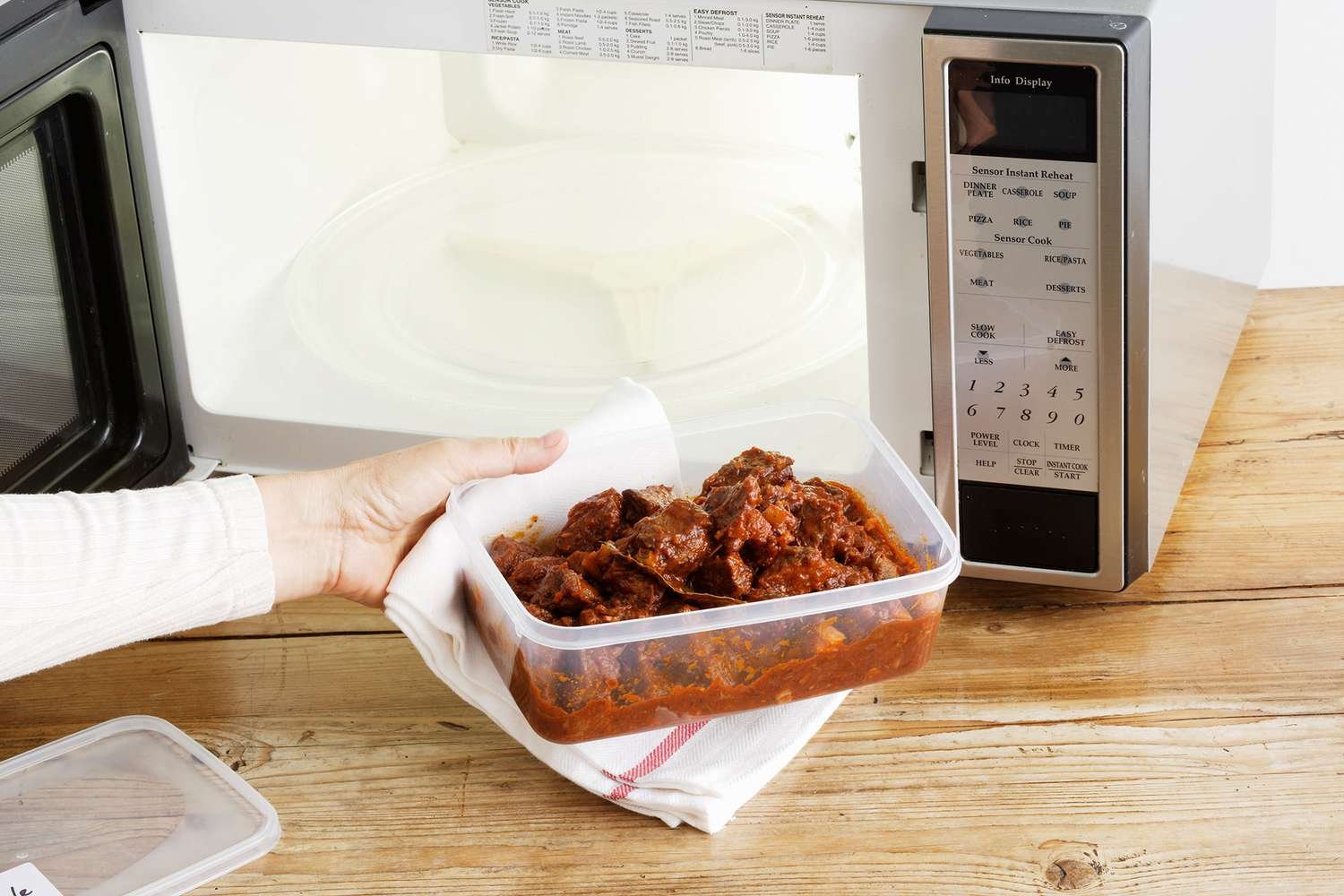
Check the stamp on the base of your tub before choosing to heat it.
| Your situation | Answer | Why |
|---|---|---|
| Tub shows wavy lines on base | Yes | Plastic meets heat testing standards |
| Standard thin storage tub | No | Low melting point causes plastic warping |
| Vent-cap container opened | Yes | Steam escapes freely without pressure buildup |
| Reheating greasy meat or pure butter | No | Fats exceed plastic melting points quickly |
| Opaque colored classic Wonderlier bowl | No | Made strictly for cold food storage |
Plastic ratings and heat limits
Plastic type and temperature limits decide whether your dish survives the appliance. The FDA food contact regulations require makers to test whether plastics transfer chemicals into food under high heat. Safe containers use high-density plastics like polypropylene that handle heat without breaking down. Cold-storage lines use low-density polyethylene, which softens near boiling temperatures.
Fatty or sugary meals create hidden hot spots that reach far past the boiling point of water. Polypropylene softens around 266°F, but cooking oil easily climbs past 300°F during normal cycles. This explains the rough, pitted white rings you sometimes find inside old containers. The plastic didn’t just discolor; it reached its melting point.
The trade-off for using plastic over glass is clear: plastic is lighter and won’t shatter when dropped, but it can’t tolerate high cooking temperatures. If you see wavy microwave lines on the base, use the container only for reheating; if you see no symbols or just a recycling triangle, keep it cold.
Reheating safely with proper plastic
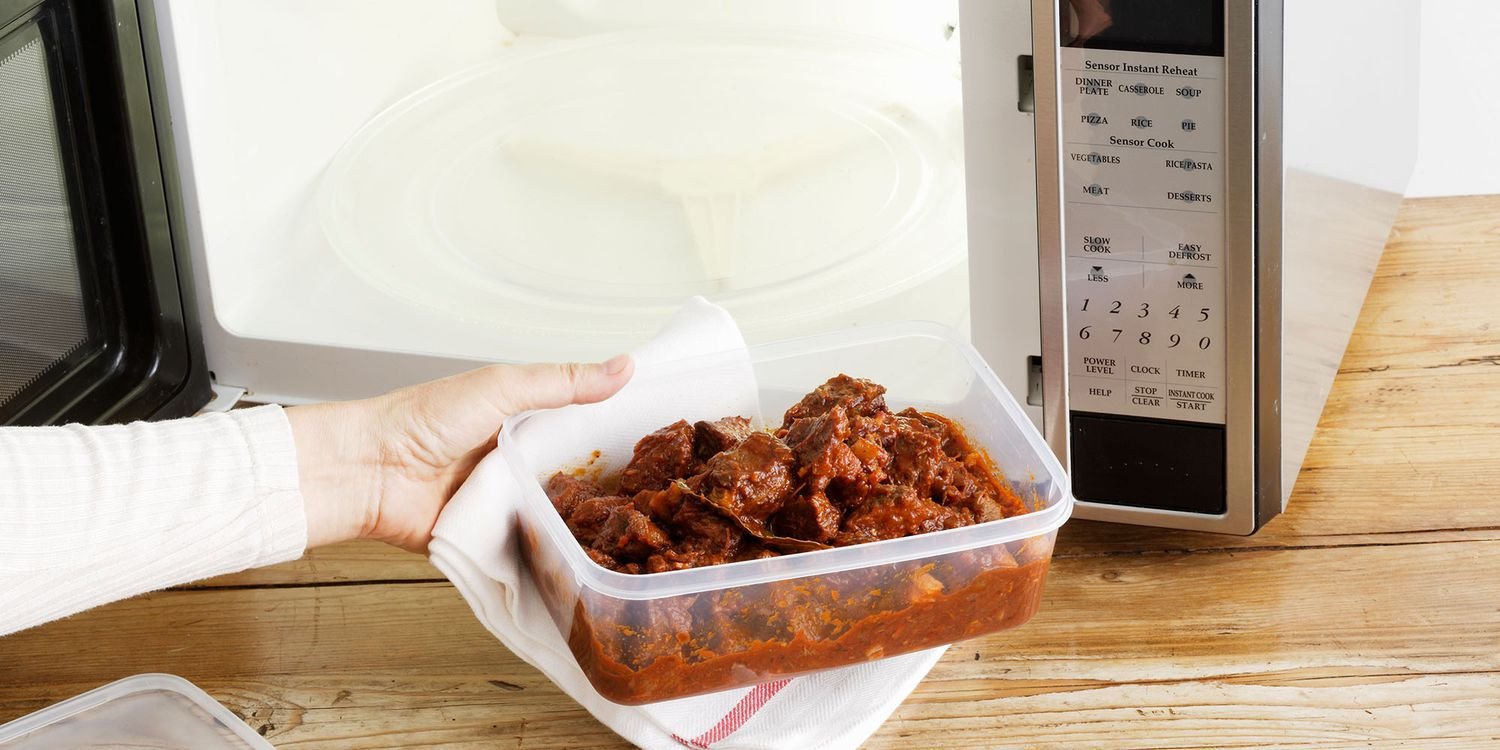
- Check the container bottom for wavy microwave lines before adding any food. The imprint will look like three parallel squiggly lines inside a small square.
- Transfer solid fats or raw meats to ceramic or glass instead of using plastic. Your plastic dish will survive only when heating foods with high water contents like soups or stews.
- Open the steam vent or unseal the lid completely by resting it loosely across the rim. Steam will vent around the edges without popping the cover off.
- Set the appliance power to 50% to 70% rather than maximum output. Lower power prevents sudden hotspots from pitting the bottom surface.
- Heat in two-minute bursts, stirring the contents completely between rounds. The core temperature of any reheated leftovers must reach 165°F measured with a food thermometer for complete safety.
The blistered plastic mistake
The costliest mistake is microwaving marinara, bacon, or cheese sauce inside a basic plastic bowl on high power. Pure fats and sugar act like molten syrup against the interior plastic walls. This mistake costs you the container, which becomes ruined, and the food itself, which absorbs melted plastic compounds. A damaged bowl can’t be saved and must be thrown into the trash immediately.
Avoid this by checking the oil level of your lunch before pressing start. If grease coats the bottom or floats on top, move the portion into an ordinary ceramic mug or plate. A ten-second transfer to a neutral ceramic bowl saves your Tupperware and keeps your lunch completely free from ruined materials.
When to stop and get help
- The container warps, bows, or develops cloudy interior pits, which means the plastic has melted into the food.
- Chemical odors rise from the hot food, showing heat breakdown has occurred.
- The container brand has no markings, instructions, or stamps, which leaves food safety unverified.
Throw away any container showing heat-damaged, rough surfaces. Plastic changes like these are irreversible and unsafe to salvage. When unsure about a specific legacy product, contact Tupperware directly via their official customer care support line to check your model number.
Frequently asked questions
Can Tupperware go in the microwave with the lid sealed shut?
No. Heating food with a fully snapped lid creates trapped air and steam pressure. This forces the container to pop violently, splattering hot liquids inside your appliance. Always pop the lid off, rest it loosely crooked across the top, or open the built-in valve.
Why did my Tupperware get white cloudy spots after microwaving?
No, the tub isn’t dirty; the plastic melted. Sugars and cooking fats frequently climb past 250°F, which exceeds the thermal tolerance of everyday plastic walls. Those pitted white rings show where food oils burned into the container, rendering it completely unsafe for future heating.
Can you put vintage Tupperware in the microwave?
No. Older formulations break down faster, absorb food odors easily, and warp rapidly under mild heat. Keep your classic vintage collections reserved strictly for serving or cold pantry storage.
How long can Tupperware stay in the microwave safely?
For longer cooking tasks, transfer ingredients into glass or ceramic cookware instead.
What happens if you microwave Tupperware that isn’t microwave-safe?
The plastic will warp, release chemical odors, and contaminate your food. Low-heat plastics turn soft and cave in, which ruins the airtight seal forever. Any food inside a melted or heavily deformed tub should be thrown directly into your household trash.
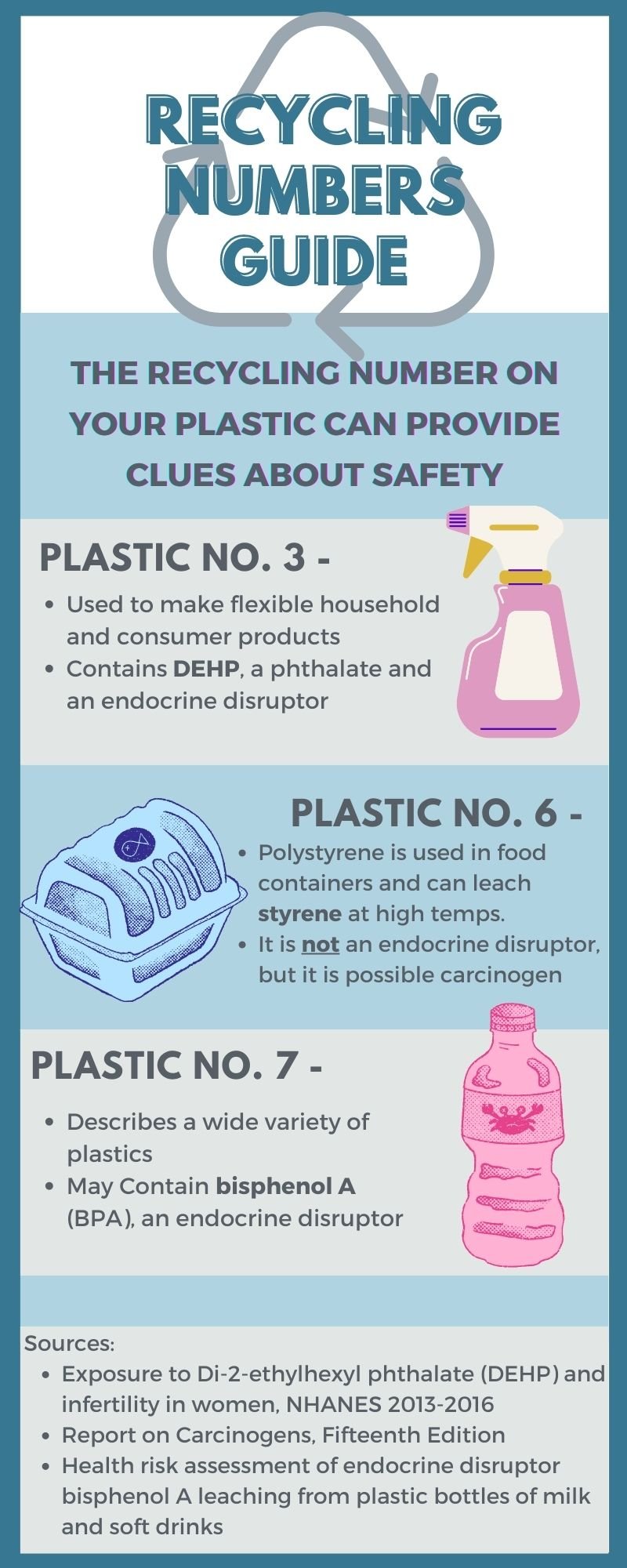
Does the recycling number on Tupperware mean it’s microwave-safe?
No. A recycling triangle only identifies the raw resin material, not its heat resistance. Polypropylene marked with a number 5 often works in microwaves, but only if the manufacturer officially stamps wavy heating symbols next to it. Never use a resin code alone to judge heat limits.
Is Tupperware CrystalWave safe for standard microwave heating?
Yes. Tupperware manufactures the CrystalWave collection specifically for reheating leftovers. These containers feature a built-in silicone steam valve on the lid that you simply flip open before turning the appliance on. Keep the power level at medium rather than maximum.
What to do next
Look at the underside of your tub right now to confirm it carries wavy lines. Your lunch will reheat evenly and your bowl will remain completely smooth with no melted rings. If the base shows no marks, or smells of hot plastic, stop heating immediately and throw the container out.