Can Hydrogen Peroxide And Baking Soda Be Mixed?
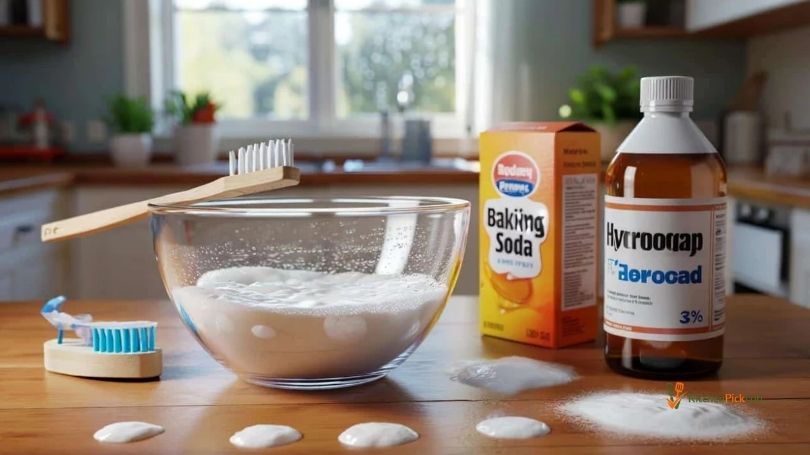
Yes, you can combine them safely. Mixing hydrogen peroxide and baking soda is safe as long as you combine them in an open bowl and use the paste right away. The one condition that flips this answer is closing the container, which causes dangerous pressure. Grab a small ceramic or glass bowl now so you don’t seal them inside a bottle.
When to mix hydrogen peroxide and baking soda
Your exact cleaning chore changes whether this combination is safe or useful.
| Your situation | Answer | Why |
|---|---|---|
| Tile grout cleaning | Yes | Gritty paste lifts dark dirt |
| Scorched baking sheet | Yes | Lifts burnt grease without scratching |
| Storing inside a bottle | No | Trapped gas expands and bursts |
| Treating open skin wounds | No | Peroxide slows tissue healing |
| Scrubbing dark wool carpets | No | Peroxide bleaches natural dark fibers |
| Yellow armpit stains on shirts | Yes | Oxygen lifts the sweat marks |
Gas release and surface safety
Chemical breakdown decides whether this mix works or causes trouble. Hydrogen peroxide has an unstable oxygen bond. Baking soda acts as a mild base and speeds up the breakdown of the peroxide into water and plain oxygen gas. The foaming you see is oxygen escaping into the air. That bubbling action helps lift dirt from hard surfaces, while the fine baking soda grains scrub away residue.
The trade-off here is cleaning power versus shelf life: the mixture works best while it fizzes, but it quickly loses all strength and turns into salty water. This reaction also creates a simple limit for household tasks: this paste bleaches organic dyes, so test it on a hidden corner of fabrics first. The shelf bottle in your bathroom is standard 3% household peroxide; hair developer runs much stronger at 6% to 12% and burns bare skin, so leave industrial strengths alone. If your goal is lifting a tough mineral crust or burnt pan stain, use this mix immediately; if you need a spray to store on a shelf for next week, keep the liquids separated.
How to prepare and apply the paste
- Pour baking soda into an open bowl. Start with 1/2 cup of baking soda in glass or ceramic, which provides the base without reacting to the container.
- Add 3% hydrogen peroxide slowly. Pour in 1/4 cup of standard 3% hydrogen peroxide while stirring with a spoon until it forms a spreadable, wet paste.
- Spread the paste over the stained surface. Apply an even layer across your stained grout, sink basin, or baking pan using a spoon or a gloved hand.
- Let the paste sit for 10 minutes. Allow the bubbles to lift surface oils, checking that the paste stays damp rather than drying to dust.
- Scrub with a stiff nylon brush. Work the abrasive grains against the grime using tight circular strokes until the underlying surface looks clean.
- Rinse away every trace with cold water. Flush the treated area with clean water, wiping with a wet sponge until no gritty film remains on the surface.
The storage trap
Sealing this fresh mixture inside a closed bottle is the worst mistake you can make. The chemical reaction releases oxygen gas continuously for several hours. This mistake costs you a ruined spray bottle, a chemical mess, and possible eye injury that requires emergency flushing. Always mix only what you need for one chore in an open bowl, and pour any leftover paste down the drain with running tap water.
When to stop and get help
- Dark mold spreads deeper than surface grout lines, which needs professional mold remediation because household pastes can’t reach inside wall cavities.
- The bubbling mixture splashes into your eye and stings, which requires immediate water flushing and advice from an eye doctor.
- You swallowed the mixture by accident, which calls for immediate guidance from Poison Control to prevent internal irritation.
- Fine marble or polished limestone shows dull spots after contact, meaning you need a stone restoration professional to repolish the surface.
Frequently asked questions
Can you store leftover paste in a spray bottle?
No, you must never store it in a closed bottle. The release of oxygen gas can cause the container to bloat or leak, making it messy to store. That gas buildup can cause the bottle to leak or become difficult to open. Mix your batch fresh each time.
How long does the cleaning mixture stay active?
About 15 minutes. The rapid bubbling shows the peroxide breaking down into water and oxygen. Once the visible fizzing stops completely, you’re left with simple baking soda and plain water. Apply the paste immediately after stirring it together for best results.
Is it safe to brush teeth with it?
Usually not for regular hygiene. While both ingredients appear in commercial oral care, raw baking soda is abrasive to dental enamel and peroxide can irritate tender gums. Ask your dentist before trying any home teeth-whitening pastes to avoid permanent enamel wear.
What happens if you get it on your hands?
Your skin may turn temporarily white and feel itchy. Standard 3% household peroxide can cause mild, temporary chemical burns on sensitive skin. Rinse your hands thoroughly with cool tap water and apply plain lotion. Wear thin cleaning gloves to prevent this irritation entirely.
Does it bleach colored clothes?
Yes, it often bleaches colored fabrics. Hydrogen peroxide acts as a mild oxygen bleach that lifts color from dyed cotton, silk, and wool. If you want to treat stains on colored garments, test a drop on an inside seam first.
Can you add vinegar to this combination?
No, never add vinegar to this recipe. Mixing vinegar with hydrogen peroxide creates peracetic acid, a harsh acid that irritates your eyes, nose, and throat. Stick strictly to baking soda and peroxide together in an open container.
What to do next
Mix a small batch of paste in an open bowl right away to treat your target stain. Expect active fizzing that lifts grease or discoloration, leaving a clean surface behind once rinsed. Stop immediately and call a doctor if any mixture splashes into your eyes or causes severe skin burning.