Can You Cook Barley In A Rice Cooker? The Simple Method
Yes, you can cook barley in a rice cooker without any special tools. The single condition that changes this outcome is using whole unhulled grain, which stays too tough unless soaked overnight first. Check your grain bag right now to confirm whether you bought pearl or hulled grain.
When you can cook barley in a rice cooker
Your cooker handles several grains easily if you match the grain cut to the right water volume.
| Your situation | Answer | Why |
|---|---|---|
| Pearl grain on regular setting | Yes | Polished grains soften within standard cycles. |
| Hulled grain on brown cycle | Yes | Bran layer needs longer cooking time. |
| Mixed white rice and grain | Yes | Pearl grain cooks at equal speed. |
| Mixed brown rice and hulled | Yes | Both grains need identical long cycles. |
| Quick-cooking pre-steamed grain | Yes | Finish fast using standard white setting. |
| Whole unhulled grain directly | No | Tough outer hull resists standard heat. |
Grain bran and water volume
The fibrous bran coating around each seed decides the cycle length and water ratio you need. Pearl grain has its outer hull and bran layer polished away, so hot water enters the core quickly. Hulled grain still carries its fibrous bran jacket, which acts as a shield against heat and steam. Because the bran slows moisture intake, hulled kernels take twice as much liquid and time. Basic machines shut off once the inner pot exceeds 212°F and water is absorbed. Pearl grains finish tender right as that water dries up, but hulled types remain chalky in the center on a short run. If you want a softer bite, you trade away the firm, separate chew that grain salads need. Check your machine’s inner pot for specific whole-grain lines. Use two cups of water per cup of pearl grain on the standard cycle, or two and a half cups for hulled grain on the brown rice cycle.
Cooking steps for tender grain
Follow these steps to cook pearl or hulled grains evenly in a standard countertop cooker. This procedure isn’t for unhulled barley straight from a farm feed bag, which remains inedible without industrial dehulling.
- Rinse the grain under cold tap water in a fine mesh strainer for thirty seconds. You’ll know it worked when the water running out the bottom turns clear instead of milky.
- Measure the water using two measuring cups of water for every one cup of pearl grain, or two and a half cups of water for hulled grain. The machine is ready when the liquid sits level inside the pot without dry grain sticking above the surface.
- Add cooking oil by pouring in one teaspoon of neutral vegetable oil or melted butter to stop starchy foam. You’ll see the oil spread into a thin sheen across the top of the water.
- Start the cycle by selecting the regular white rice setting for pearl grain, or the brown rice setting for hulled grain. The step works when the heating light turns on and the pot begins to heat.
- Rest the pot by leaving the cooker on the warm setting with the lid closed for ten minutes after the cook cycle finishes. A fluffy texture with no pooled liquid at the base shows it worked.
The foam overflow error
Photo: www.theincrediblebulks.com on Google
The most common mistake people make is skipping the rinse step and leaving out fat, which causes starchy foam to shoot through the steam vent. To avoid this, wash the grain until the cloudy powder leaves, and add half a teaspoon of cooking oil per cup of dry grain to break surface tension.
When to stop and get help
- A burnt electrical smell comes from the machine’s base, which points to a failed thermal fuse or melted wiring inside the housing.
- Steam leaks heavily from around the pot rim rather than the vent, meaning the rubber lid gasket is cracked or deformed.
- The machine never drops down to its warm setting and scorches the pot bottom, which happens when the internal thermal sensor fails.
- Water boils over even when filled below the minimum marked line, showing the steam vent is blocked.
When electrical parts fail or the machine overheats repeatedly, stop using the appliance and contact a certified small-appliance repair shop or buy a replacement unit.
Frequently asked questions
Can you cook barley in a rice cooker without soaking?
Yes, pearl grain needs no pre-soaking at all before running a normal cycle. Hulled grains also cook fine unsoaked if your machine has a brown rice setting, but pre-soaking for one hour gives a softer texture. Soaking cuts about ten minutes off the active cook time.
Why does barley boil over in a rice cooker?
Starch bubbles trapped in the pot create a thick lather that clogs the vent. Unlike white rice, grain starches produce a resilient foam during boiling. Washing the dry grains well and adding a few drops of vegetable oil breaks this foam before it reaches the lid.
How long does barley take in a rice cooker?
About 40 minutes for pearl grain on a standard cycle. Hulled varieties take about 60 to 75 minutes because they require the longer brown-rice profile to soften their bran. Times change depending on the machine wattage and whether you started with hot or cold water.
Is it safe to leave cooked barley on warm?
No, leaving cooked food sitting on warm for more than two hours can allow bacteria to multiply. Cool the grain and refrigerate it within two hours according to FoodSafety.gov’s safe storage guidance to keep food safe. Eat chilled leftovers within four days.
What happens if you use too much water?
The grain turns into a sticky, gummy porridge instead of light, separate beads. The pot can also vent hot, starchy water across your counter if filled past its capacity. If it comes out soggy, spread it flat on a baking sheet to let steam escape.
Does quick-cooking barley work in a rice cooker?
Yes, quick-cooking varieties work well using the fast-cook or regular cycle with a one-to-two water ratio. Because the grain was pre-steamed at the processing factory, it softens completely in roughly twenty minutes. Avoid long brown-rice cycles for this type, or it turns into mush.
What to do next
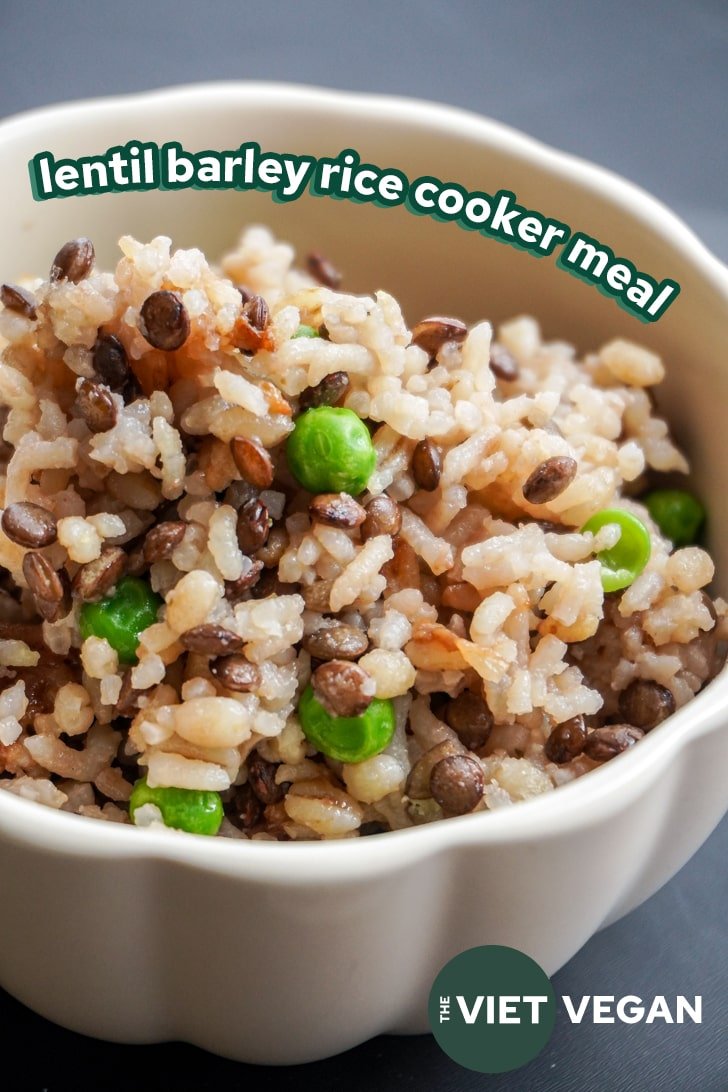
Measure out one cup of rinsed pearl grain with two cups of water into your cooker pot today. Expect plump, tender grains with a chewy bite once the ten-minute rest stage finishes. If you see foam pouring out of the vent during the boil, unplug the machine, let it cool completely, and wipe the lid valve clear.
Final Thoughts
Once you’ve settled on the right grain, you’ll find it’s a perfect base for your favorite meals. Try tossing the cooked pearls into a fresh garden salad or mixing them with roasted vegetables for a hearty dinner. You won’t regret keeping a batch ready in the fridge for quick, healthy additions.