
7 Common Kitchen Items You Should Clean More Often
Last Updated on September 14, 2026
Your kitchen is one of the busiest places in your home, but are you sure it’s as clean as it should be? You might be surprised to learn that some everyday kitchen items you use all the time actually need more attention than you give them.
Ignoring these can lead to germs, bad smells, and even affect the taste of your food. Keep reading to discover 7 common kitchen items you should clean more often—and how a little extra care can make a big difference for your health and your home.
Sponges And Dishcloths

Read More – 5 Easy Ways to Keep Kitchen Appliances Cleaner
Sponges and dishcloths are kitchen essentials. They clean your dishes, counters, and spills. You use them every day, yet many forget to clean them properly. These items can hold many germs without you noticing.
Why They Harbor Germs
Sponges and dishcloths stay damp for long periods. Moisture helps bacteria grow fast. Food particles left on them feed the germs. They create a perfect place for germs to multiply. Using dirty sponges spreads germs back onto surfaces. This can cause illness in your home.
Best Cleaning Practices
Rinse sponges and dishcloths after every use. Squeeze out water to keep them dry. Wash dishcloths in hot water every few days. Microwave damp sponges for one minute to kill bacteria. Replace sponges and cloths often to stay safe. Clean items help keep your kitchen healthy.
Cutting Boards
Cutting boards are essential tools in every kitchen. They provide a safe surface to chop vegetables, fruits, and meats. Despite their usefulness, cutting boards can harbor bacteria if not cleaned properly. Dirt and food particles get trapped in small grooves from knife cuts. This makes cutting boards a common source of germs and bacteria in the kitchen. Regular cleaning is necessary to keep them safe and hygienic.
Risks Of Cross-contamination
Cross-contamination happens when bacteria from raw foods spread to other foods. Using the same cutting board for raw meat and vegetables can transfer harmful germs. These germs cause foodborne illnesses. Wooden boards can absorb juices, making bacteria harder to remove. Plastic boards with deep cuts also trap bacteria. Cleaning cutting boards poorly increases the risk of sickness. It is vital to clean them well after each use.
Effective Sanitizing Methods
Wash cutting boards with hot, soapy water after every use. Use a scrub brush to reach deep grooves. Rinse well with clean water. Sanitize boards by wiping them with a solution of one tablespoon bleach per gallon of water. Let the solution sit for a few minutes before rinsing. Another option is using white vinegar or lemon juice to kill germs. Air-dry boards completely to prevent moisture buildup. Replace boards with deep cuts or cracks to stay safe.
Refrigerator Handles
The refrigerator handle is one of the busiest spots in your kitchen. It gets touched many times a day. Dirt, germs, and bacteria can gather on its surface quickly. This makes it a common place for spreading illness. Cleaning the handle often keeps your kitchen safer and fresher.
High-touch Surface Concerns
Refrigerator handles are a high-touch surface in every home. Hands carry oils, food residue, and germs. These can stay on the handle for hours. Family members and guests use the handle many times daily. Germs from hands can move to other surfaces. This raises the risk of sickness spreading in your home.
Kids often touch the handle with sticky or dirty hands. Even clean hands can transfer germs after touching phones or doorknobs. The handle can become a hotspot for bacteria and viruses. Ignoring this area can lead to frequent contamination in the kitchen.
Daily Wiping Tips
Wipe the refrigerator handle every day. Use a cloth dampened with warm soapy water. This removes oils and dirt effectively. For better disinfection, use a mild bleach solution or kitchen-safe disinfectant. Avoid harsh chemicals that can damage the handle surface.
Dry the handle with a clean towel after wiping. This stops germs from sticking to wet spots. Keep disinfecting wipes nearby for quick clean-ups. Remind family members to wash hands before and after touching the handle. Regular cleaning keeps your kitchen healthier and your handle looking new.
Sink Faucets
Sink faucets are one of the most used items in the kitchen. Every day, hands touch faucets many times. Water runs through them constantly. These faucets can hold dirt and germs. Cleaning them often keeps your kitchen safer and fresher.
Bacteria Hotspots
Faucets are a perfect place for bacteria to grow. The handles and spout have tiny crevices. These spots trap moisture and food particles. Bacteria and germs thrive in these conditions. The faucet surface can carry harmful germs. These germs may spread to your hands and food.
Proper Disinfecting Techniques
Use a cloth or sponge with warm soapy water. Clean all parts of the faucet, especially handles. Rinse with clean water to remove soap. Use a disinfectant spray or wipes made for kitchens. Let the disinfectant stay on the surface for a few minutes. Wipe off with a clean cloth. Avoid harsh chemicals that can damage the faucet finish. Regular cleaning stops germs from building up.
Microwave Interiors
Read More – 7 Maintenance Tips to Make Kitchen Products Last Longer
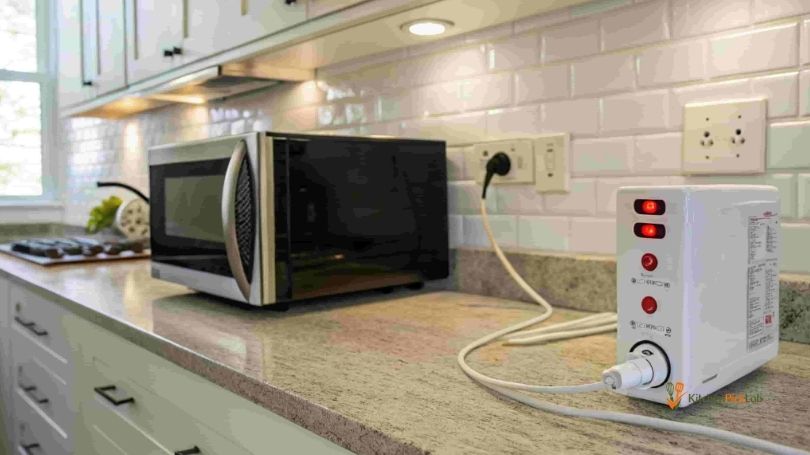
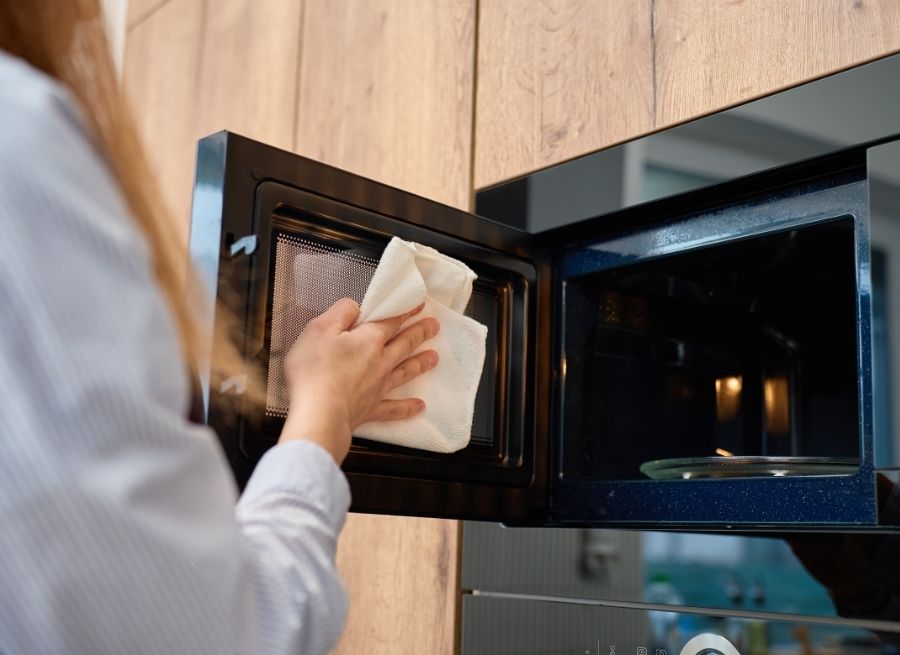
The microwave is one of the most used kitchen appliances. It heats food quickly and saves time. Over time, the inside of the microwave gets dirty. Food splashes and steam leave marks. These marks can cause smells and even affect how the microwave works.
Cleaning the microwave interior often keeps it fresh and safe for cooking. It also helps the appliance last longer. Let’s look at why the microwave interior gets dirty and how to clean it fast.
Food Residue Buildup
Microwaves heat food by causing water molecules to move fast. This creates steam and can cause food to pop or spill. Small bits of food stick to the walls and ceiling inside.
Leftover food can dry and become hard to remove. This buildup traps odors and can cause bad smells. Over time, it can also cause stains or damage the microwave’s surface.
Quick Cleaning Hacks
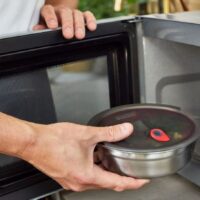
Cleaning the microwave doesn’t have to take long. Use a bowl filled with water and a few slices of lemon or a splash of vinegar. Heat it in the microwave for about five minutes. The steam loosens food residue.
Carefully remove the bowl and wipe the inside with a soft cloth or sponge. The dirt will come off easily. Clean the turntable by taking it out and washing it with soap and water. Repeat this quick cleaning once a week to keep the microwave fresh.
Trash Can Lids
Trash can lids often get overlooked during cleaning routines. They collect dirt, spills, and germs quickly. Regular cleaning keeps your kitchen fresher and healthier. Dirty lids can cause bad smells and spread bacteria. Simple care makes a big difference for your kitchen hygiene.
Odor And Germ Sources
Trash can lids trap food scraps and moisture. This creates a perfect place for germs to grow. The lid’s surface touches hands often, spreading bacteria. Leftover spills and sticky residue add to the problem. These factors cause unpleasant odors in your kitchen.
Routine Cleaning Schedule
Clean trash can lids at least once a week. Use warm water and mild soap for wiping. For extra cleanliness, use a disinfectant spray or wipes. Dry the lid thoroughly to avoid mold growth. Regular cleaning stops smells and keeps germs away.
Reusable Water Bottles
Reusable water bottles are popular for saving money and reducing plastic waste. People carry them everywhere, staying hydrated throughout the day. Many assume these bottles stay clean after a quick rinse. That’s not true. They can hide germs and dirt that harm your health.
Mold And Bacteria Growth
Water bottles create the perfect place for mold and bacteria. Warm, damp conditions encourage germs to grow fast. Dark corners inside the bottle and the cap trap moisture. This environment causes unpleasant smells and tastes. Drinking from a dirty bottle can lead to stomach problems and infections.
Thorough Cleaning Tips
Clean your water bottle every day to avoid germs. Use hot water and soap for the best results. Scrub the inside with a bottle brush to reach all areas. Remove the cap and clean it separately, as mold hides there too. For deep cleaning, soak the bottle in a vinegar and water mix. Rinse well and let it dry completely before use. Avoid leaving water in the bottle overnight.
Read More – How Do You Clean an Air Fryer Basket Properly?
Frequently Asked Questions
Which Kitchen Items Need Cleaning Most Often?
Common items needing frequent cleaning include cutting boards, sponges, sink drains, refrigerator handles, dishcloths, and blender parts. These areas harbor bacteria and food residue that can cause contamination.
How Often Should I Clean Kitchen Sponges?
Kitchen sponges should be cleaned or replaced every 1-2 weeks. They accumulate bacteria quickly due to moisture and food particles, making regular cleaning essential for hygiene.
Why Clean Refrigerator Handles Regularly?
Refrigerator handles are touched frequently and collect germs from hands. Cleaning them often prevents the spread of bacteria and keeps your kitchen healthier.
How To Clean Cutting Boards Effectively?
Use hot, soapy water and scrub cutting boards after each use. For deeper cleaning, apply a mixture of vinegar and baking soda to remove bacteria and odors.
Conclusion
Keeping your kitchen clean helps protect your health and home. Dirt and germs hide in many common items. Cleaning these often keeps your space fresh and safe. Small efforts make a big difference every day. Start with these seven items and build good habits.
A clean kitchen feels nicer and works better. Stay consistent, and your kitchen will shine. Simple steps lead to a healthier life.