Can Ceramic Bowls Go In The Microwave? How to Check Safety
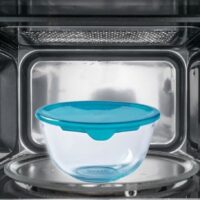
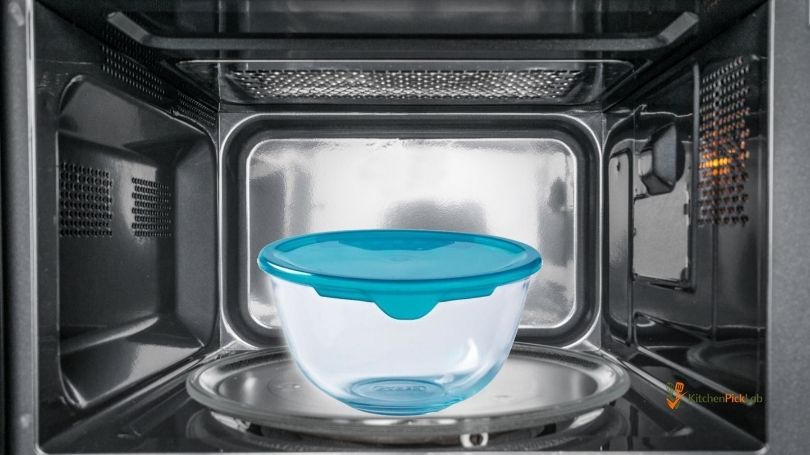
Yes, but only if they carry a microwave-safe label or pass a quick water test. A metallic rim, an unglazed base, or trapped moisture flips that answer instantly to an unsafe no. You should check the bottom stamp of your dish right now before heating your food. Ceramic bowls can go in the microwave safely if the glaze and clay type don’t absorb excessive microwave energy, which would cause the dish to overheat.
When it’s yes and when it’s no
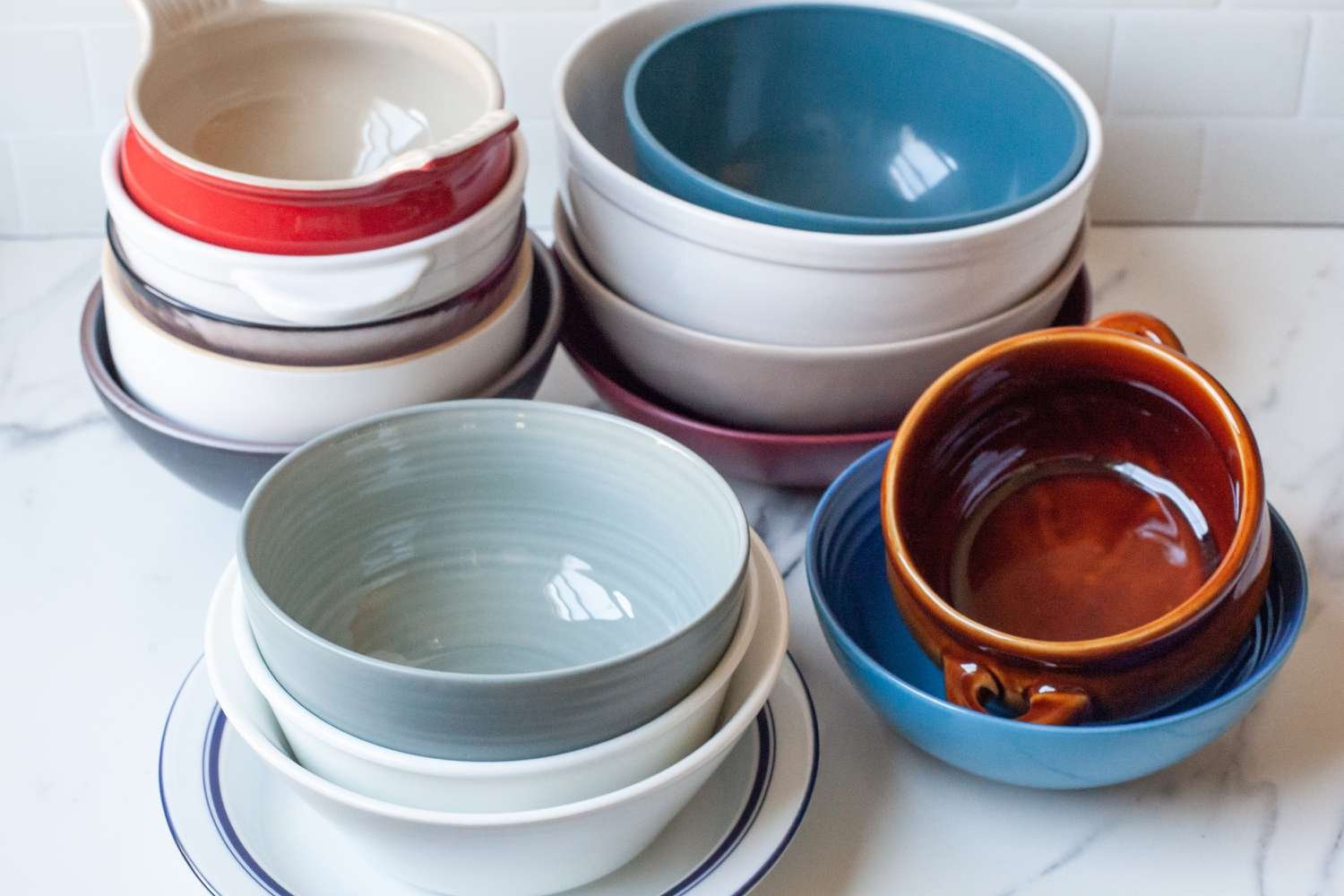
Your bowl’s construction and finish dictate whether it tolerates microwave energy.
| Your situation | Answer | Why |
|---|---|---|
| Factory stamp says microwave safe | Yes | Tested clay and glaze resist heat |
| Gold, silver, or platinum paint | No | Metal causes sparks and fires |
| Handmade raw unglazed pottery | No | Absorbs water and cracks quickly |
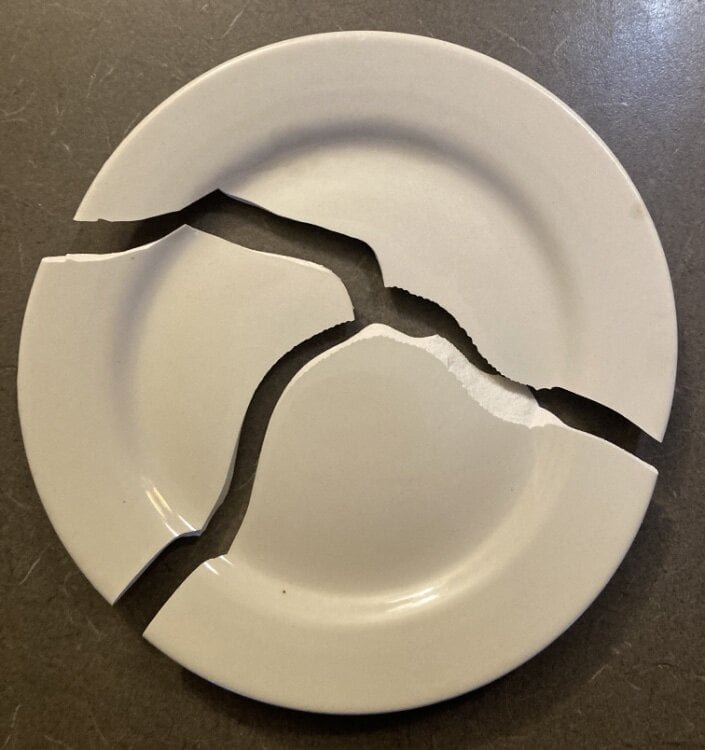
| Hairline crack in the glaze | No | Trapped water turns into steam |
| Solid plain stoneware with glaze | Yes | High-fired clay doesn’t absorb water |
| Antique or vintage decorative bowl | No | Glaze may release toxic lead |
What controls microwave safety in ceramics
Porosity and mineral content decide if a ceramic dish survives heating. High-fired ceramics like stoneware and porcelain bake at temperatures above 2,100°F during manufacturing, which melts the silica and fuses the clay into a solid, glass-like mass. Low-fired earthenware stays porous, meaning it holds microscopic water pockets from dishwashing. When microwave radiation passes through the bowl, it energizes water molecules. A dry, non-porous ceramic absorbs minimal microwave energy, while a porous bowl with high moisture content absorbs energy directly into its walls.
The glaze compounds matter just as much as the clay body. Certain minerals, especially iron and lead, heat rapidly or leach when exposed to microwaves and acidic foods. The FDA guidance on lead in tableware cautions against cooking with traditional or imported pottery that doesn’t meet safety standards. Metallic trims made from real gold or silver reflect microwaves, creating electrical arcs that scorch the dish or ignite grease. There’s also a trade-off between thermal durability and aesthetic charm: artisanal dishes often use rustic, low-fire glazes that look unique but fail completely under thermal stress.
If the ceramic remains relatively cool while the water inside gets hot, the bowl is likely safe; if the ceramic becomes significantly hotter than the water, the bowl is absorbing microwave energy and is unsafe.
Steps to test your ceramic bowl safely
Follow these steps to confirm your unmarked bowl is safe before using it for cooking.
- Fill a known microwave-safe glass cup with 8 fluid ounces of cold tap water. The glass should be completely plain without prints.
- Place the test cup inside your empty ceramic bowl, making sure the water doesn’t spill into the bowl itself. The bowl must remain completely dry.
- Run the microwave on 100% power for 60 seconds, which assumes a standard 1,000-watt unit. If you use a 700-watt model, heat for 90 seconds instead.
- Touch the water first using your fingertip to ensure it absorbed the heat. The water will feel steaming hot.
- Feel the surface of the ceramic bowl carefully with your palm. The bowl should feel completely cool to the touch.
- Inspect the rim and base for any warm spots or sweat. If the ceramic is cold, the dish passed the test.
Heating a damaged bowl
The single most common mistake is microwaving a bowl that has a hairline crack or chipped rim. People assume a tiny flaw is purely cosmetic, but dishwashing forces soapy water deep into the exposed, porous clay beneath the surface glaze. When you run the microwave, that trapped liquid converts into expanding steam inside the ceramic wall. This sudden pressure build-up causes the bowl to shatter violently across your microwave turntable, destroying your meal and ruining the appliance cavity. Replacing the shattered dish and cleaning baked-on food wastes time and money, while sharp fragments present a severe cut hazard. Always run your fingernail over both sides of the bowl; if your nail catches on an interior fracture line, retire the dish from heating entirely.
When to stop and get help
- The ceramic sparks or flashes immediately when the cycle starts, which signals hidden metallic pigments in the glaze.
- The microwave cavity shows scorched paint or cracked interior walls from an exploding dish, requiring a certified appliance repair technician.
- The bowl develops hot spots while the food stays cold, meaning the clay formula absorbs excessive energy.
- You suspect vintage pottery contains toxic minerals, which requires testing with a chemical lead-swab kit before any kitchen use.
Mains-powered equipment carries lethal voltage even when unplugged, so never open the microwave housing to replace internal parts yourself.
Frequently asked questions
Can unglazed ceramic go in the microwave?
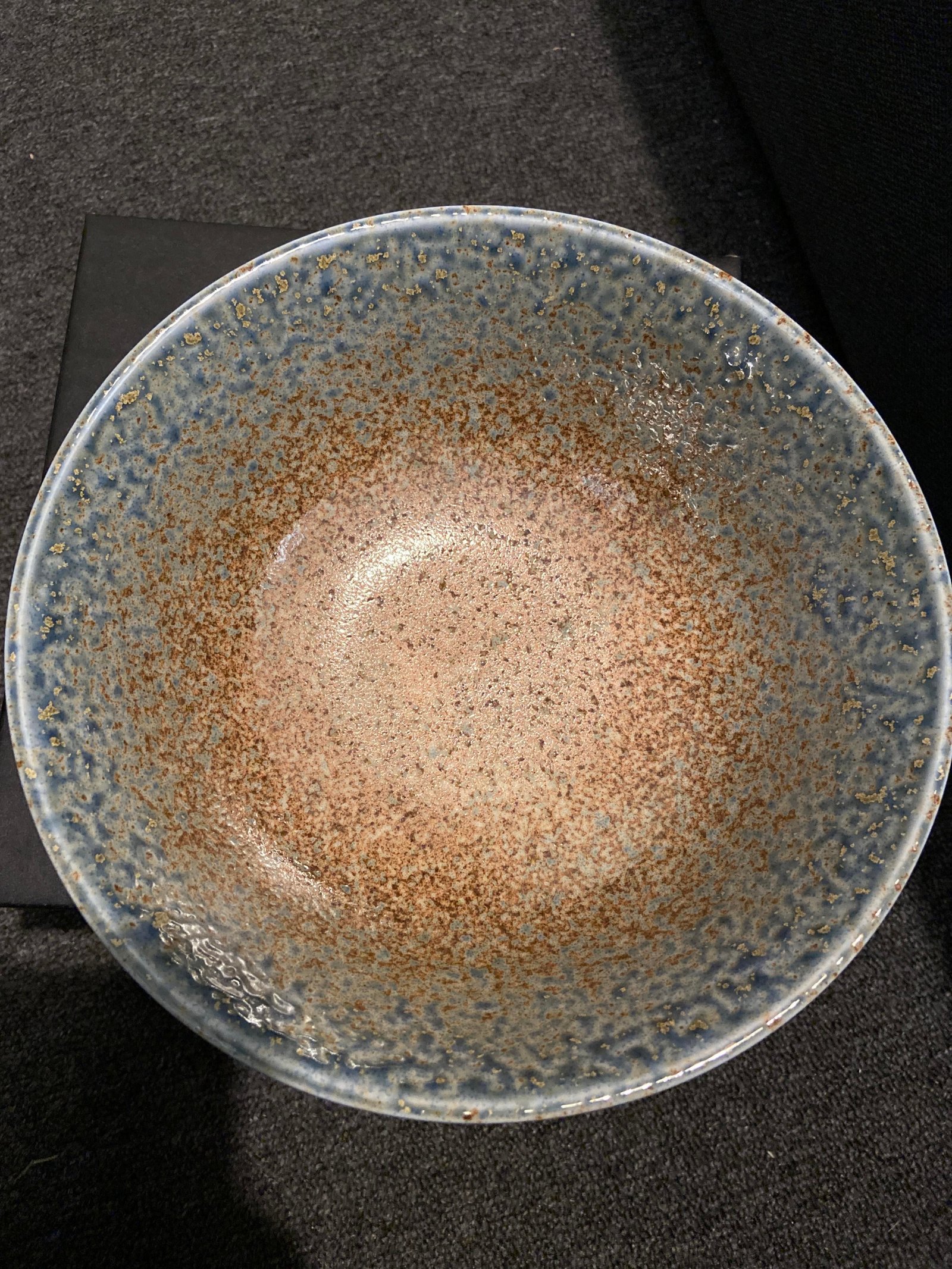
No. Unglazed ceramic absorbs moisture every time you wash it. When heated, the water inside the clay turns into steam, which makes the dish burning hot and can cause it to split in half.
Why did my ceramic bowl spark in the microwave?
Your bowl contains metal. Many vintage or decorative pieces use real metal leaf or metallic oxide minerals in their glazes, which reflect microwaves and cause electrical arcing across the painted surface.
How long can you microwave a ceramic bowl?
Heating longer than that allows thermal conduction from hot food to warm the dish significantly.
Is it safe to microwave cold ceramic straight from the fridge?
What happens if you microwave a cracked ceramic dish?
The dish can shatter. Moisture trapped inside the internal clay body boils into steam, building internal pressure until the structural integrity fails and blows the bowl apart inside your appliance.
Does it matter if the bowl gets hotter than the food?
Yes. If the bowl gets hotter than the food, the ceramic is absorbing the microwave energy directly. That means the clay is unsafe for microwave use and presents a severe burn risk.
What to do next
Check the base of your ceramic bowl for an embossed microwave-safe symbol or label before heating anything today. A safe bowl stays completely cool while your food heats evenly throughout. If the surface becomes hot, sparks, or shows a fresh crack, stop the microwave immediately and switch your food into heat-resistant glassware.