Can You Thaw Chicken In The Microwave? The Safe Way To Defrost
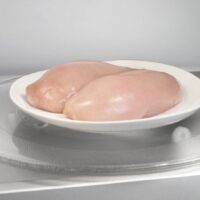
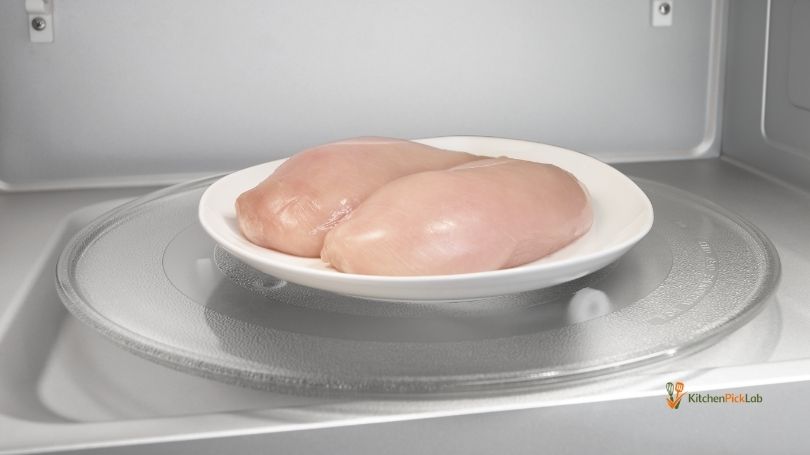
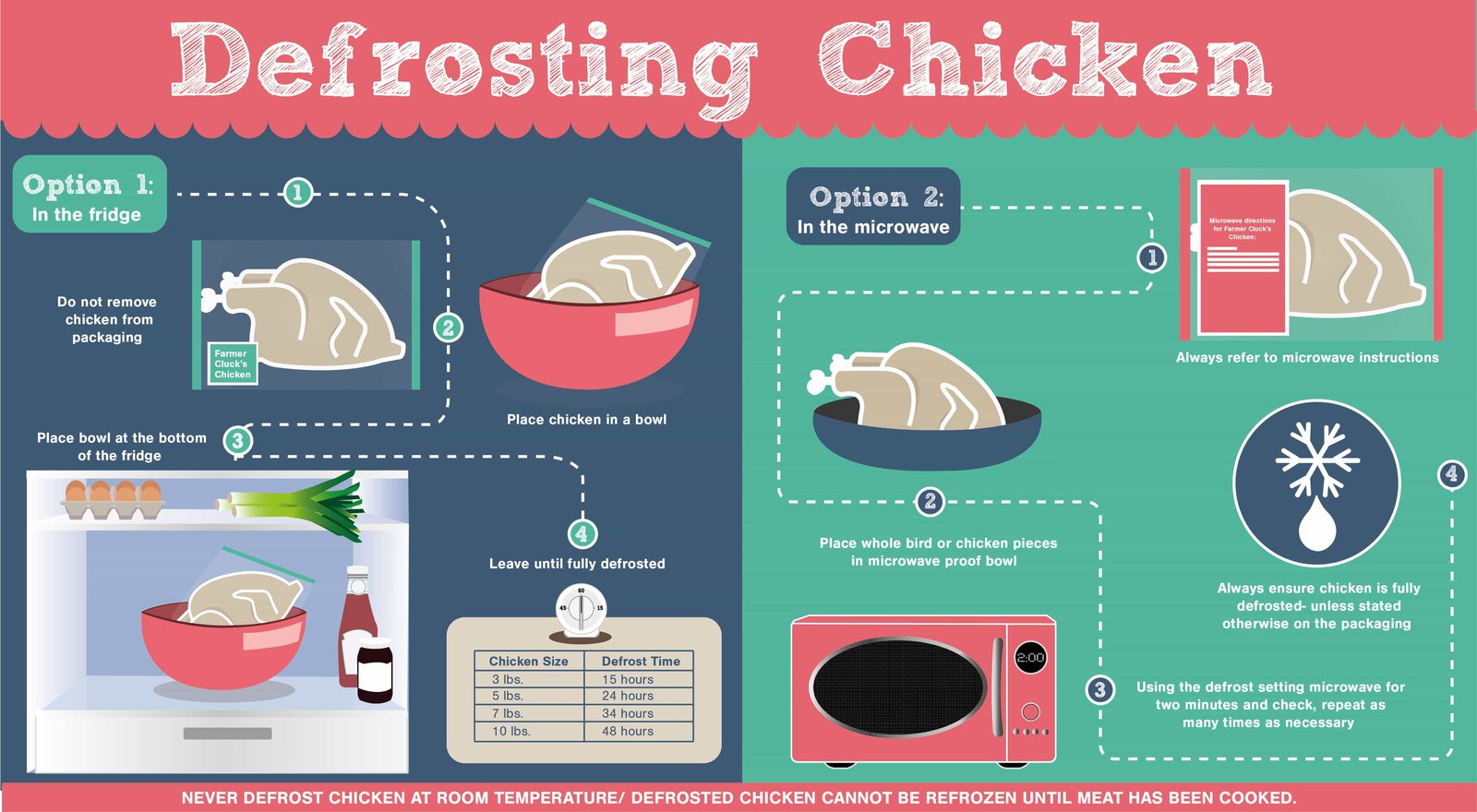
Yes, but you must cook the meat immediately after defrosting it. Place the chicken in its original packaging or on a microwave-safe plate to catch juices. Begin cooking immediately after the cycle ends.
When to microwave chicken to thaw it
How you plan to prepare and cook your meat determines whether defrosting in a microwave is safe.
| Your situation | Answer | Why |
|---|---|---|
| Cooking chicken immediately in a pan or oven | Yes | Heat kills bacteria before they multiply |
| Prepping a whole frozen bird over five pounds | No | Outer meat cooks while inside stays frozen |
| Defrosting boneless breasts for immediate skillet cooking | Yes | Small cuts thaw evenly in short intervals |
| Planning to marinate raw meat in the fridge | No | Warm spots let harmful bacteria multiply quickly |
| Cooking directly in a slow cooker today | No | Slow cookers keep warm meat unsafe too long |
| Thawing ground chicken to brown right now | Yes | Thin layers thaw fast with regular flipping |
How uneven heat creates safe limits
Defrosting works by cycling microwave energy on and off, typically at 30% power. This lower setting gives ice crystals time to melt without boiling the outer meat. Microwaves heat outer layers first, creating warm pockets while the center stays frozen solid. Those warm spots quickly reach temperatures between 40°F and 140°F. The USDA safe defrosting guidelines require cooking poultry right away because bacteria like Salmonella multiply rapidly in that temperature range.
Choosing this fast defrost method involves a clear trade-off: you save hours compared to refrigerator thawing, but you sacrifice texture because the edges often turn gray, tough, and slightly cooked. This fast method isn’t for anyone who wants to dry-brine meat, marinate raw cuts overnight, or roast a whole chicken evenly. Microwave thawing works for small, separated pieces; defrost solid blocks thicker than two inches in the refrigerator.
Steps for thawing safely in minutes
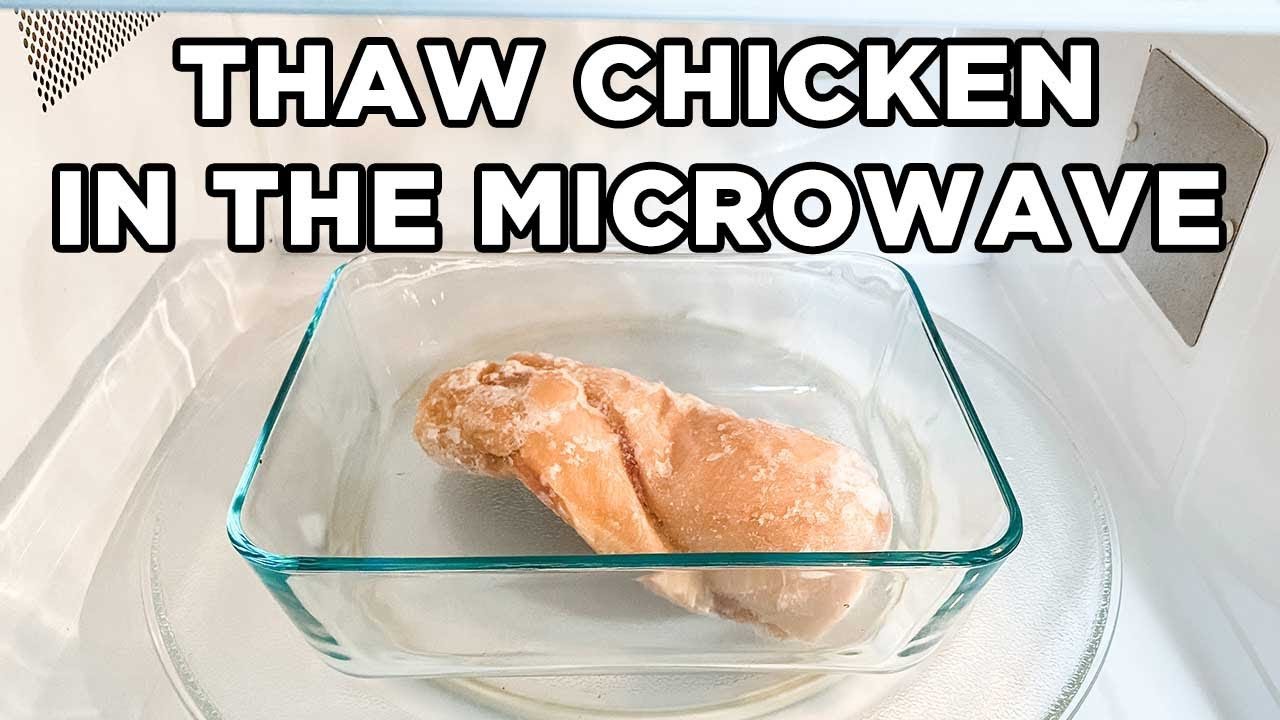
- Remove all store packaging completely. Take off plastic wrap, foam trays, and butcher paper, then set the chicken on a deep microwave-safe ceramic or glass plate that catches melting juices.
- Set power to 30 percent or Defrost. Consult your microwave’s manual for specific defrosting instructions based on weight.
- Turn and separate the pieces halfway. Open the door, separate any pieces stuck together, and flip each piece over so cold centers face outward.
- Test the meat for cold flexibility. Press the thickest section with a clean fork; the meat should bend easily with no hard ice core remaining.
- Transfer the poultry directly to heat. Cook the thawed chicken immediately in your skillet, pot, or oven until a meat thermometer reads 165°F in the thickest part.
Leaving defrosted meat on the counter
Don’t let microwave-thawed chicken sit on the counter. Bacteria multiply fast enough to cause food poisoning, forcing you to throw away dinner and waste the cost of your groceries. Avoid this loss by having your pan, oil, and seasonings ready to go before you touch the microwave buttons.
When to stop and get help
- The chicken smells sour, fishy, or like ammonia after melting the surface ice, which means spoilage occurred before freezing.
- Your microwave emits a burning electrical smell or sparks while running the low-power cycle, signaling internal component damage.
- A whole turkey or large roaster bird has been in the microwave for twenty minutes with no sign of the core thawing.
Stop using the appliance if it sparks, smells of burning wiring, or fails to heat.
Frequently asked questions
Can you thaw chicken in the microwave safely?
Yes. It’s completely safe as long as you cook the chicken right after thawing. Microwaving creates warm spots on the meat, so leaving it on the counter allows bacteria to grow rapidly. Move it straight from the microwave into a hot skillet, oven, or pot.
How long does chicken take to thaw in the microwave?
About two to three minutes per pound. These times assume a 1,000-watt microwave set to Defrost or 30% power. Check thin cuts early to prevent edges from cooking before the center softens.
Can you refreeze chicken thawed in the microwave?
No. You can’t safely refreeze raw poultry thawed this way without cooking it first. Defrost cycles heat outer edges into unsafe temperatures where bacteria multiply. Cook the meat thoroughly until it reaches 165°F, let it cool completely, and then freeze the cooked portions.
What happens if you leave thawed chicken sitting out?
Bacteria will multiply rapidly on the warm outer edges of the meat. Defrosting raises surface temperatures well above 40°F. If left out for more than two hours, the chicken becomes a food safety hazard and you’ll have to throw the entire cut away.
Is it safe to thaw frozen chicken in water instead?
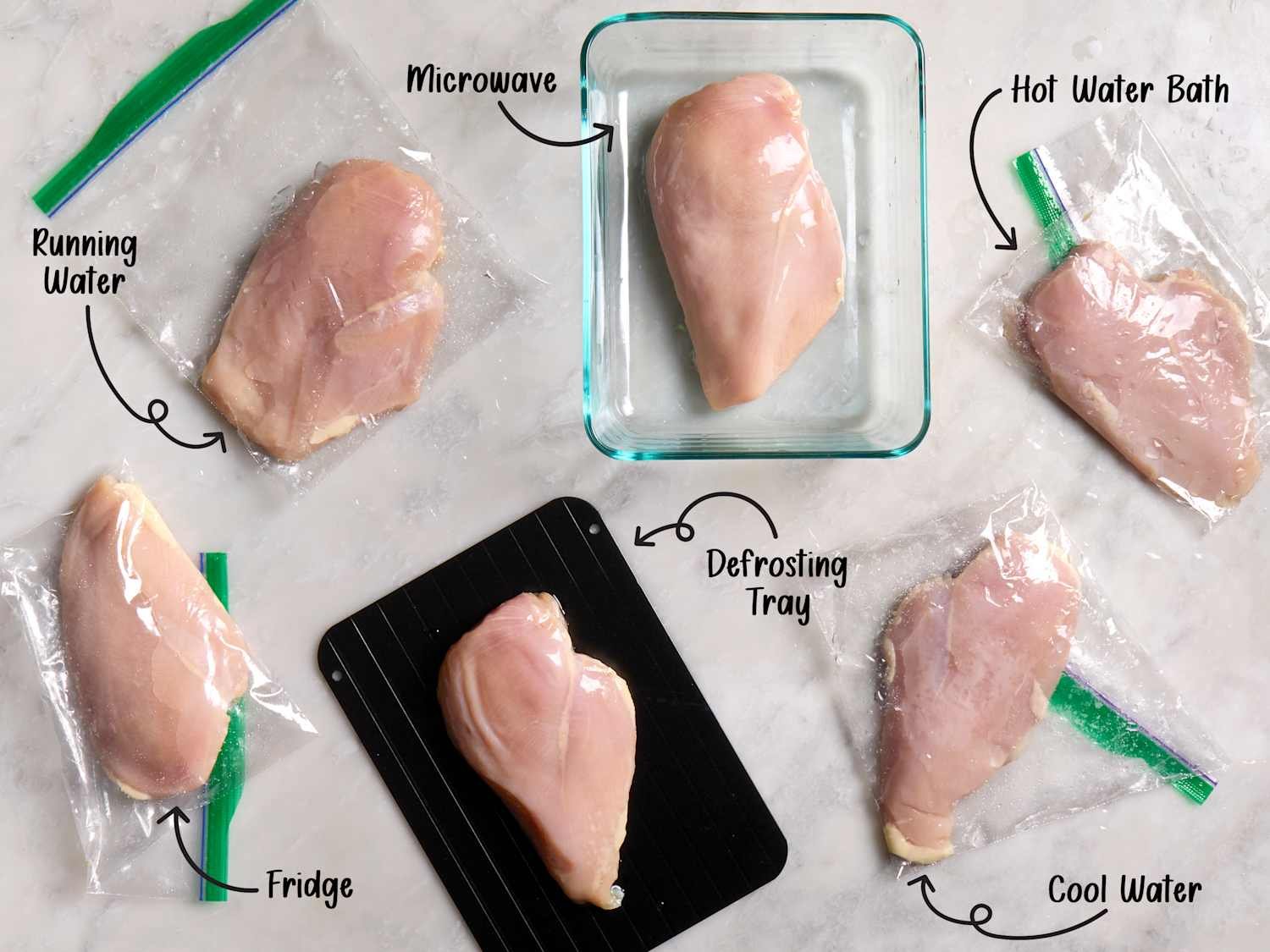
Yes. Submerge the chicken in cold tap water inside a leak-proof bag, changing the water every 30 minutes. This takes about one hour for small packages up to three pounds. Never use hot water, as hot temperatures rapidly warm outer surfaces into unsafe zones.
Does microwave defrosting ruin the texture of chicken?
Yes, it often causes edges to dry out and toughen. Microwaves heat outer tissue faster than frozen centers, partially cooking thin ends while the middle stays frozen. For delicate recipes where moisture matters, thaw chicken inside your refrigerator overnight for roughly 24 hours instead.
Can you cook chicken straight from frozen without thawing?
Yes. You can cook frozen cuts directly in the oven or on a stovetop, though it takes about 50 percent longer. This assumes standard portions like chicken breasts or thighs. Always verify the center reaches a safe internal temperature of 165°F with a meat thermometer.
What to do next
Place your chicken on a microwave-safe plate right now and run the defrost setting for two minutes per pound. Expect the meat to be thawed enough to separate or begin cooking, as microwave defrosting often leaves the center partially frozen. If the meat smells sour or shows gray slime once surface frost melts, throw it out immediately.