Can Pyrex Glass Go In The Microwave? Safety Rules Explained
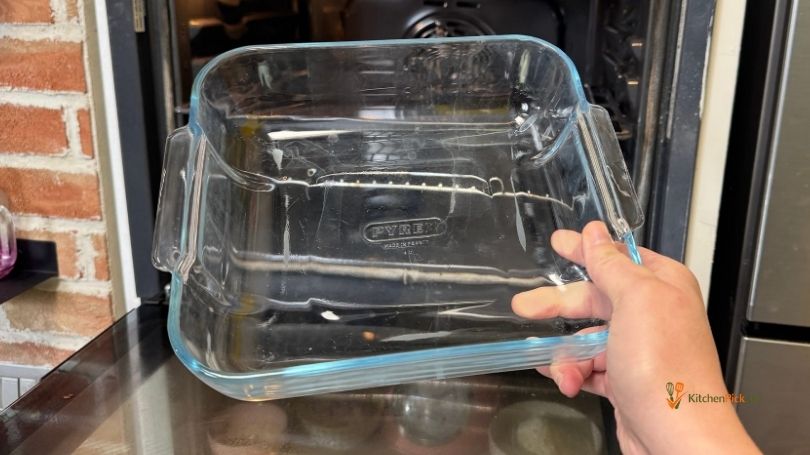
Yes, Pyrex can safely heat food in your microwave. The single condition that flips this answer is sudden temperature change, which shatters the material instantly. Check your dish right now for chips, cracks, or deep scratches before heating anything today. You can safely use authentic pieces in the microwave, provided you avoid rapid thermal shock.
When you can microwave Pyrex glass
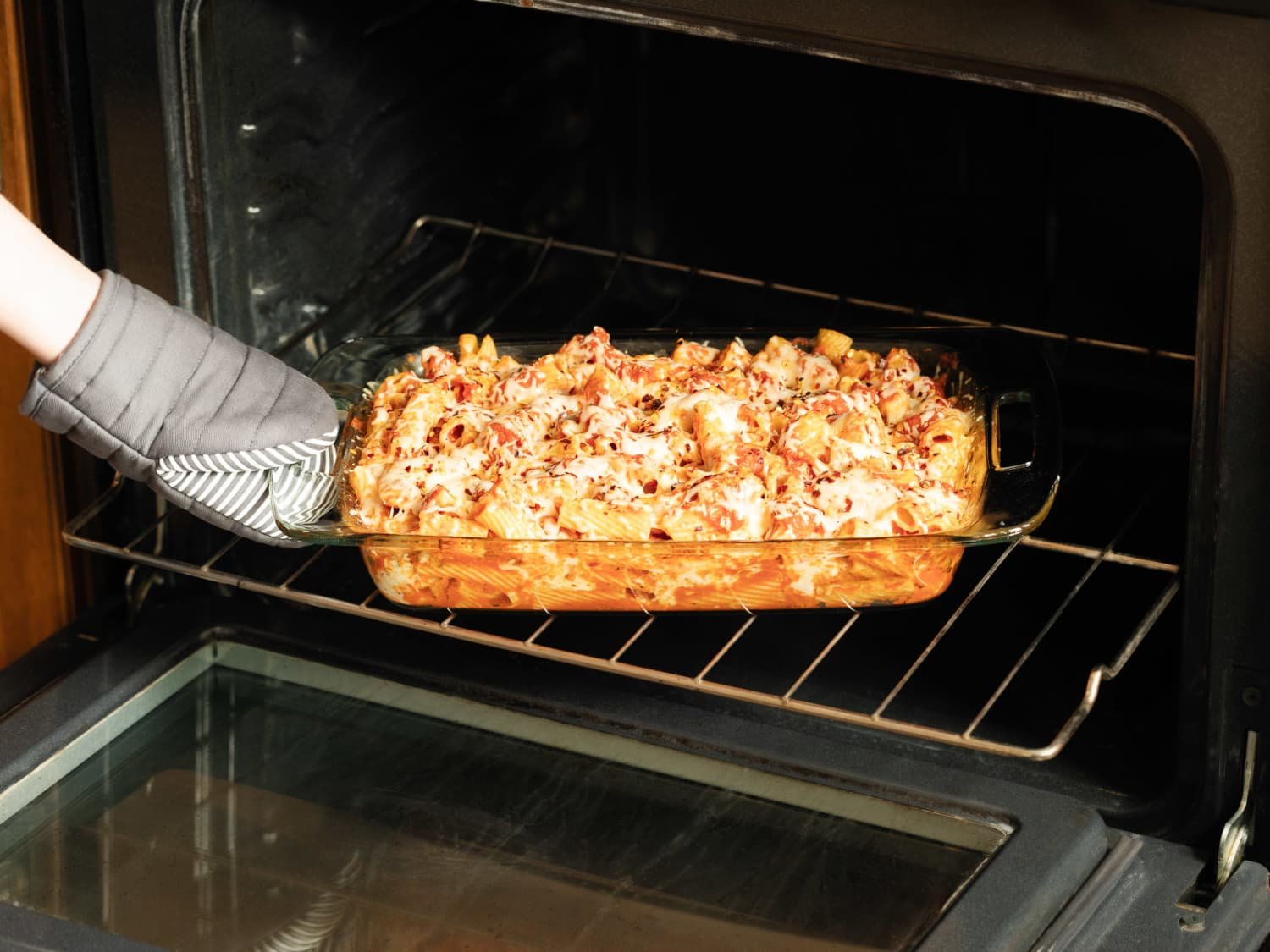
Your container’s condition and temperature decide whether it survives heating.
| Your situation | Answer | Why |
|---|---|---|
| Room temperature dish with food | Yes | Standard heat expands glass slowly without damage |
| Dish straight from the freezer | No | Rapid temperature swings cause immediate stress fractures |
| Glass has visible scratches or chips | No | Physical damage weakens structural resistance to heat |
| Heating soup with plastic Pyrex lid | Yes | Lids resist warping when loosely vented first |
| Empty glass bowl heated alone | No | Empty glass can overheat and crack due to thermal stress from the magnetron’s reflected energy. |
| Vintage dish with metallic rim paint | No | Metal trims spark and crack microwave glass |
Why thermal shock breaks cookware
Thermal shock happens when one part of your glassware expands faster than the section next to it. Glass expands when hot and shrinks when cold. When you put an icy dish into a hot appliance, the outside surface expands while the cold core stays rigid. This tension pulls the glass apart, causing it to snap or shatter violently. Modern consumer pieces sold in North America use tempered soda-lime glass, which resists physical drops well but handles sudden temperature swings worse than old borosilicate formulas.
Trade-offs exist between these two glass formulas. Soda-lime resists blunt impacts against kitchen counters, but it tolerates smaller rapid temperature shifts than borosilicate. The Consumer Product Safety Commission investigates reports of kitchen glassware shattering from rapid temperature shifts, making careful handling necessary. If your food is chilled or frozen, thaw it in the refrigerator first; if your food is already room temperature, microwave it directly without worry.
Heating food safely in glass
Follow these steps to heat your meal safely without damaging your glassware:
- Inspect the entire surface for any chips, hairline fractures, or deep scratches that compromise structural strength. You’ll see smooth, clear edges without cloudy white impact marks.
- Add a splash of liquid such as two tablespoons of water or broth to dry foods so steam cushions the heating process. Moisture should cover the bottom surface evenly.
- Leave the lid unsealed by setting it crooked or popping open its built-in steam vent. Steam should escape freely around the edges without building pressure.
- Heat in short intervals of two to three minutes at 1,000 watts rather than running continuous high power. Food should show steady steam rather than aggressive, popping hot spots.
- Set the hot dish down on a dry cloth potholder or wooden cutting board. The resting surface stays dry without drawing heat away quickly.
This method isn’t for people who need to boil dry ingredients or caramelize sugars, because concentrated syrups create intense hot spots that break soda-lime containers.
The cold counter trap
Setting a hot glass container directly onto a cold, wet granite or steel countertop is the most common mistake. This rapid contact cools the bottom instantly while the sides stay boiling hot. That sudden localized contraction creates a loud snap and shatters the dish, wasting your dinner and costing a significant amount for a replacement dish. Keep a dry fabric pot holder next to your microwave, and inspect the counter’s surface moisture before setting the hot glass down.
When to stop and get help
Some glassware problems can’t be fixed at home.
- Deep scratches along the bottom surface, because uneven tension will eventually crack the base under moderate heat.
- Chipped rims or cracked handles, which expose sharp edges and leak stress into the surrounding material.
- Persistent cloudiness from chemical etching, which permanently thins the outer glass layer.
Stop using damaged glass immediately, discard it in your regular trash, and contact the manufacturer’s customer support line for warranty replacements on broken tempered sets.
Frequently asked questions
Can Pyrex glass go in the microwave with the plastic lid on?
Yes, as long as you unseal the lid to let steam escape freely. Snapping the lid tight creates internal air pressure that warps the plastic or pops the top off aggressively during heating.
Why did my glass dish explode in the microwave?
Thermal shock caused the explosion because one area of your dish changed temperature much faster than the rest. A cold dish, an empty dry spot, or contact with moisture creates stress fractures that break the vessel.
How long can you microwave food in glass dishes?
About five to eight minutes at 1,000 watts is standard for reheating leftovers. If you must run longer cook times, pause every four minutes to stir the ingredients so heat spreads evenly through the food.
Is it safe to microwave cold glass straight from the fridge?
No, putting a chilled container into a microwave risks sudden structural failure. Let your refrigerated leftovers sit on the counter for about ten minutes to take the chill off before turning on the appliance.
What happens if you run an empty glass dish in the microwave?
The glass can crack because heating an empty vessel causes rapid, uneven thermal expansion that the glass can’t withstand.
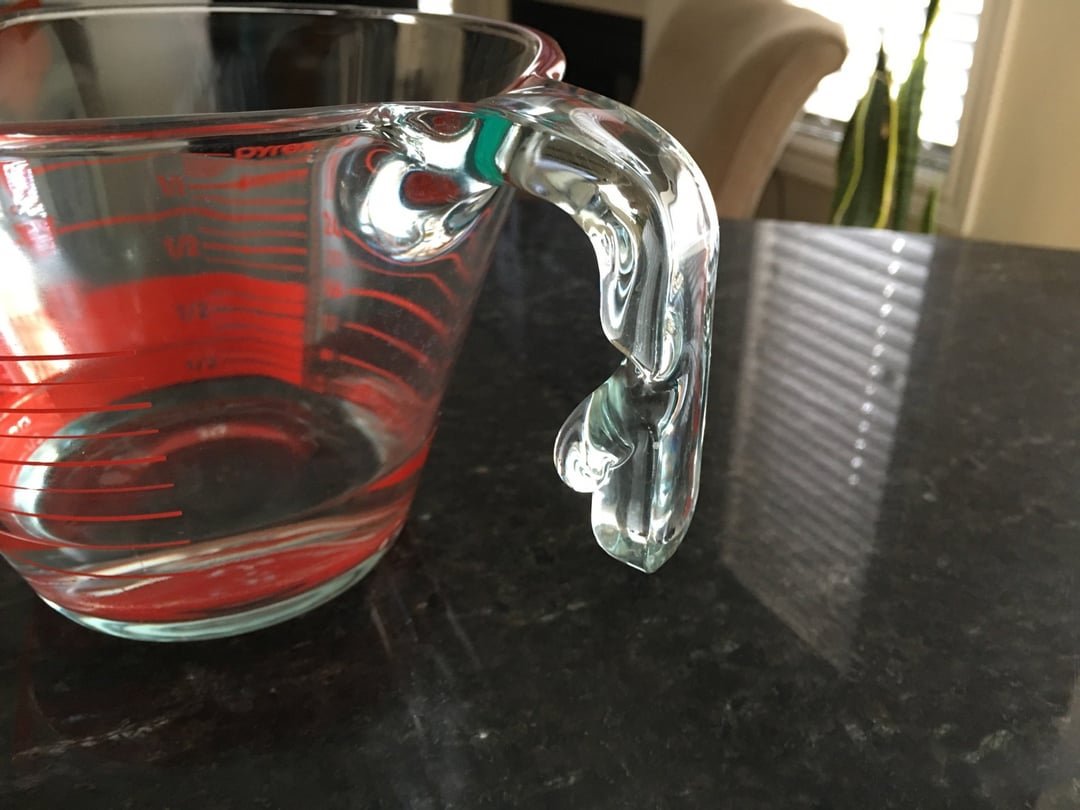
Does it matter if the brand logo is in uppercase or lowercase letters?
Yes, lowercase logos usually indicate modern tempered soda-lime glass, while all-caps logos often mark vintage borosilicate glass. Both handle microwave heat well, but vintage borosilicate tolerates rapid temperature shifts much better.
What to do next
Place your room-temperature dish on a dry hot pad and begin heating your food in short intervals. Expect steady, steaming leftovers with completely clear, intact glass around the edges. If you hear a sharp ticking noise or notice small fracture lines forming, stop the appliance immediately, let the unit cool down, and dispose of the broken container.