What Is the Best Cutting Board Material for Daily Use?
Last Updated on September 9, 2026
Choosing the right cutting board can make a big difference in your kitchen. You want something that’s easy to clean, won’t dull your knives, and lasts through daily use.
But with so many materials out there, how do you know which one is best for you? You’ll discover the pros and cons of popular cutting board materials. By the end, you’ll feel confident picking the perfect board that fits your cooking style and keeps your kitchen safe and efficient.
Keep reading to find out which cutting board material suits your daily needs best.
Types Of Cutting Board Materials
Read More – How Do You Clean a Wooden Cutting Board Properly?
Choosing the right cutting board material matters for daily kitchen use. Different materials affect how safe and easy food prep can be. Each type has benefits and downsides. Understanding these helps pick the best fit for your needs.
Wood Cutting Boards
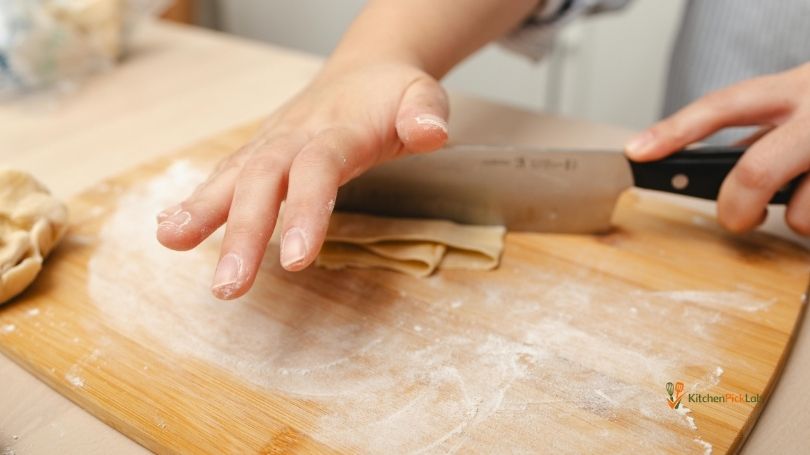
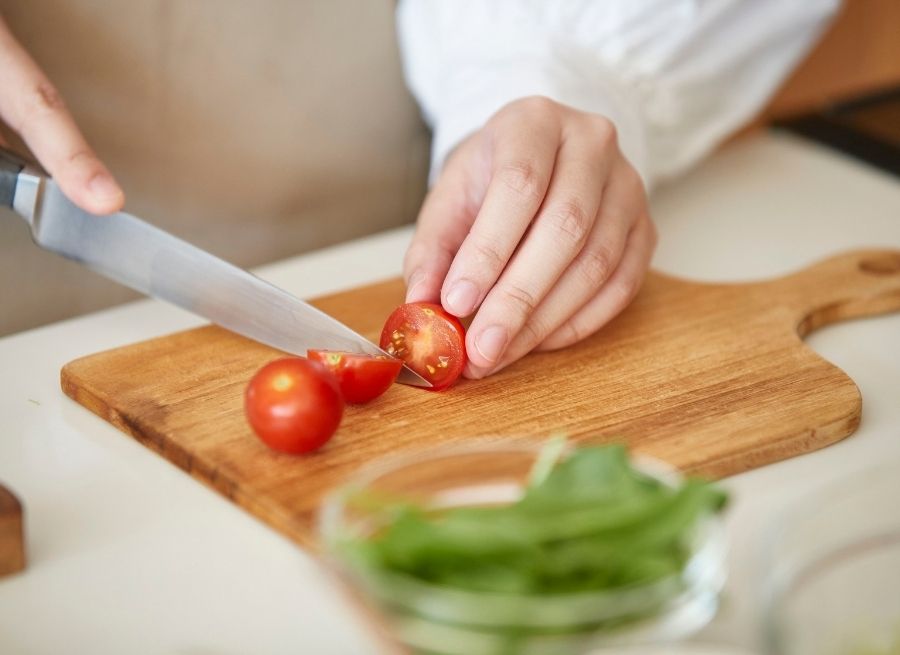
Wood boards are classic and gentle on knives. They last long if properly cared for. Wood absorbs juices, which can cause stains or odors. Regular oiling keeps them in good shape. They naturally resist bacteria but need cleaning after use.
Plastic Cutting Boards
Plastic boards are lightweight and easy to clean. They work well with strong detergents and dishwashers. Plastic can develop deep cuts where bacteria hide. Replacing boards often is important. They come in many colors to avoid cross-contamination.
Bamboo Cutting Boards
Bamboo boards are eco-friendly and harder than wood. They resist knife marks and are less porous. Bamboo needs oiling to prevent cracking. These boards dry fast and resist bacteria. They balance durability with low maintenance.
Glass Cutting Boards
Glass boards look modern and clean well easily. They do not absorb odors or stains. Glass is tough but can dull knives quickly. They are less forgiving on knife edges. Ideal for serving or cutting soft foods.
Composite Cutting Boards
Composite boards mix wood fibers and resin. They are strong and dishwasher safe. These boards resist stains and cuts well. They balance wood’s feel with plastic’s durability. Suitable for heavy daily use.
Rubber Cutting Boards
Rubber boards are soft and gentle on knives. They resist slipping and absorb impact. Rubber resists bacteria and is easy to clean. These boards are heavy and stable. Popular in professional kitchens for safety.
Durability And Longevity
Durability and longevity are key factors when choosing a cutting board for daily use. A board that lasts longer saves money and time. It also keeps your kitchen safer and cleaner. Different materials have different strengths and weaknesses. Understanding these helps pick the best board for your needs.
Resistance To Knife Marks
Knife marks can damage a cutting board quickly. Some materials resist these marks better than others. Hardwoods like maple and walnut show fewer marks. Plastic boards tend to get scratched easily. Deep cuts can trap bacteria. Boards that resist knife marks stay safer and look better longer.
Wear And Tear Over Time
Daily use causes wear and tear on cutting boards. Wood boards may develop small cracks or warping. High-quality hardwoods handle stress well. Plastic boards can become rough and stained. Bamboo is strong but may split if not cared for. Choosing a sturdy material helps a board last many years.
Maintenance Requirements
Some cutting boards need more care than others. Wood boards must be oiled regularly to stay strong. Plastic boards are easy to clean but may need replacing sooner. Bamboo boards require gentle washing and oiling. Proper maintenance keeps boards safe and extends their life. Simple care routines make a big difference.
Hygiene And Safety
Hygiene and safety are key factors when choosing a cutting board for daily use. The right material helps keep your kitchen clean and reduces the risk of foodborne illness. Some materials naturally resist bacteria better than others. Easy cleaning also plays a major role in maintaining hygiene. Safe sanitizing methods protect your family and extend the life of your board.
Bacterial Resistance
Some cutting board materials prevent bacteria from settling in. Hardwoods like maple have tight grains that block bacteria. Plastic boards are less porous and can resist bacteria too. Soft woods or boards with deep cuts may trap germs easily. Choosing a material with good bacterial resistance helps keep food safe.
Ease Of Cleaning
Cleaning a cutting board quickly and thoroughly is important. Plastic boards often go in the dishwasher for fast cleaning. Wooden boards need hand washing with warm, soapy water. Avoid soaking wood to prevent warping. Smooth surfaces clean better and reduce bacteria hiding spots. A board that cleans easily saves time and effort.
Sanitizing Tips
Sanitizing kills germs that washing may miss. Use a solution of one tablespoon bleach per gallon of water. Apply it to the board and let it sit for a few minutes. Rinse well and dry completely before storing. White vinegar or hydrogen peroxide also work as natural sanitizers. Regular sanitizing keeps your cutting board safe and fresh.
Impact On Knife Sharpness
Read More – Why Do Kitchen Knives Rust and How Can You Prevent It?
Choosing the right cutting board affects how long your knives stay sharp. The board’s material can either dull or protect your blade edges. Using a hard or rough surface wears down knives quickly. Softer materials help keep blades sharper for longer.
Hardness Of Materials
Cutting boards come in many materials with different hardness levels. Hard materials like glass and ceramic are very tough. They do not give way to the knife edge. This causes the blade to hit a hard surface, damaging it fast.
Softer materials such as wood and plastic absorb some pressure. These surfaces bend slightly when cutting. This action helps protect the blade edge from dulling quickly. Softer boards are kinder to knives.
Effect On Blade Edges
Hard surfaces chip and blunt knife edges faster. This leads to frequent sharpening and blade wear. Wood boards have a natural grain that helps maintain the blade’s sharpness. Plastic boards also cause less blade damage but may show cuts more easily.
Regular use of very hard boards shortens knife life. Choosing a cutting board with moderate softness preserves your knives. It reduces the need for sharpening and keeps your blades safer.
Environmental Considerations
Choosing a cutting board is not only about durability or style. Environmental impact matters too. The material you pick affects the planet. Some materials cause more harm than others. Understanding these effects helps make better choices for daily use.
Consider how materials are sourced and how they break down after use. Eco-friendly options can reduce waste and pollution. They support a healthier environment while serving your kitchen needs.
Sustainability Of Materials
Wood is a natural, renewable resource. Some woods grow quickly and are easier to replace. Bamboo is a popular choice because it grows fast and absorbs carbon. Plastic boards often come from fossil fuels. They take hundreds of years to decompose. Glass and stone are durable but require more energy to produce.
Choosing sustainably harvested wood or bamboo lowers environmental damage. Avoid materials linked to deforestation. Check for certifications like FSC for wood products. These marks show responsible forest management and protect ecosystems.
Eco-friendly Options
Bamboo boards are lightweight and resist water well. They need less energy to produce than hardwood boards. Recycled plastic boards reduce waste and keep plastics out of oceans. Natural fiber boards, made from coconut husk or wheat straw, break down easily after use.
Avoid cutting boards with harmful chemicals or finishes. Choose products made with non-toxic, biodegradable materials. This choice helps reduce pollution and supports better health in your kitchen.
Cost And Value
Choosing the right cutting board means considering both cost and value. You want a board that fits your budget and lasts long. Spending a little more upfront can save money later. Understanding price and durability helps make the best choice for daily use.
Price Range Of Materials
Plastic boards are usually the cheapest option. They often cost under $20. Wood boards vary widely. Soft woods like bamboo start around $25. Hardwoods like maple may cost $40 or more. Glass boards tend to be affordable but less common. Composite boards can be pricier, sometimes over $50.
Long-term Investment
Wood boards often last many years with care. They resist knife marks and bacteria better. Plastic boards wear out faster and may need replacing. Composite boards offer durability and easy cleaning but cost more. Choosing a board that lasts reduces waste and saves money over time.
Choosing The Right Board For Your Needs
Choosing the right cutting board for your kitchen is important. It helps you prepare food safely and keeps your kitchen clean. Not every board suits all types of cooking or kitchens. Think about your daily needs before picking one.
Some boards work better for certain foods or tasks. Your personal taste also matters. The space you have in your kitchen plays a role too. These factors guide you to the best board for daily use.
Types Of Cooking And Food Prep
Different foods need different boards. Raw meat should have a separate board to stop germs. Vegetables and fruits do better on boards that are easy to clean. Some boards handle knives better, keeping them sharp longer. Choose a board that fits the kind of cooking you do most.
Personal Preferences
Look at the board’s feel and weight. Some like heavy wooden boards; others want light plastic ones. Color and style might match your kitchen’s look. Easy cleaning is a big plus for many people. Pick a board you enjoy using every day.
Space And Storage
Measure your kitchen space before buying a board. Large boards need more room to store and clean. Small kitchens may need compact or foldable boards. Think about where you will keep it after use. A board that fits your space makes cooking easier.
Read More – 6 Kitchen Storage Ideas for a More Organized Home
Frequently Asked Questions
What Is The Safest Cutting Board Material For Daily Use?
Wood and bamboo are safest due to their natural antimicrobial properties. They resist bacteria better than plastic when properly maintained. Avoid plastic with deep grooves as they harbor germs. Regular cleaning and oiling wood boards enhance safety and durability.
Which Cutting Board Material Is Easiest To Clean?
Plastic cutting boards are easiest to clean and dishwasher safe. They can withstand high temperatures, making sanitizing simple. However, they can develop knife marks that trap bacteria. Frequent replacement is recommended for hygiene.
Are Wooden Cutting Boards Better For Knives?
Yes, wooden cutting boards are gentler on knives. They help maintain sharpness longer compared to harder materials like glass or stone. Wood’s slight softness reduces blade dulling, preserving knife edges effectively.
Can Bamboo Cutting Boards Resist Moisture Well?
Bamboo cutting boards resist moisture better than hardwoods. Their dense fibers absorb less water, reducing warping and cracking. Proper drying and oiling ensure bamboo boards last longer and stay hygienic.
Conclusion
Choosing the right cutting board makes daily cooking easier and safer. Wood boards feel warm and last long with care. Plastic boards are light and simple to clean. Bamboo offers a good balance of strength and eco-friendliness. Think about your cooking habits and cleaning preferences.
Pick a board that fits your kitchen style and needs. Keep your board clean and dry to avoid damage. The best cutting board is one you enjoy using every day. Simple tools make great meals.